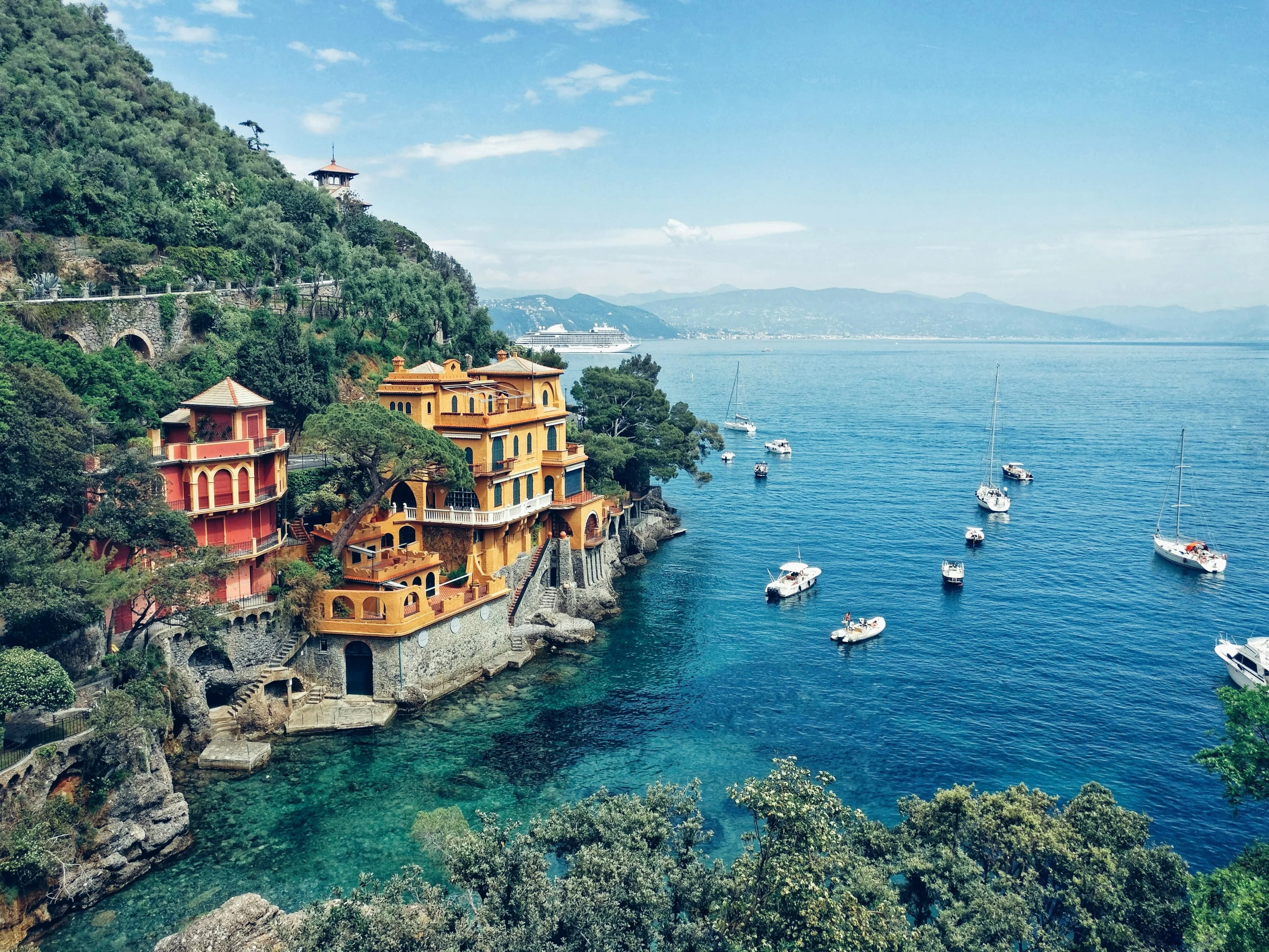
Why Forte dei Marmi occupies a singular position in Italian coastal luxury
This is not a town that reinvents itself for tourism. Forte dei Marmi operates on its own rhythm, and that rhythm rewards those who understand it. For the traveller seeking a luxury hotel suite in Italy's coastal north, Forte dei Marmi offers something genuinely rare: privacy without remoteness, sophistication without performance.
For a broader view of Italy's suite landscape, the Italy destination page on La Suite provides essential context, as does the wider Europe collection for travellers combining regions.
The distinct areas of Forte dei Marmi and where to base yourself
The historic centre and the piazza
The town centre pivots around the small fortified building that gives the town its name, surrounded by a pedestrianised piazza. This is where the weekly market operates, where the passeggiata takes place in the late afternoon, and where proximity means you are within walking distance of the town's most considered retail, from independent fashion ateliers to century-old pasticcerie. Suites in this zone tend to occupy converted historic structures or discreet boutique hotels with internal gardens.
The northern beach and pineta zone
North of the centre, the pine forest thickens and the density of villas increases. This is the most residential part of Forte dei Marmi, where family compounds are shuttered for eleven months of the year and opened precisely for August. Hotels in this zone are fewer and more spacious, often set back from the shore with large grounds. The atmosphere is quieter, the access to private beach clubs more direct.
Versilia coastline access
Forte dei Marmi functions as an anchor point for the broader Versilia coast, which extends south toward Viareggio and north toward Marina di Carrara. Travellers using it as a base can reach the Cinque Terre by train, the Lucca hinterland by car in under forty minutes, and Pisa within the same range. The luxury suite experience here is therefore not confined to the beach: it is a platform for a layered Tuscan itinerary.
When to visit Forte dei Marmi
The town's social calendar is structured around summer, specifically July and the first three weeks of August. This is when the beach clubs are fully operational, the restaurants run at capacity, and the town reaches its highest concentration of Italian and European affluent visitors. Securing a luxury suite during this window requires planning months in advance, often before the calendar year begins.
June and September offer a more measured experience. The sea temperature remains warm, the beach clubs are open, and the town retains its character without the compression of August. For travellers who prefer space over social density, these shoulder months are the more rational choice.
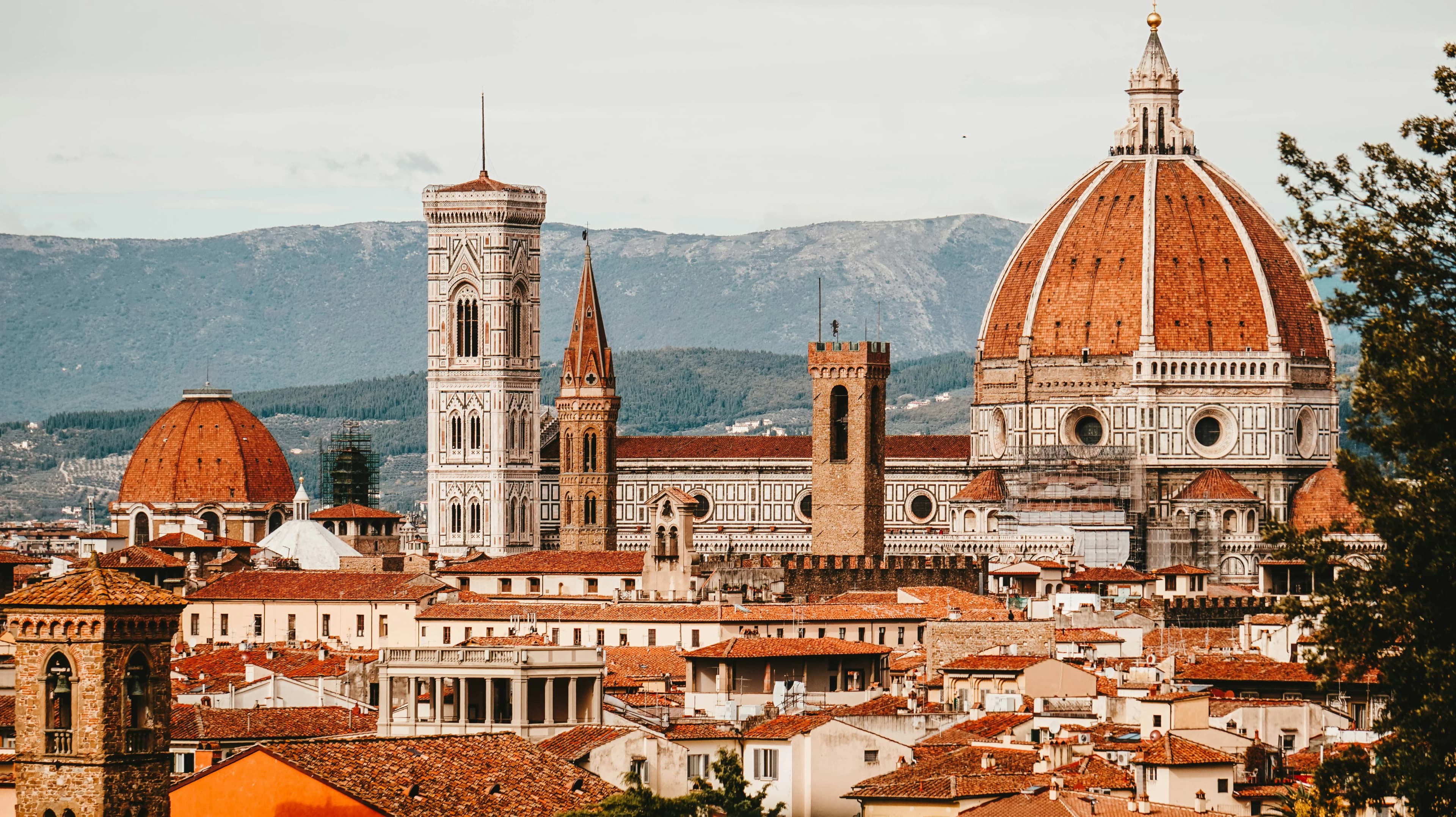
October through May, the town closes significantly. Many restaurants and hotels shutter entirely, and the atmosphere shifts to something almost spectral: beautiful, but not operational in the way summer visitors expect. Those interested in off-season Tuscany are better served by looking inland toward Lucca, Florence, or the Maremma.
Understanding local luxury standards in Forte dei Marmi
Italy does not apply the French Palace designation to its hotels, but it maintains its own hierarchy. The five-star deluxe category in Italy, particularly along the Versilia coast, represents properties with significant room counts, full spa infrastructure, and direct beach concessions. In Forte dei Marmi, the most respected establishments have operated continuously for decades, with ownership that prioritises consistency over reinvention.
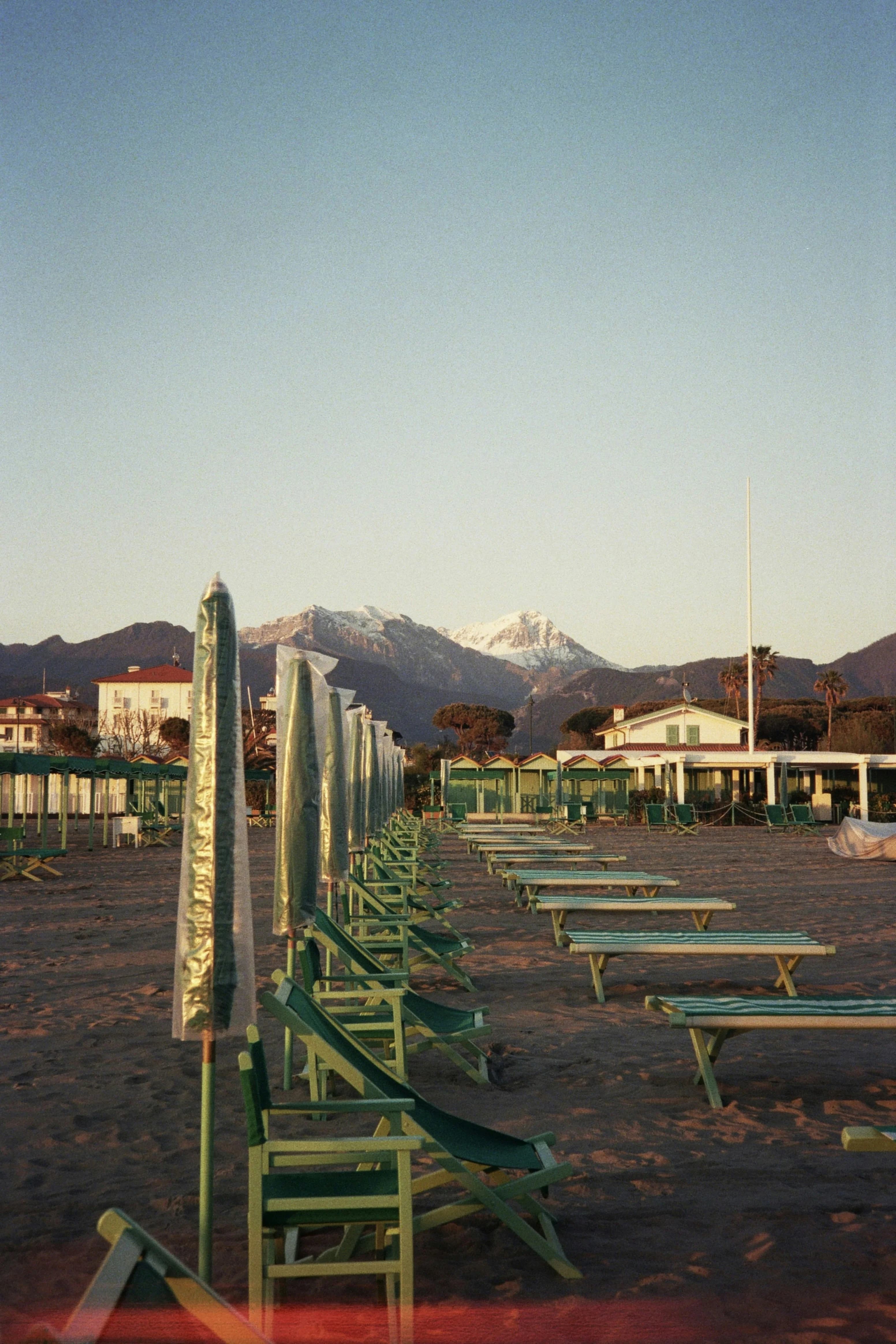
The stabilimento system is essential to understand. Private beach clubs in Italy, and particularly in Forte dei Marmi, operate as social infrastructure. Access to the right one is as significant as the suite itself. The leading hotels maintain their own beach concessions, which means guests have direct, reserved access to sun loungers, service, and facilities without the daily negotiation that characterises less curated coastal destinations.
Suites in the top properties here tend to be architecturally restrained: pale marble floors, linen textiles, shuttered light, and outdoor space that extends the interior rather than competing with it. The design language is Mediterranean modernism with Tuscan material references. What distinguishes the best suites is the quality of silence, the thickness of the walls, and the calibration of service that is present without being intrusive.
How to choose the right suite in Forte dei Marmi
Beach access versus garden privacy
The fundamental decision in Forte dei Marmi is between suites that offer direct or near-direct beach access and those set within private gardens in the pineta. Families with children often prioritise the former. Couples and solo travellers frequently prefer the latter, where the garden acts as a buffer from the social intensity of the beach season.
Scale and service model
Forte dei Marmi has both large five-star hotels with full brigade service and smaller boutique properties where the ownership is present daily. The choice depends on how the traveller uses a suite: as a base for an active itinerary, or as the destination itself. A larger property with spa, multiple restaurants, and concierge infrastructure suits the former. A smaller villa-style hotel suits the latter.
Proximity to the piazza
Walkability matters in Forte dei Marmi. The town is compact, but the difference between a five-minute walk and a fifteen-minute walk to the centre changes how spontaneously one can engage with the evening. For those who want to participate in the town's social life rather than observe it from a distance, centrality is a practical consideration, not a luxury upgrade.
The value of a curated selection in Forte dei Marmi
Forte dei Marmi has a small number of properties that genuinely meet the standard for a luxury hotel experience: direct beach access, suite-category rooms with meaningful outdoor space, service calibrated to a returning clientele, and the right physical relationship between the room and the surrounding landscape.
The challenge is that the town's reputation attracts a wide range of accommodation, and the gap between properties that trade on the town's prestige and those that actually deliver it is significant. La Suite's curation applies a consistent editorial lens to this distinction. The result is a shortlist built on direct knowledge of what the finest suites in Forte dei Marmi actually deliver, not on star ratings or marketing positioning.
For travellers building a broader Italian itinerary, the La Suite Italy page provides a parallel view of the country's suite landscape across regions and seasons.