Castelletto di Montebenichi, Monte Benichi
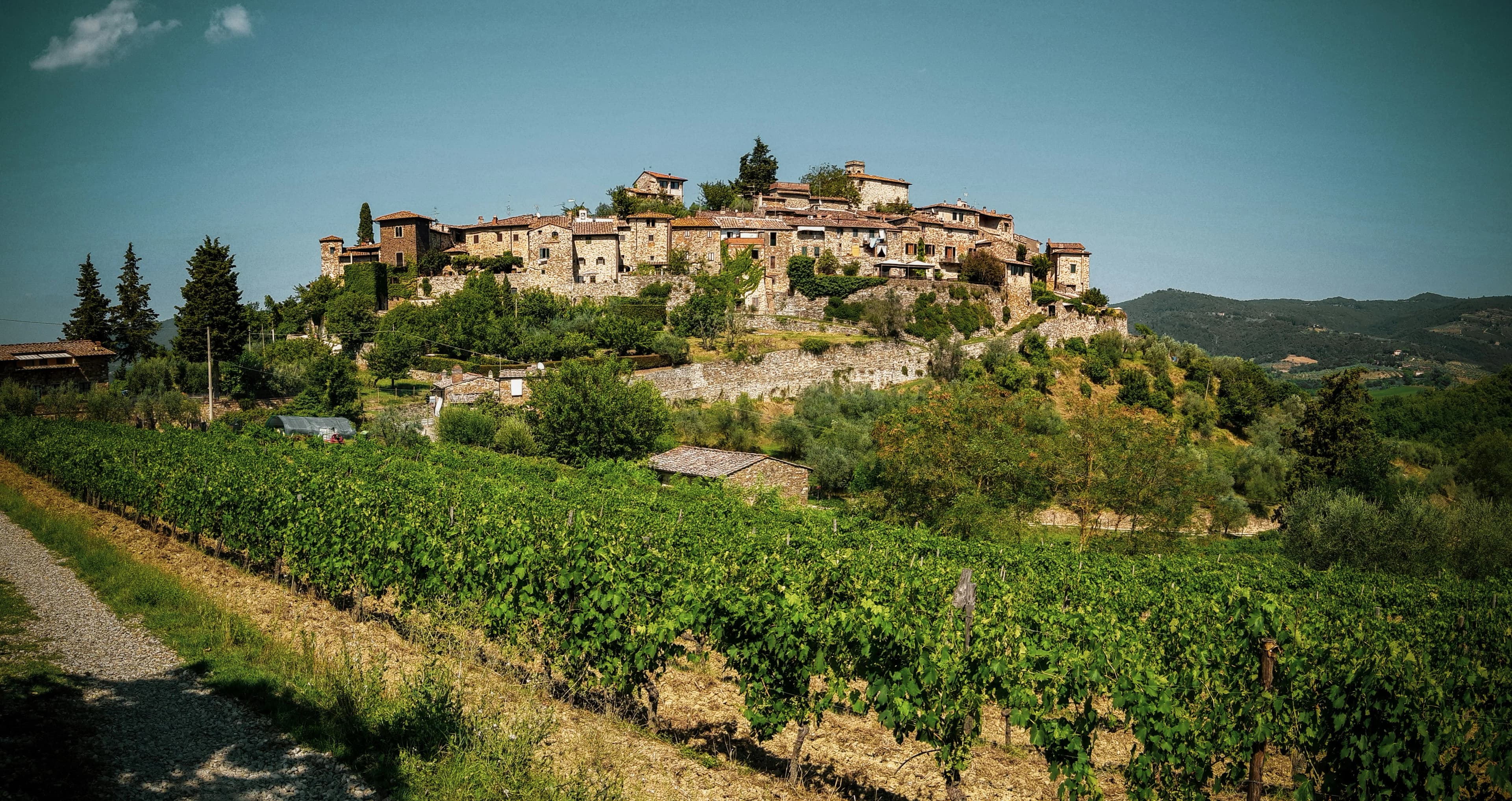
Castelletto di Montebenichi is a 12th-century castle with frescoed walls and a garden. Located halfway between Siena and Arezzo, its swimming pool offers panoramic views across the Chianti hills and v

Gaiole in Chianti sits at the heart of the Chianti Classico production zone in the province of Siena, within the broader Chianti hills of Italy. It is one of the original three communes of the historic Lega del Chianti, alongside Radda and Castellina. The landscape here is geological as much as agricultural: stratified limestone and clay soils, medieval defensive towers punctuating ridgelines, and estates that have operated continuously since the eleventh and twelfth centuries. The scale of the place is intimate. This is a territory measured in kilometers walked and glasses poured, not in monuments visited or schedules kept.
2 hotels available

Castelletto di Montebenichi is a 12th-century castle with frescoed walls and a garden. Located halfway between Siena and Arezzo, its swimming pool offers panoramic views across the Chianti hills and v

Set in Tuscany's countryside, Castello di Spaltenna Exclusive Resort & Spa is an ancient monastery from the 10th century. It offers 2 swimming pools, one of which is heated, a restaurant and spacious
Hotels in the area, but in a neighbouring town.

Borgo San Felice Resort is located in Castelnuovo Berardenga in the heart of the Chianti wine district. It offers spacious rooms with antique furnishings, a swimming pool, and panoramic views. The ho

Hotel Le Fontanel enjoys panoramic views from its exceptional location in the Chianti Hills, 20 minutes drive from Siena. Relax and enjoy wellness and sports facilities in this peaceful location. Hot

Elegant Accommodations Pieve Aldina - Relais & Châteaux in Radda in Chianti offers a 5-star hotel experience with a spa and wellness center, infinity swimming pool, sauna, sun terrace, and lush ga

Elegant Accommodations The Club House in Castelnuovo Berardenga offers a 5-star experience with adults-only access. Guests enjoy spa facilities, a wellness center, swimming pool with a view, fitne

37 km away
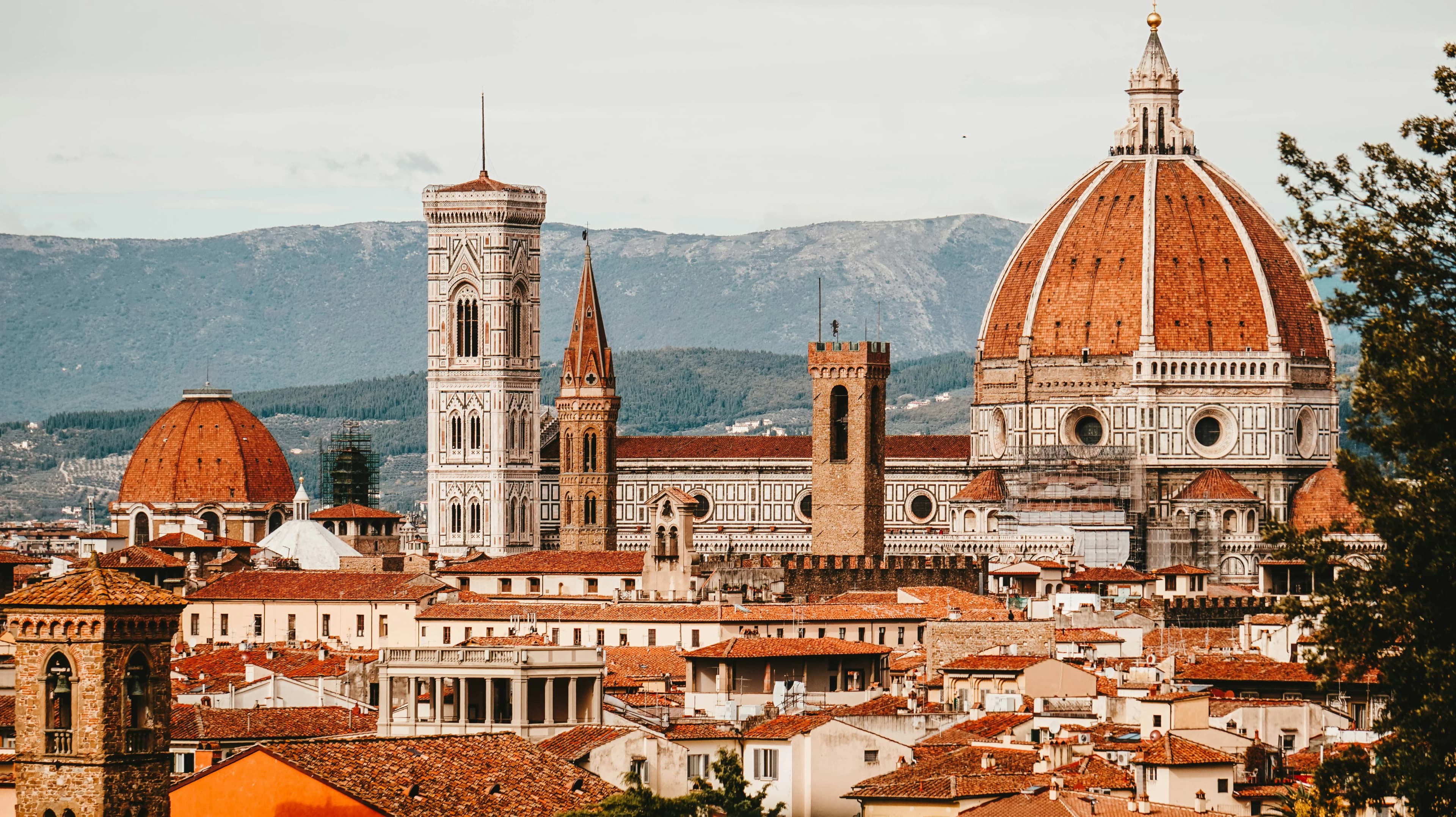
Florence is compact by the standards of major European capitals, but its density of cultural and architectural significance is unmatched on the continent. Within a few square kilometres, you have the Uffizi, the Accademia, Santa Croce, the Oltrarno district, and the Boboli Gardens. This compression works in favour of the suite traveller: proximity matters, and the right address places you inside the city's logic rather than adjacent to it.

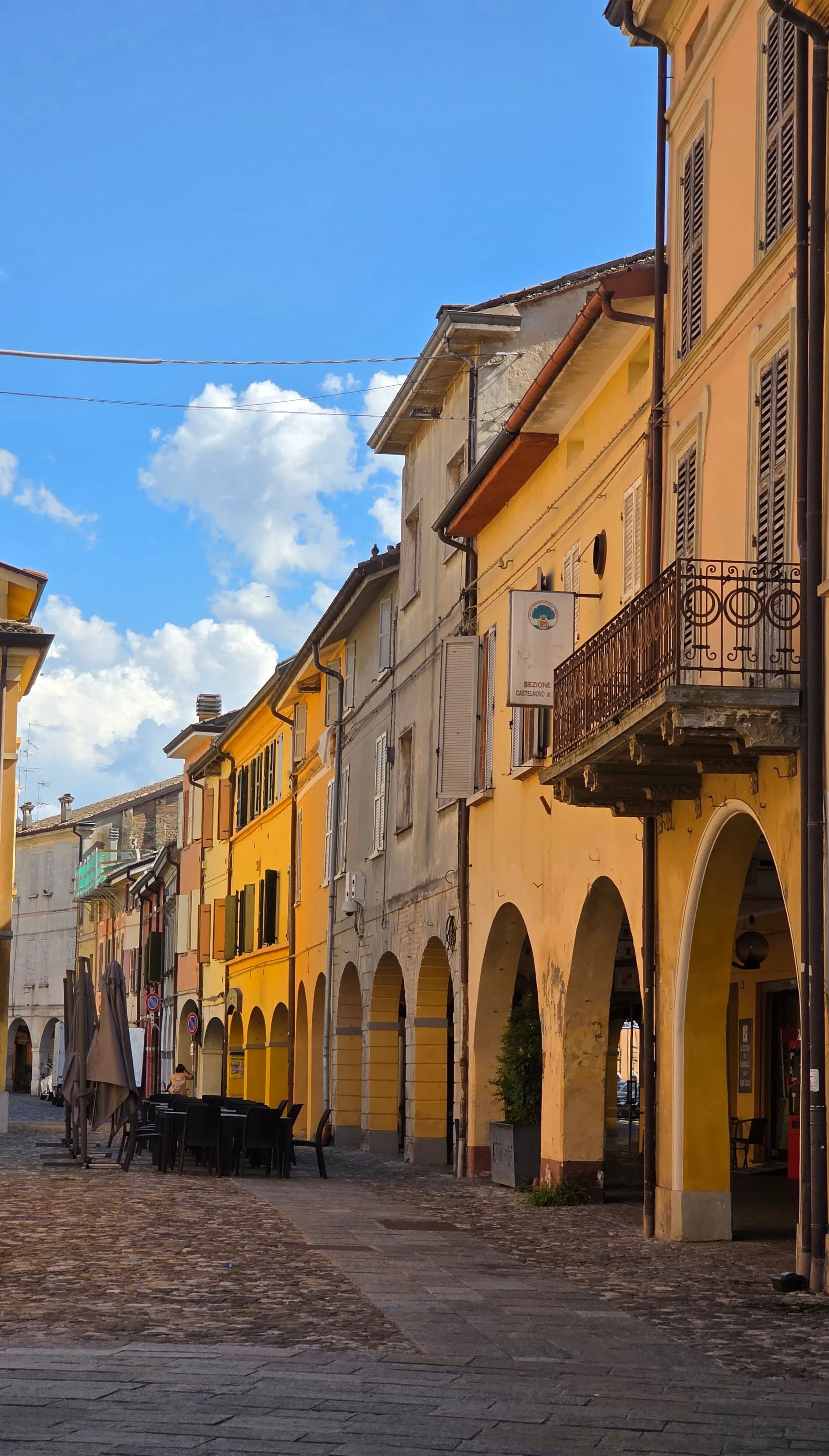
Castelnuovo Berardenga is not a destination that announces itself. It has no famous cathedral, no landmark square, no concentrated tourist infrastructure. What it has is territory: a municipality of exceptional scale and coherence, covering nearly 180 square kilometers of southern Chianti. For travelers seeking luxury hotel suites in a landscape rather than a city, this is one of the most credible addresses in Italy.

50 km away
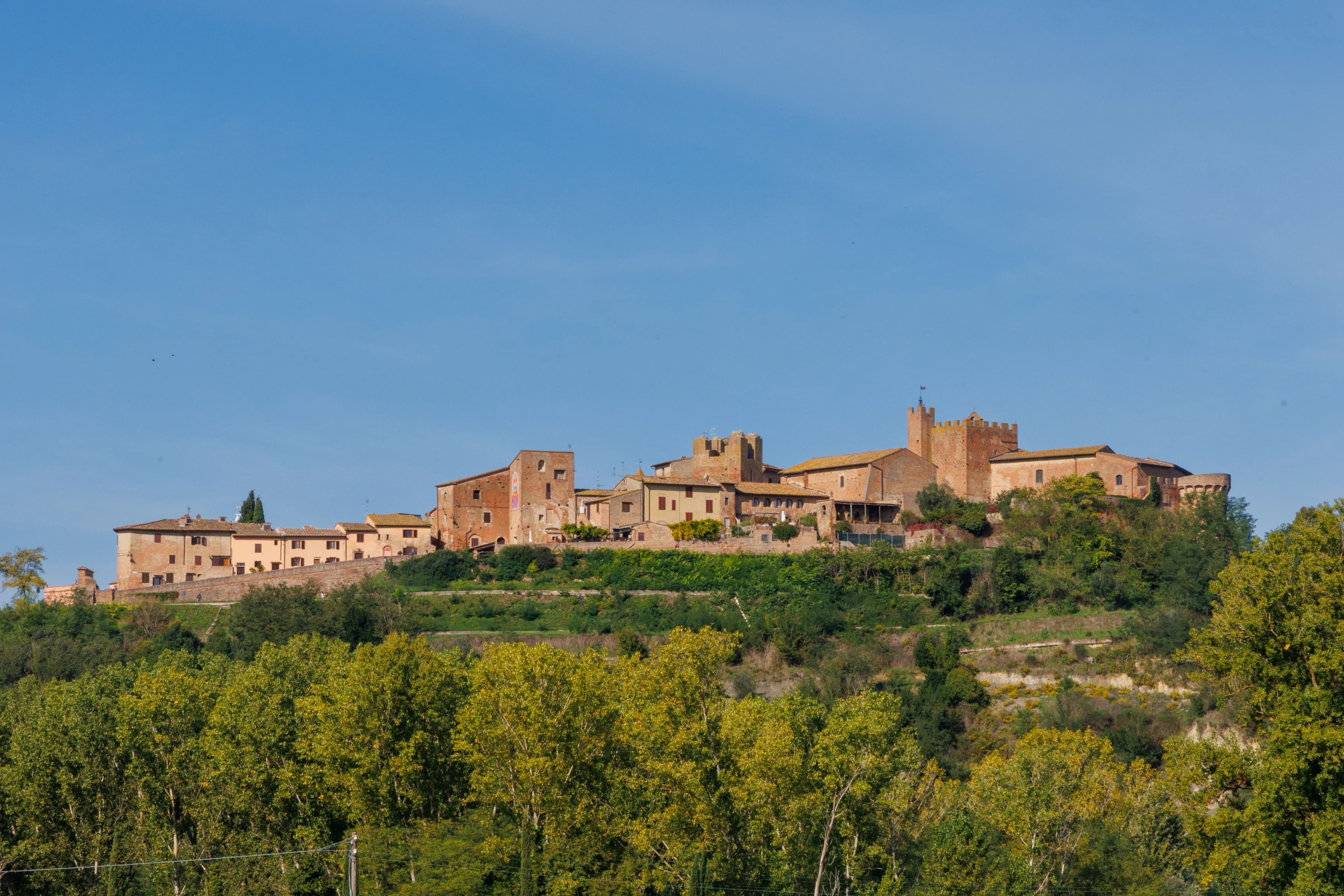
Cortona is not a destination that performs for tourists. It operates on its own rhythm, shaped by centuries of Etruscan, Roman, and medieval layering. The town's elevation, sitting at around 600 metres above sea level, keeps the summer heat manageable and the light consistently warm. Its scale is intimate: you can walk the principal streets in under twenty minutes, yet each turn reveals a loggia, a fresco fragment, or a view that reorients your sense of direction. A luxury hotel suite in this context functions less as an amenity and more as a base camp for slow, deliberate discovery.
For the traveler seeking a luxury hotel suite in this region, Gaiole offers something that neither Florence nor Siena can replicate: an unmediated relationship with the land. The best properties here are historic estates converted with architectural restraint, where original stonework, vaulted ceilings, and terraced gardens define the experience as much as the thread count of the linens.
The town of Gaiole itself is a small agricultural market center, historically a point of exchange for the surrounding castle estates. Staying close to the borgo gives access to local producers, weekly markets, and the quiet rhythms of a working Tuscan community. Properties in this zone tend to sit within converted farmhouses or the edges of historic estates, offering a grounded, less theatrical version of Chianti luxury.
The elevated land around Gaiole is defined by a series of medieval fortified estates, some of which have been in continuous aristocratic ownership for centuries. These hilltop properties offer the most architecturally significant settings in the zone. A luxury suite within a former castle or fortified manor here comes with views that extend across multiple valleys and, in several cases, with direct access to estate wine production facilities. The sensory experience is layered: stone walls that retain heat in autumn, cellars where the temperature stays constant year-round, and terraces oriented to catch the last hours of afternoon light.
Moving east from Gaiole, the terrain rises and the landscape shifts from open vineyard country to denser forest. This zone is quieter, cooler in summer, and attracts a traveler who values isolation over accessibility. Properties here are fewer and more discreet. For those who want a luxury hotel experience with genuine seclusion, this edge of the Chianti territory is the right choice.
The classic windows for visiting the Chianti hills are well established, but each season carries a different register. Spring, from April through early June, brings the landscape to its most photogenic state: green vines, wildflowers in the verges, and mild temperatures that make walking and cycling viable from early morning. Early autumn, September through October, is the harvest period. This is when the estates are at their most active, the air carries the fermentation from open cellars, and the quality of light in the late afternoon is particular to this latitude and season.
July and August are warmer and attract a higher concentration of visitors, though the density never reaches the levels found in Florence or coastal Tuscany. Luxury suite availability at the most sought-after estate properties tends to tighten from late June onward. For the best combination of availability, temperature, and authenticity, late September and early October represent the strongest window.
Winter in Gaiole is genuine: cold, often misty, and largely free of tourism. For a traveler who wants a Tuscan estate experience without the ambient pressure of high season, a winter stay has its own specific appeal. Fireplaces in use, truffle season in full effect, and the stillness of a landscape not performing for an audience.
Italy does not have a state-administered palace hotel designation equivalent to the French Palace label. The reference framework for top-tier properties in rural Tuscany operates differently. The relevant category here is the relais or converted estate property, often affiliated with Relais and Chateaux or the Leading Hotels of the World. In the Chianti zone specifically, the most credible luxury hotel properties are those that have preserved the architectural integrity of their historic structures while introducing contemporary standards of comfort and service.
What to expect at the highest level: suites with private terraces or loggia overlooking estate vineyards, in-property dining sourcing ingredients from the estate or immediate surroundings, wine programs built on the estate's own Chianti Classico production, and spa facilities integrated into historic stone buildings rather than appended as modern additions. The service model tends toward discretion over formality. Staff at the best properties here understand the territory intimately and function as genuine guides, not concierge scripts.
Expect also that the best suites in this zone are not standardized hotel rooms with upgraded square footage. They are often unique spaces: a former watchtower converted to a bedroom with 360-degree views, a winemaker's residence repurposed as a private apartment, or a vaulted stone chamber at the base of a medieval keep. Each has a specific character that cannot be replicated or substituted.
The choice between a property that prioritizes historical preservation and one that has been comprehensively modernized is substantive in this territory. Some travelers want the full sensory experience of medieval architecture: uneven stone floors, low thresholds, thick walls, and the particular acoustics of a building constructed before industrialization. Others prefer the reassurance of contemporary finishes within a historic envelope. Both are available here. The decision should be made deliberately, not by assumption.
An estate property gives access to private land, working wine production, and a degree of self-containment that a village-adjacent hotel cannot replicate. For travelers who want to remain within the property for extended periods, an estate base is the right architecture. For those who want to use Gaiole as a base for daily movement through the surrounding territory, proximity to the borgo and its road network is a practical consideration.
Some properties in this zone operate on a seasonal calendar, closing between November and March. Confirm operating dates before committing to a winter visit. The properties that remain open year-round tend to have the infrastructure and staffing to deliver a consistent experience regardless of season.
The Chianti hills contain a significant number of estate hotels and agriturismo properties operating at widely different standards. The gap between a genuinely exceptional luxury suite and a property marketing itself with the same vocabulary is substantial in this zone. Italy, and Tuscany in particular, rewards the traveler who has done the work of separating signal from noise before arrival.
La Suite applies a consistent editorial standard to every property in its selection: architectural quality, suite-specific merit, service integrity, and the degree to which the property is genuinely embedded in its landscape and culture. In a destination like Gaiole in Chianti, where the experiential gap between the right property and a merely adequate one is measured in the quality of the entire journey, curation is not a convenience. It is the foundation of the trip.

Gaiole in Chianti is one of the oldest communes of the historic Chianti Classico zone and contains a higher concentration of medieval castle estates than neighboring towns like Greve or Panzano. The territory is less frequented by day visitors, which means properties here offer a quieter, more immersive experience. For travelers prioritizing architectural authenticity and direct contact with working wine estates, Gaiole represents the strongest base in the zone.
Late September through mid-October is widely considered the optimal window, coinciding with the Sangiovese harvest and the most distinctive light and temperature conditions of the Chianti calendar. Spring, from April to early June, is the second strongest window for mild weather and uncrowded landscapes. High summer is viable but requires earlier booking at the most sought-after estate properties.
Many of the highest-quality properties in this territory are historic estates that combine wine production with hospitality, where suites are housed within converted castle buildings, former farmhouses, or winemaker residences. This estate model is specific to the Chianti Classico zone and provides an experience that urban or coastal luxury hotels cannot replicate. Access to the estate's own wine production is typically included in the guest experience.
Gaiole in Chianti is approximately 60 kilometers south of Florence and 28 kilometers northeast of Siena, making both cities viable arrival points by road. A rental car is effectively essential for this territory: public transport connections are limited, and the best estate properties are accessed via secondary roads not served by regular bus routes. The drive from Florence via the Chiantigiana road takes approximately one hour and fifteen minutes under normal conditions.
The key variables in this territory are architectural character (original stonework and vaulted spaces versus modernized interiors), position (hilltop estate with views versus valley floor with vineyard proximity), and the degree to which the property's food and wine program is genuinely estate-based rather than sourced externally. Private outdoor space, whether a terrace, loggia, or garden, is a material consideration given the quality of the landscape. Confirm seasonal operating dates if planning a visit outside the April to October window.
Gaiole functions well as a base for the central Tuscan circuit: Siena is under 30 minutes by car, the Val d'Orcia is accessible within an hour, and Florence is reachable for a day visit. The town is less well positioned for the coastal Maremma or the northern Tuscan coast, which require a longer drive. Travelers who want to combine Chianti with broader regional exploration should plan for a vehicle and allocate at least four to five nights to make the journey time worthwhile.
The service model at the best estate properties in this zone is defined by intimate scale and deep local knowledge rather than the formalized protocols of a large urban hotel. Properties typically operate with small, permanent teams who know the estate, the wine program, and the surrounding territory in granular detail. The ratio of staff to guests is favorable, and the best properties will coordinate private tastings, guided walks, and restaurant reservations without requiring the guest to manage logistics independently.
Several estate properties in the Gaiole zone accommodate families in larger suite configurations or private villa annexes, with outdoor space that makes extended stays practical for guests traveling with children. The territory itself is low-density and low-traffic, which is an advantage for families. Direct pool access from suite terraces is available at a number of properties. Confirm specific family configurations and age policies directly with the property, as some historic castle estates prioritize an adults-only environment.
A luxury suite in Gaiole offers a fundamentally different spatial and sensory experience from an urban hotel in Florence or Siena. The estate context, the absence of street-level noise, the direct relationship with the agricultural landscape, and the self-contained nature of the best properties create conditions that city hotels structurally cannot replicate. Travelers choosing between the two are effectively choosing between two distinct trip typologies: the urban cultural visit versus the immersive territorial stay.
Gaiole in Chianti sits within the Chianti Classico DOCG zone, and the best estate properties offer direct access to their own wine production: cellar tours, barrel tastings, and meetings with the resident winemaker are standard offerings at the top tier. Beyond the estate itself, the surrounding territory contains a number of historic producers who receive guests by appointment. For travelers with a serious interest in Italian wine, Gaiole provides a density of access to Sangiovese production that is unmatched elsewhere in Tuscany.