Where to stay on the Italian Riviera: understanding the distinct territories
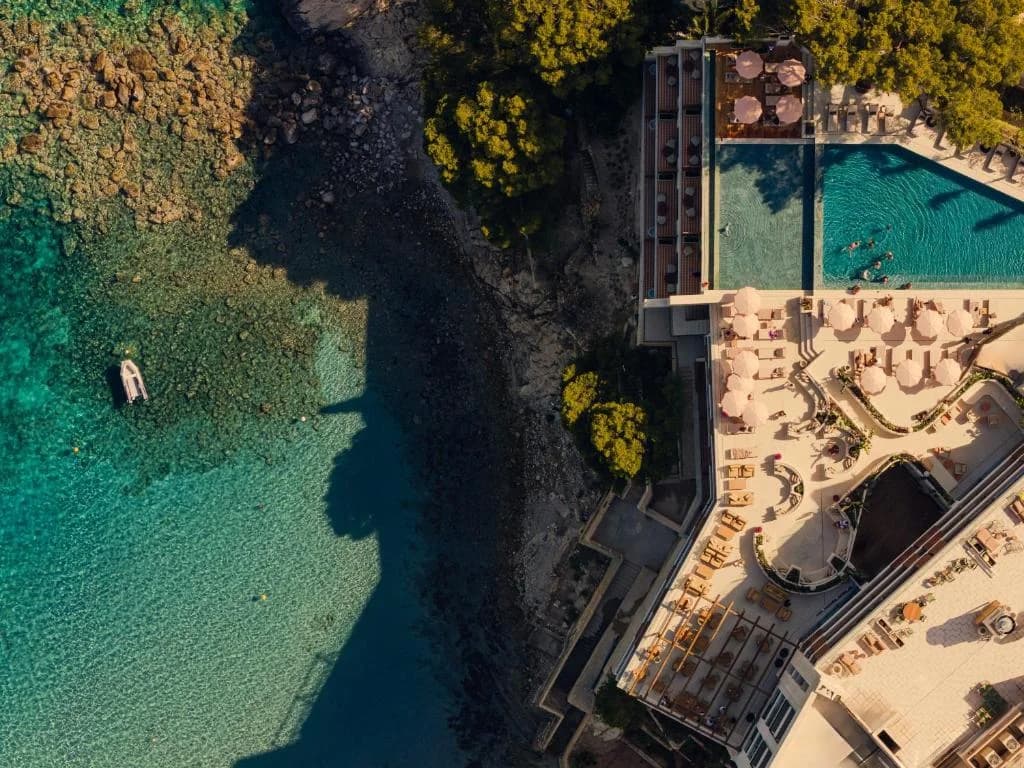
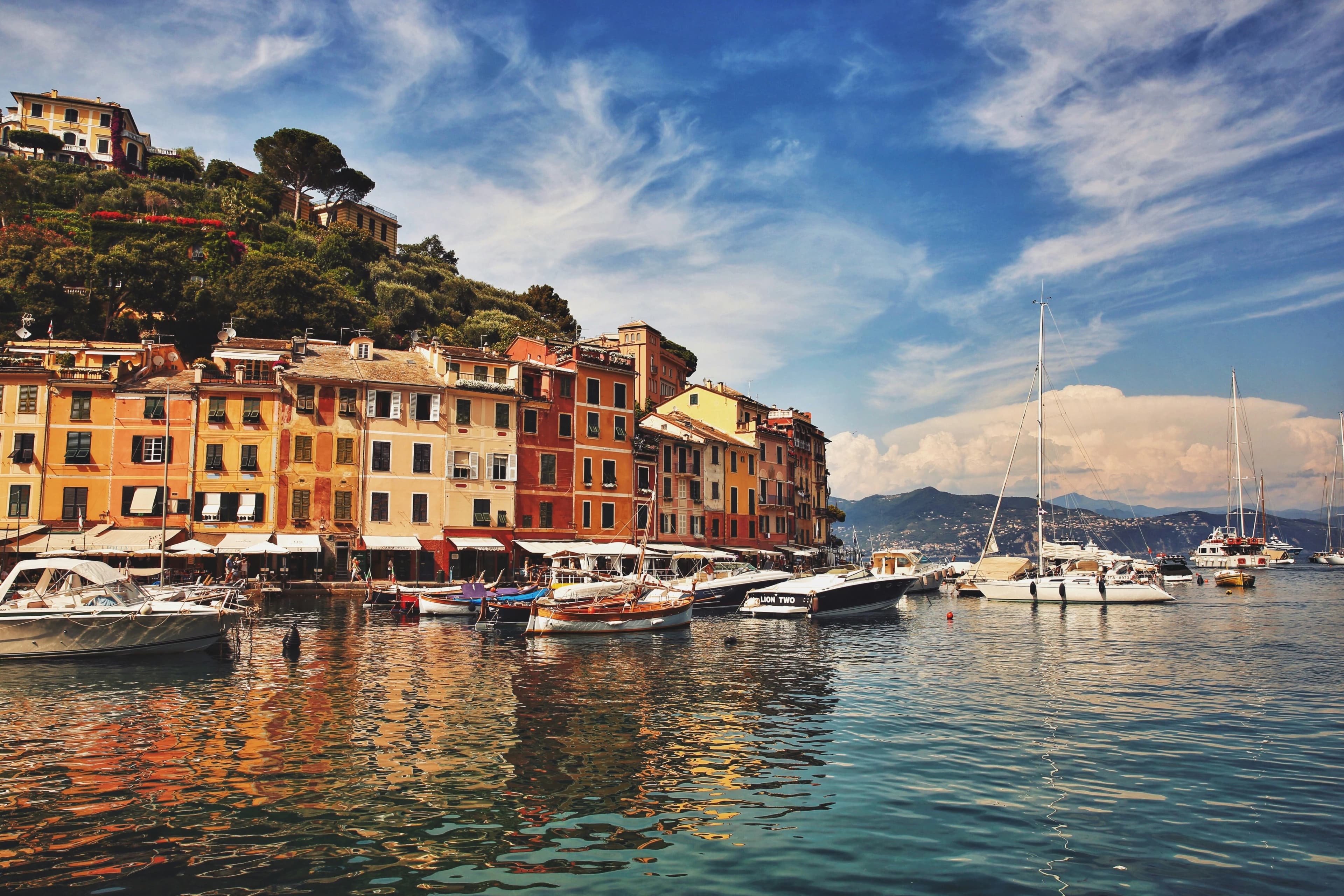
East of Genoa, the Riviera di Levante is steeper and more dramatic. The Cinque Terre villages cling to cliffs above vineyards that drop directly into the sea. Further east, the Golfo dei Poeti around La Spezia and Lerici attracted Shelley and Byron and retains a literary gravity that distinguishes it from more photogenic but shallower destinations. The promontory of Portofino sits between the two stretches as its own category: a protected natural reserve with one of the most recognised harbours in the world, where access is restricted and the hotel offer is deliberately limited.
For travelers seeking a luxury hotel suite on the Italian Riviera, the choice of territory matters as much as the property itself. A clifftop suite above Camogli delivers a fundamentally different experience to a sea-facing room in a restored palazzo near Alassio.
When to visit the Italian Riviera for a suite stay
The Ligurian climate is among the mildest in continental Europe. The mountains immediately behind the coast act as a barrier against northern cold, which means the western Riviera in particular sees winter temperatures that regularly permit outdoor dining. This makes the region viable for suite travel across a longer season than most Italian destinations.
Late April through June offers the clearest combination of temperate weather, uncrowded roads and available inventory at the finest properties. The light in May is precise and northern, ideal for those for whom the visual quality of a place is part of the stay. July and August bring Italian and international visitors in significant volume; coastal roads slow, and the most sought-after suites at the top properties require planning several months in advance.
September and early October represent the most considered window for experienced travelers. The sea retains its summer warmth, the harvest begins in the terraced vineyards, and the region recovers its proportions. The Euroflora garden exhibition, held in Genoa in alternating years, draws design-aware visitors in spring. The Portofino harbour in late September, largely cleared of the high-season crowd, is one of the more quietly extraordinary scenes on the Italian coast.
Local luxury standards: what to expect from top-tier suites on the Ligurian coast
Italy does not operate a single national classification for its highest-tier hotels in the way that France designates a property as a Palace. The Italian system uses a five-star and five-star-superior designation, but these ratings address technical provision rather than architectural distinction or service calibre. On the Italian Riviera, the properties that define the upper register of the market tend to be either historic villas converted into small luxury hotels or twentieth-century grand hotels whose fabric has been carefully maintained.
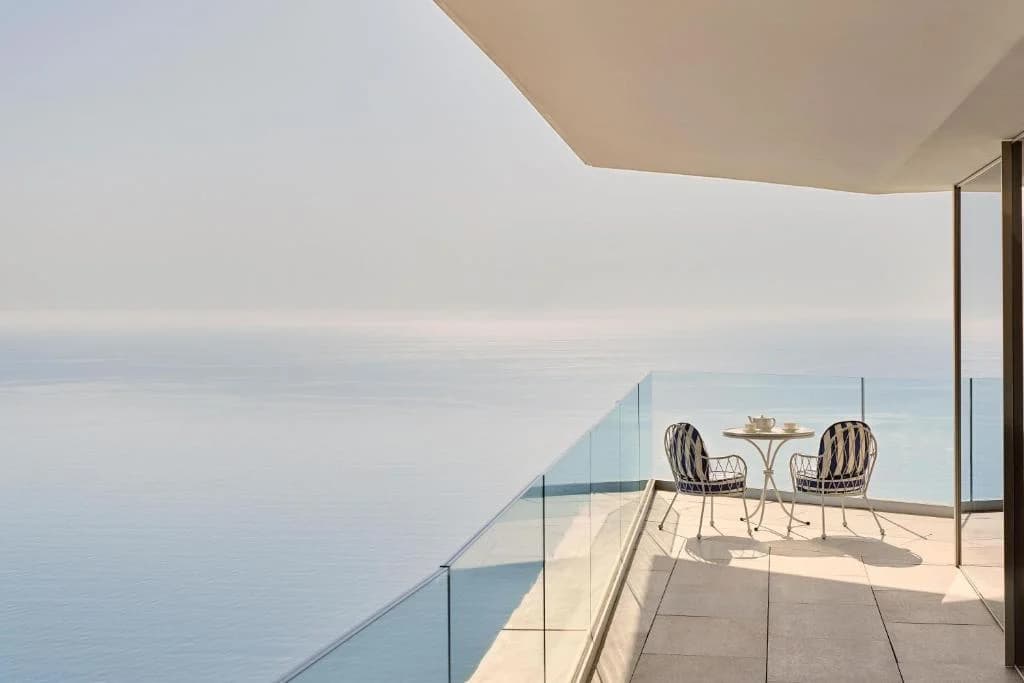
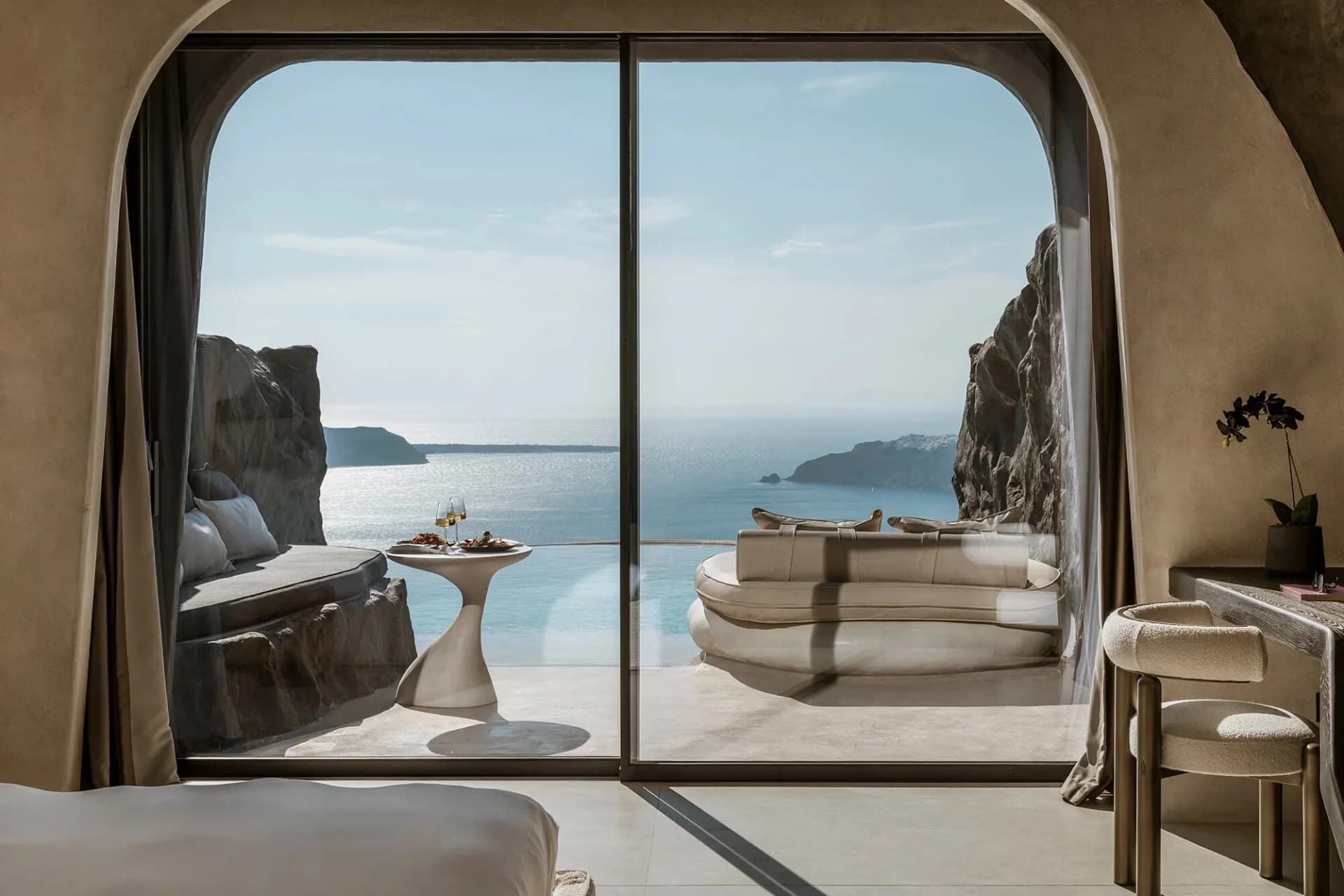
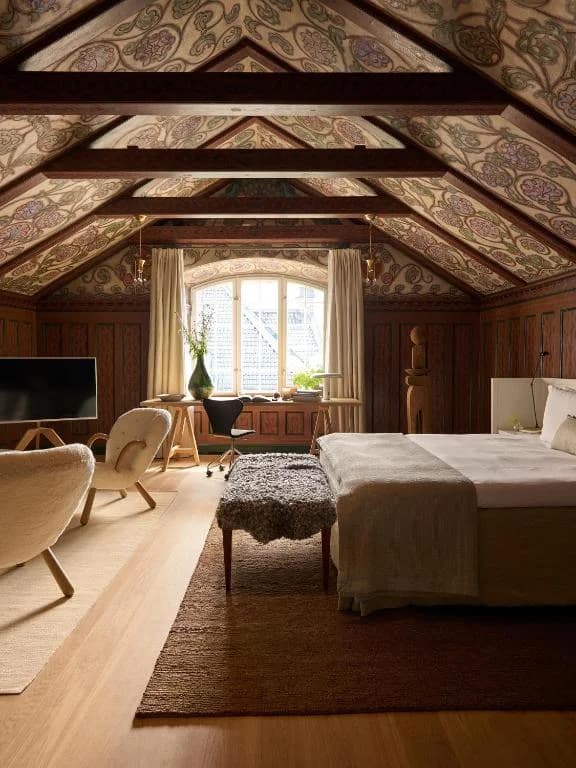
A luxury hotel suite in this context often means a room with a history: frescoed ceilings, original terrazzo floors, furniture sourced from the region's antique trade. The best suites here are not primarily defined by their amenities list but by their relationship to the landscape. A terrace that frames the sea between two headlands, or a loggia that looks directly onto a medieval harbour, carries more weight than a larger bathroom or a faster connection speed.
Ligurian gastronomy is precise and ingredient-led. Pesto alla Genovese, farinata, focaccia di Recco and the region's white wines from Pigato and Vermentino grapes represent a serious culinary identity that the better hotels understand and reflect in their approach to dining. A suite stay that does not engage with the food culture of the Ligurian coast is a partial experience.
How to choose the best luxury suite on the Italian Riviera
Several practical considerations shape the decision. The first is the question of access. Many of the most desirable villages on the Riviera di Levante are either pedestrianised or have strictly limited vehicle access. A suite at a property in Vernazza or Manarola requires arriving without a car; the experience is more immersive but also more logistically deliberate. Properties near Portofino are accessible by car to a point, but the final stretch requires either a boat transfer or a walk. For travelers who travel with significant luggage or require immediate mobility, the western Riviera or the Golfo del Tigullio around Rapallo and Santa Margherita Ligure offers a more practical base.
The second consideration is architectural preference. The Italian Riviera has two dominant modes: the colourful, compressed vertical architecture of the fishing villages and the spread-out neoclassical or Liberty-style villas of the resort towns. A suite in a converted villa will typically offer more space, more garden and a different relationship to its surroundings than a suite in a historic harbour building.
Views deserve honest assessment. Not every suite described as sea-facing delivers an unobstructed horizon. The topography of the Ligurian coast means that a partial view through terraced gardens or across a village roofline can be more characterful than a blank panorama, but this is a matter of individual sensibility. Examining the specific floor plan and orientation of a suite before booking is a discipline that La Suite applies to every property in its selection.
The value of curation on the Italian Riviera
The Italian Riviera is not a destination that lacks options. The Ligurian coast has been a site of European luxury tourism for over a century and a half, which means the market carries both genuine excellence and a significant weight of legacy properties that trade on reputation rather than current quality. A grand name above a door does not guarantee that the suite within meets the standard that the price implies.
The curated selection by La Suite applies a consistent editorial framework to this complexity. Each property is assessed on the quality of its suite inventory specifically, on the coherence between its design identity and the character of its location, and on the concrete experience it delivers rather than its historical standing. For a destination where the gap between expectation and reality can be considerable, this framework is the most efficient path to a stay that justifies both the cost and the distance.