The distinct areas of Lake Garda for a luxury stay
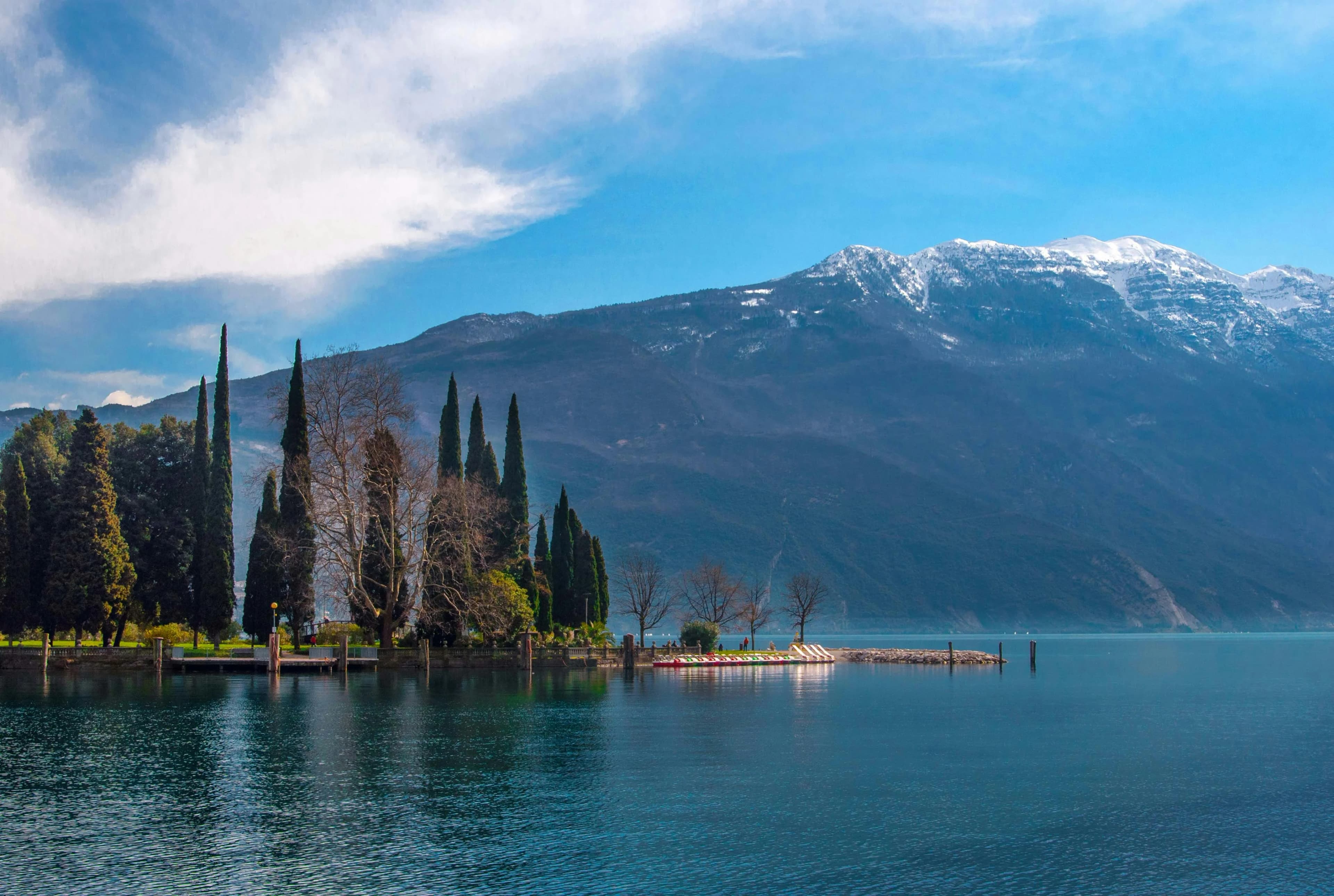
The northern tip, centred around Riva del Garda and Torbole, sits within a narrow Alpine corridor where the Dolomites descend sharply to the water. The microclimate here is cooler, the landscape more dramatic, and the atmosphere correspondingly more intimate. Properties in this zone tend toward refined restraint, with architecture that responds to its mountain setting. Wind patterns on the northern lake have made it a recognised destination for sailing and windsurfing, which means stays here often combine contemplative privacy with subtle physical energy.
The western shore, from Limone sul Garda down through Gargnano and Salò, is the lake's most historically weighted flank. Villa Feltrinelli in Gargnano and the broader ribbon of grand lakefront palazzi and villas along this coast speak to a tradition of aristocratic retreat that has defined the western shore since the nineteenth century. The landscape is narrow and vertical, with lemon groves climbing terraced hillsides above the water. Luxury hotel suites on this shore frequently occupy converted historic properties, where original frescoes and formal gardens remain integral to the guest experience.
The eastern shore, anchored by Malcesine in the north and moving down through Torri del Benaco, is quieter and less trafficked than the west. The terrain is similarly steep, but the atmosphere is more discreet. Properties here attract guests who want proximity to the lake without the social visibility of the more celebrated western addresses.
The southern basin, where the lake broadens and flattens toward Sirmione and Desenzano del Garda, introduces a different register entirely. Sirmione occupies a narrow limestone peninsula with Roman ruins at its extremity. The thermal waters here have supported wellness-oriented stays for centuries. The southern shore also offers the easiest connections to Verona and Milan, making it the most logistically practical base for guests combining a lake stay with broader cultural or business itineraries.
When to visit Lake Garda for a luxury suite stay
The lake's season runs broadly from April through October, with distinct peaks and character shifts within that window.
Late April and May offer arguably the most composed conditions: the gardens are in full expression, temperatures are moderate, and the crowds that define midsummer have not yet arrived. Properties at this time have greater flexibility, and the overall atmosphere is attentive rather than pressured.
June through August is high season in the full sense. The lake is at its warmest, the social calendar is active, and the most sought-after suites with private terraces and lake views book months in advance. Guests traveling in this window should treat availability for premium rooms as a logistical priority.
September is widely regarded by experienced visitors as the optimal month. Light quality shifts, temperatures remain warm without excess, and the departure of family tourism returns the lake to a more considered pace. Wine harvests begin in the surrounding Lugana and Bardolino appellations, adding a seasonal specificity to stays based in the southern and eastern zones.
October brings the lake into its most atmospheric register. The mountains acquire early snow at altitude, morning mist sits over the water, and the palette of the shoreline shifts toward amber and ochre. Properties thin their offerings as the month progresses, so early October represents the last reliable window for a full luxury experience before winter closures.
Local luxury standards: what defines a top-tier suite at Lake Garda
Italy does not operate a nationally codified prestige classification equivalent to France's Palace designation. Quality at the highest level of the Italian hotel market is therefore a function of property-specific investment, historical provenance, and operational philosophy rather than a standardised label.
At Lake Garda, the most credible indicators of genuine quality in a luxury hotel suite are: the age and condition of the property's architectural fabric, the directness of lake access (private jetties and garden terraces facing the water remain the decisive differentiator), the ratio of staff to guests, and the coherence of the interior design relative to the building's period and location.
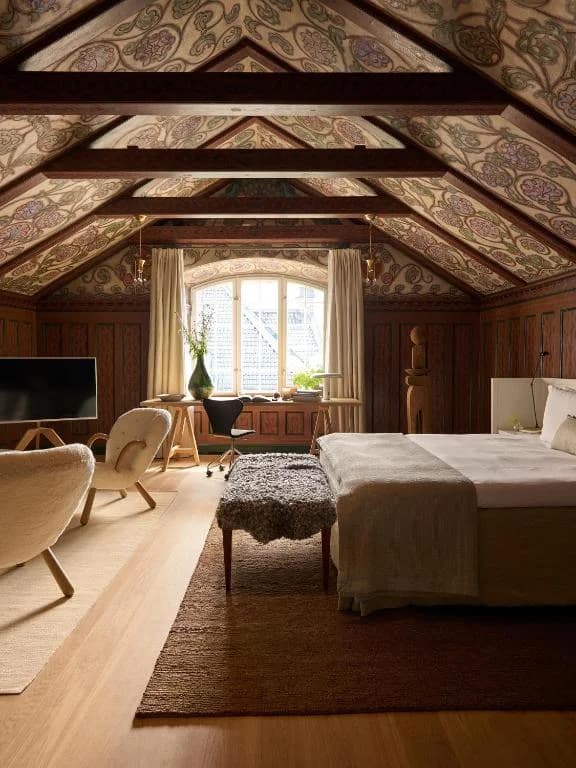
The category of converted historic villa deserves particular attention. Several of the lake's most respected addresses occupy nineteenth-century or early twentieth-century villas whose original owners were figures of European cultural or industrial significance. In these properties, the suite is inseparable from the building's history. Ceiling heights, original furnishings, and the proportions of the rooms are not decorative choices but inherited conditions that no new-build property can replicate.
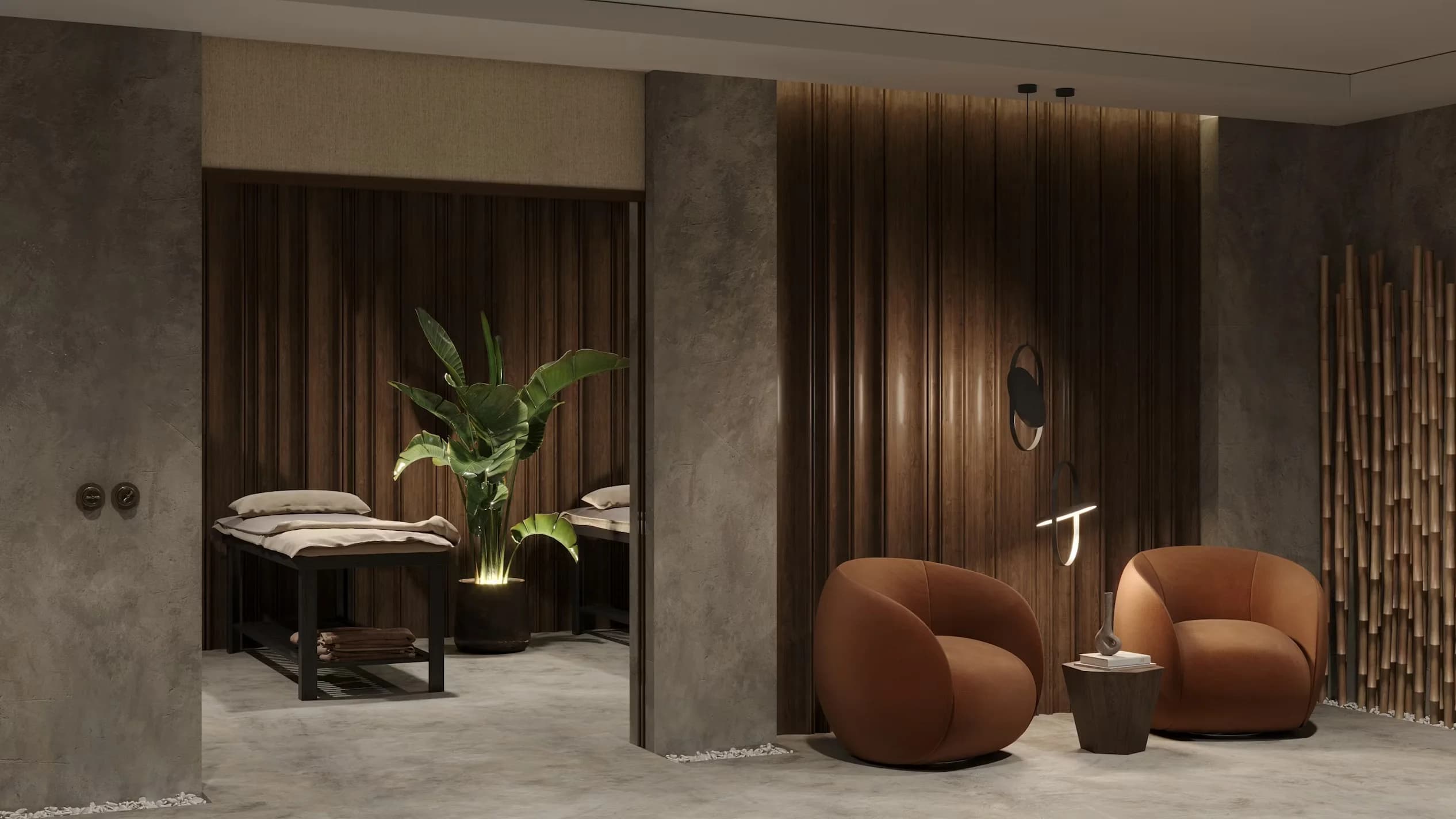
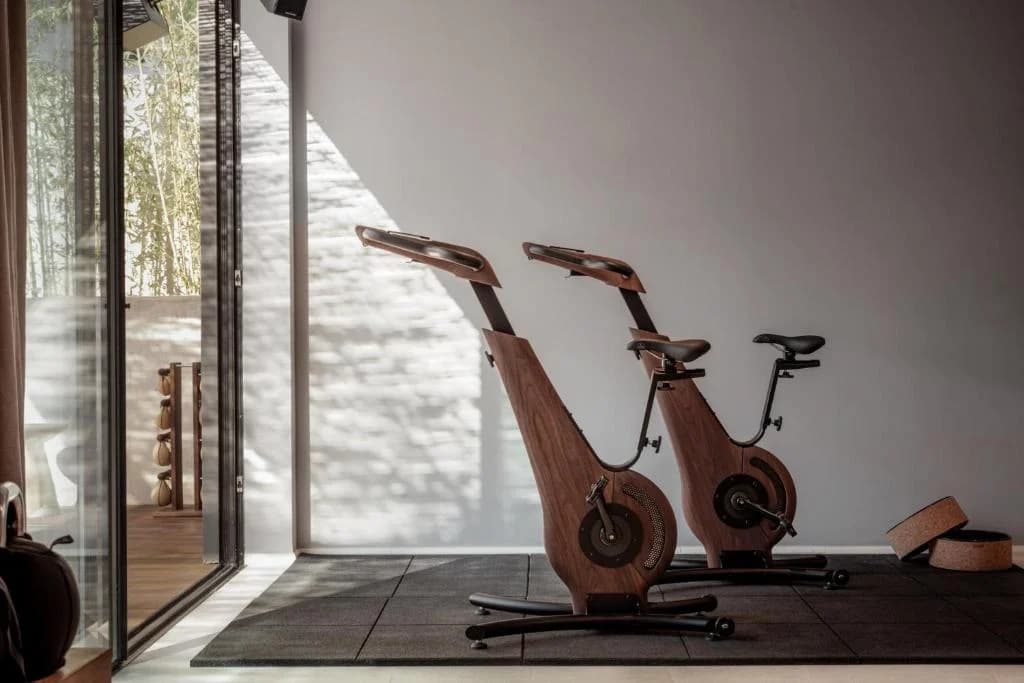
Wellness infrastructure has become a secondary differentiator on the lake, particularly in properties with thermal water access in the Sirmione area. Guests for whom spa quality is a primary consideration should verify whether thermal or mineral water is integral to the property's offering, as this distinction materially affects the experience.
How to choose the best luxury suite at Lake Garda
The first practical question is orientation. Suites facing west receive afternoon and evening light over the water, which is the dominant aesthetic of the lake's classic imagery. East-facing suites receive morning light and often look toward the mountains. Neither is objectively superior; the choice depends on the traveler's daily rhythm and visual priorities.
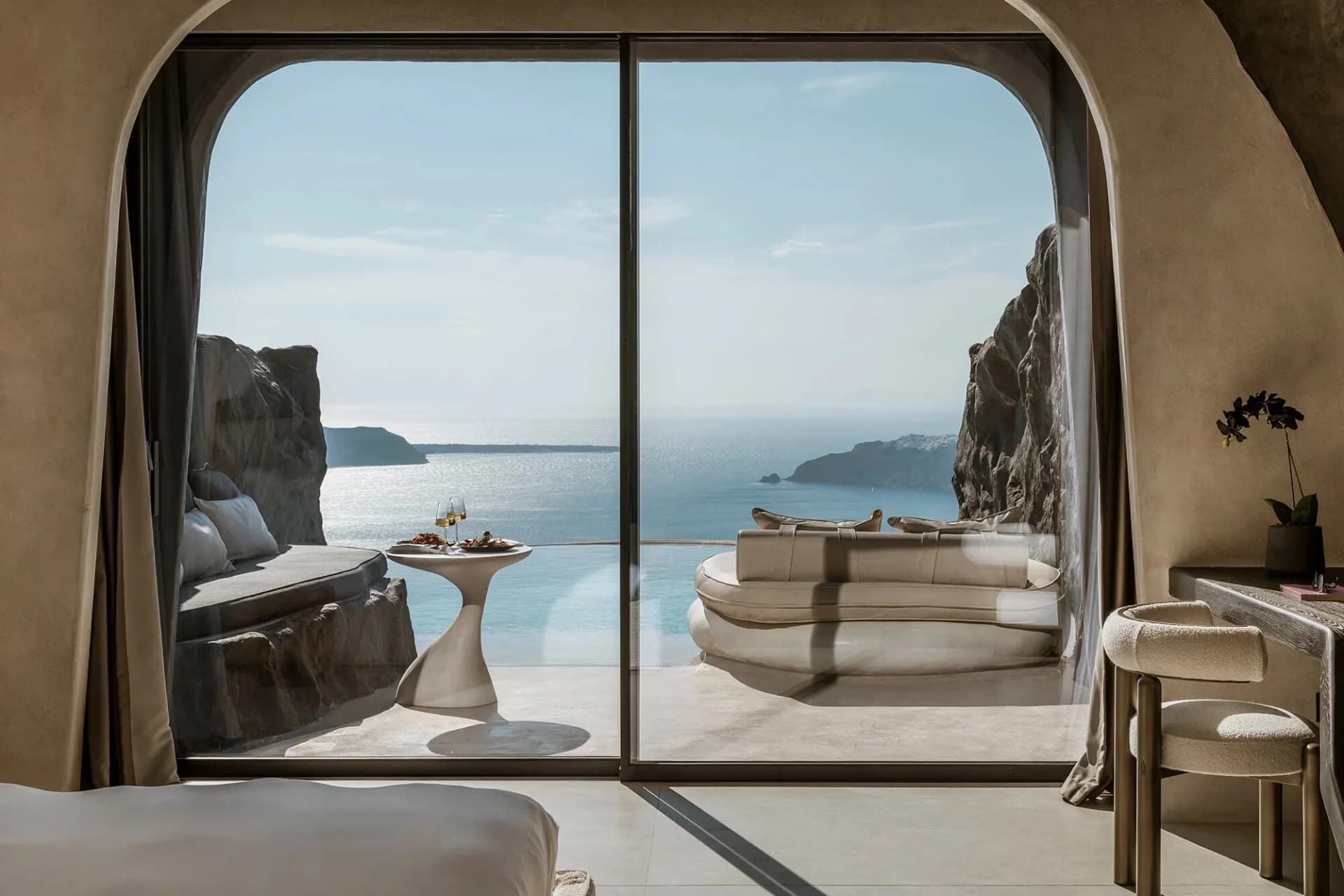
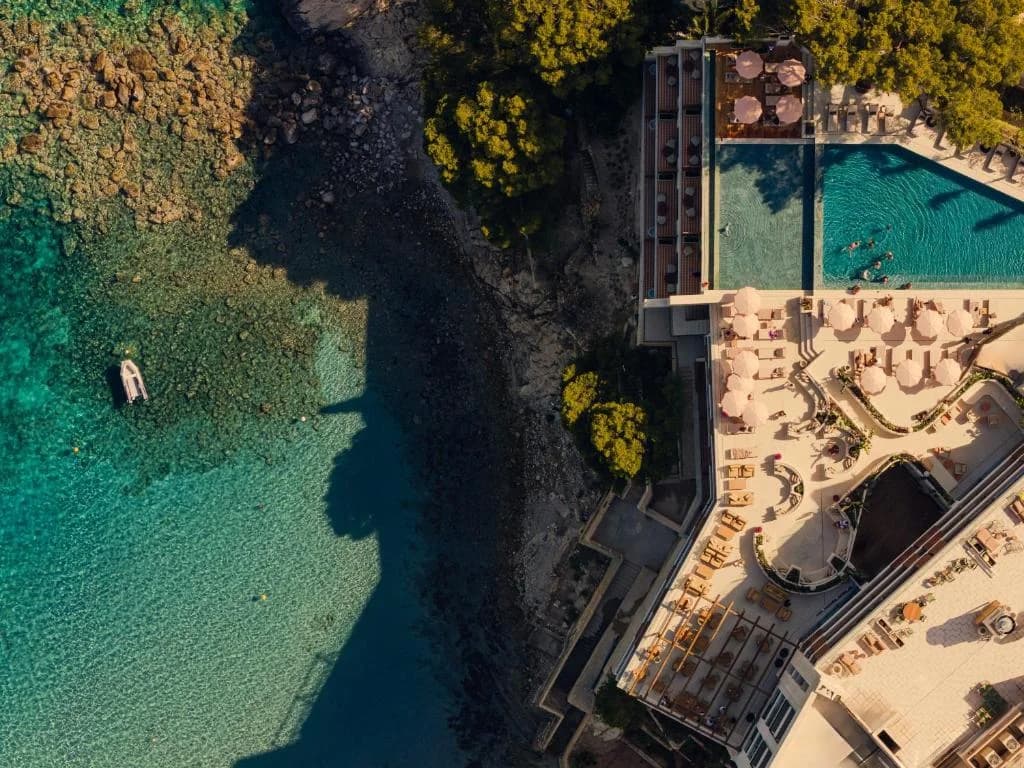
The second question is access to the water. Lake Garda's topography means that some properties sit at road level directly on the shoreline, while others occupy elevated positions above the water with terrace views but no direct lake access. Both configurations have legitimate appeal, but they represent different experiences. Guests who want to move between room and lake without transition should prioritise ground-level or jetty-access properties.
The third consideration is the surrounding context. Some of the lake's finest suites are located within walking distance of small historic centres, allowing cultural engagement without a vehicle. Others are deliberately isolated, structured around privacy and garden space. The choice between social proximity and seclusion is a meaningful one at Lake Garda, where the villages themselves are part of the experience.
Finally, the question of size and configuration matters more here than in many urban destinations. Lake Garda attracts couples, multi-generational families, and small groups traveling together. The availability of connecting suites, private terraces of substantial scale, or garden pavilions with independent access is worth verifying before commitment.
Why curated selection matters at Lake Garda
The lake supports dozens of properties marketing themselves at the luxury tier. The gap between the best and the merely expensive is considerable, and it is not always legible from marketing materials alone. Historic properties with genuine architectural distinction sit alongside recent constructions that have adopted the visual language of Italian lakeside luxury without the underlying substance.
La Suite applies editorial criteria rather than commercial ones to its selection across Lake Garda. The focus is on properties where the suite experience is the primary architectural and operational commitment of the house, not a category added to a broader hotel offering. The curated selection by La Suite exists precisely to make this distinction visible, allowing guests to allocate their attention and investment to properties where the quality is structural rather than cosmetic.