Why Olbia anchors a serious Sardinian itinerary
For guests staying in a luxury hotel suite in or near Olbia, this means access to two distinct registers simultaneously. By day, the Costa Smeralda is thirty minutes north. By evening, the old town's narrow streets and local restaurants offer something more grounded and arguably more memorable. The best luxury suites in this corridor are designed to serve both impulses without compromising on either.
Sardinia as a whole is one of Italy's most architecturally and culturally specific regions. Olbia is where that specificity begins.
The distinct areas worth understanding before you book
The city centre and the bay
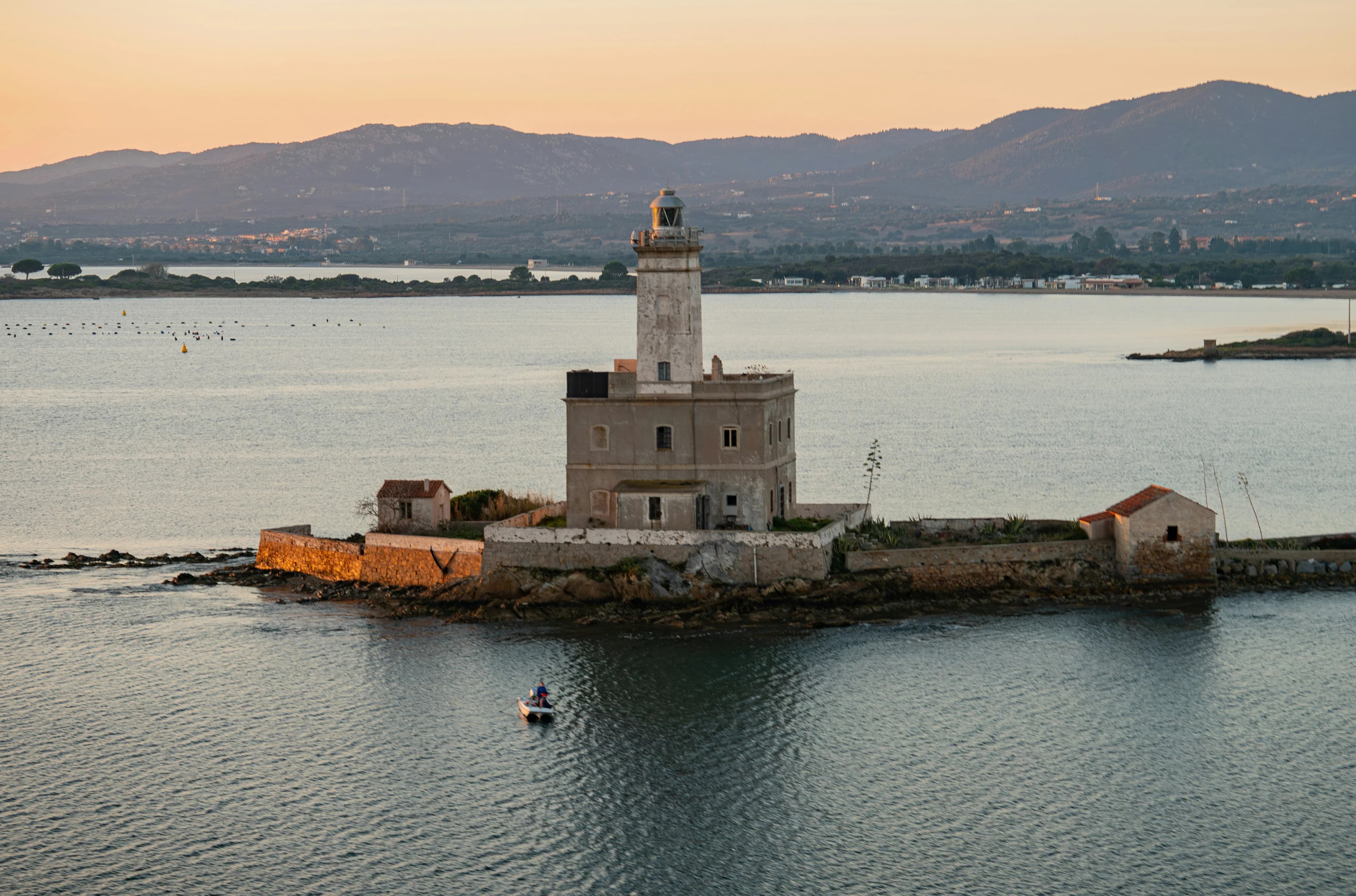
Olbia's centro storico is compact and walkable. The Basilica di San Simplicio, a Romanesque structure dating to the eleventh century, anchors the old town and gives a sense of the city's pre-resort history. The bay, the Golfo di Olbia, is calm and sheltered, making it practical for smaller vessels and appealing to guests who want water access without the social theatre of the main Costa Smeralda marinas.
The coastal corridor toward Porto Cervo
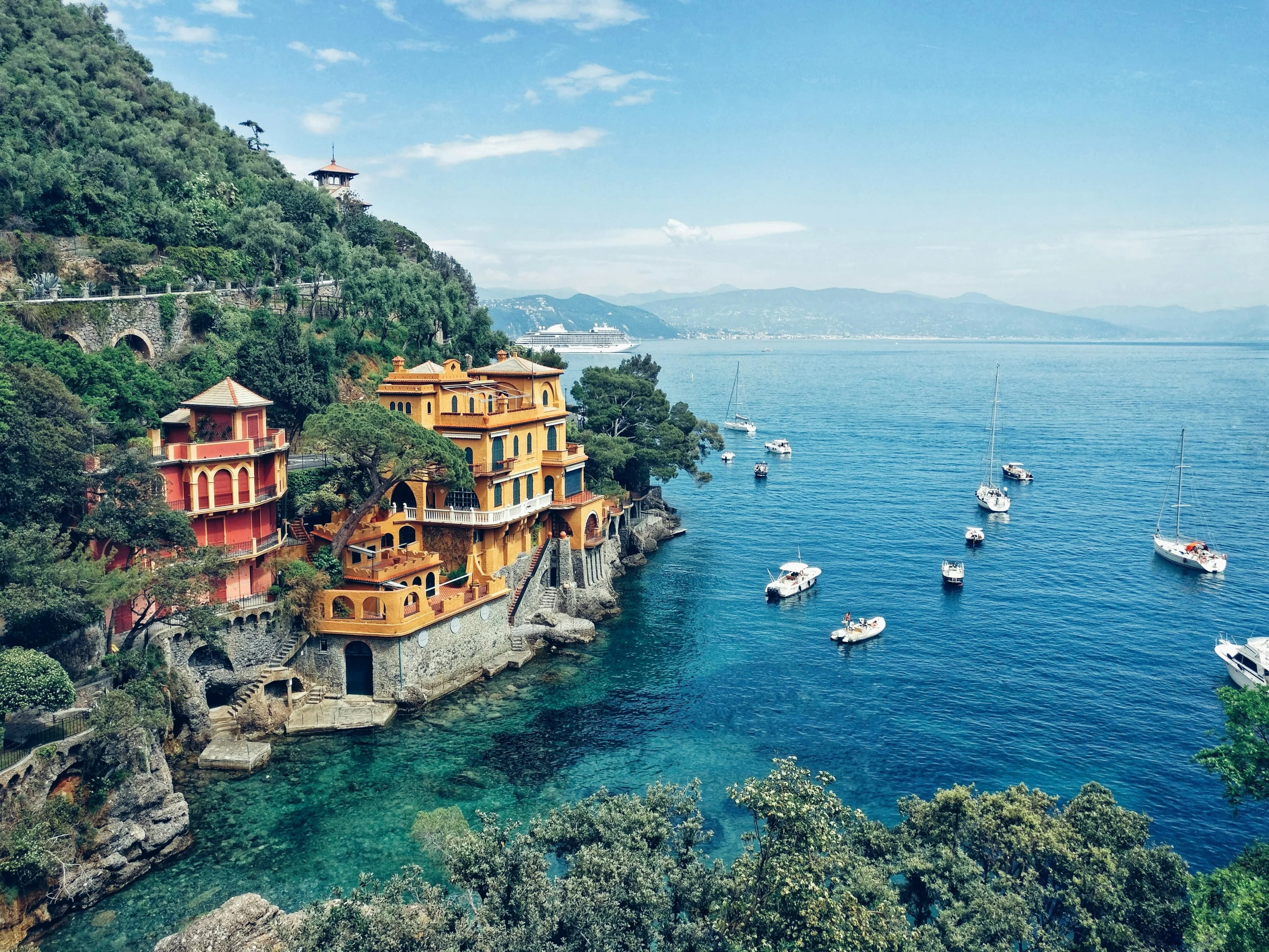
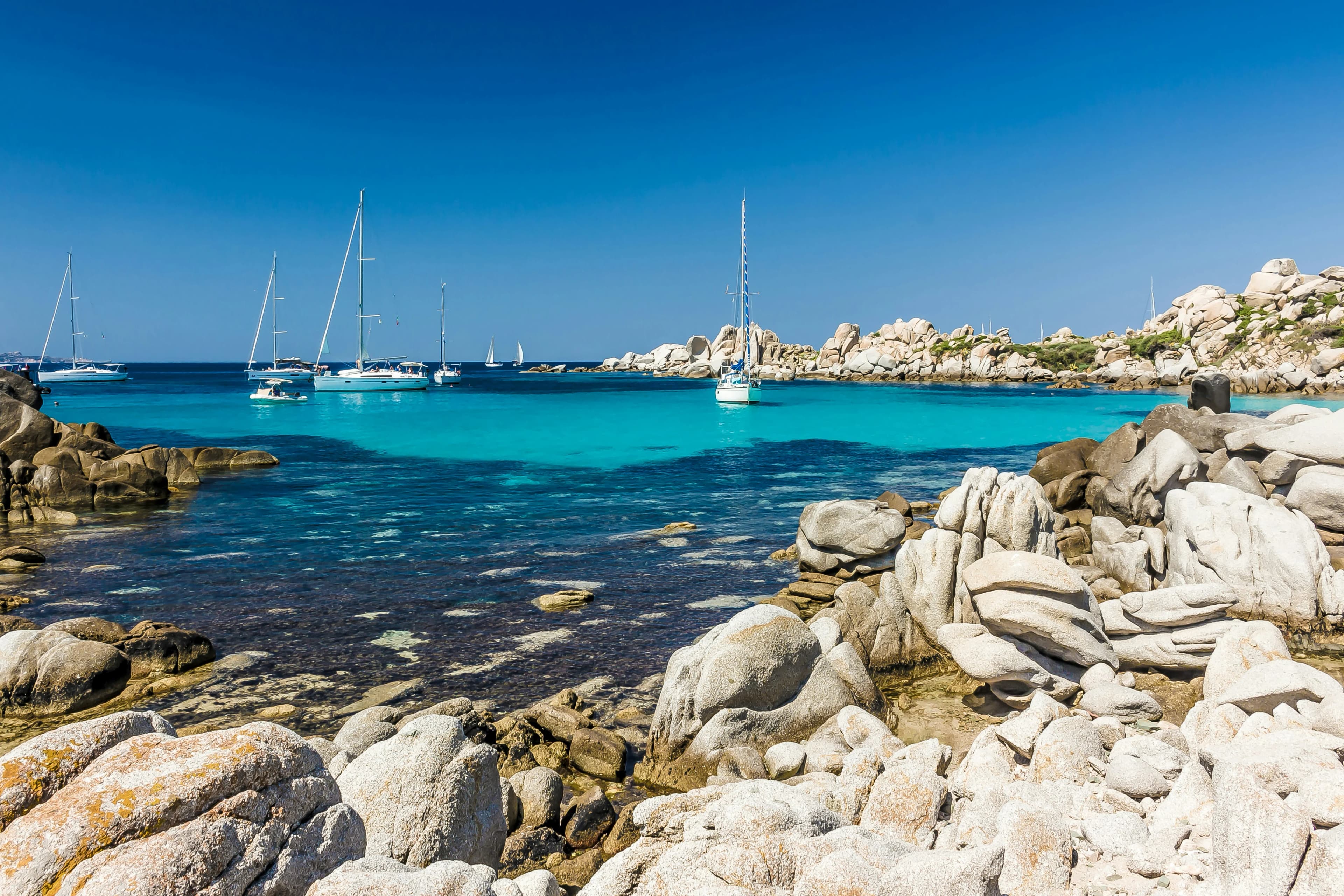
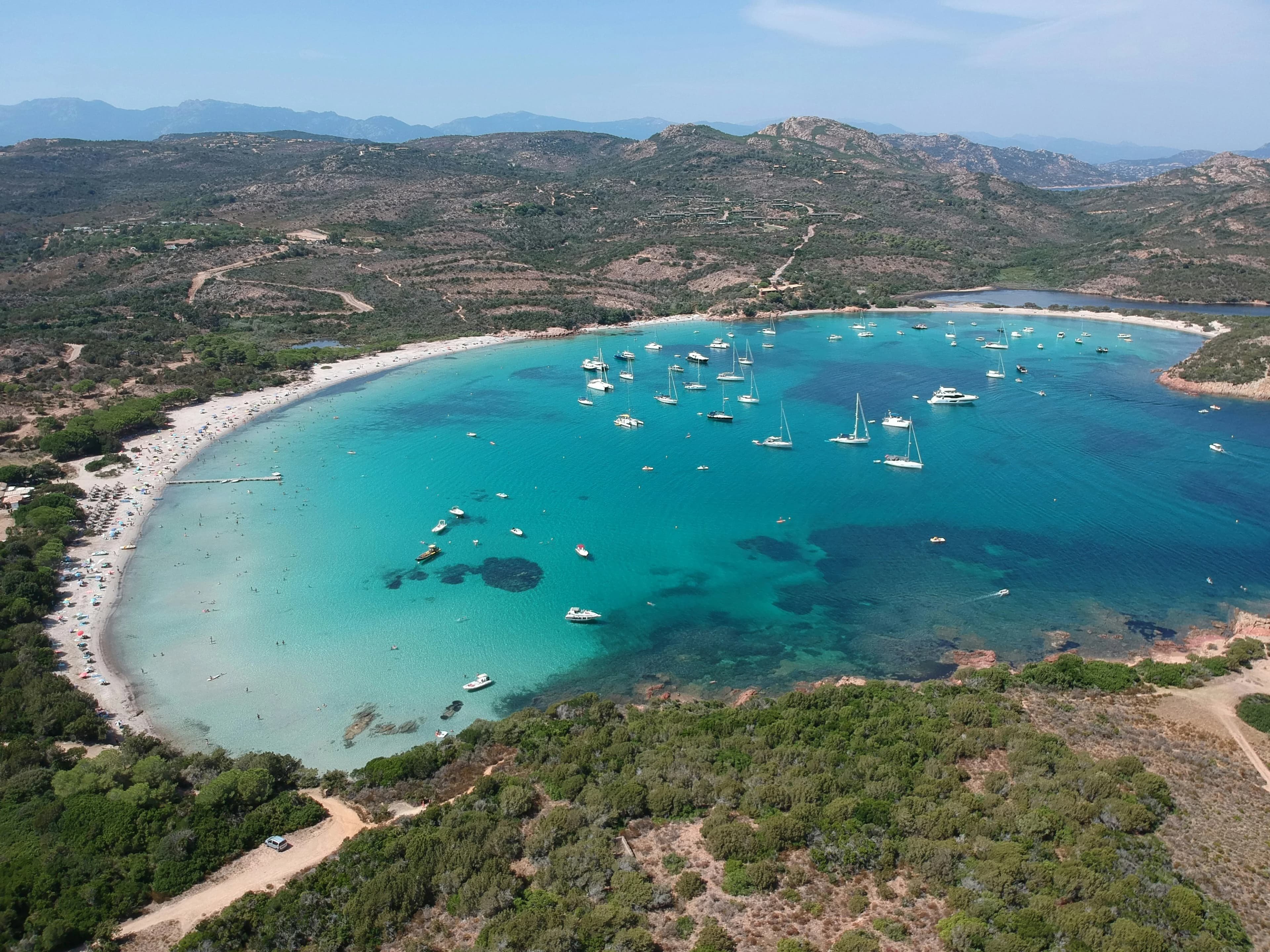
The SS125 road north from Olbia follows the coast through a sequence of bays, coves, and headlands that includes some of the most photographed beaches in the Mediterranean. Baia Sardinia, Cala di Volpe, and the beaches around Capriccioli are all within striking distance. Luxury hotels positioned along this corridor offer proximity to Porto Cervo's commercial infrastructure while maintaining a quieter residential character.
The interior granite plateau
Inland from Olbia, the landscape shifts abruptly. The granite plateau of the Gallura region is rugged, sparsely populated, and intensely aromatic from the macchia mediterranea scrubland. Cork oak forests, rural estates, and traditional agritourism properties occupy this zone. For travelers seeking complete withdrawal from the coastal scene, this interior corridor represents a compelling counterpoint.
When to visit Olbia for a suite stay
The Sardinian season is sharply defined. July and August represent peak demand across every accommodation category. Suite availability at the leading properties narrows significantly during these months, and pricing reflects that compression. Advance booking of three to six months is standard for the best inventory in high summer.
June and September are increasingly preferred by experienced travelers. The light is similar, the sea temperature remains high through September, and the social landscape is considerably less congested. Porto Cervo's marina and retail infrastructure operate at full capacity through mid-September, so the practical losses of visiting outside August are minimal.
May and October occupy a different register entirely. Many coastal properties reduce their offering or close for the season, but those that remain open often provide exceptional value and a qualitatively different atmosphere. The landscape is green in May from winter rains, and October's light is particularly clear and low-angled, flattering the granite coast in ways that the harsh summer sun does not.
There are no major international luxury events anchored specifically in Olbia, but the Rolex Swan Cup, held periodically in Porto Cervo, draws a significant sailing and social crowd that affects accommodation demand across the region.
What luxury hotel standards look like in this part of Sardinia
Italy does not have an official sub-category equivalent to France's Palace designation, but Sardinia has developed its own informal hierarchy of prestige accommodation. The leading properties along the Costa Smeralda corridor were largely developed from the 1960s onward under the influence of the Aga Khan's original Consorzio Costa Smeralda, which imposed strict architectural guidelines: low-profile buildings in local stone, terracotta roofing, and a palette drawn from the natural landscape. This aesthetic discipline has shaped the visual language of luxury in this part of Sardinia in ways that remain visible today.
A luxury suite in this region typically offers private terrace access with sea or garden views, interiors that reference local materials (granite, cork, linen), and direct or close beach access. The best properties manage the tension between architectural restraint and genuine comfort with considerable skill. Air conditioning is standard. Private pools attached to suites are increasingly common at the top tier. Butler service is available at the leading addresses.
What distinguishes Sardinian suite hospitality from the broader Italian context is a certain directness in service culture. It is attentive without being theatrical, local without being folkloric.
How to choose the right suite near Olbia
The first decision is positional. A suite in or immediately adjacent to Olbia city offers urban convenience and easy airport access (Olbia Costa Smeralda Airport is one of the busiest in southern Europe during summer). A suite along the coastal corridor north toward Porto Cervo prioritises beach and water access. An inland property prioritises privacy and landscape immersion.
The second decision concerns architecture. This coastline has two distinct modes: the vernacular-influenced design tradition of the Consorzio era, characterised by organic forms and natural materials, and a more contemporary international idiom that has entered the market in recent decades. Both are valid. The choice depends on whether you are seeking a specifically Sardinian spatial experience or a generically excellent one.
The third consideration is practical: transfer logistics. Olbia airport serves the entire northern Sardinian coast, and the best properties either provide direct transfers or can coordinate them. If your itinerary involves multiple bases, Olbia's central position makes it the logical anchor.
Why curation matters in Olbia's luxury market
The northern Sardinian accommodation market is large, uneven, and in some segments aggressively marketed. The gap between a genuinely exceptional luxury hotel suite and a well-photographed but ultimately disappointing property is significant here, partly because the region's natural beauty is so compelling that it can obscure shortcomings in the built environment.
La Suite applies consistent editorial criteria to every property in its selection: spatial quality, service architecture, design coherence, and the guest experience as a complete system rather than a collection of individual features. In a market where the landscape does much of the marketing work for every property, that discrimination matters more than it might elsewhere.
The curated selection by La Suite for the Olbia corridor reflects properties that have earned their position through measured, repeated assessment rather than reputation alone.