Where to stay in Piedmont wine country
The Langhe and Barolo
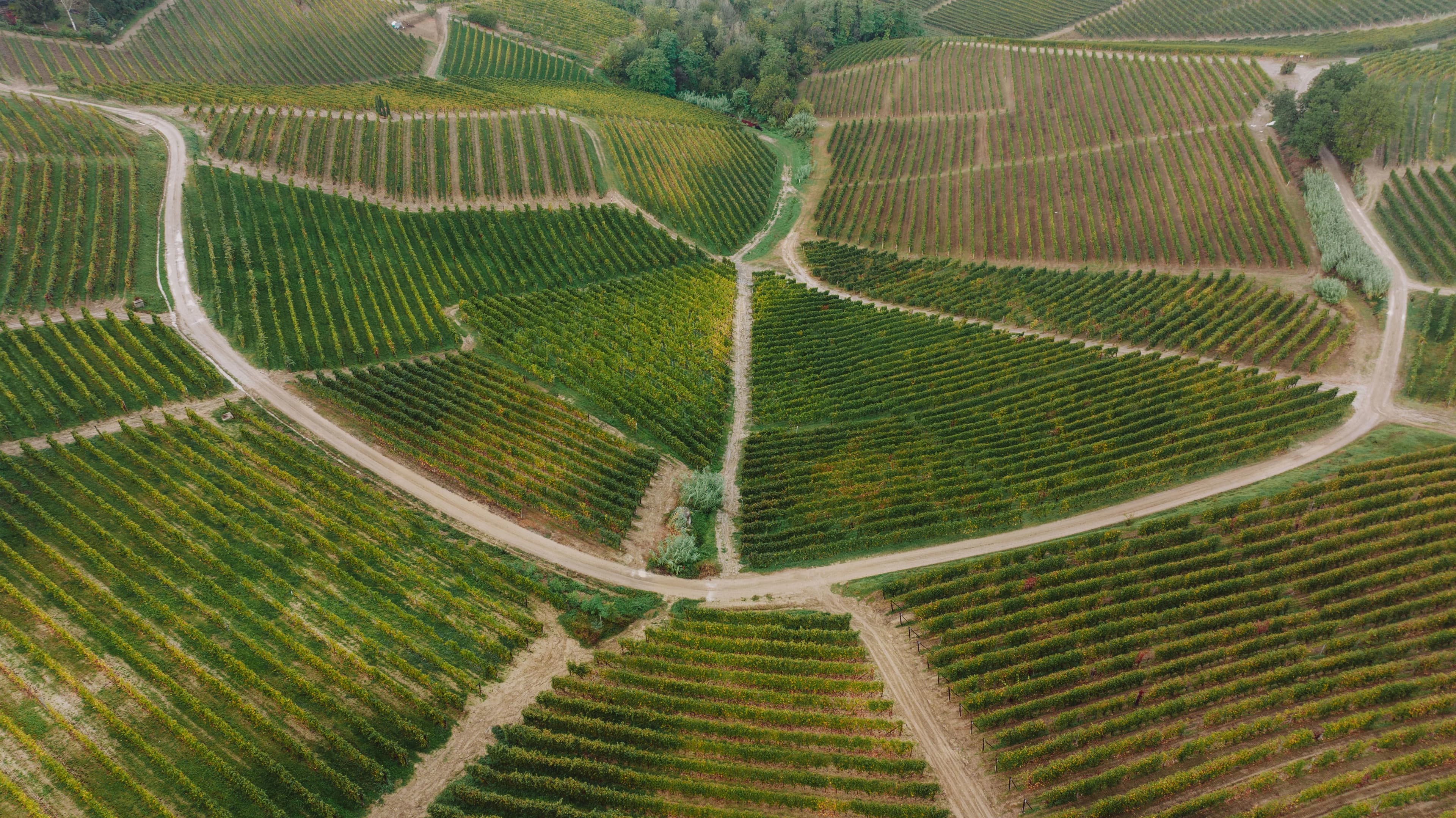
The Langhe is the gravitational centre of Piedmontese wine culture. The villages of Barolo, La Morra, Castiglione Falletto, and Serralunga d'Alba produce Nebbiolo-based wines that command serious international attention. Properties in this zone tend to occupy converted cascine (farmsteads) or historic manor houses positioned on ridge lines with direct vineyard exposure. The aesthetic is sober and agricultural in the best sense: stone, brick, exposed timber, a deliberate restraint that mirrors the landscape's own character. A luxury suite here typically frames the vine rows as a primary visual element.
Barbaresco and the upper Tanaro valley
Barbaresco, the other great Nebbiolo appellation of Piedmont, sits northeast of Alba along the Tanaro river. The terrain is slightly softer here, the villages smaller. The hospitality offer in this zone is more selective, which suits a traveller seeking genuine privacy. Properties here are often family-operated and positioned within working wine estates, giving guests direct access to cellar culture without theatrical packaging.
Monferrato and Asti
The Monferrato hills extend east toward Asti and into Alessandria province. This is Barbera and Moscato territory: a more relaxed, pastoral register. The luxury offer here skews toward restored noble residences and small palazzo hotels. The proximity to Turin, accessible in under an hour, adds an urban cultural dimension that some travellers require.
Verduno and the Alta Langa
The Alta Langa, rising south toward the Ligurian Apennines, is less visited and correspondingly more remote. Hazelnut groves replace vineyards at higher altitudes. For the traveller who values isolation as a form of luxury, this fringe territory offers properties with a quality of silence that more trafficked zones cannot replicate.
When to visit Piedmont wine country
Piedmont operates on a clear seasonal logic that directly affects both the character of a stay and the availability of exceptional suites.
Autumn is the defining season. From late September through November, the harvest transforms the landscape into a precise study in amber, ochre and rust. The white truffle season in Alba runs from October to December, bringing serious gastronomes from across Europe and driving demand for the best suites to its annual peak. The Fiera del Tartufo di Alba, held across several weekends in October and November, is a cultural event with genuine weight. Booking well in advance for autumn travel is not optional at this level of hospitality.
Spring, particularly April and May, offers a quieter and often more nuanced version of the region. The vineyards are in early growth, the hills are green rather than gold, and the crowds are substantially thinner. Cellar visits and tasting appointments are easier to arrange. Suite rates, while still significant, may reflect the softer demand.
Summer in Piedmont is warm but not excessive in the hills. July and August attract Italian domestic tourism, particularly to Asti and the Monferrato, but the Langhe retains a more measured pace. The Collisioni festival, typically held in summer in Barolo, brings a contemporary cultural dimension to the village.
Winter, from December to February, is cold and often foggy. The landscape takes on a graphic quality that some find compelling. The truffle season has concluded, but the cellar culture continues. This is a season for travellers who prioritise access and solitude over spectacle.
Understanding luxury standards in Piedmont wine country
Italy does not apply the French Palace designation to its properties. The reference framework for top-tier Italian hotels is the five-star superior category, which in practice covers a wide range of quality. In Piedmont, the most meaningful signals of genuine luxury come from sources other than official star ratings.
The Relais and Chateaux affiliation carries weight in this region, as does membership in the Small Luxury Hotels of the World collection. Several of the most respected properties are wine estates that have invested deliberately in hospitality infrastructure: private cellars, dedicated sommelier services, direct vineyard access, and kitchens sourcing truffles, hazelnuts, and Fassona beef from immediate agricultural proximity.
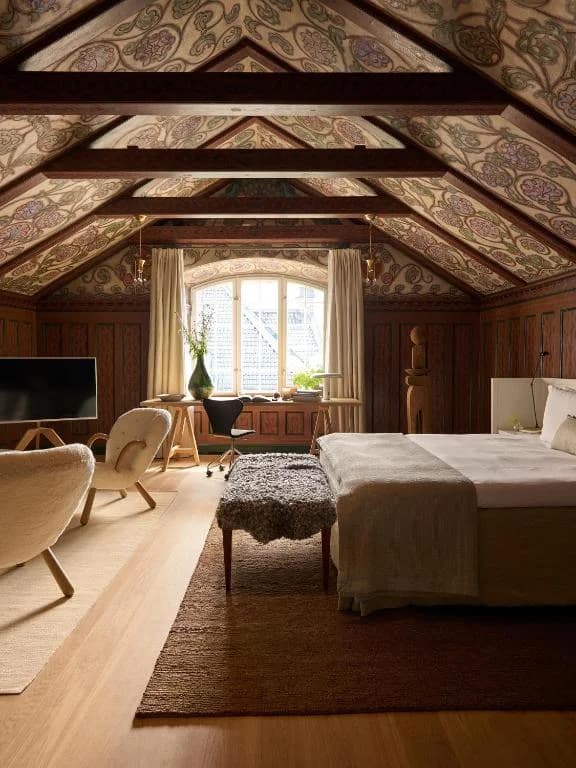
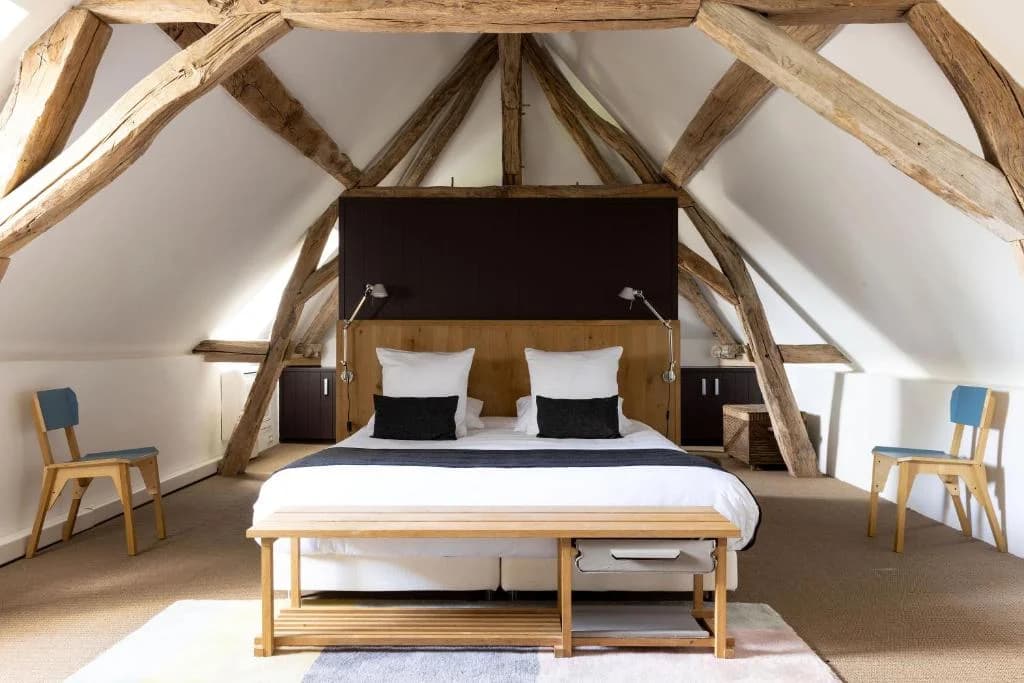
A top-tier luxury suite in the Langhe will typically combine architectural restoration of historic fabric with contemporary comfort standards: climate control calibrated to the building's age, bathrooms with soaking tubs positioned to capture the view, linens from established Italian textile houses. The property-to-guest ratio is often extremely low, which is itself a form of luxury in a region where the best estates rarely exceed twenty rooms.
How to choose the best luxury suite in Piedmont wine country
Several practical considerations apply specifically to this territory.
First, position and orientation matter considerably. A suite facing east across the Barolo crus captures morning light over the vineyards in a way that a courtyard-facing room does not. At properties built on slopes, upper-floor suites can offer a panoramic reading of the landscape that fundamentally changes the quality of the stay.
Second, the question of historical architecture versus new build. Piedmont has a significant stock of noble residences, monastery conversions, and agricultural estates that have been restored to hospitality use. These properties carry a material history that informs the atmosphere of the suite itself. New construction exists but is less common and requires careful evaluation: the best examples integrate contemporary design with the agricultural vernacular rather than ignoring it.
Third, access to gastronomy. Piedmont holds more Michelin stars per square kilometre than almost any rural region in Europe. When choosing a suite, consider whether the property has a serious kitchen or a meaningful arrangement with local restaurants. Some estates offer private dining in the cellar as a standard suite experience. This distinction is worth investigating before arrival.
Fourth, transport. The region is best navigated by car. Truffle markets, wine estates, and the historic centre of Alba are dispersed across a landscape that rewards independent movement. A property with a car service or dedicated driver relationships is a meaningful practical advantage.
Why curation matters in Piedmont wine country
The Piedmontese luxury hotel market is not large. There are perhaps twenty to thirty properties in the entire region that meet the criteria a serious traveller would apply. Within that number, the range of quality, character, and positioning is significant. Some excel in wine programming but have invested less in the suite experience itself. Others have exceptional rooms but a gastronomy offer that falls short of what the territory demands.
The curated selection by La Suite addresses this directly. Rather than presenting every five-star property in the region, La Suite identifies the properties where the suite experience, the territorial identity, and the service architecture align into something coherent. For a destination as specific and as demanding as Piedmont wine country, this distinction is not incidental. It is the entire point.