Best areas to stay on the Tuscan Coast
Monte Argentario
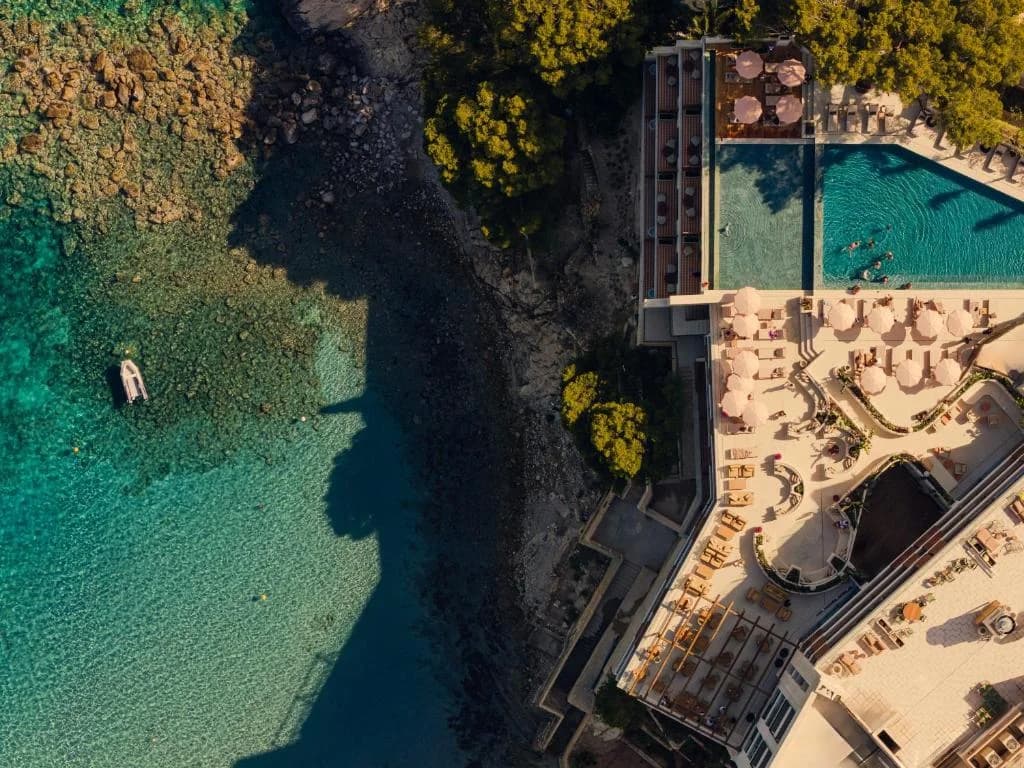
Argentario is a promontory connected to the mainland by two thin strips of land, the tomboli, which enclose the Orbetello lagoon. Porto Ercole and Porto Santo Stefano are its two principal towns. The former has historically attracted a more international and artistically inclined clientele, while the latter functions as a working port with a refined social overlay. Properties here tend toward the discreet: converted villas, boutique structures built into cliff faces, and terraced hotels with unobstructed views of the Tyrrhenian. This is one of the few coastal areas in Italy where the density of luxury hotels remains genuinely low, which preserves the atmosphere that draws the right traveler in the first place.
The Maremma
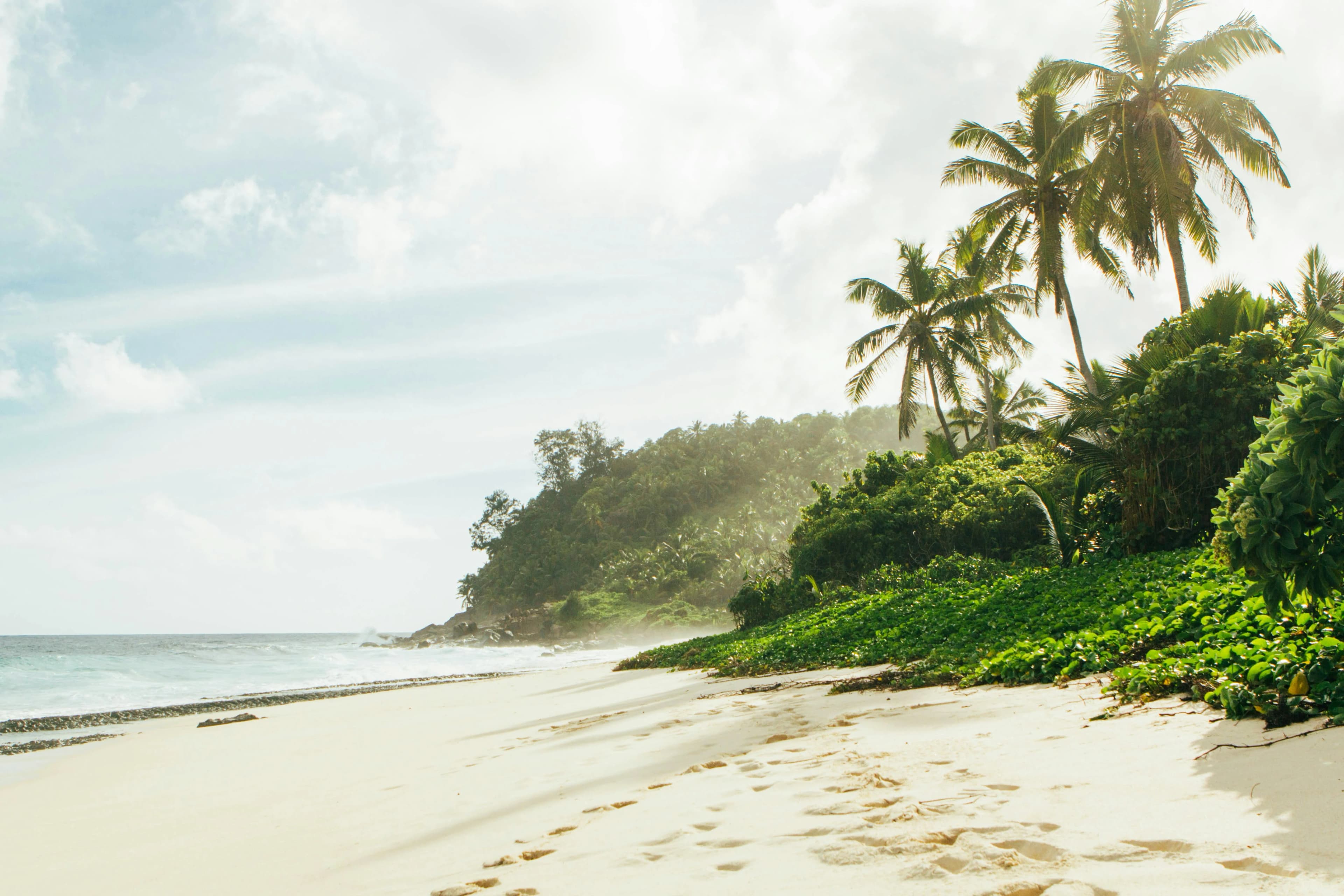
The Maremma stretches from the province of Grosseto southward and was historically considered wild, malarial, and peripheral. That reputation has entirely inverted. The area now hosts some of the most architecturally serious rural luxury properties in Italy, many of them set within private agricultural estates producing olive oil and wine under DOC and DOCG designations. Coastal access here is different from Argentario: longer beaches, pine-backed dunes, and a sense of horizontal scale. A luxury suite in the Maremma typically comes with estate grounds, direct beach access, or both. The register is agricultural luxury rather than resort luxury, a meaningful distinction for travelers who find the latter too performative.
Elba and the Tuscan Archipelago
Elba is the largest island in the Tuscan Archipelago and the third-largest island in Italy. Its terrain is mountainous, its coastline irregular, and its history dense, marked most famously by Napoleon's exile there in 1814. For the luxury traveler, Elba offers something increasingly rare: coastal Italy without the seasonal overcrowding of better-known destinations. The island's smaller sister, Giglio, is even more withdrawn from mass tourism and has a correspondingly limited but carefully positioned hospitality offer. Reaching either island requires a ferry crossing, which functions as a natural filter on who makes the journey.
When to visit the Tuscan Coast
The coastal season officially runs from May through September, but within that window the quality of the experience varies considerably. June and early September represent the most considered choice for travelers prioritizing both climate and availability. The sea temperature along this stretch of coastline reaches comfortable swimming conditions by late May and remains warm well into October in most years.
July and August concentrate Italian domestic tourism, the sailing community, and European summer travelers into a compressed window. High-end suites along Argentario are typically reserved months in advance for these weeks, and the social atmosphere of Porto Santo Stefano in particular becomes considerably more animated. For travelers who prefer the coast in a more composed state, the shoulder months offer better suite availability, more responsive service ratios, and the same quality of light that makes the Maremma and Argentario photographically and aesthetically distinct.
Autumn on the Tuscan Coast extends the agrarian dimension of the experience. The Maremma's estates move into olive harvest season from October onward, and certain properties offer access to that process as part of the stay. Winter closures are common among smaller boutique hotels, though some properties on Argentario and larger hotels on Elba operate year-round at reduced capacity.
Local luxury standards on the Tuscan Coast
Italy does not have an official national equivalent of the French Palace designation, which was introduced by Atout France and applies specific criteria around architecture, service languages, and amenity standards. Italian luxury classification remains primarily within the five-star and five-star superior framework, which means the difference between an adequate five-star property and an exceptional one is not immediately legible from the rating alone.
On the Tuscan Coast, the most meaningful indicators of genuine quality are often structural rather than starred. A property converted from a historic villa or tower with original architectural fabric retained, direct private beach access without shared infrastructure, a kitchen sourcing from its own estate or from named producers in the Maremma, and a staff-to-room ratio that allows for personalized rather than scripted service: these are the markers that separate the genuinely considered property from the aspirationally branded one.
The concept of the Relais, widely used in Tuscany, signals a property that operates more as a private residence than a hotel in the conventional sense. This typically implies fewer rooms, longer average stays, and a higher degree of integration between the physical environment and the hospitality offer. Many of the most respected properties on the Tuscan Coast fall into this category rather than the conventional resort structure.
How to choose the best suite on the Tuscan Coast
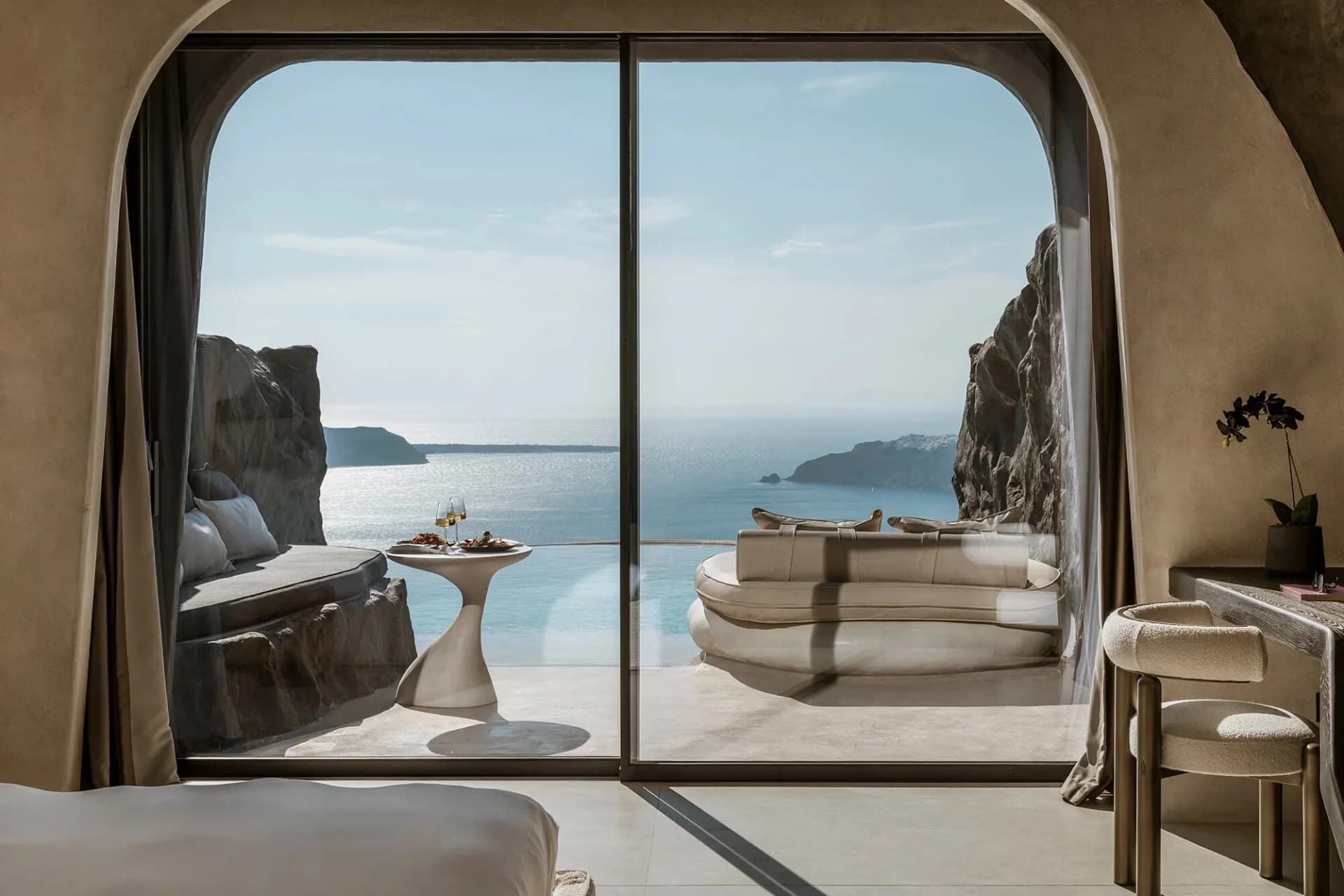
The most important variable on the Tuscan Coast is the relationship between the suite and the sea. Unlike the Amalfi Coast, where proximity to the water is almost universal, properties on the Tuscan Coast vary significantly in their orientation. Some sit directly above private coves, others are set within agricultural estates that require a short drive to reach the nearest beach. Neither configuration is inherently superior, but the distinction matters for how you structure the rhythm of your days.
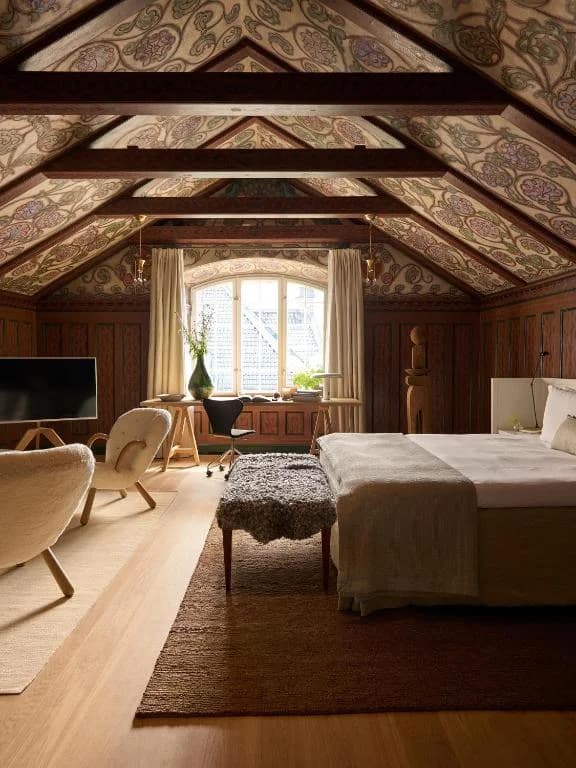
Architectural character is the second variable. The Tuscan Coast has fewer grand hotel structures in the belle epoque or modernist tradition than, say, the Ligurian Riviera. What it offers instead are converted defensive towers, restructured fisherman's houses elevated to suite standard, and contemporary villas built into granite outcrops. Travelers who prioritize historical texture should focus on Argentario and the older estates of the inland Maremma. Those who prefer a cleaner architectural line and modern material finishes will find more options on Elba and in the newer developments along the Grosseto coast.
Privacy is a legitimate luxury consideration on this coast. Unlike properties on the Amalfi or Cinque Terre, where terraced geography limits acoustic separation between guests, several Tuscan Coast properties offer suites with genuinely independent access, private terraces without sightlines to neighboring units, and direct sea or garden access that does not route through shared public areas. Requesting this information specifically, rather than relying on category descriptions alone, is advisable.
Why curation matters on the Tuscan Coast
The Tuscan Coast's hospitality offer is deliberately understated and, as a consequence, harder to navigate than more commercially developed coastlines. Properties here rarely invest heavily in marketing infrastructure, which means the finest suites in the region are often invisible to the conventional search process. A curated selection by La Suite addresses this directly.
La Suite approaches this coastline as an editorial rather than a transactional problem. The selection prioritizes properties where the suite itself, its architecture, its orientation, its material quality, and its relationship to the surrounding landscape, justifies the category. Properties that trade primarily on brand recognition or star denomination without delivering a correspondingly considered physical experience are excluded.
For travelers making a significant investment of time and resources in a stay on the Tuscan Coast, the difference between an informed selection and a default booking is often the difference between a stay that compounds over time in memory and one that simply passes. La Suite exists to make that distinction legible before arrival, not after.