What defines Museumkwartier as a luxury base in Amsterdam
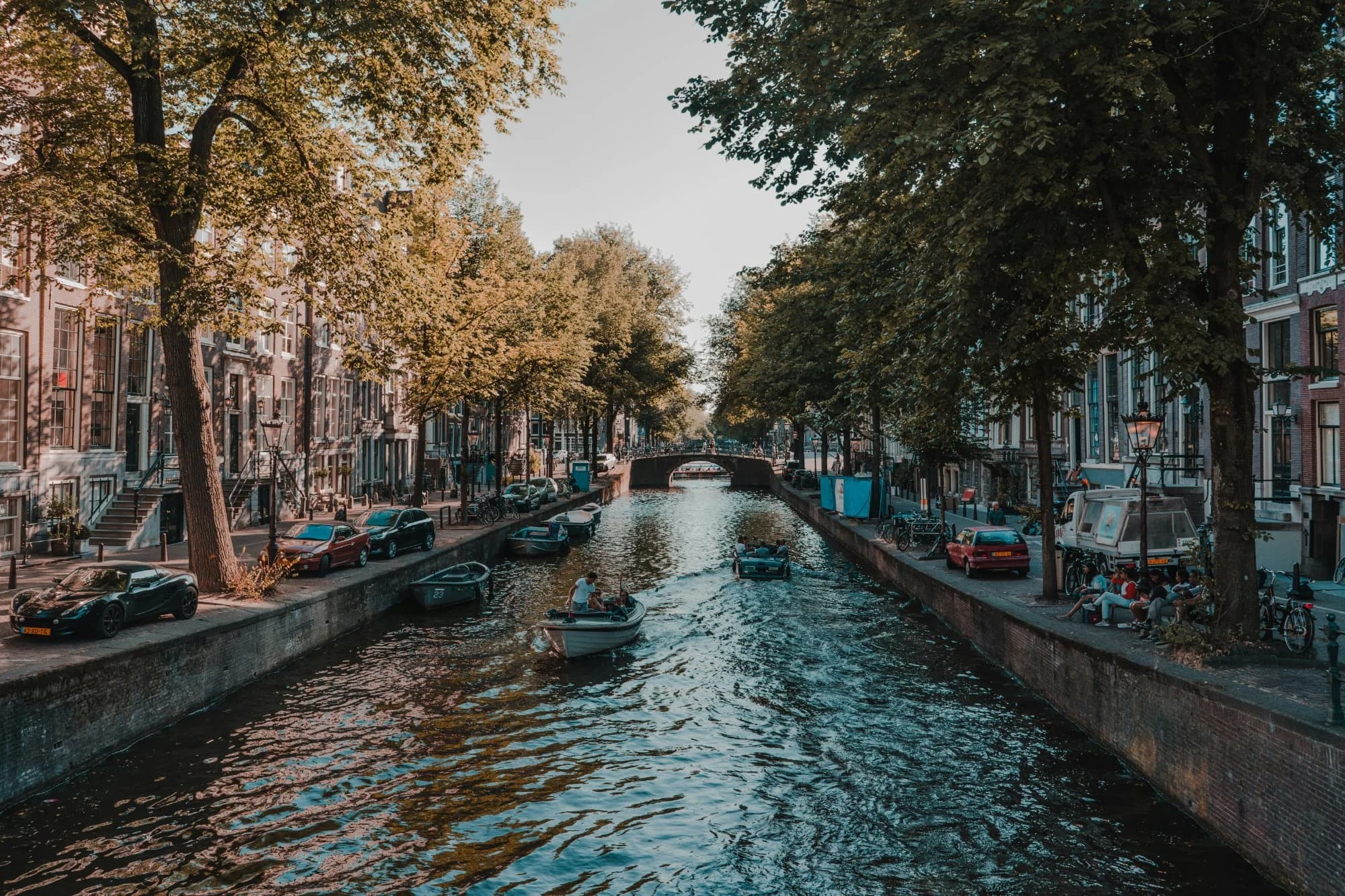
For the traveller selecting a luxury hotel suite in Amsterdam, this quarter offers something the city centre does not: spatial calm combined with cultural density. The Rijksmuseum alone holds over eight thousand objects on permanent display. The Royal Concertgebouw, rated consistently among the world's finest concert halls for its acoustics, sits at the quarter's southern edge. Choosing to base yourself here is a deliberate decision about how you want to experience the city.
The distinct areas within and around Museumkwartier
The museum strip
The corridor running from the Rijksmuseum through Museumplein to the Stedelijk Museum is the quarter's spine. Properties within direct reach of this axis place guests at the intersection of the city's most significant public spaces. Museumplein itself functions as an informal civic square, used for open-air events in summer and ice skating in winter, without ever losing the composed quality that the surrounding architecture enforces.
Vondelpark perimeter
The western edge of Museumkwartier borders Vondelpark, Amsterdam's principal green space and a formally designed 19th-century landscape. Suites with park-facing orientations in this zone offer a rare combination: urban proximity and visual relief. The park's 47 hectares include a rose garden, an open-air theatre, and a series of ponds that give the neighbourhood a texture unusual for a capital city of this density.
P.C. Hooftstraat and the luxury retail corridor
Running perpendicular to the museum axis, P.C. Hooftstraat concentrates the highest tier of international retail in the Netherlands. Hermès, Chanel, Porsche Design, and comparable addresses occupy this street in a format that is more considered than many equivalent European retail strips: the scale is pedestrian, the buildings maintain their original proportions, and the commercial pressure does not overwhelm the residential character of adjacent streets. For guests staying in the quarter, this corridor is an extension of the suite rather than a separate expedition.
When to stay in Museumkwartier
Amsterdam's shoulder seasons, April through May and September through October, offer the most balanced conditions for a stay in Museumkwartier. Spring brings the tulip season to the surrounding region, and the city's cultural calendar operates at full intensity without the compression of peak summer. Museum queues remain manageable, suite availability is stronger, and the light in this part of the city, at those latitudes in spring, has a quality that painters have documented for four centuries.
The Concertgebouw's main season runs from September to June, with the Amsterdam Dance Event and the International Documentary Film Festival anchoring October and November respectively. For guests whose visit is organised around a specific cultural event, booking a luxury suite in Museumkwartier during these periods requires lead time: the quarter's limited number of high-specification properties fills ahead of major programming.
Summer, from June to August, sees the highest visitor volumes across Europe, and Amsterdam is not an exception. Museumplein hosts outdoor events, and the park perimeter becomes significantly more active. Travellers who prefer the quarter at its most composed should weight their visit toward spring or early autumn.
Local luxury standards: what to expect from top-tier suites here
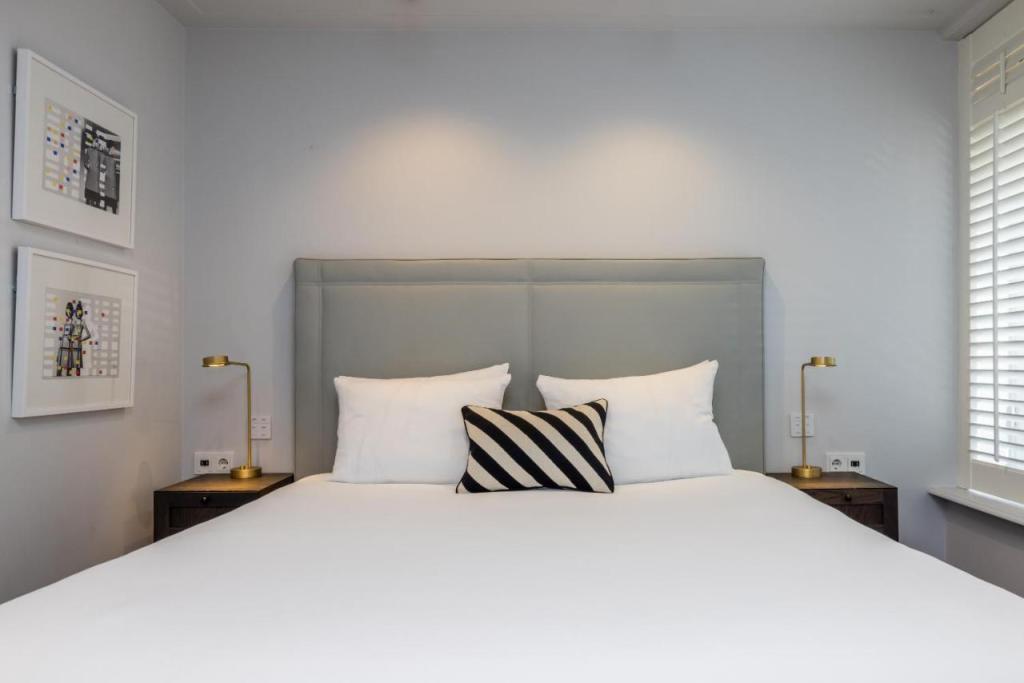
The Netherlands does not operate a formal palace designation in the manner of France, but Amsterdam's leading luxury hotel properties in and around Museumkwartier are characterised by a specific set of qualities: canal-house proportions translated into contemporary interiors, a restraint in decoration that reflects Dutch design culture, and a service approach that is precise without formality for its own sake.
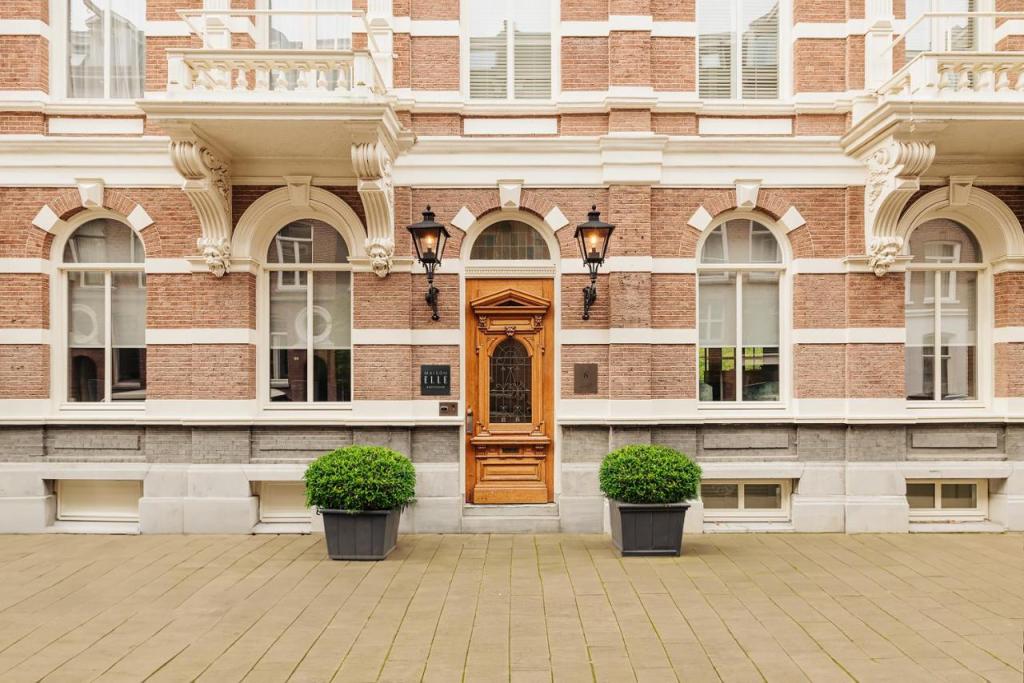
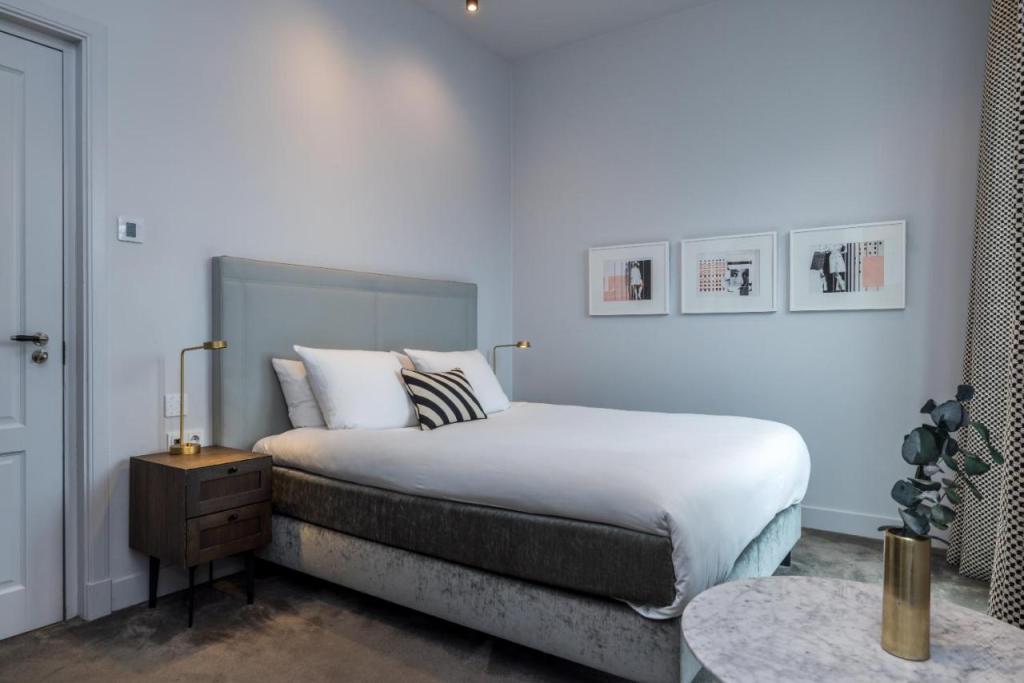
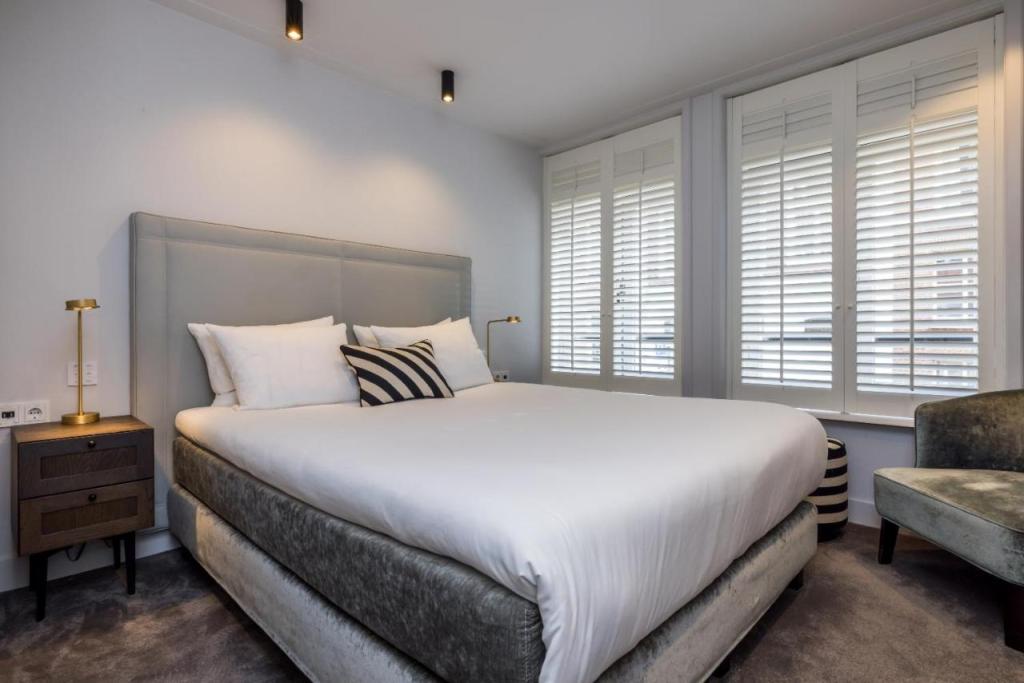
The finest luxury hotel suites in this quarter tend to occupy converted 19th-century buildings or purpose-built properties that respect the neighbourhood's scale restrictions. Ceiling heights, natural light management, and the relationship between interior volume and the street outside are given more attention here than in hotel districts built for pure commercial throughput. Guests should expect curated art collections, locally sourced materials, and a general preference for quality of specification over decorative excess.
The Dutch hospitality tradition values directness and function. Service in the best properties reflects this: knowledgeable, efficient, without the performance that characterises some equivalent luxury hotel environments in southern Europe or the Gulf.
How to choose the right luxury suite in Museumkwartier
The primary decision for a suite in this neighbourhood is orientation and proximity. A suite facing Museumplein delivers one kind of stay. A suite above Vondelpark delivers another. Both are correct choices depending on what the visit is built around. Travellers prioritising the museum programme benefit from direct access to Museumplein. Those visiting for longer periods, or combining work with leisure, may find the park perimeter offers a more sustainable rhythm.
Floor level matters more in Amsterdam than in many European cities because the canal-house building typology places the most considered spaces on upper floors, where ceiling proportions increase and street-level noise diminishes. In properties that occupy former private residences or institutional buildings, the suite position within the building often determines the quality of the experience more than the category designation alone.
Guests should also consider the connectivity question. Museumkwartier is bicycle-accessible across the entire city, and Amsterdam's tram network links the quarter to the central station and the eastern harbour district efficiently. A car is not necessary and is actively inconvenient in this part of the city. Properties with strong concierge infrastructure can arrange private transfers, cycle hire, and museum access coordination that removes the logistical friction that self-organised visits often encounter.
Why a curated selection by La Suite matters in this neighbourhood
Museumkwartier has a limited inventory of properties that genuinely meet the standard the address suggests. The neighbourhood's desirability has attracted a range of accommodation, but the gap between a well-located boutique hotel and a properly specified luxury suite is significant in a district where the clientele includes serious collectors, cultural professionals, and executive travellers on extended visits.
La Suite's curation focuses on the specific criteria that distinguish a suite worth choosing in this context: spatial quality, light conditions, service infrastructure, and the degree to which the property understands and serves the cultural profile of the quarter. In a neighbourhood where the Rijksmuseum and the Concertgebouw set the standard for what a curated experience means, the accommodation should meet the same expectation. The La Suite selection for Museumkwartier is built on that premise.