Where to stay in Alentejo: the distinct areas for luxury suites
The Upper Alentejo (Alto Alentejo) extends north from Évora, the region's principal city and a UNESCO World Heritage site. This is a zone of Roman temples, Moorish fortifications, and whitewashed villages perched on granite outcrops. Properties here tend to occupy historic manor houses and quintas that have been carefully restored, preserving original stone walls, painted tiles, and courtyard proportions. The experience is one of deep historical density, where a suite may look out over vineyard rows that have been cultivated for centuries.
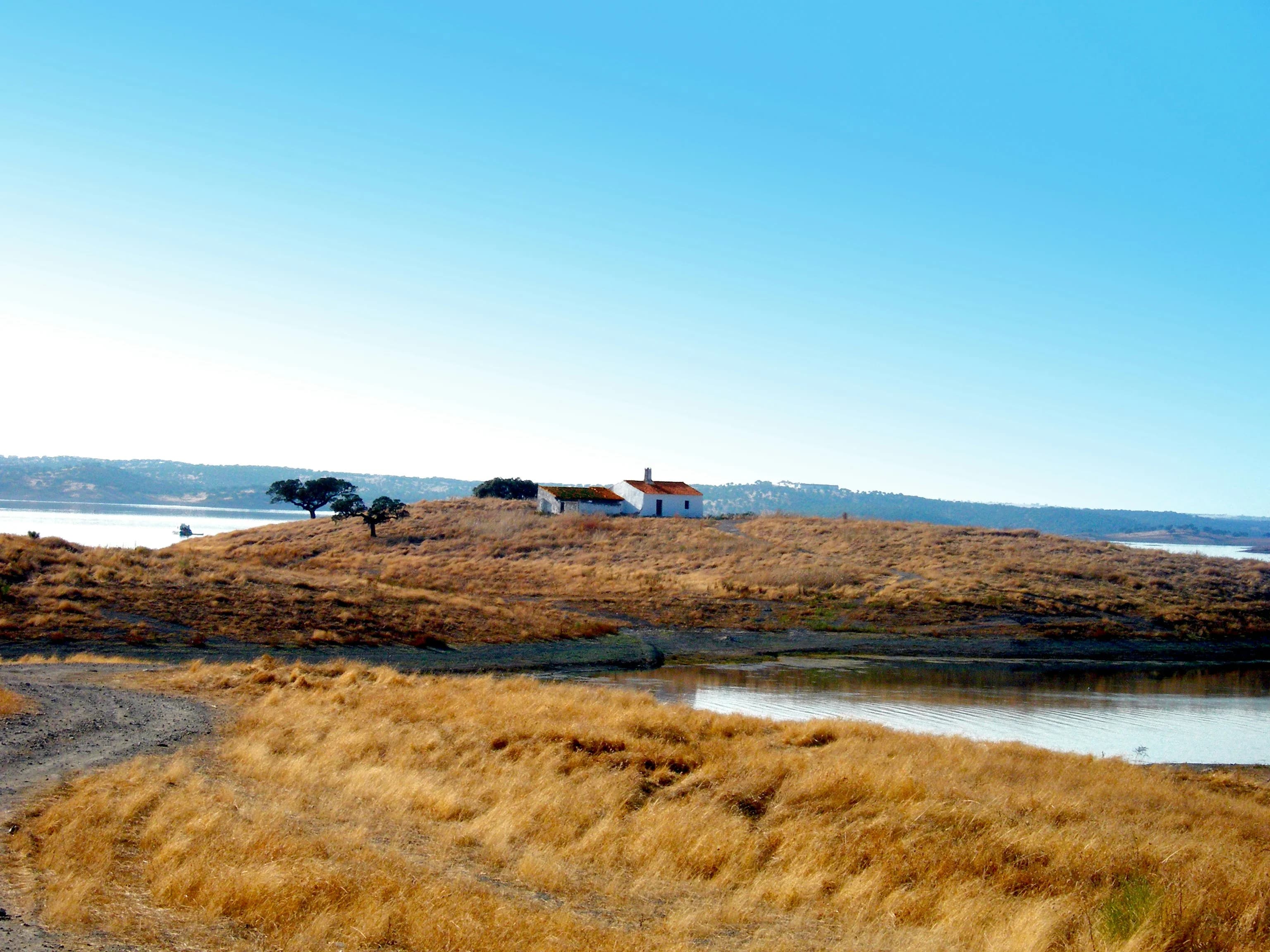
The Lower Alentejo (Baixo Alentejo) is flatter, wider, and more austere. The light here is extraordinary in its directness, and the distances between settlements create a particular quality of solitude. The town of Beja anchors the sub-region, but the most compelling luxury addresses tend to be found on private agricultural estates outside any town perimeter. The herdade format (a large working farm or wine estate) dominates here, and suites within these properties are defined by space, agricultural context, and access to private land.
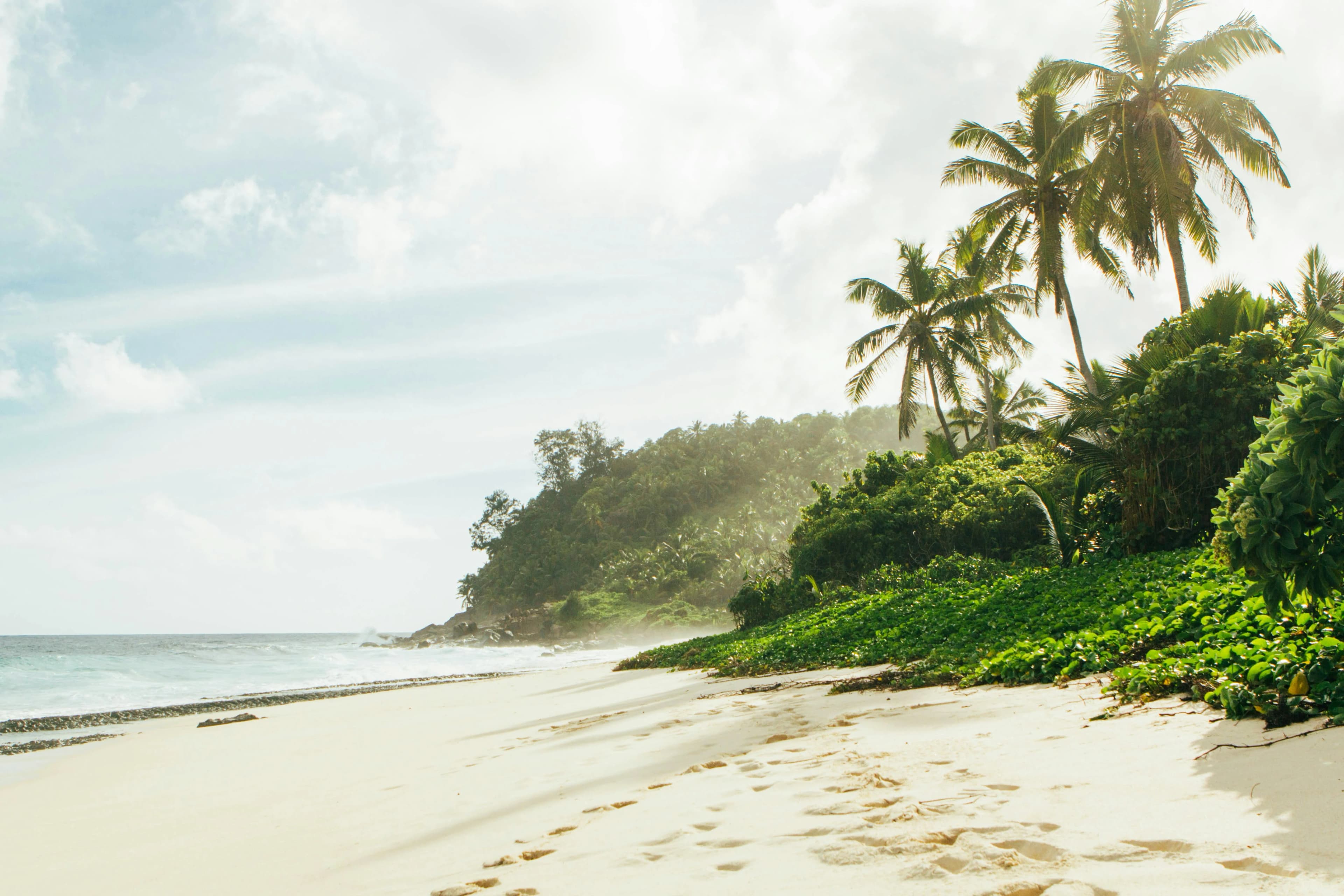
The Alentejo Coast (Costa Alentejana) runs south from Setúbal towards the Algarve border, forming part of the Southwest Alentejo and Vicentine Coast Natural Park. This coastline is among the most unspoiled in Western Europe: no resort infrastructure, strict planning controls, and beaches that require dirt roads to access. A small number of properties operate here at a luxury tier, typically low-density and architecturally integrated with the dune and cliff landscape. Suites in this zone prioritise Atlantic orientation and direct access to the natural park.
The wine triangle formed by Évora, Reguengos de Monsaraz, and the Alqueva reservoir represents a concentrated belt of premium wine estates, many of which now offer accommodation at a high standard. The Alqueva lake itself (one of Europe's largest artificial reservoirs) has created a microclimate and a recreational layer that adds to the appeal of estates in its immediate vicinity.
When to visit Alentejo for a luxury suite stay
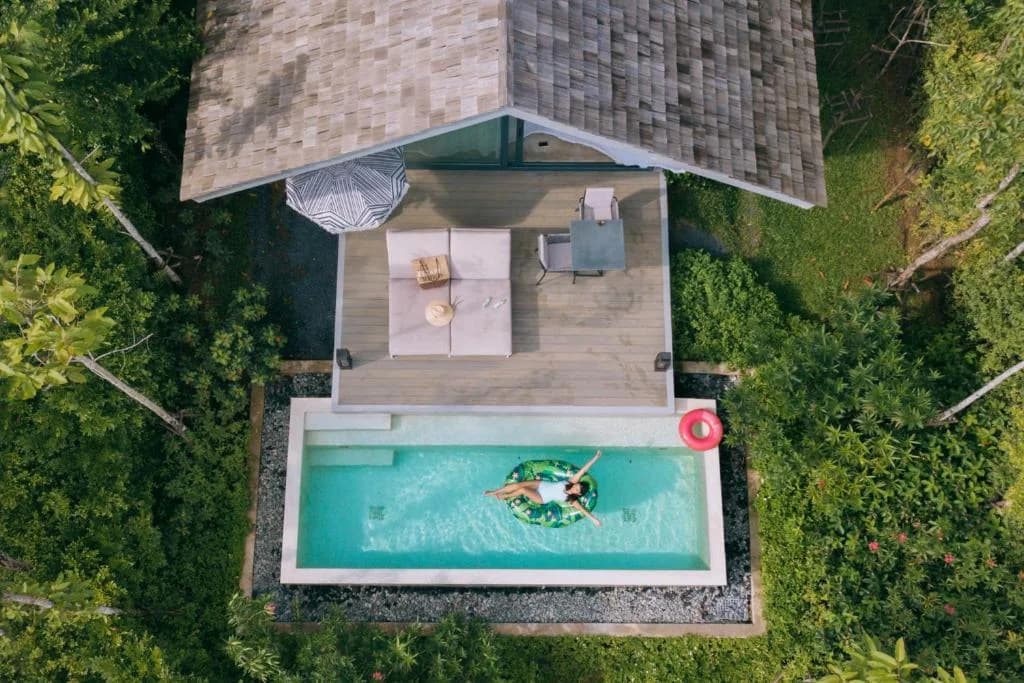
Alentejo operates on a climate that rewards careful timing. Summers are genuinely hot, with July and August regularly reaching 38 to 42 degrees Celsius in the interior. Properties with private pools and shaded terraces become functional necessities rather than amenities during this period. Some travelers find this heat purposeful: the estates empty, the roads are quiet, and the landscape reaches a kind of golden stasis. Others prefer to avoid it entirely.
Spring (March to May) is widely considered the most precise time to experience the region. The plains are green, the wildflowers cover the meadows in sheets, and temperatures are mild enough to walk the cork oak forests and visit the dolmens and megalithic sites without physical discomfort. Suite availability is generally better than in peak summer, and some estates offer preferential rates during this shoulder period.
Autumn (September to October) coincides with the wine harvest (vindima), which is among the more authentic seasonal events in Portuguese agricultural life. Access to a harvest on a working wine estate, organized through the property where you are staying, represents a form of experiential access that is specific to this region and this calendar window. The heat has usually moderated by late September, and the landscape takes on a different quality: drier, more amber, quieter.
Winter is mild by Northern European standards but can be wet and grey. Some smaller properties close or operate at reduced capacity between December and February. Those that remain open often offer their most competitive rates of the year, and the absence of other guests gives a particular intimacy to the experience.
Local luxury standards: what defines a high-end suite in Alentejo
Alentejo does not operate within the Palace hotel designation that governs the top tier of Lisbon and Porto hospitality. The prestige architecture here is different. The reference categories are the herdade (working agricultural estate), the quinta (a country property, typically with wine or olive production), and the solar (a noble manor house with historical and genealogical significance).
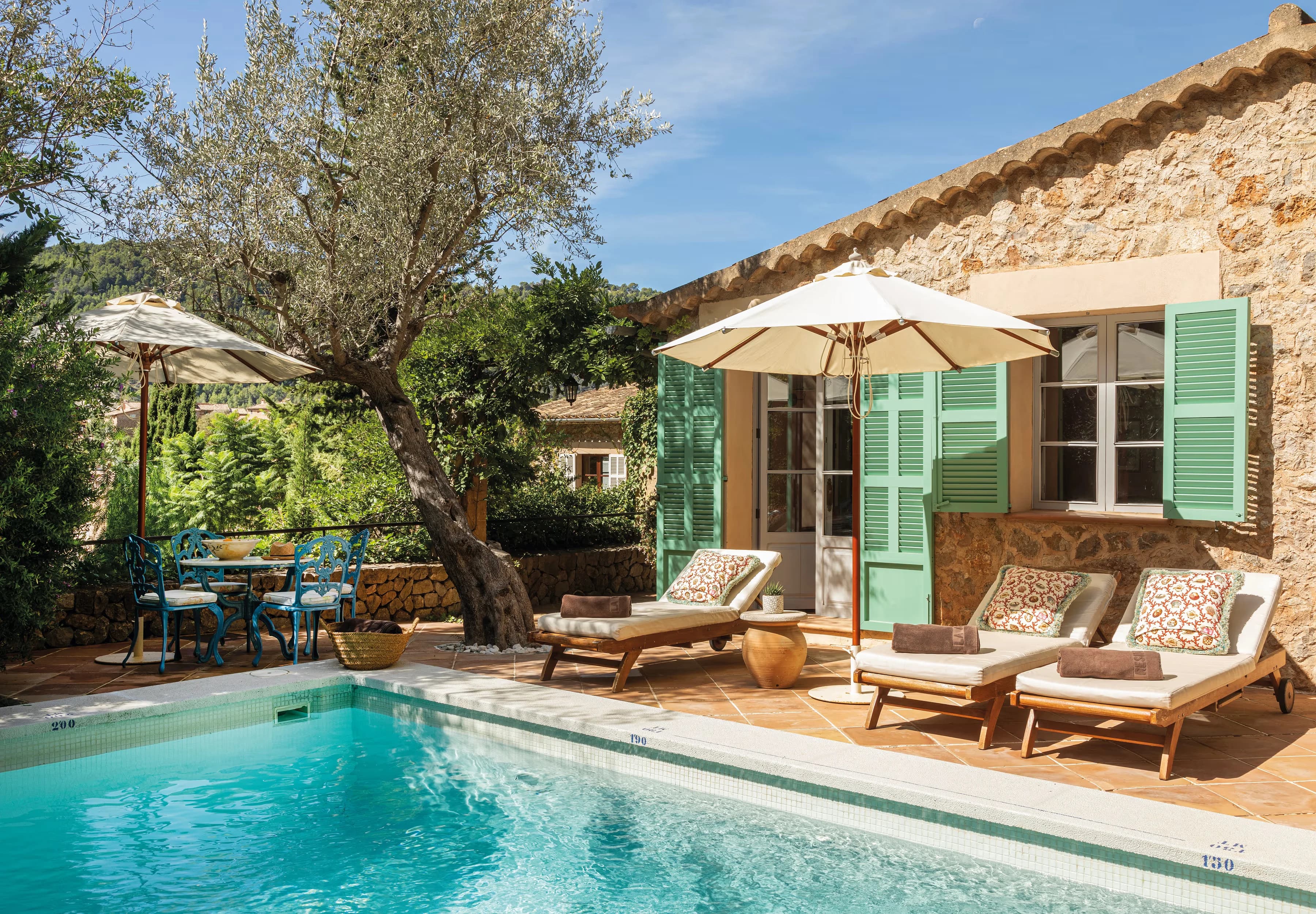
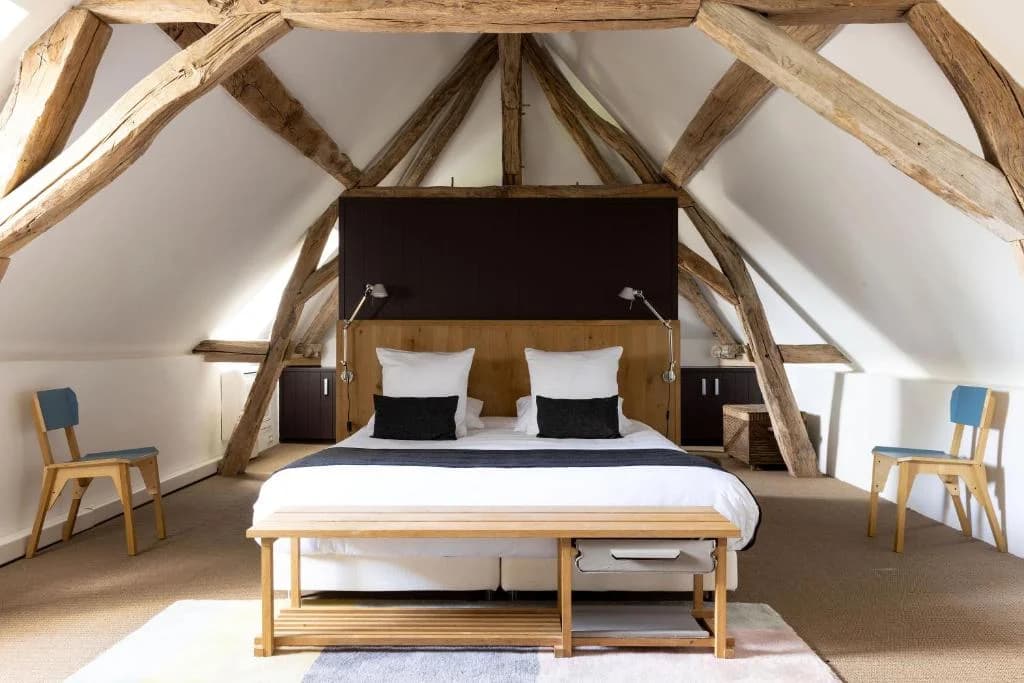
Top-tier suites in these contexts share certain formal qualities: thick walls (stone or adobe) that regulate interior temperature, direct access to private outdoor space (a terrace, a garden, or a vineyard row), and a design language that tends toward restraint. The regional palette is white and ochre, with blue-painted trim (a Moorish inheritance) and terracotta floors. Suites that deviate from this into generic international hotel aesthetics tend to be lower in both character and quality.
Portuguese hospitality in Alentejo also has a specific social register. Staff-to-guest ratios at the better properties are high, but service is unobtrusive rather than performative. Meals are often taken at a shared or communal table, drawing on estate-grown ingredients. Wine service is typically anchored to the estate's own production or to regional producers the owners know personally. This is a form of curated hospitality that is place-specific and not transferable to another geography.
How to choose the best luxury suite in Alentejo
The primary distinction to make is between a property designed primarily for accommodation and a working estate that has opened a small number of suites to guests. The latter tends to offer a more authentic experience but requires a tolerance for agricultural rhythms: early morning tractor movement, harvest equipment in the yard, occasional odors from pressing rooms. For many high-end travelers, this is precisely the appeal. For others, it is a friction point.
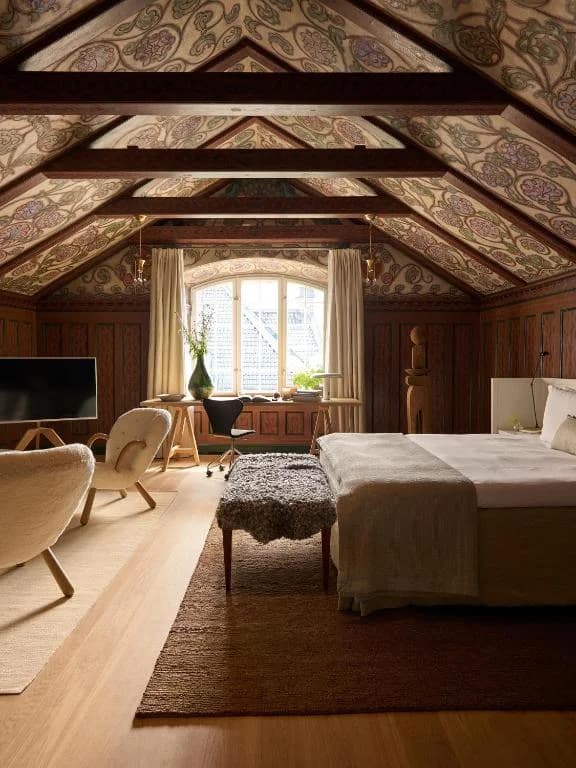
Second, consider architectural period and material. Historic properties in Alto Alentejo, particularly around Évora and the Alentejo's monumental villages, carry a layer of historical significance that newer builds cannot replicate. A suite within a 17th-century solar has a spatial and sensory quality that is irreducible. Newer properties on the Alentejo Coast, by contrast, are often designed by architects working in a contemporary idiom, with large glass openings, raw concrete, and a direct visual relationship to the Atlantic. Both are legitimate positions; they serve different intentions.
Third, assess access to private land. In a region defined by space, the question of how much of that space is private and accessible from your suite is a material consideration. An estate with 500 hectares of cork forest and walking trails functions differently from a small manor house with a walled garden, however refined the latter may be.
Why La Suite's curation matters in Alentejo
The Alentejo property market for high-end accommodation has expanded considerably in the past decade, and the quality range is wide. The category name (herdade, quinta, solar) does not guarantee a standard. Some properties carry historic architecture but have received interior renovations of uneven quality. Others have been purpose-built to an international luxury specification that strips out the regional character entirely.
La Suite applies an editorial filter that is specific to this kind of destination. The curated selection for Alentejo identifies properties where architecture, suite composition, land access, and service register are coherent with the territory's actual offer. A property appears in the La Suite selection because it represents an honest and excellent version of what Alentejo luxury travel can be, not because it fits a generic five-star template. For a region where the distance between a good property and a genuinely exceptional one is significant, this distinction is practical rather than theoretical.