Where to stay in the Algarve for a luxury suite experience
The golden triangle: Vale do Lobo, Quinta do Lago, and Vilamoura
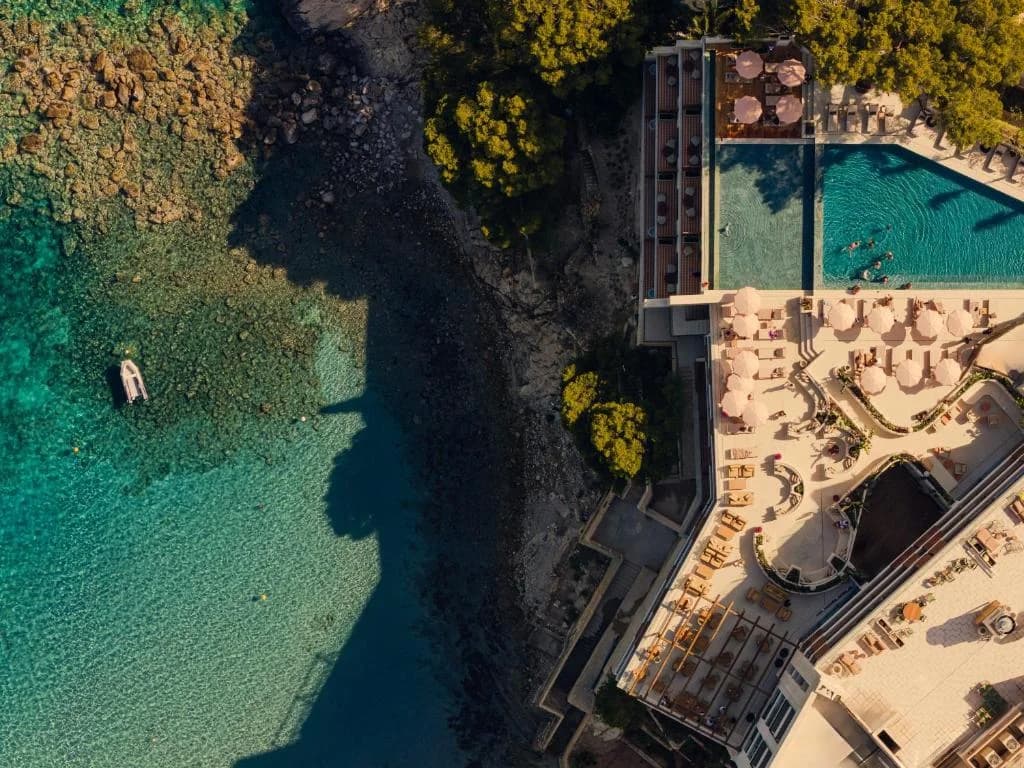
This corridor between Faro and Albufeira functions as the Algarve's most established luxury corridor. The terrain here is flat pinewood and manicured fairways, with private villa enclaves set back from the beach. Suite travellers who prioritise golf architecture, spa infrastructure, and discreet resort living gravitate here consistently. The eastern edge of this zone borders the Ria Formosa, a protected coastal lagoon system that introduces a quieter, more ecological dimension to the stay.
The western cliffs: Lagos, Sagres, and the Costa Vicentina
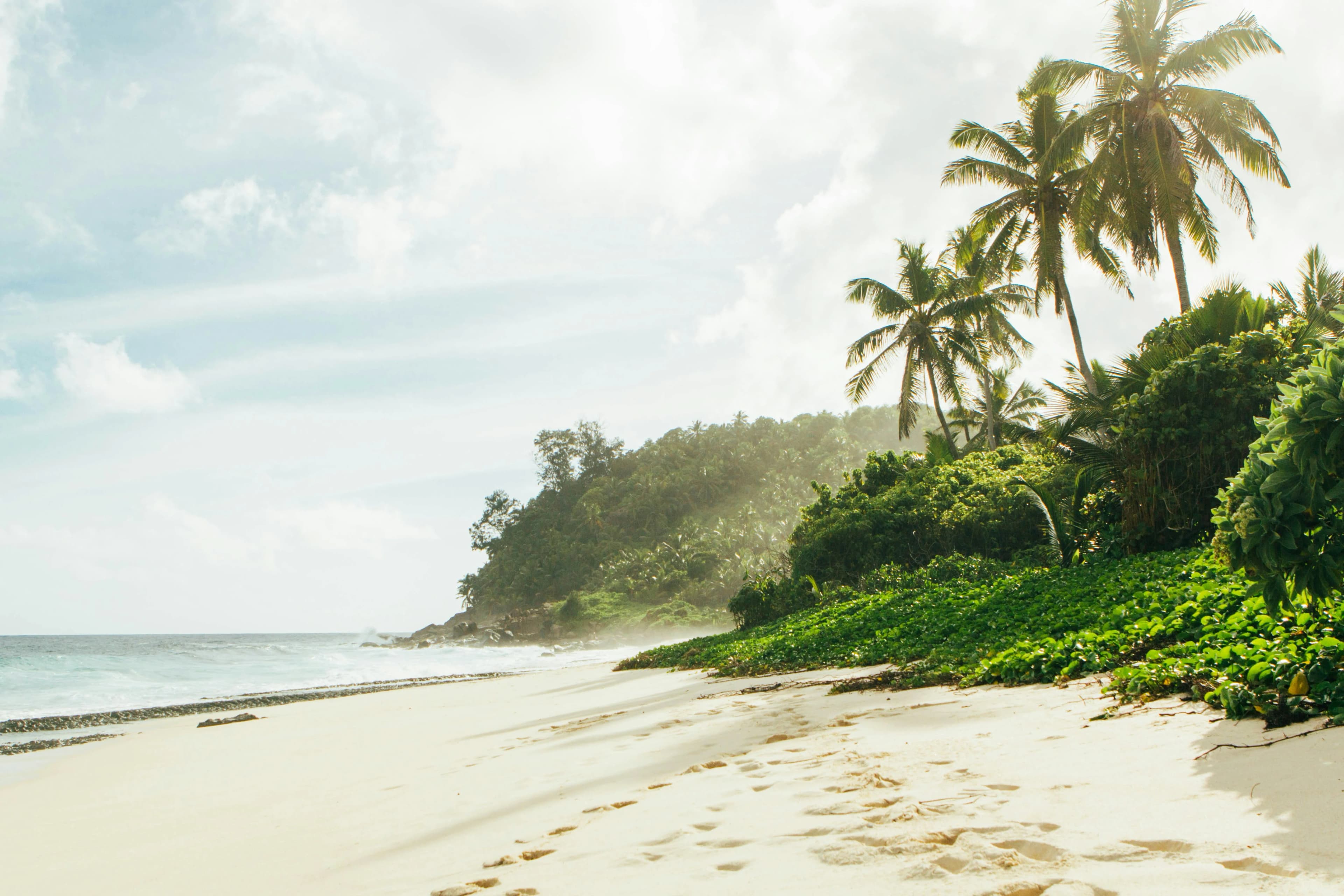
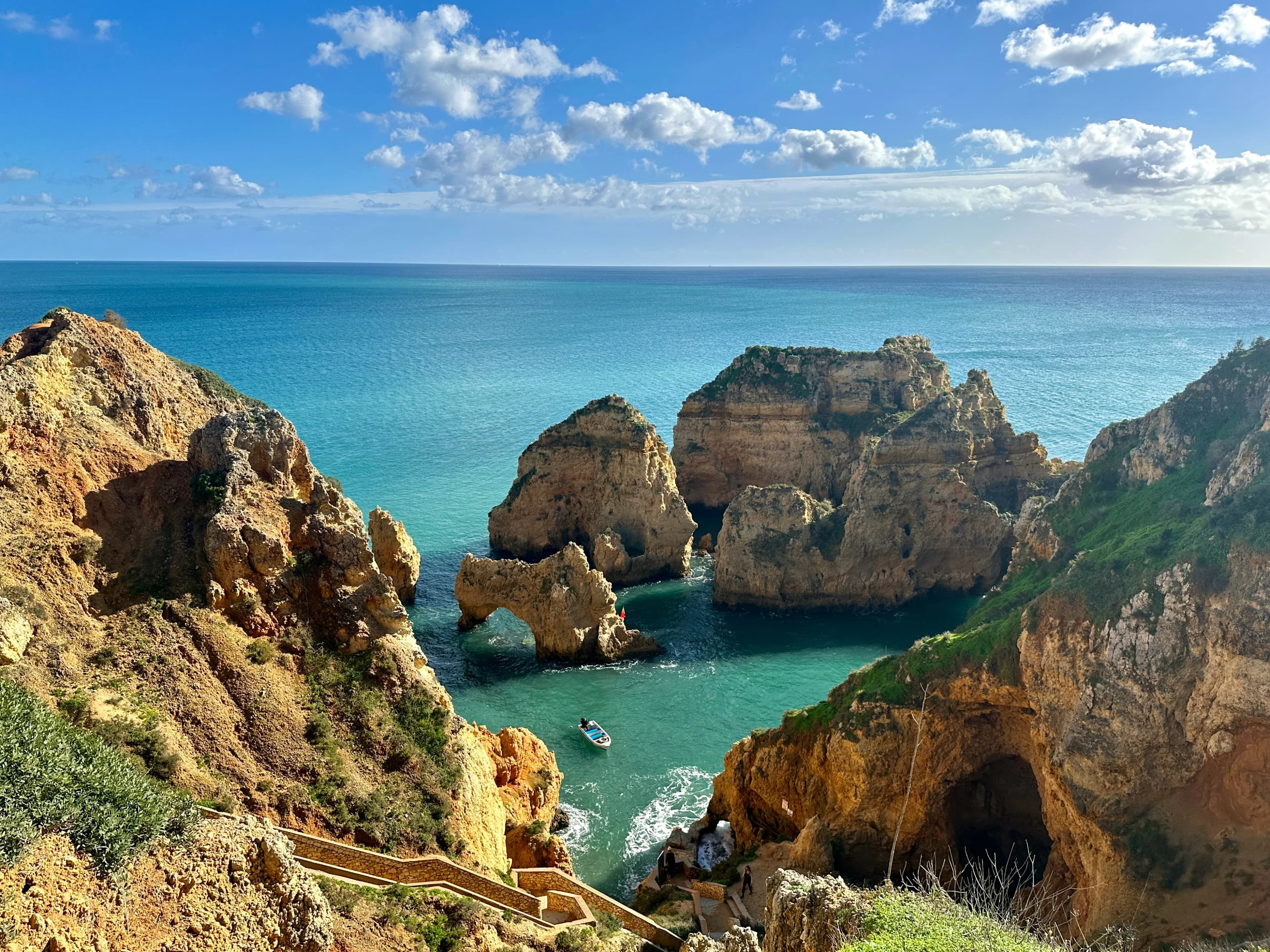
West of Portimão, the Algarve's character shifts. The cliffs at Ponta da Piedade near Lagos are among the most architecturally dramatic on the Iberian Peninsula, formed from ochre sandstone that erodes into arches and sea stacks. Further west, the Costa Vicentina falls within the Southwest Alentejo and Vicentine Coast Natural Park, one of the largest protected coastal areas in Europe. Suites in this zone tend toward a more architectural, low-intervention aesthetic, prioritising ocean exposure over resort amenity stacking.
The eastern Algarve: Tavira, Castro Marim, and the Spanish border
The eastern Algarve, sometimes called the Sotavento coast, is quieter, less developed, and considerably more considered in its offer. Tavira in particular is regarded by architects and historians as one of the most intact Renaissance towns in Portugal. Suites here are often housed within converted noble palaces or boutique properties with inner courtyards. The pace is slower, and the traveller profile skews toward those who come for culture, birdwatching in the Ria Formosa, and extended stays.
When to visit the Algarve for suite travel
The Algarve receives over 300 days of sunshine annually, and this consistency shapes the travel calendar decisively. However, not all seasons serve the suite traveller equally.
Late spring, specifically late April through June, offers the most balanced conditions: temperatures between 22 and 27 degrees Celsius, lower occupancy than peak summer, and the landscape at its most photogenic with wildflowers across the western cliffs. This window is consistently preferred by travellers seeking both outdoor access and hotel availability at negotiable rates.
July and August represent peak season. Suite inventory at leading properties is absorbed months in advance, and the coastal roads between Lagos and Albufeira carry significant traffic. Travellers who insist on this window should plan with at minimum three to four months of lead time for preferred properties.
September and October offer a return to the conditions of late spring, with the Atlantic water temperature at its warmest (reaching 22 to 23 degrees Celsius) and cultural programming beginning to animate Faro and Tavira. November through March is genuinely mild compared to Northern Europe, averaging 15 to 18 degrees Celsius, and the western Algarve enters a period of dramatic light and empty beaches that appeals strongly to writers, photographers, and those seeking an uninterrupted residential quality of stay.
Understanding luxury standards in the Algarve
Portugal does not operate a formal Palace hotel designation equivalent to France's classification system, though the country uses a five-star classification framework overseen by Turismo de Portugal. Within that framework, a smaller number of properties hold the distinction of belonging to international luxury collections or operating under independent boutique standards that function as de facto quality signals.
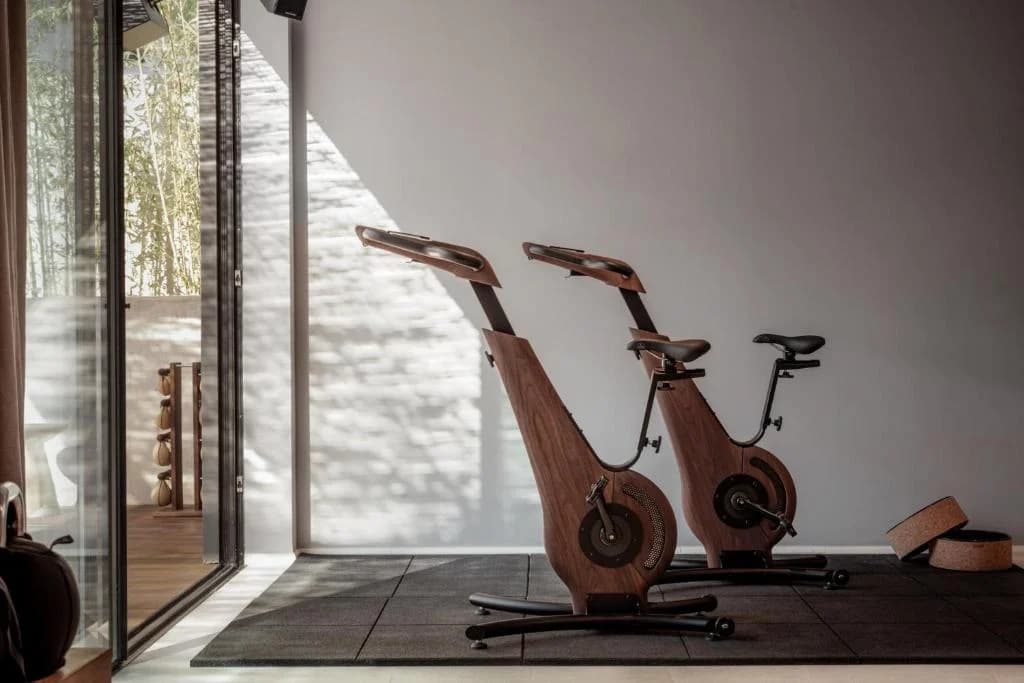
Several properties in the Algarve carry membership in Relais and Châteaux or Leading Hotels of the World, which indicates a verified standard of suite-level accommodation and gastronomic service. The region has also seen significant investment in spa architecture over the past decade, with hydrotherapy and thalassotherapy facilities now integrated into several coastal properties at a standard comparable to the best in southern Spain or the French Riviera.
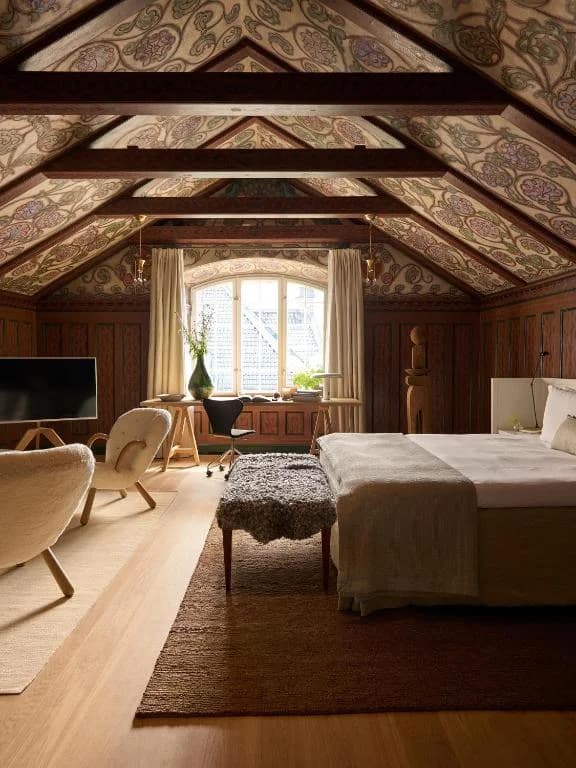
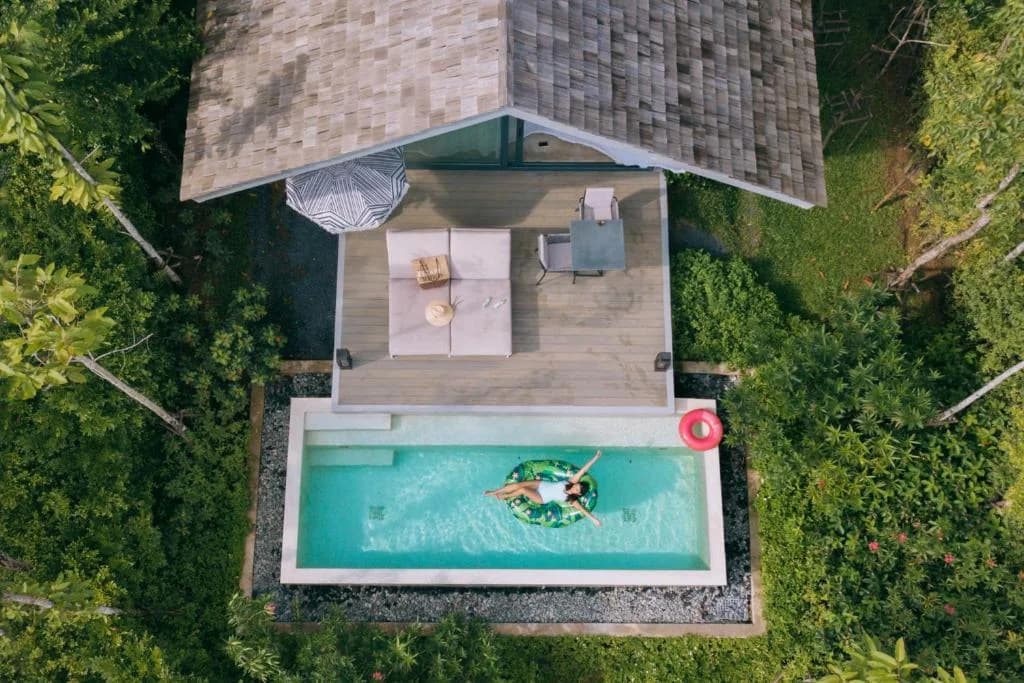
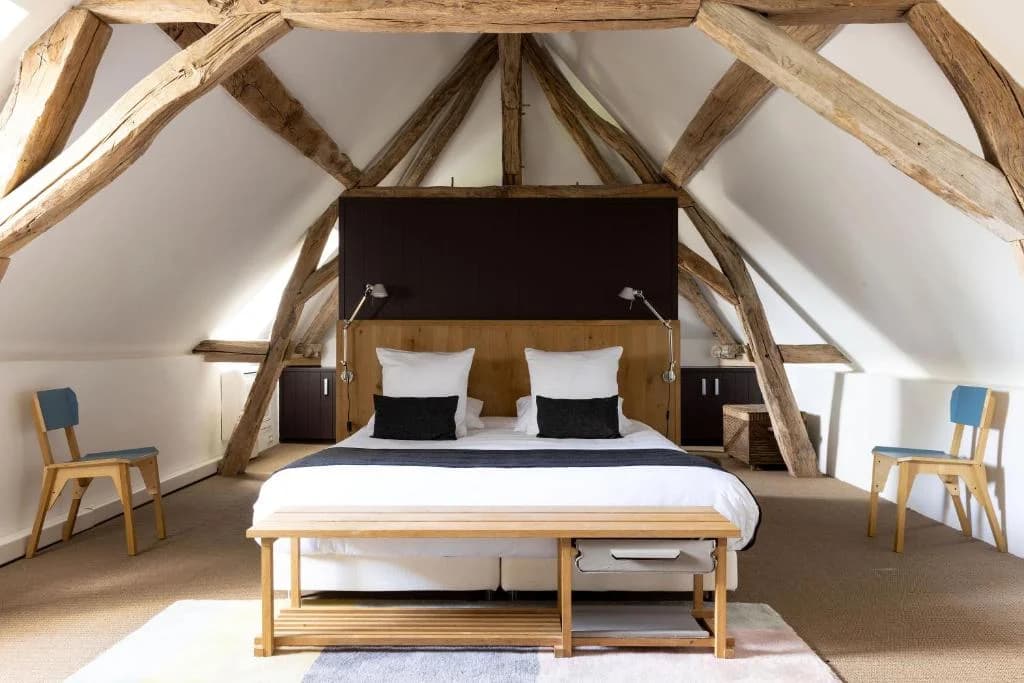
In terms of suite typology, the Algarve offers three broadly distinct formats: resort suites within large five-star complexes (typically featuring private terrace, ocean or garden view, and access to multi-facility resort infrastructure); boutique manor suites within converted quintas (traditional estate farmhouses) or townhouse properties; and private villa suites, which blur the line between hotel and serviced private residence. Each format carries different spatial logic and different service propositions.
How to choose the right luxury suite in the Algarve
Several practical and experiential considerations should structure the selection process.
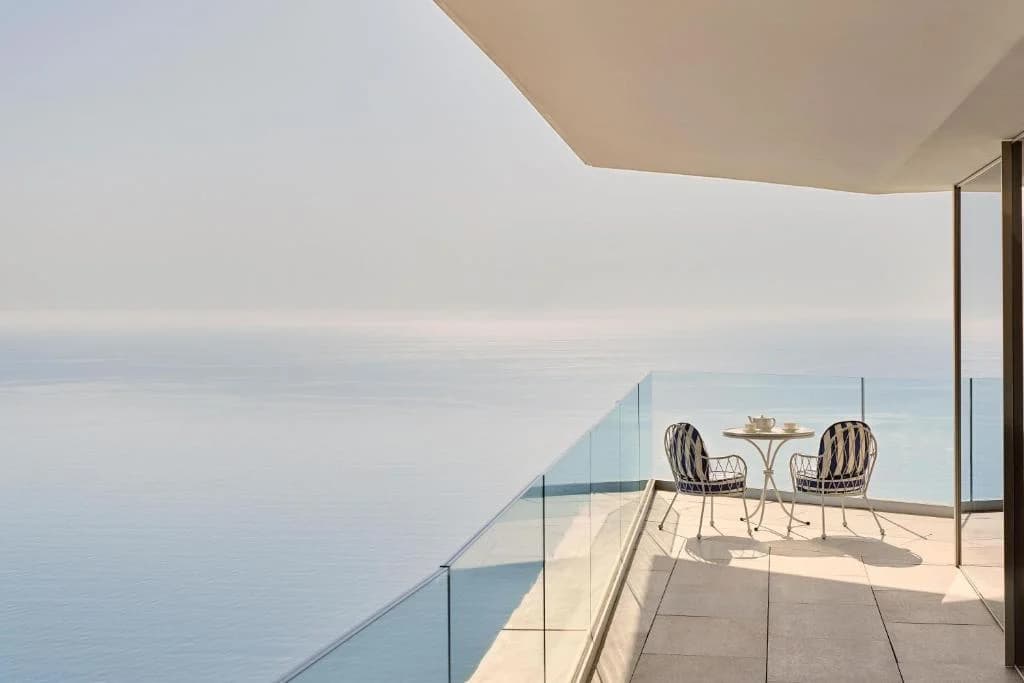
First, proximity to the coast does not automatically translate to ocean views. The Algarve's cliff topography means that some properties positioned directly above the water deliver better sightlines than beach-level alternatives. Requesting a specific suite orientation is advisable and should be standard practice when booking through any curated platform.
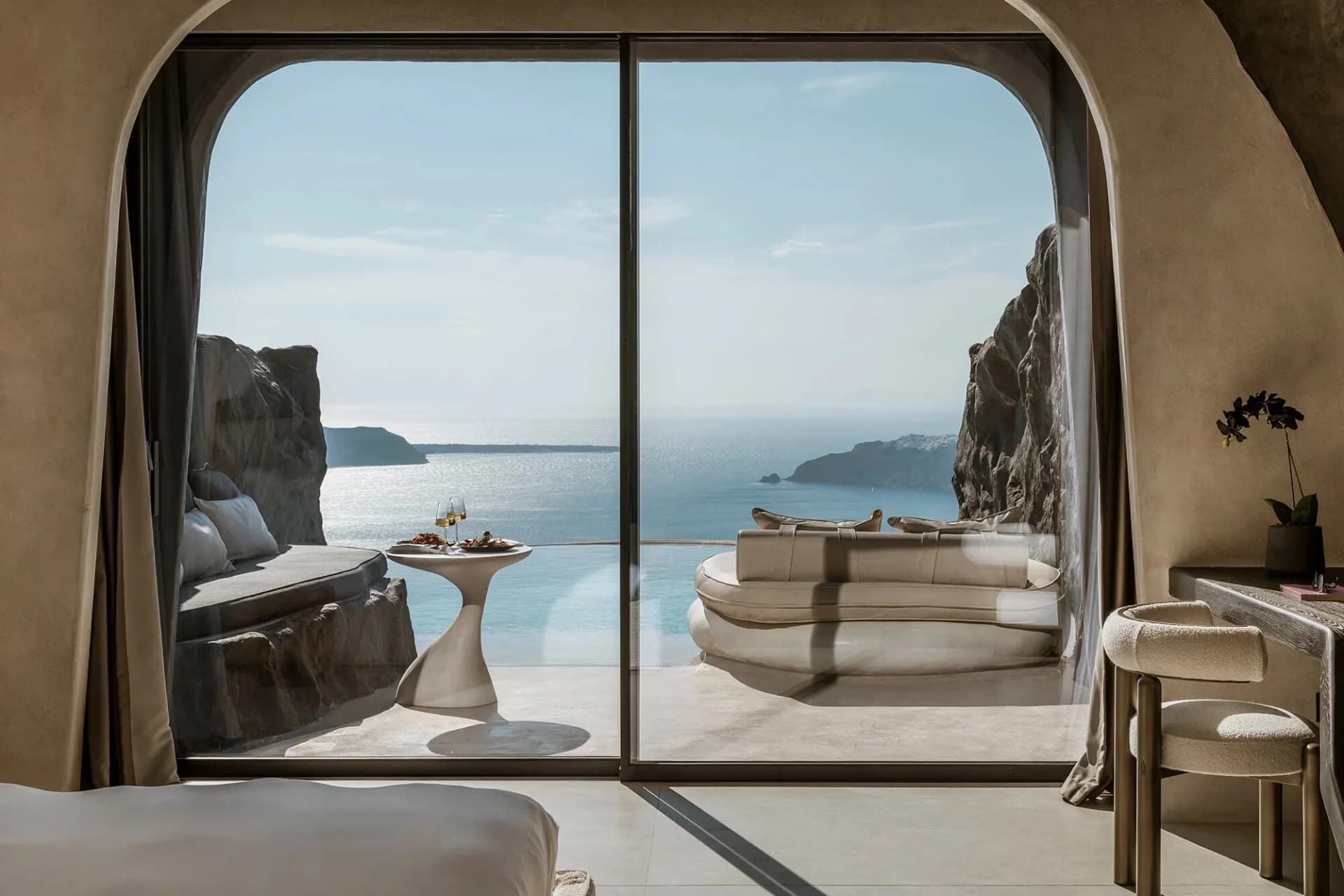
Second, consider the architectural character of the property relative to what you are seeking from the stay. A converted quinta inland from Silves will deliver stone floors, century-old olive trees, and a deep silence at night that a beach resort cannot replicate. Conversely, a contemporary clifftop property with floor-to-ceiling glass delivers a different kind of spatial drama that a heritage interior cannot match.
Third, assess the gastronomic infrastructure. The Algarve has developed a credible fine dining offer, anchored in the regional ingredient vocabulary: percebes (barnacles), cataplana (the copper vessel stew native to the region), carob, fig, and the local Medronho spirit. Several hotel restaurants now hold Michelin recognition or bib gourmand status, and the quality of in-suite dining at the leading properties has risen accordingly.
Finally, factor in the question of privacy. The Golden Triangle properties operate at scale, with hundreds of rooms and significant daily foot traffic. The western and eastern Algarve tend to offer smaller inventories and correspondingly more controlled environments. For travellers where discretion is a primary consideration, scale is a meaningful variable.
Why a curated selection by La Suite matters in the Algarve
The Algarve's hotel market has expanded considerably since 2015, with new openings across all price tiers. This growth has created a landscape where the nominal star rating of a property is an unreliable guide to actual suite quality, spatial generosity, or service standard.
La Suite approaches the Algarve not as a destination to be catalogued comprehensively, but as a territory where a specific subset of properties meets the criteria that define a genuinely exceptional suite experience: architectural integrity, spatial proportion, a service culture that functions at the level of the individual guest, and a sense of place that is specific to this coastline. The curated selection by La Suite removes the friction of comparative research and positions each property within its correct experiential context, so that the choice made reflects genuine intent rather than marketing exposure.