Douro Valley, Portugal

Douro Valley, Portugal

Hotels with luxury suites in Douro Valley

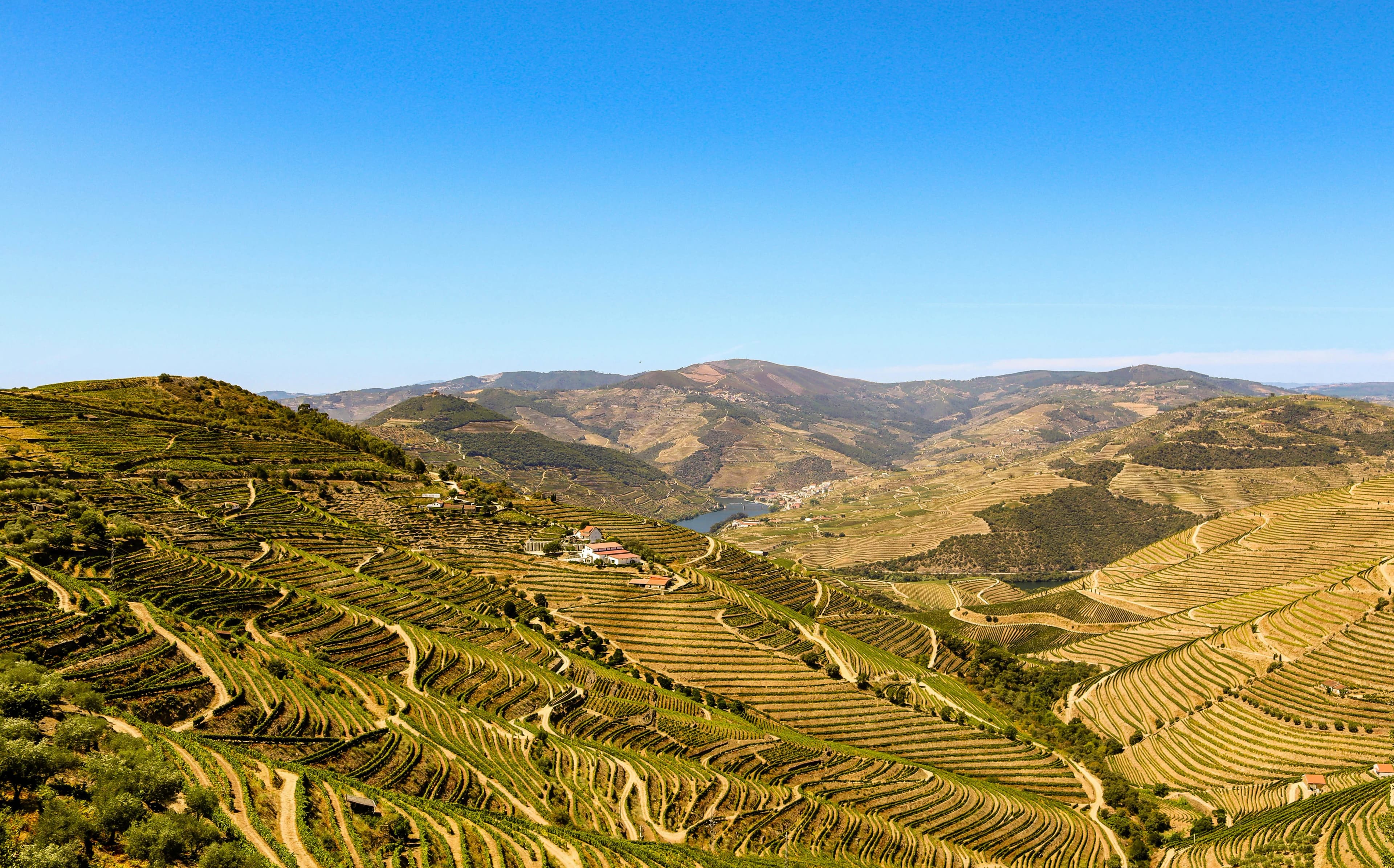
The Douro Valley stretches roughly 100 kilometres inland from Porto, following the course of the Douro River eastward toward the Spanish border. For the purposes of luxury suite travel, the region divides into three distinct zones, each with a different character and a different relationship to the landscape.

List modeShow map

2 hotels available

Torel Quinta da Vacaria - Douro Valley

Torel Quinta da Vacaria - Douro Valley, Peso da Régua

Pet friendlyBarSpa and wellness centerSwimming pool
More information

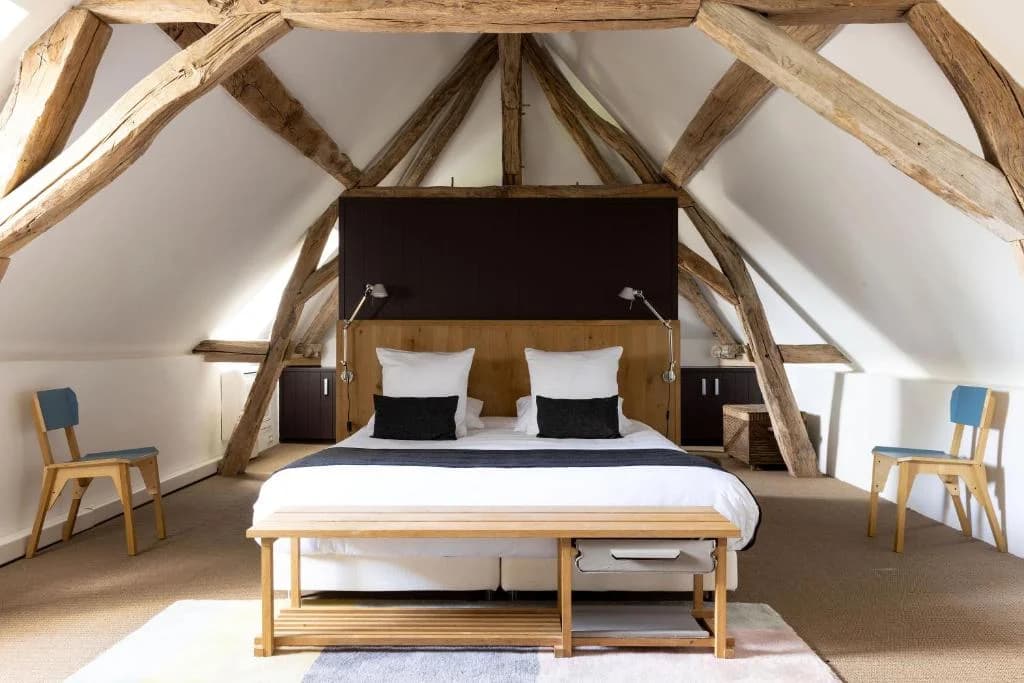
Elegant Accommodations Torel Quinta da Vacaria in Peso da Régua offers luxurious rooms with mountain or river views. Each room features air-conditioning, a private bathroom, and modern amenities.

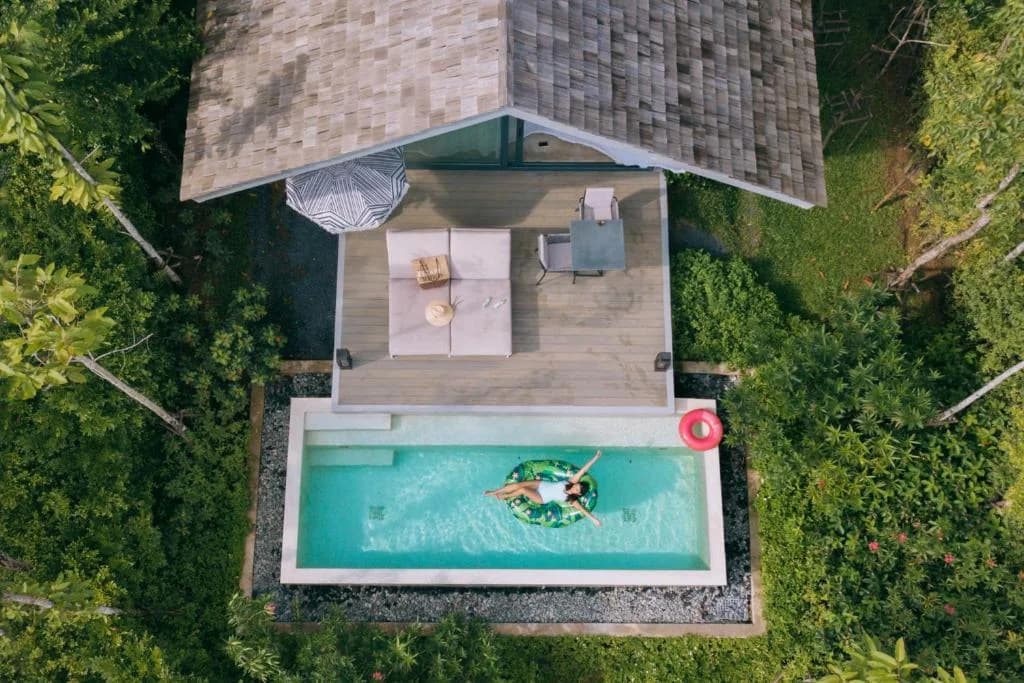
Executive Royal with Pool

Executive Royal with Pool

47 m²

The spacious twin/double room features air conditioning, a tea and coffee maker, a terrace with mountain views as well as a private bathroom boasting a shower. The unit has 1 bed.

Discover
Executive Royal

Executive Royal

36 m²

The spacious twin/double room features air conditioning, a tea and coffee maker, a terrace with mountain views as well as a private bathroom boasting a bath. The unit has 1 bed.

Discover
Duplex Suite

Duplex Suite

49 m²

The air-conditioned suite features 1 bedroom and 1 bathroom with a bath and a shower. Featuring a balcony with mountain views, this suite also offers a tea and coffee maker and a flat-screen TV. The u

Discover
Deluxe Suite

Deluxe Suite

58 m²

The spacious suite has 1 bedroom and 1 bathroom with a bath and free toiletries. Boasting a terrace with mountain views, this suite also features air conditioning and a flat-screen TV. The unit has 2

Discover
See the other suites

Ventozelo Hotel & Quinta
More information

Located in Ervedosa do Douro, 18 miles from Douro Museum, Ventozelo Hotel & Quinta provides accommodations with a seasonal outdoor swimming pool, free private parking, a garden and a shared lounge. Ea

Suite

Suite

22 m²

Featuring a private entrance, this air-conditioned suite consists of 1 living room, 1 separate bedroom and 1 bathroom with a walk-in shower and a hairdryer. Boasting a terrace with garden views, this

Discover
Double Room - Disability Access

Double Room - Disability Access

44 m²

Offering free toiletries and bathrobes, this double room includes a private bathroom with a walk-in shower, a hairdryer and slippers. The spacious air-conditioned double room offers a flat-screen TV w

Discover

Where to stay in the Douro Valley

Lower Douro: Cinfães to Peso da Régua

The western reaches of the valley are greener, more accessible, and shaped by a long tradition of wine tourism. Properties here tend to occupy restored quintas with direct river frontage. The light is softer, the terrain less severe, and the infrastructure more developed. This is the entry point for first-time Douro visitors who want immersion without remoteness.

Upper Douro: Pinhão and the schist villages

Pinhão sits at the valley's emotional centre. The terraced vineyards here reach near-vertical gradients, carved into the schist by centuries of manual labour. Properties in this corridor tend to be more architecturally spare, responding to the austerity of the landscape. The sense of isolation is real, not manufactured. Suites in this zone offer some of the most visually resolved rural experiences in southern Europe.

Douro Superior: eastward toward Miranda do Douro

The eastern section of the valley is drier, emptier, and visited by far fewer travelers. The architecture here is rougher, the estates smaller, and the experience more raw. For guests who prioritise solitude and landscape over amenity density, this corridor rewards the detour.

When to visit the Douro Valley

The Douro Valley operates on an agricultural calendar, and the best time to visit depends on what kind of experience the traveler is seeking.

Spring, from April through June, brings wildflowers along the terraces, moderate temperatures, and a relative absence of crowds. Suite availability is generally good, and the valley's greens are at their most saturated before the summer heat sets in.

Harvest season, the Vindima, runs from mid-September through October. This is the valley's cultural peak. Grapes are picked by hand on the steeper terraces, and many quintas open their operations to guests. Demand for suites at leading properties spikes sharply during this period. Reservations made three to six months in advance are not unusual for the most sought-after estates.

Summer, July and August, is warm to hot, with temperatures regularly exceeding 35 degrees Celsius in the interior. River cruises and outdoor dining become central to the experience. The light in this period is exceptional for photography and long evening meals on terraces overlooking the water.

Winter is quiet, spare, and commercially undervalued. Properties that remain open offer significant rate advantages, and the valley in January has a quality of stillness that is difficult to find in high season.

Understanding luxury standards in the Douro Valley

Portugal does not operate a formal Palace designation equivalent to France's official classification system, but the country's hospitality sector has developed a recognisable tier of rural luxury anchored in the concept of the quinta. A quinta is, at its most basic, a farming estate. In the Douro context, it is a wine-producing property, often centuries old, with residential quarters that have been converted or purpose-built for guest use.

The best quintas function as self-contained environments. They produce their own wine, olive oil, and in some cases honey. Suites within these properties are typically defined by stone construction, terracotta or wood flooring, thick walls that regulate temperature passively, and an orientation toward the river or vineyard. Air conditioning and contemporary bathrooms are standard at the upper tier. The spatial logic is different from a city hotel: suites here are lateral, ground-anchored, and connected to outdoor space in ways that a tower property cannot replicate.

A smaller number of purpose-built contemporary properties also exist in the valley, designed from the ground up with architectural precision and a deliberate dialogue with the landscape. These properties tend to offer more resolved interior design, larger suite footprints, and a clearer separation between the guest experience and the working agricultural operation.

How to choose the right suite in the Douro Valley

Several considerations are specific to this destination and should inform any suite selection.

River view versus vineyard view is the primary spatial question. River-facing suites offer light from the west in the afternoon and a long horizontal prospect over the water. Vineyard-facing suites, often positioned on the upper terraces of a quinta, offer a vertical drama and a closer relationship to the agricultural texture of the landscape. Neither is categorically superior; the choice reflects a personal spatial preference.

Access and connectivity matter more here than in most European wine regions. The Douro Valley has limited road infrastructure, and some of the most architecturally interesting properties are positioned several kilometres from the nearest town. For travelers who plan to use the property as a base for day exploration, this is worth considering. For those who intend to stay largely within the estate, remoteness is an asset.

Suite size and configuration vary considerably between historic quintas and newer builds. Older converted properties often have irregularly shaped rooms, lower ceilings in some sections, and a spatial logic determined by original agricultural function. Contemporary properties offer more predictable geometry but may sacrifice patina and historical texture. Both can deliver exceptional experiences; the decision depends on what the traveler values in a physical space.

The valley's wine programme is worth factoring into any choice. Properties that produce their own Port or Douro DOC wines and include structured tastings, cellar access, or harvest participation in the suite offering provide a more integrated experience than those that simply stock a wine list from external producers.

Why curated selection matters in the Douro Valley

The Douro Valley's luxury suite market is relatively small compared to destinations like Alentejo or the Algarve, but it is not uniform. The gap between a genuinely considered property and a comfortable but undifferentiated one is real, and it is not always legible from standard booking platforms. Photographs of terraced vineyards look similar. The differences that matter, in architecture, in service calibration, in the quality of outdoor space, in how a suite is oriented toward its landscape, require a level of editorial judgment that aggregator platforms do not provide.

La Suite applies consistent criteria across every property in its selection: spatial quality, architectural coherence, landscape relationship, and the specificity of the guest experience. For the Douro Valley, this means identifying the properties where a suite is not simply accommodation within a wine region, but a considered spatial encounter with one of Europe's most geologically and culturally particular landscapes. The curated selection by La Suite is built for travelers who make deliberate choices.

Frequently asked questions

What is the best time of year to book a luxury suite in the Douro Valley?

The harvest season from mid-September to October is the most sought-after period, when vineyards are in full operation and the landscape is at its most atmospheric. Spring, from April to June, offers mild temperatures and good suite availability. Advance reservations of three to six months are advisable for the finest properties during peak periods.

What is a quinta and how does it relate to luxury hotel stays in the Douro Valley?

A quinta is a Portuguese farming estate, and in the Douro Valley context it typically refers to a wine-producing property with residential quarters adapted for guest use. The best quintas function as self-contained environments, producing their own wine and offering suites defined by stone construction, thick walls, and direct orientation toward the river or vineyard. They represent the dominant model of rural luxury accommodation in the region.

How do luxury suites in the Douro Valley compare to those in other Portuguese wine regions?

The Douro Valley offers a more geographically dramatic and architecturally austere suite experience than regions like Alentejo, where properties tend toward wider plains and a more horizontal landscape. The vertical terracing, schist geology, and river proximity give Douro suites a distinctive spatial character. The region's relative remoteness also contributes to a stronger sense of immersion and isolation.

Is it better to choose a historic quinta or a contemporary property for a luxury suite stay in the Douro Valley?

Historic quintas offer stone-built authenticity, irregular spatial geometry, and a direct connection to the valley's agricultural heritage, often with centuries of wine production on the same land. Contemporary properties tend to offer more resolved interior design, larger and more predictable suite footprints, and a clearer architectural response to the landscape. The choice depends on whether the traveler prioritises patina and texture or spatial precision and modern comfort.

What should I look for when selecting a luxury suite with a river view in the Douro Valley?

River-facing suites in the Douro Valley typically offer afternoon light from the west and a long horizontal prospect over the water, which creates a particular quality of calm and openness. The most considered properties orient their primary living spaces and terraces toward the river rather than internal courtyard areas. Checking the actual suite position within the property, rather than relying on general property photography, is essential for confirming the view quality.

How far in advance should I book a luxury hotel suite in the Douro Valley during harvest season?

For the leading properties during the Vindima harvest period in September and October, reservations made three to six months in advance are standard practice. The valley's inventory of genuinely high-quality suites is limited, and demand from both Portuguese and international travelers concentrates sharply during this window. Properties that include harvest participation or cellar access in their suite offering tend to fill earliest.

What practical travel considerations apply to luxury suite stays in the Douro Valley?

Road infrastructure in the Douro Valley is limited, and some of the most architecturally interesting properties are positioned several kilometres from the nearest town or transport link. Guests who plan to explore the wider region by car should confirm road access to their chosen property before arrival. The Douro train line, which runs along the river from Porto, offers a scenic and practical alternative for properties with proximate station access.

Are Douro Valley luxury hotels open year-round?

A number of properties reduce operations or close entirely during January and February, when the valley is at its quietest and commercial demand is lowest. Travelers who wish to visit in winter should confirm availability directly, as online booking systems do not always reflect seasonal closures accurately. Properties that do remain open in winter often offer advantageous rates and a quality of solitude that is entirely absent in high season.

What distinguishes a top-tier luxury suite in the Douro Valley from standard wine tourism accommodation?

The distinguishing factors at the upper tier include suite orientation toward the landscape rather than internal service areas, the quality of outdoor space (private terrace, pool, or direct vineyard access), the integration of the property's own wine production into the guest experience, and the architectural coherence of the conversion or build. Standard wine tourism properties in the valley may offer comfort and a pleasant setting, but they lack the spatial and editorial precision that defines a genuinely considered luxury suite.

How does La Suite curate its selection of luxury hotel suites in the Douro Valley?

La Suite applies consistent criteria across every property it lists: spatial quality, architectural coherence, the relationship between the suite and its landscape, and the specificity of the guest experience. In the Douro Valley, this means identifying properties where the suite itself, not simply the surrounding scenery, constitutes a considered spatial encounter with the region. The selection process filters out undifferentiated comfortable properties in favour of those where the physical and experiential quality is genuinely distinct.