Alcântara in context: a neighbourhood shaped by water and industry
The LX Factory complex, established within a former textile manufacturing site, is the clearest symbol of this shift. It hosts independent bookshops, concept stores, and food vendors across a grid of nineteenth-century industrial buildings. The neighbourhood also borders Belém, the monumental district where the Torre de Belém and the Mosteiro dos Jerónimos stand as the formal record of Portugal's Age of Discovery. Staying in Alcântara places both of these registers within walking or cycling distance.
Where to stay in Alcântara and the surrounding riverside corridor
The Alcântara riverfront and its immediate surroundings offer a concentrated set of lodging typologies that differ meaningfully from central Lisbon. Properties here tend to occupy converted industrial structures or occupy positions with direct sight lines over the Tagus. The scale is generally more generous than in the historic centre: higher ceilings, wider floor plates, and a quieter ambient environment.
Travellers interested in a luxury hotel suite in this part of Lisbon should consider how proximity to the river affects the sensory experience of the stay. Morning light over the Tagus is a distinct feature of west-facing rooms along this stretch. The 25 de Abril Bridge, one of the longest suspension bridges in Europe, is visible from multiple points along the Alcântara embankment and functions as a constant architectural reference within the neighbourhood's visual field.
For those extending their itinerary beyond the city, Portugal offers a range of luxury hotel experiences across its wine regions, coastal towns, and historic cities, each with its own suite typology and spatial logic.
When to visit Alcântara
Lisbon's climate is among the most temperate in Western Europe. Alcântara, given its riverside position, benefits from a consistent breeze off the Tagus that moderates the summer heat common in the city's higher districts. The optimal window for a stay in this neighbourhood is broadly between April and June, and again from September through November. During these months, temperatures are moderate, the light quality is exceptional, and the cultural calendar in the broader Lisbon area is active without the compression of peak summer tourism.
July and August bring higher occupancy rates across Lisbon's luxury hotel inventory. Suites in sought-after properties along the riverfront are frequently booked well in advance during this period. Travellers who prioritise availability and rate flexibility are advised to plan outside the summer peak. The Festas de Lisboa in June animate the city's streets and neighbourhoods, and Alcântara participates in this calendar with its own local programming.
Luxury standards in Lisbon's western riverside quarter
Portugal does not operate a formal national classification equivalent to the French Palace designation, but the top tier of Lisbon's hotel market has developed its own set of recognised standards. Properties competing at the highest level in the city typically offer suite categories with private terraces or balconies, dedicated butler or concierge service, high-specification bathroom fittings, and curated in-room experiences that reflect both contemporary design sensibility and local craft traditions.
In Alcântara specifically, the luxury suite offer tends to favour industrial-aesthetic interiors: exposed concrete, raw timber, steel detailing, and generous volumes. This is not universally the case, but it is a distinguishing characteristic of the neighbourhood's hospitality typology. Travellers accustomed to the more classical palatial suite formats found in Lisbon's historic centre will find Alcântara's offer architecturally distinct and often more spatially commanding.
Portuguese craftsmanship is increasingly integrated into suite interiors across the city's leading properties. Azulejo tile work, hand-woven textiles from northern Portugal, and ceramics from established regional ateliers appear as design elements in suites that position themselves within a broader cultural narrative. This approach to material sourcing is a reliable indicator of a property's engagement with Portuguese identity beyond the purely decorative.
How to choose a luxury suite in Alcântara
Several practical considerations are specific to this neighbourhood and should inform the suite selection process.
River orientation and light
Suites with south or west-facing aspects over the Tagus will receive significantly different light conditions than those oriented toward the city's interior streets. For travellers who prioritise the sensory relationship with water and the bridge structure, aspect is a primary selection criterion, not a secondary one.
Access and connectivity
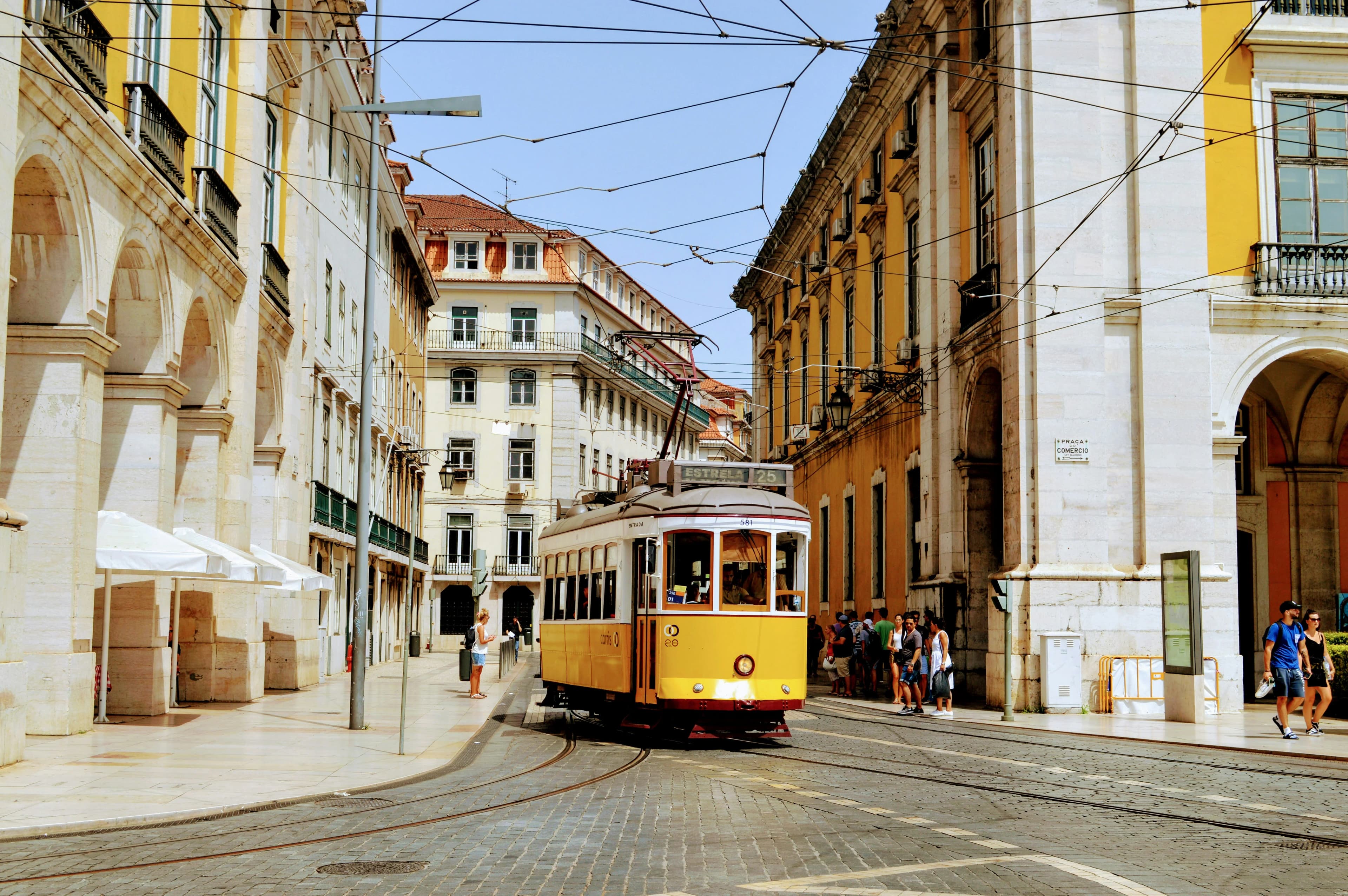
Alcântara is well served by Lisbon's tram network, with the historic Tram 15E connecting the neighbourhood to Praça do Comércio and the city centre. The neighbourhood is also accessible by Uber and taxi within minutes of the airport. However, some riverside addresses involve navigating narrow or uneven streets; travellers arriving with significant luggage should confirm logistics with the property in advance.
Sound environment
The neighbourhood's transformation has introduced a number of late-evening venues along the riverfront and within the LX Factory complex. Travellers who prioritise absolute acoustic quiet should request suites on upper floors or in wings oriented away from the main entertainment corridors. This is a relevant practical detail, not a criticism of the neighbourhood's character.
Suite size and configuration
Industrial conversions in Alcântara often allow for suite footprints that would be impractical in the historic centre's older building stock. Multi-room configurations, split-level layouts, and private outdoor terraces are more commonly available here than elsewhere in Lisbon. Travellers seeking a luxury suite for extended stays or for work-integrated travel will find the spatial offer in this neighbourhood particularly well suited to those requirements.
Why curation matters in Alcântara
Alcântara's hotel market is still maturing. The neighbourhood's transformation from industrial zone to design-forward district has been rapid, and not every property operating under a luxury positioning delivers consistently at that standard. The distance between a well-marketed suite and one that genuinely performs across all dimensions of space, service, and material quality is meaningful.
La Suite approaches Alcântara as it does every destination in its portfolio: with a selection process grounded in direct knowledge, spatial assessment, and editorial rigour. The curated selection by La Suite for this neighbourhood reflects properties that meet the criteria that matter to the audience this platform serves. For travellers who have made the deliberate choice to explore Lisbon from its most architecturally considered riverfront quarter, the starting point is a suite that matches that intention.