What makes Chiado the right base for a luxury stay in Lisbon
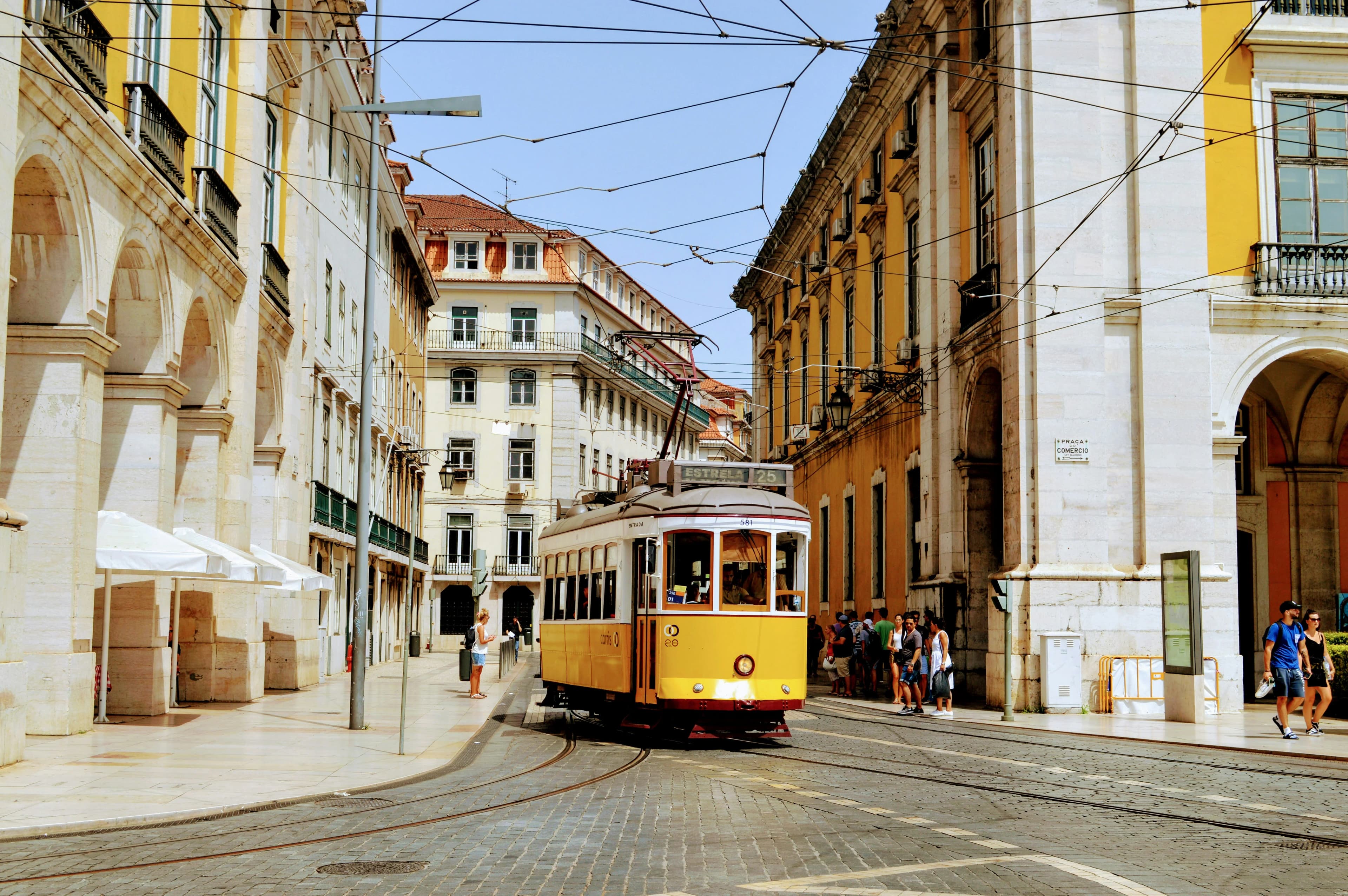
The built environment is defined by late 18th and early 19th-century reconstruction, following the 1755 earthquake and subsequent fire of 1988 that destroyed several of its central blocks. What was rebuilt carries a specific architectural seriousness: limestone facades, wrought-iron balconies, and street-level arcades that create covered pedestrian routes between squares. For the traveller selecting a luxury hotel suite in Chiado, this means proximity to one of Portugal's most visually coherent urban streetscapes.
The distinct character of Chiado within Lisbon's luxury landscape
Within Lisbon's hotel market, Chiado occupies a specific tier. Properties here tend toward the boutique end of the luxury spectrum, with smaller room counts, more considered interior programmes, and a guest profile that skews toward design-literate travellers rather than business delegations. The neighbourhood's density of cultural institutions, including the Museu do Chiado (now the Museu Nacional de Arte Contemporânea), the Teatro São Carlos opera house, and the Livraria Bertrand, the world's oldest operating bookshop, creates a pedestrian circuit that does not require a car or a guided tour.
The streets connecting Chiado to the adjacent Príncipe Real quarter, a residential district with antique dealers and specialty food shops, extend the walkable territory considerably. Together, these two neighbourhoods form the most coherent luxury pedestrian zone in the Portuguese capital. A suite positioned within this corridor places the guest at the intersection of historical depth and contemporary cultural production.
When to stay in Chiado: seasonal and cultural considerations
Lisbon's climate is one of the mildest in continental Europe, which means Chiado functions as a year-round destination without the pronounced seasonal closures that affect Mediterranean resort hotels. The shoulder months of March, April, October, and November offer the clearest combination of moderate temperatures, reduced pedestrian congestion, and standard suite availability.
Summer (June through August) brings higher occupancy across the city and elevated prices in premium properties. The neighbourhood's stone streets and shaded arcades mitigate heat better than the riverside Baixa, but Chiado in August is noticeably busier than in other months. Travellers with flexibility should consider late September or early October, when the city's cultural season resumes and the light takes on the quality that has drawn painters and photographers to Lisbon for generations.
The Festas de Lisboa in June, centred on the feast of Santo António, transforms much of the city and creates an atmospheric context for a stay, though it also compresses hotel availability significantly. Advance planning is essential for that period.
Local luxury standards: what to expect from a suite in Chiado
Portugal does not operate a formal palace hotel designation equivalent to France's Palace label, but the country's tourism authority (Turismo de Portugal) maintains a five-star classification system that applies rigorous criteria around service ratios, suite dimensions, and facility standards. Within Chiado, the relevant properties are generally five-star or design-boutique categorised, with suite offerings that emphasise spatial quality over amenity volume.
Expect suites in this neighbourhood to prioritise architectural integrity: exposed stone walls, original tile work (azulejos), high ceilings with period detailing, and windows that open onto the neighbourhood's characteristic limestone streets. Contemporary luxury in Chiado tends to be restrained rather than maximalist. Marble bathrooms, curated local materials, and an absence of corporate design language characterise the best addresses. Room service and concierge culture exist, but the neighbourhood's walkability means that the desk's role shifts toward cultural programming rather than logistics management.
How to choose the right luxury suite in Chiado
The primary consideration when selecting a luxury hotel suite in Chiado is orientation. The neighbourhood's topography means that some rooms face onto active pedestrian streets with associated noise levels after midnight, while others open onto quieter interior courtyards or side streets. For light sleepers or extended stays, courtyard-facing suites are worth specifying at the time of inquiry.
The second consideration is the relationship between the property's architectural period and the guest's aesthetic preferences. Chiado offers both converted palacetes (urban manor houses) with original 18th-century fabric and purpose-built contemporary properties that occupy the same streets but operate entirely different spatial languages. Neither is inherently superior; they serve different guest profiles. A traveller arriving for cultural immersion in the historical city will find the former more resonant. A guest prioritising contemporary design precision may prefer the latter.
Access to the neighbourhood is straightforward from Lisbon's Humberto Delgado Airport, approximately 15 to 20 minutes by taxi or private transfer depending on traffic. The neighbourhood is served by the Chiado metro station on the Green and Yellow lines, providing connections across the city without requiring a car. For guests planning day trips to Sintra, Cascais, or the Setúbal Peninsula, a concierge-arranged vehicle remains the most practical option.
The value of a curated selection in a concentrated neighbourhood
Chiado is small. Its hotel offer, while of generally high quality, is not extensive, and the differences between properties, in terms of suite quality, service philosophy, and architectural character, are significant enough that an undirected search can produce an unsatisfying result. A neighbourhood this specific rewards a specific approach to selection.
La Suite's curation of luxury suites in Chiado operates on the same editorial logic as the neighbourhood itself: precision over volume, quality over comprehensiveness. The platform identifies the suites that are genuinely worth the rate, within the context of what Chiado actually is, a concentrated, culturally serious district within one of Europe's most architecturally distinctive capitals. For travellers who have already decided that Chiado is the right address, the curated selection by La Suite shortens the distance between that intention and the right room.