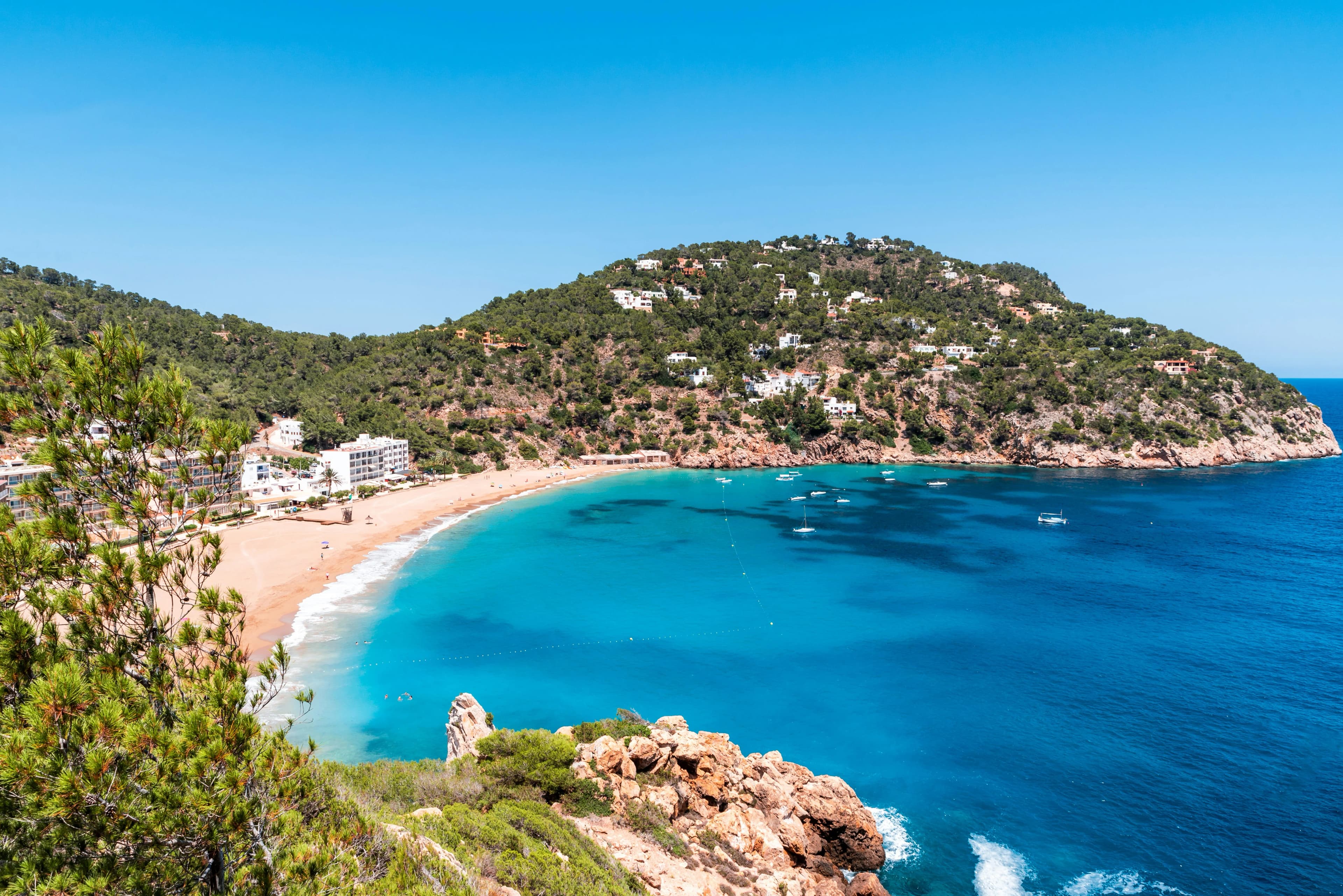
Beachfront Location Nomad Hotel Cala Finestrat in Benidorm offers direct beachfront access with a sun terrace and lush garden. Guests can relax by the year-round outdoor swimming pool or enjoy the

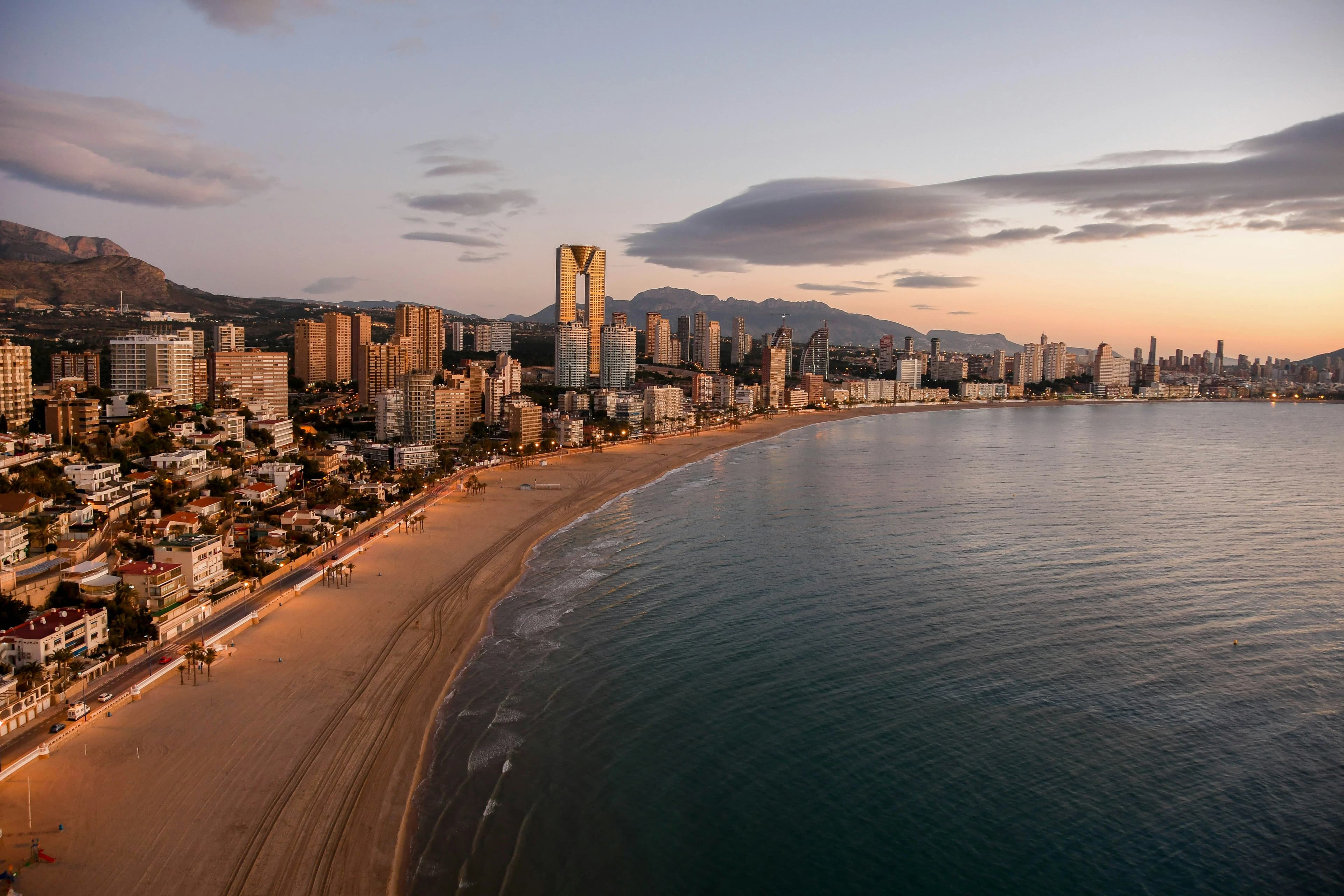
Benidorm is frequently misread. Its density of high-rise towers, which makes it one of the most vertically concentrated cities in Spain, is precisely what gives its upper-floor suites their advantage: unobstructed panoramic views across both the Levante and Poniente bays, with the Mediterranean extending to the horizon. This is a city where altitude translates directly into experience. A well-chosen luxury hotel suite here delivers something that low-rise coastal retreats in quieter destinations cannot: a command perspective over sea, city, and sky simultaneously.
4 hotels available

Beachfront Location Nomad Hotel Cala Finestrat in Benidorm offers direct beachfront access with a sun terrace and lush garden. Guests can relax by the year-round outdoor swimming pool or enjoy the

Offering an outdoor pool and a terrace at the 17h floor, Hotel Primavera Park offers rooms with a furnished terrace in Benidorm, 2297 feet from Mal Pas Beach. Alicante Airport is 40 minutes' drive aw

Set on 2 golf courses with views of Gran Bahía Bay, the Level at Meliá Villaitana is built in the style of a Mediterranean village, with outdoor pools and an artificial beach. The hotel has a spa wit

Located next to Levante Beach in Benidorm Old Town, Villa Venecia Hotel Boutique has a terrace with a hot tub and spectacular sea views. Rooms feature a flat-screen TV, hydromassage bath and free Wi-F
Hotels in the area, but in a neighbouring town.

Elegant Accommodations Nomad Hotel & Spa Altea in Altea offers a 5-star experience with spa facilities, a fitness center, terrace, restaurant, bar, and free WiFi. Comfortable Amenities Guests

Exceptional Facilities Barceló la Nucía Hills in La Nucía offers spa facilities, a restaurant, bar, year-round outdoor swimming pool, and wellness packages. Guests can also enjoy a fitness room, b

Exceptional Facilities Barceló La Nucía Palms in La Nucía offers spa facilities, a modern restaurant, bar, and a year-round outdoor swimming pool. Guests can also enjoy a seasonal outdoor pool, we
The destination sits within the Costa Blanca, a stretch of coastline in the province of Alicante that benefits from one of the highest annual sunshine averages in Europe. The microclimate is consistent, the water clarity is high, and the local infrastructure for high-volume hospitality is, paradoxically, one of the most developed on the continent. For travelers who want efficiency alongside comfort, that matters.
The Levante beach faces east and catches the morning light. Hotels positioned along this bay tend to attract a more active guest profile. The promenade is wide, the water is shallow for some distance, and the energy through peak season is consistent from early morning. Suites overlooking Levante offer a particular quality of sunrise light that is worth seeking out deliberately.
Poniente faces west. It is longer, quieter, and structurally better suited to guests who prioritise calm over convenience to the city centre. The late afternoon light on this bay is exceptional, and the residential quality of the surrounding streets gives the area a more composed atmosphere. For travelers seeking privacy alongside sea access, Poniente is the more considered choice.
Perched on a rocky promontory between the two bays, Benidorm's old town is a compact network of whitewashed streets that retains genuine architectural character. Boutique accommodation here is limited but growing. The views from this elevated position take in both bays simultaneously, which is architecturally unique to this city.
The question of timing is more nuanced here than in many Mediterranean destinations. July and August deliver the full coastal experience: heat, light intensity, full hotel occupancy, and the particular energy of the Costa Blanca at its peak. Suite availability at this point requires advance planning, and rates reflect demand accurately.
May, June, and September represent the more considered windows. Temperatures remain comfortably warm for outdoor and water activities, the city operates at a productive pace without the peak-season compression, and suite inventory is more accessible. The light quality in September is particularly valued by photographers and design-conscious travelers.
October through April constitutes what locals call the low season, though this characterisation undersells the destination for a specific type of traveler. Benidorm is one of the few coastal cities in Spain that maintains genuine year-round activity, partly due to a substantial resident population of Northern European retirees and a conference infrastructure that sustains hotel occupancy outside summer. Winter suite rates can represent significant value for travelers who do not require beach conditions.
Spain does not operate a formal Palace designation in the way France does, but the national hotel classification system does recognise five-star gran lujo status, which applies to properties meeting the highest standards across space, service ratio, and facility provision. Within Benidorm specifically, the hospitality infrastructure has matured considerably over the past two decades. Properties that began as large-format resort hotels have invested in suite-level floors with private check-in, butler service access, and dedicated lounge facilities.
What distinguishes a genuinely well-appointed suite in this city is the view orientation combined with the quality of outdoor space. A terrace in Benidorm is not an amenity: it is the primary architectural feature. Suites without a substantive outdoor component should be evaluated carefully. The best options in this market will offer a terrace of meaningful proportions, with direct sea exposure and no obstruction from adjacent structures.
The service model in Benidorm's upper-tier properties reflects the city's volume hospitality heritage, which means that operational efficiency is typically strong. Where properties have invested in genuine suite programs, the transition from large-resort logic to personalised service is the most important differentiator to assess before booking.
Several practical considerations apply specifically to this destination. First, floor level matters more here than in almost any other coastal city. The difference between a suite on the eighth floor and one on the twenty-fifth can be substantial in terms of both view quality and noise exposure. Confirm the exact floor position and the orientation before committing.
Second, assess the terrace dimensions with precision. Benidorm's architectural density means that some terraces, while technically present, offer limited usable space or face into internal courtyard structures rather than the sea. Request floor plan documentation or verified photography before booking.
Third, consider the hotel's position relative to the bay of your preference. Levante-facing suites and Poniente-facing suites offer fundamentally different daily rhythms. Neither is objectively superior, but the choice should be deliberate rather than incidental.
Finally, evaluate the building's age and renovation history. Many of Benidorm's towers date from the 1970s and 1980s. Those that have undergone comprehensive refurbishment in the past decade will offer a materially different physical environment from properties that have received only cosmetic updates.
Benidorm presents a specific research challenge: the volume of accommodation is high, the marketing language is frequently undifferentiated, and the gap between a standard room, a superior room labelled as a suite, and a genuinely exceptional suite experience is wide. The word suite is applied inconsistently across the Costa Blanca market, which makes independent research time-consuming and unreliable.
La Suite applies a consistent evaluation framework across every property in this destination: space per guest, view quality, terrace usability, service differentiation, and the degree to which the suite experience is architecturally distinct from the standard room product. The curated selection by La Suite removes the research burden and surfaces only those options that meet a threshold worth the name.
For travelers whose time has value and whose standards are specific, the curation layer is not a luxury. It is a practical tool. Benidorm rewards the traveler who approaches it with knowledge and precision. The city is more sophisticated than its reputation allows, and the right suite, in the right building, facing the right bay, at the right time of year, is a genuinely compelling Mediterranean proposition.

Benidorm has developed a credible upper tier of hotel accommodation alongside its mass-market offering. Several five-star properties operate dedicated suite floors with private facilities, butler access, and high-specification finishes. The key is selecting properties that have invested in a distinct suite program rather than simply designating larger standard rooms as suites.
The choice depends on your preferred daily rhythm. Levante faces east and receives morning light, with a more active promenade atmosphere. Poniente faces west, is longer and quieter, and offers exceptional late afternoon light. Both bays have quality accommodation options, and the decision should be made deliberately based on how you intend to use the space.
May, June, and September offer the most balanced conditions: warm temperatures, strong light quality, and better suite availability than the peak July-August window. October to April can represent strong value for travelers who do not require beach conditions, as Benidorm maintains year-round activity unlike most comparable coastal destinations.
Given Benidorm's density of high-rise development, floor position is a critical variable. Suites below the tenth floor risk partial obstruction from adjacent buildings. For genuinely unobstructed panoramic views across the bay, properties above the fifteenth floor are generally more reliable, though this varies by building position and orientation. Always confirm the exact floor level before booking.
The terrace is the primary architectural feature of any well-chosen Benidorm suite. Confirm usable square meterage, sea-facing orientation, and that the terrace does not face an internal courtyard or adjacent tower. Request verified floor plans or professional photography rather than relying on marketing images, which can misrepresent proportions significantly.
Spain does not use the Palace designation as France does. The national classification system recognises five-star gran lujo status as its highest tier, which applies to properties meeting defined standards across space, service ratios, and facilities. Within Benidorm, this designation identifies the properties most likely to operate a genuine suite program with differentiated service.
The Casco Antiguo, the original whitewashed village perched between the two bays, offers a structurally distinct experience from the tower hotels along the seafront. Boutique accommodation here is limited but growing, and the views from this elevated position take in both bays simultaneously. It suits travelers who prioritise architectural character and calm over direct beach access.
For July and August, suite inventory at the better properties in Benidorm can be exhausted three to six months in advance. The city operates at very high occupancy during peak season, and suite-level rooms are a small proportion of total inventory. Booking in the January to March window for a summer stay is a practical approach for securing specific floor levels and orientations.
This varies considerably between properties. Suites at the upper end of the Benidorm market typically range from 50 to 120 square metres of interior space, with terrace areas adding meaningfully to usable square footage. Properties that have undergone recent comprehensive refurbishment tend to offer better spatial configurations than older towers with only cosmetic updates.
A well-chosen suite in Benidorm reframes the destination entirely. From the upper floors of a quality property, the city reads as a genuinely dramatic Mediterranean landscape rather than a resort strip. The private terrace becomes a functional living space with sea views, the quality of light at both sunrise and sunset is architecturally significant, and the separation from the density at street level gives the stay a composure that transforms the overall experience.

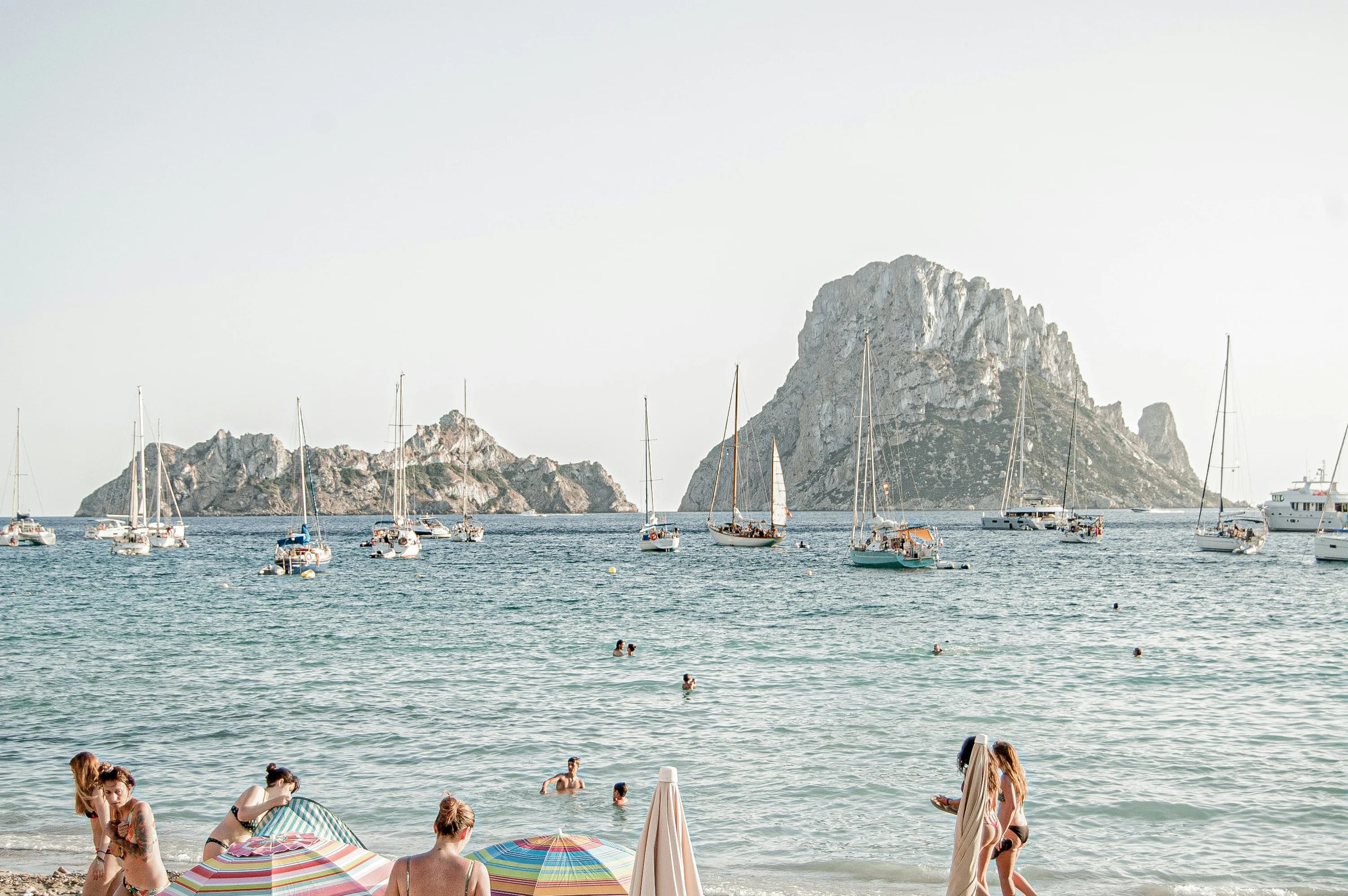
Ibiza has long been misread as a monolithic destination. Santa Eulària des Riu corrects that reading quietly and without fanfare. It is the largest municipality on the island by area, encompassing inland villages like Santa Gertrudis de Fruitera and Sant Carles de Peralta alongside a genuinely calm coastline. The architectural language here leans Moorish and rural: thick whitewashed walls, flat roofs, and terraced gardens that hold the heat differently from the glass-and-steel vernacular found elsewhere in Spain. Choosing a luxury suite in this part of the island is a deliberate act. The traveler who books here is not looking for proximity to a festival stage. They are looking for the version of Ibiza that existed before the island became shorthand for excess.

106 km away
Valencia is a mid-sized city with a compact, walkable historic core, and the question of where to position yourself matters considerably. The choice of neighborhood shapes the entire register of a stay.

141 km away
Ibiza is a small island of approximately 572 square kilometres, but its interior geography produces genuinely different atmospheres that should inform where you choose to stay.