The distinct areas of Costa Blanca for a luxury suite stay
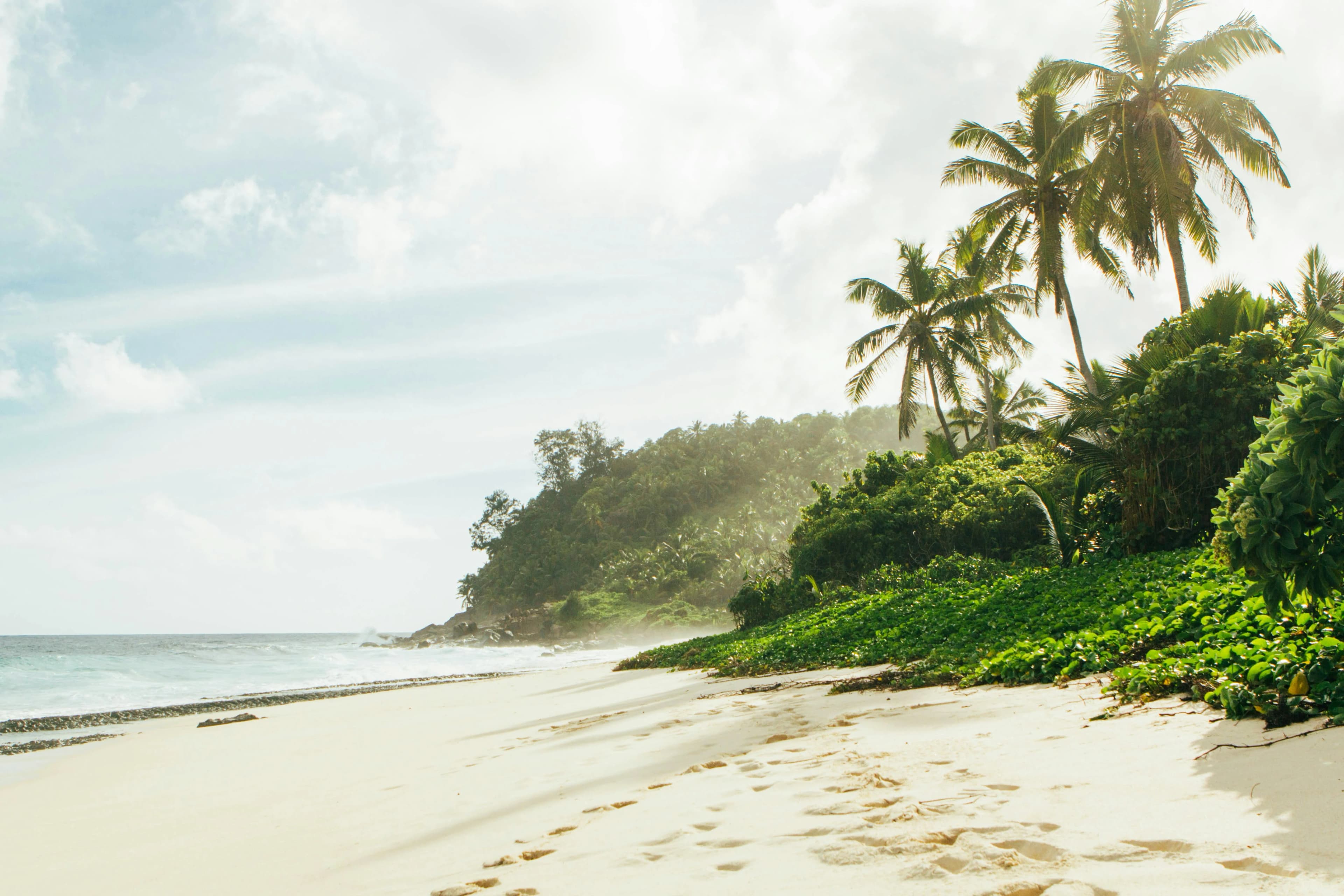
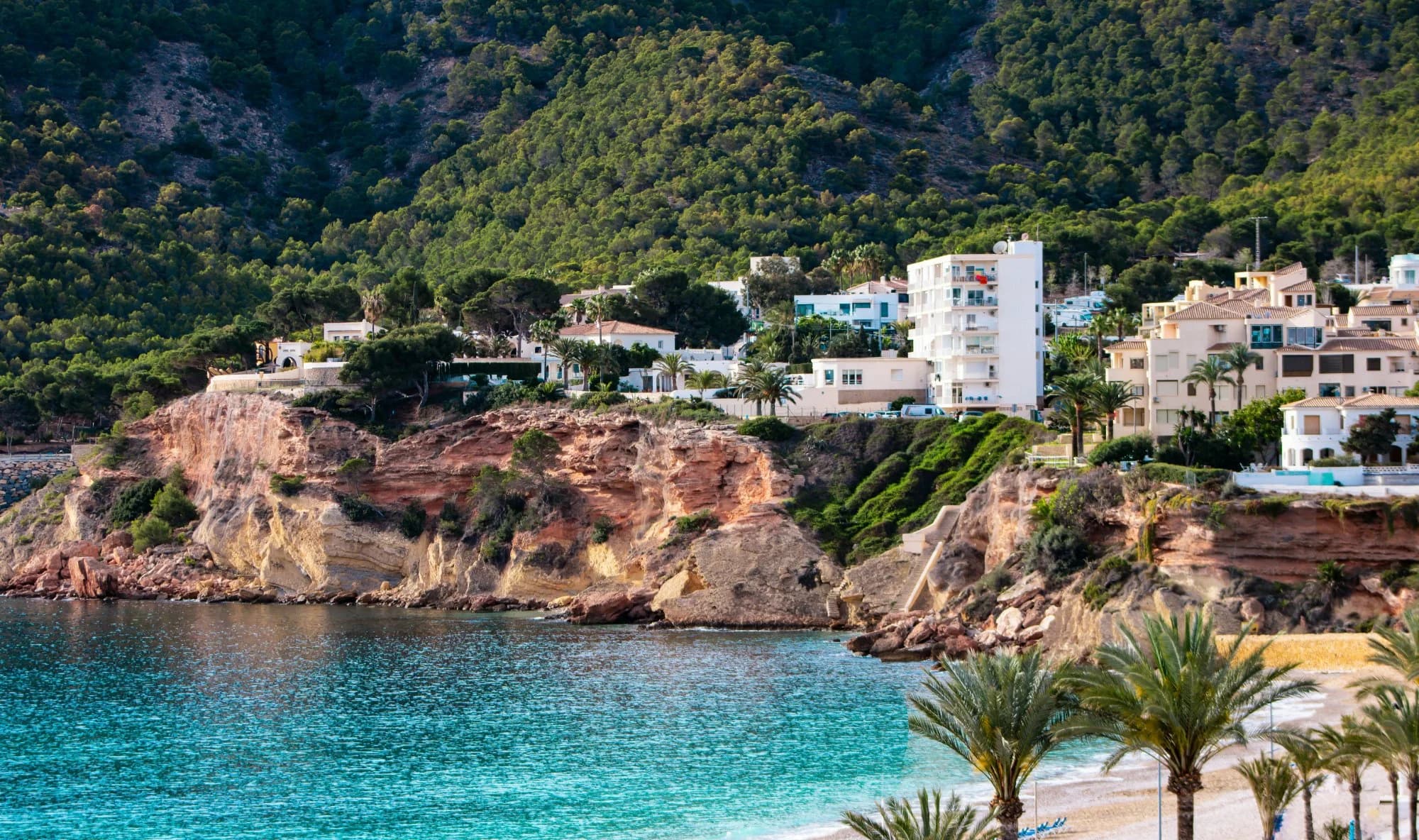
The northern stretch, running from Denia down through Javea, Moraira, and Altea, is the more architecturally rigorous of the two. The coastline here is defined by rocky capes, clear deep water, and whitewashed hillside villages that have attracted a largely European residential community of considerable taste. Properties in this corridor tend to integrate into the terrain rather than dominate it. Expect suites that prioritize privacy, natural materials, and direct sea orientation. The towns retain genuine local life alongside international presence, which gives extended stays a sense of cultural texture beyond the resort model.
Altea, in particular, carries a distinct visual identity: a hilltop old town of blue-domed churches and narrow lanes that has long served as a base for painters and ceramicists. Staying in a suite with proximity to this town offers access to a slower, more considered version of the Costa Blanca.
The area around Calpe is notable for the Penon de Ifach, a dramatic limestone monolith that rises from the sea and visually anchors the entire central coast. Suites positioned with views toward this formation occupy some of the most photographically distinctive real estate on the Spanish Mediterranean.
The southern section of Costa Blanca, extending from Benidorm down toward Torrevieja and the salt lagoons near the Murcia border, operates on a different scale. Benidorm itself is a high-density resort city, largely outside the scope of curated suite travel. However, the areas south of it, including the cape at Santa Pola and the inland palm groves of Elche (a UNESCO World Heritage Site), offer a more grounded form of regional luxury with access to a genuinely singular landscape.
When to visit Costa Blanca for the best suite experience
Costa Blanca holds one of the most consistent climates in continental Europe. Annual sunshine hours in the Alicante province regularly exceed 3,000, and the Tramontana wind that occasionally affects the Catalan coast is largely absent here. This makes the region viable for suite travel across a much longer season than most Mediterranean destinations.
The shoulder seasons of April through early June and September through November are the periods most suited to the kind of considered, unhurried travel that a luxury suite stay enables. Temperatures are moderate, the landscape retains color from spring rains or post-summer warmth, and the properties operate below summer capacity, which translates directly into better service ratios and availability at premier suites.
July and August remain the peak months. Coastal roads become congested, premium suite inventory at the better northern properties fills weeks in advance, and the quality of experience at shared facilities declines with volume. For travelers who can only travel in summer, booking three to four months ahead is the practical minimum for suites at serious properties.
March brings the Moors and Christians festivals to several inland towns, most notably Alcoy, one of the oldest and most elaborate in Spain. October and November see the rice harvest across the Valencian hinterland, a quietly significant cultural event that connects the coast to its agricultural interior. These moments add seasonal depth to what might otherwise read as a purely coastal itinerary.
Local luxury standards: what to expect from top suites in Costa Blanca
Spain does not operate a formal national hotel category equivalent to the French Palace designation. Classification in the Valencian Community, which governs Costa Blanca, follows the standard Spanish Gran Lujo (five-star grand luxury) system, supplemented by the national five-star system. In practice, the distinction between a five-star property and a genuinely exceptional suite experience often comes down to architectural lineage, ownership values, and operational philosophy rather than official stars.
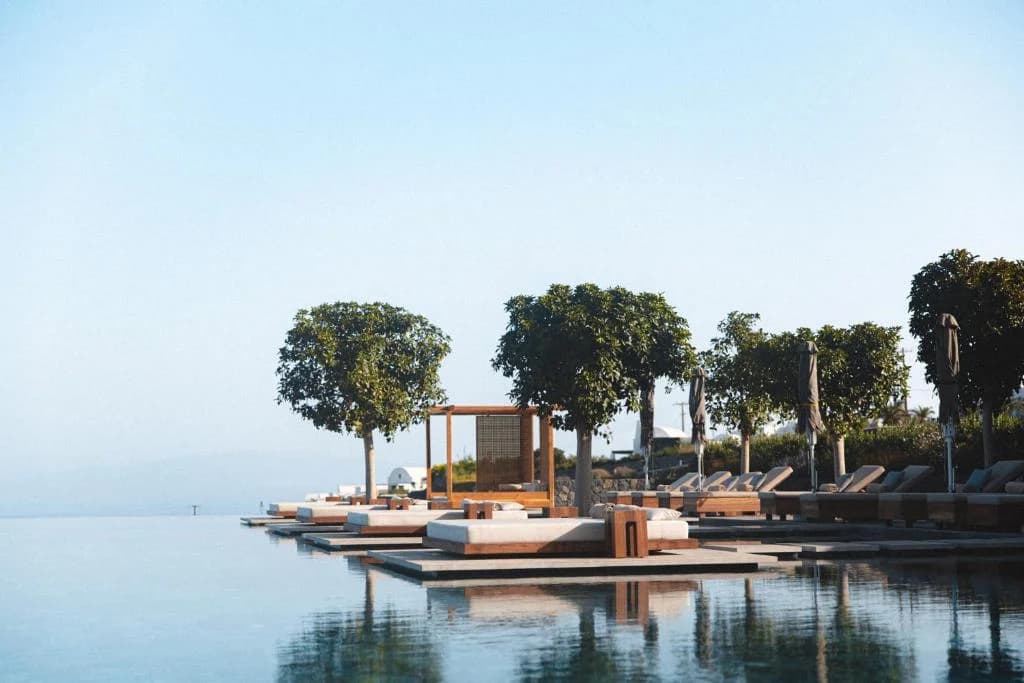
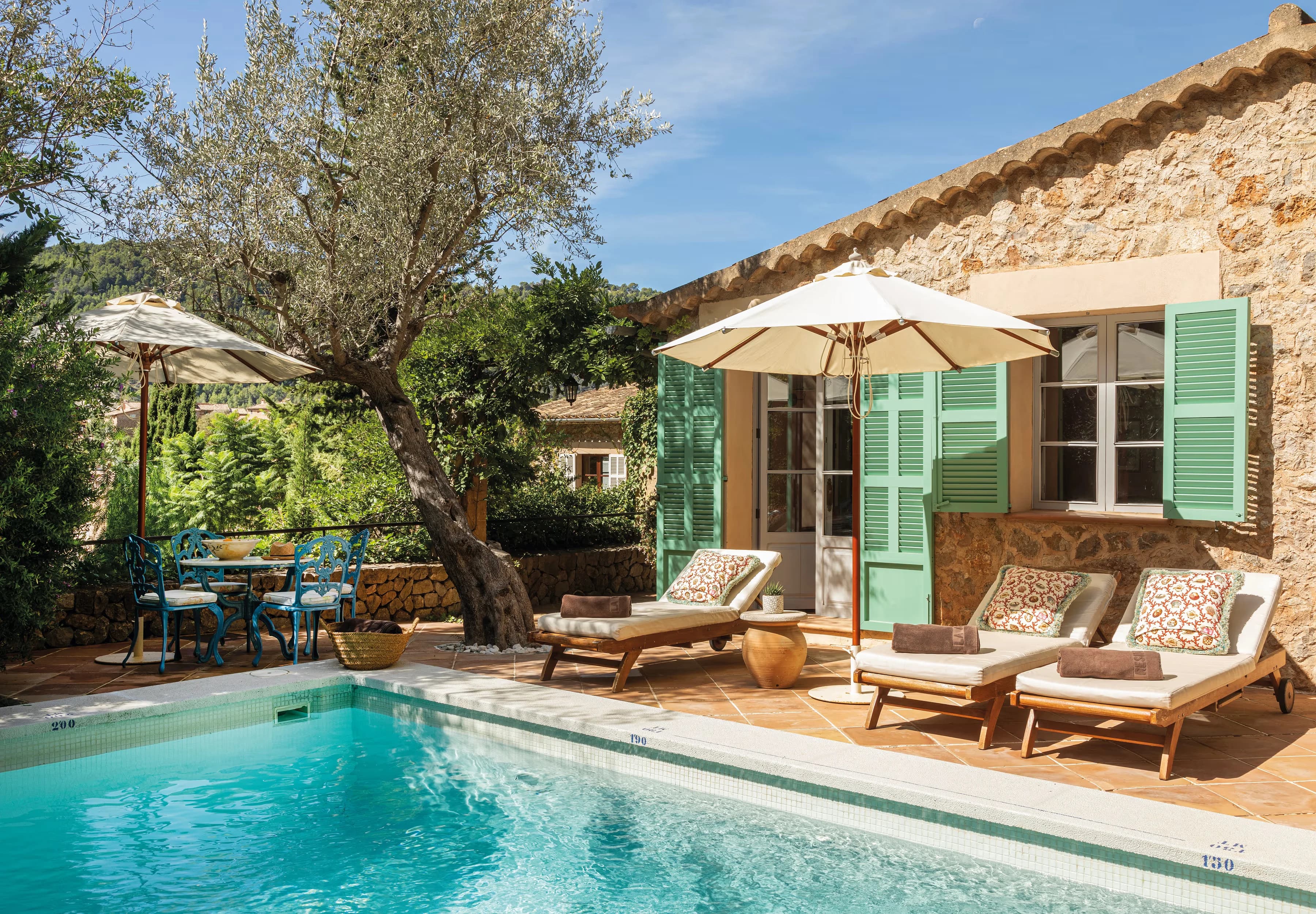
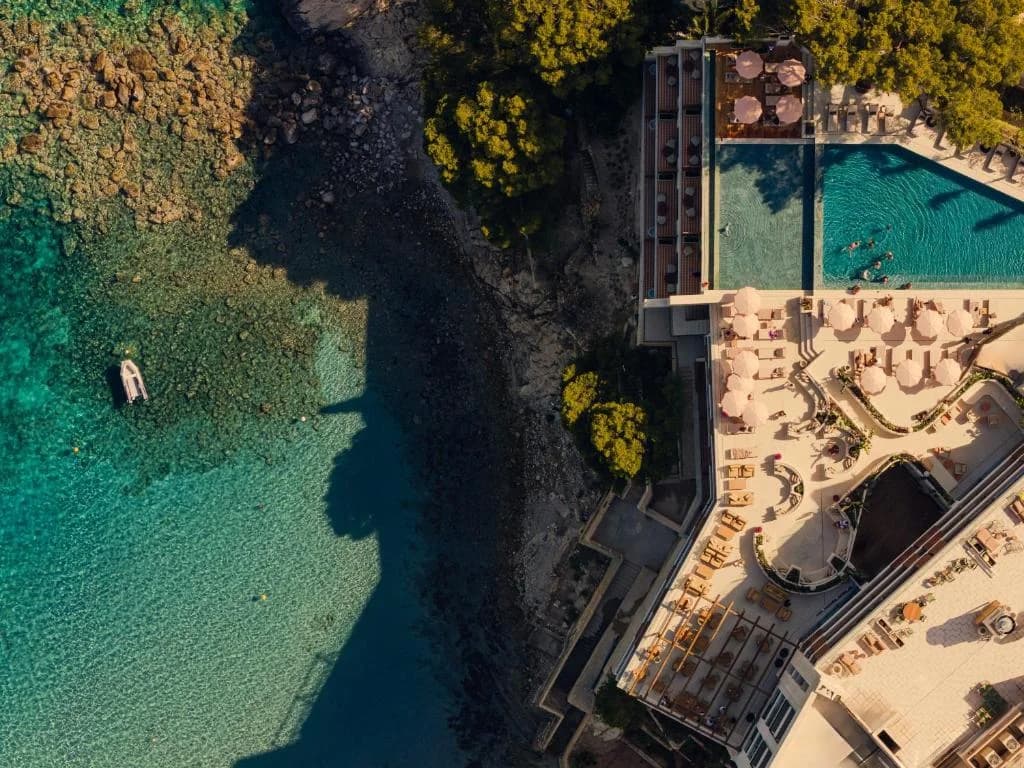
The most compelling suite properties along Costa Blanca tend to fall into two typologies. The first is the converted estate or historic manor, often set slightly inland or on elevated ground above the coast, where agricultural land, centuries-old terracing, and original stone construction create a spatial and sensory experience that purpose-built hotels cannot replicate. The second is the contemporary design hotel, usually situated directly on or above the sea, where architecture, material selection, and the quality of sea views are the primary currency.
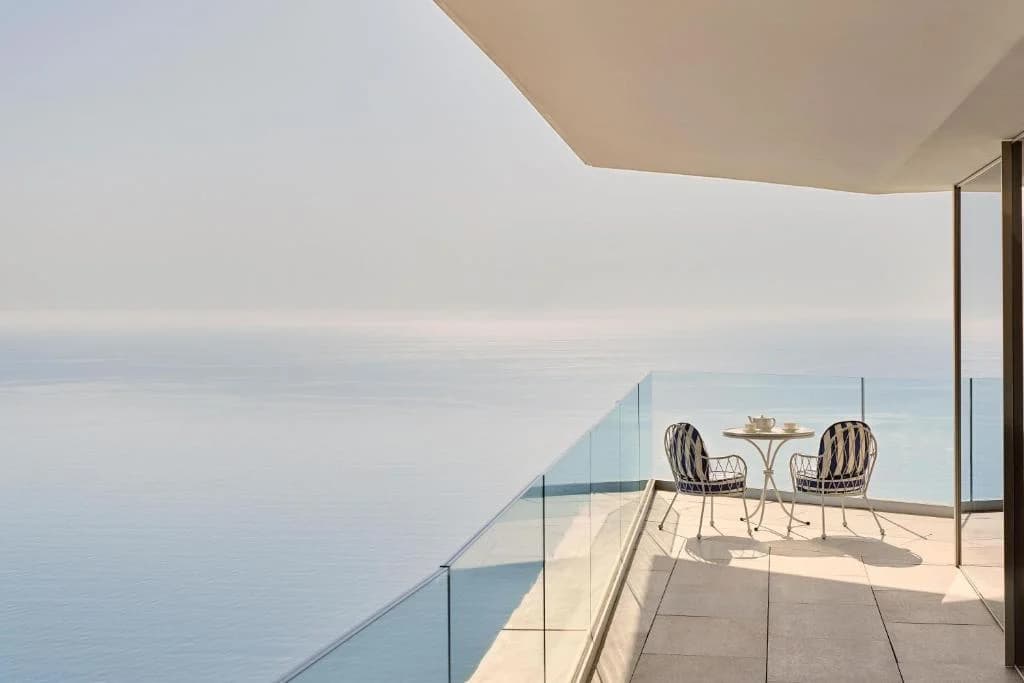
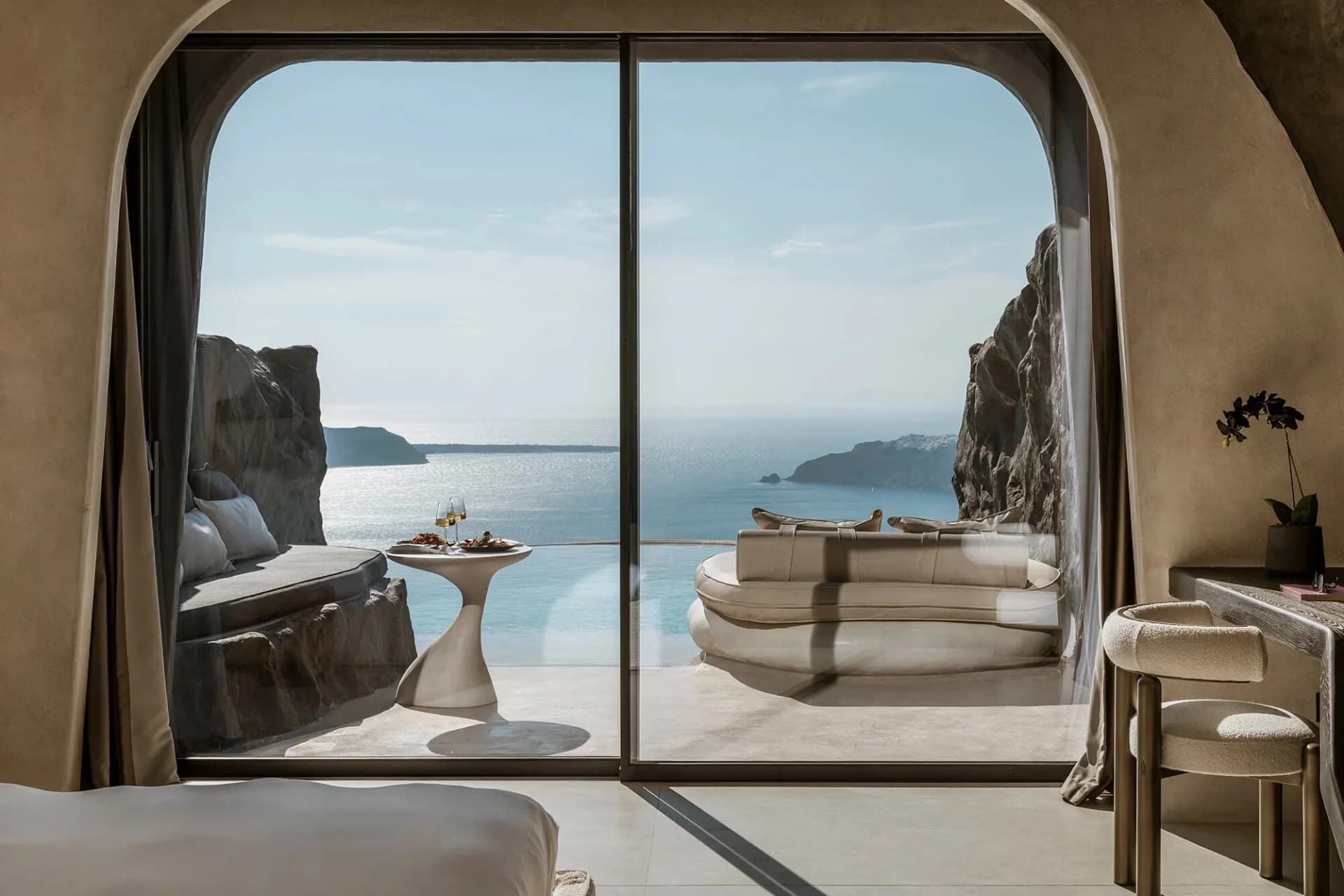
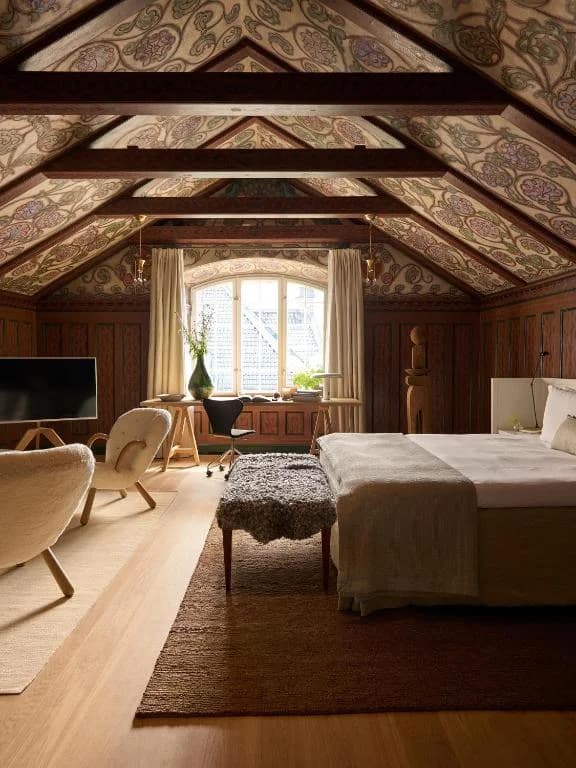
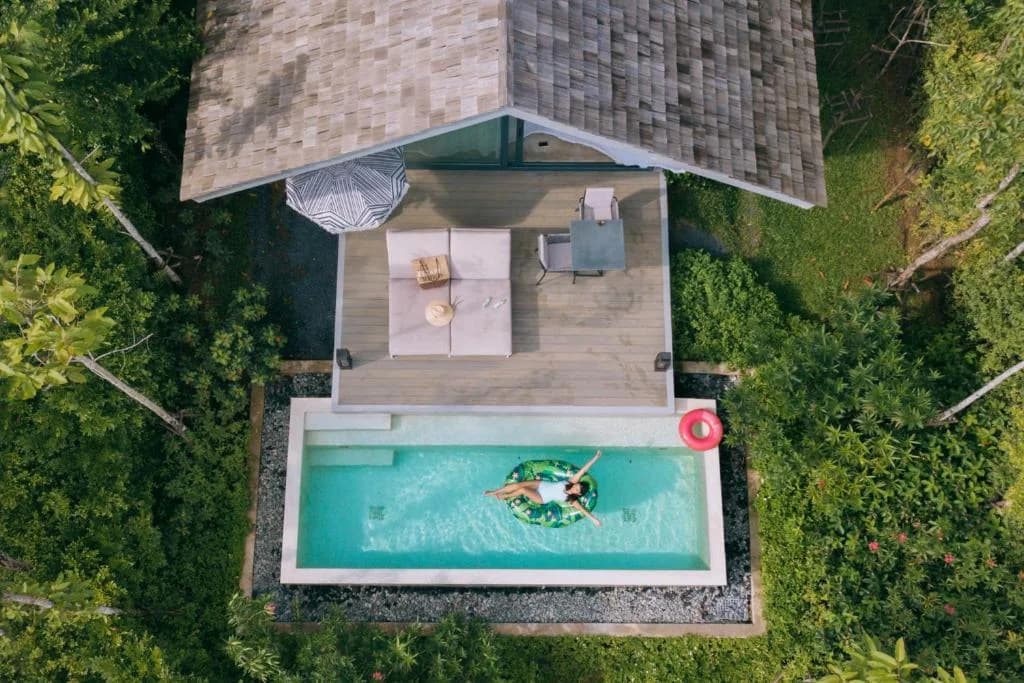
Suites in the finest properties here typically offer private terrace access, direct or framed sea views, and at the upper end of the market, private plunge pools or independent access to shared pool facilities. The local culinary context is also significant: the Valencian coast is the documented origin of paella, and the rice and seafood traditions of this coastline are among the most specific and defensible in Spanish gastronomy. A hotel with serious kitchen investment is a meaningful differentiator in this region.
How to choose the best luxury suite in Costa Blanca
The first decision is orientation: north coast or south. For travelers prioritizing architectural character, marine clarity, and a more residential, design-literate atmosphere, the northern corridor between Denia and Altea is the correct choice. For those seeking wider open landscapes, salt flats, palm groves, and a less discovered version of the region, the southern stretch toward Elche and Guardamar offers a different register entirely.
The second consideration is the relationship between the suite and the sea. Costa Blanca's light, which has an unusual quality of reflection off white limestone, is best experienced from an elevated position. Suites with terraces oriented southwest capture the full arc of the afternoon sun across the water. This is not an aesthetic preference; it is a structural feature of the site that defines the quality of the stay.
Third: proximity to the old town or marina versus complete seclusion. The northern towns have active waterfront cultures, with fishing boats, local restaurants, and morning markets that reward integration. A suite within walking distance of an authentic town center delivers a fundamentally different experience from a clifftop property accessible only by car.
Finally, consider the property's operating season. Some of the finest small luxury hotels on this coast close between November and March, while larger establishments remain open year-round with reduced services. For travelers planning off-season visits, confirming operational status and staffing levels is essential.
Why a curated selection by La Suite matters in Costa Blanca
The Costa Blanca market is uneven. Between a handful of genuinely exceptional suite properties and a large volume of four and five-star hotels that meet technical criteria without delivering an experience commensurate with the price, the gap is significant. Surface-level research, whether through aggregator platforms or general travel guides, rarely surfaces the properties where spatial quality, service culture, and site integrity align.
La Suite applies a consistent editorial framework to every property in its selection: the architecture and integration into the landscape, the quality and privacy of the suite itself, the caliber of the kitchen, and the coherence of the overall experience. On a coastline where the distance between a genuinely considered property and a competently run hotel can be measured in the same star rating, this distinction is the only reliable guide.
The curated selection by La Suite for Costa Blanca is built for travelers who have already decided that the suite is the starting point, not the upgrade. It removes the research burden and delivers a shortlist of properties where the decision is already a sound one.