Best areas to stay in Costa Brava for luxury suites
The northern coast: Cap de Creus to Roses
The northernmost stretch, anchored by the Cap de Creus natural park, is the most geologically dramatic part of the region. The landscape here is arid, rocky, and wind-scoured by the Tramuntana. Towns like Cadaqués, accessible only by a single winding road, have historically attracted painters, architects, and intellectuals rather than resort tourists. Properties in this zone tend toward architectural minimalism, where the relationship between interior space and the surrounding terrain matters more than amenity volume. Suites here offer a sensory austerity that positions itself far from conventional resort comfort.
The central coast: L'Escala to Begur
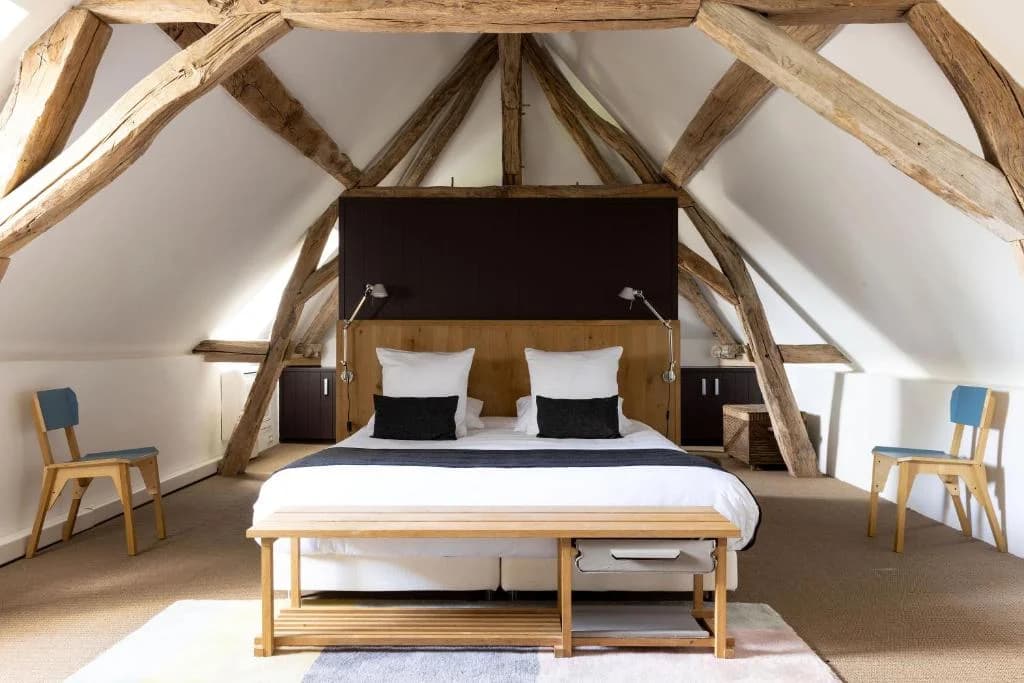
The central stretch of Costa Brava contains some of the region's most balanced luxury propositions. Begur, perched on a hill above its beaches, is surrounded by protected coves. The area around Pals and Peratallada contains medieval stone villages that have been preserved with unusual rigor. Luxury hotels in this zone often occupy converted masies (Catalan farmhouses) or restored historic buildings, where the architecture itself is the primary design statement. Suite categories here typically prioritize volume, stone detailing, and access to private gardens or terraces overlooking farmland or the sea.
The southern coast: Tossa de Mar to Blanes
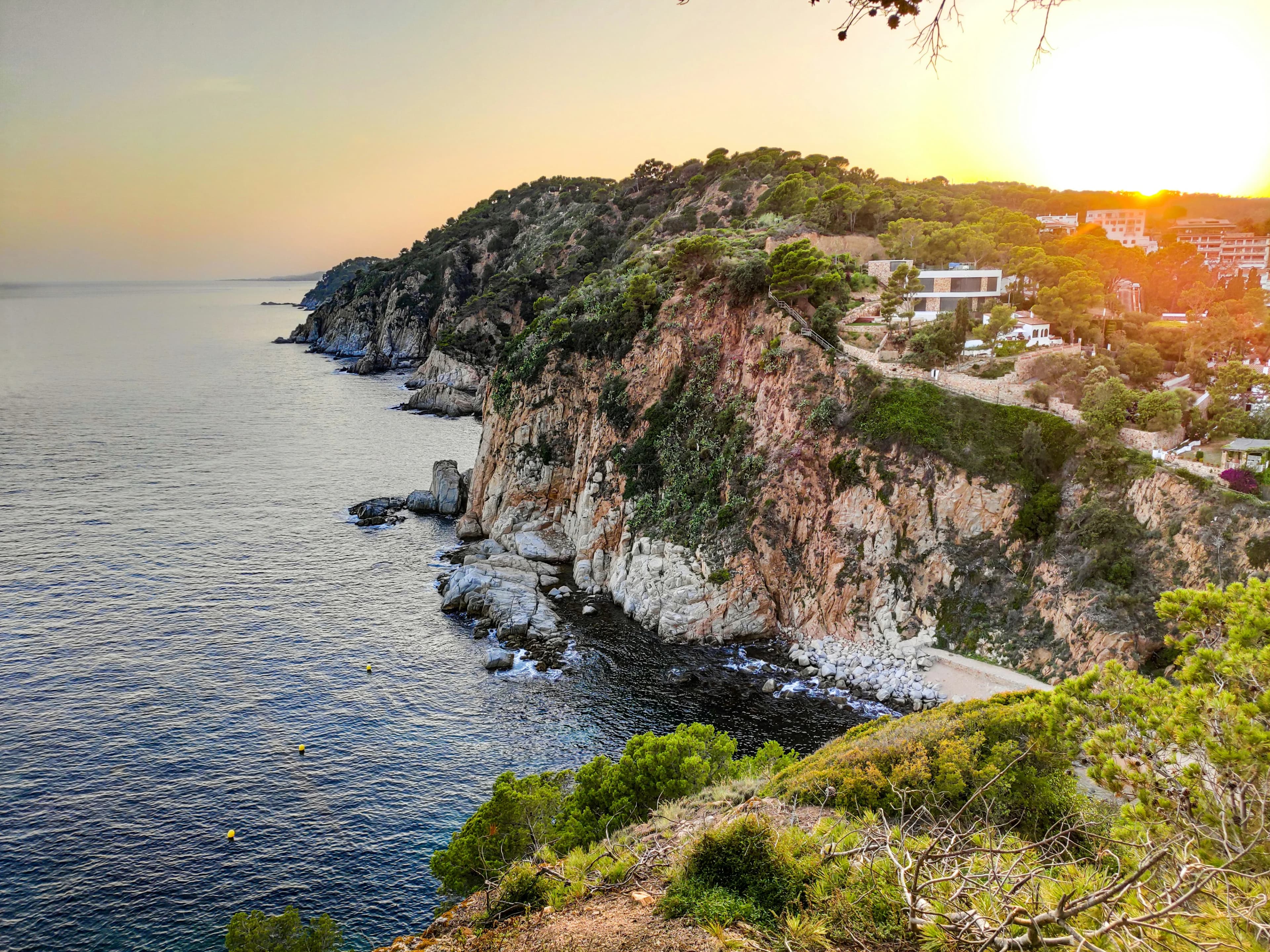
The southern section is more accessible from Barcelona, which affects both its character and its visitor profile. Tossa de Mar retains a walled medieval town and a relatively contained beach. This part of the coast suits travelers who want proximity to Barcelona's airport and city while still anchoring in a coastal property. Luxury hotel suites in this area tend to blend contemporary interiors with positioning that takes advantage of the pine-covered hillsides above the sea.
When to visit Costa Brava for a luxury suite stay
The optimal window for a luxury suite stay in Costa Brava runs from late April through June and from September through October. These shoulder seasons deliver warm temperatures, reduced occupancy, and fuller engagement from hotel staff. The light in May and October is particularly clear, important for properties where terraces and views are central to the suite proposition.
July and August bring peak demand across the region. Suite rates at leading properties are at their highest, and the coves and coastal roads become congested. That said, the summer season also concentrates cultural programming: the Cap Roig Festival near Calella de Palafrugell, one of the most distinctive open-air music events in Spain, runs through July and August in an extraordinary botanical garden setting.
Winter is quiet and, in the northern coast especially, austere. Properties that remain open between November and March offer significantly different pricing and an experience defined by solitude, working fireplaces, and off-season access to landscapes that summer crowds obscure.
Local luxury standards: what to expect from top-tier suites in Costa Brava
Spain's official hotel classification uses a five-star system, with a separate Gran Lujo designation for the highest tier. In Catalonia specifically, the regional government applies its own quality assessments alongside national standards. Neither system, however, is the most reliable indicator of suite quality in Costa Brava. Many of the region's most considered properties are small, independent hotels that operate outside the grand resort model.
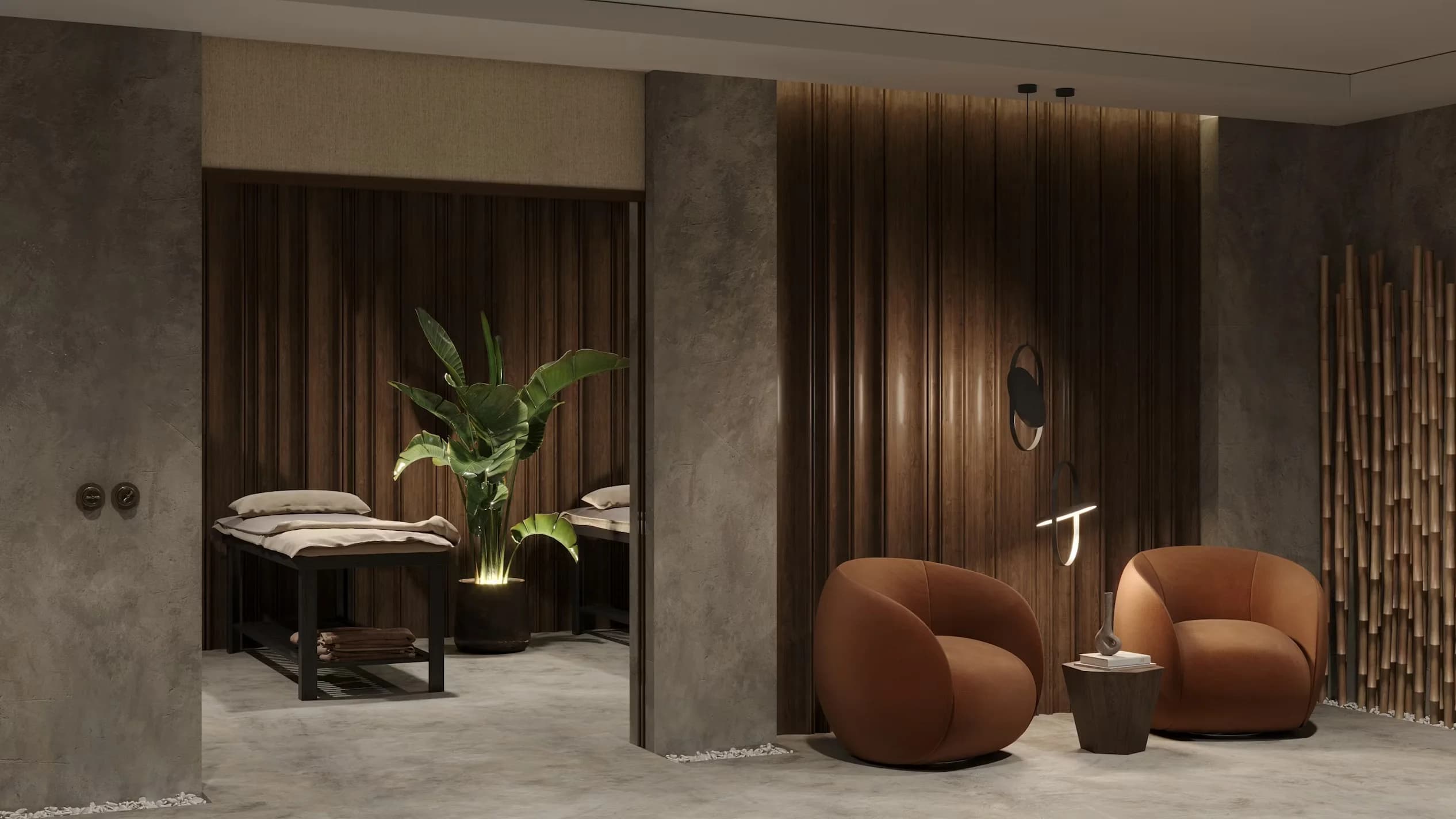
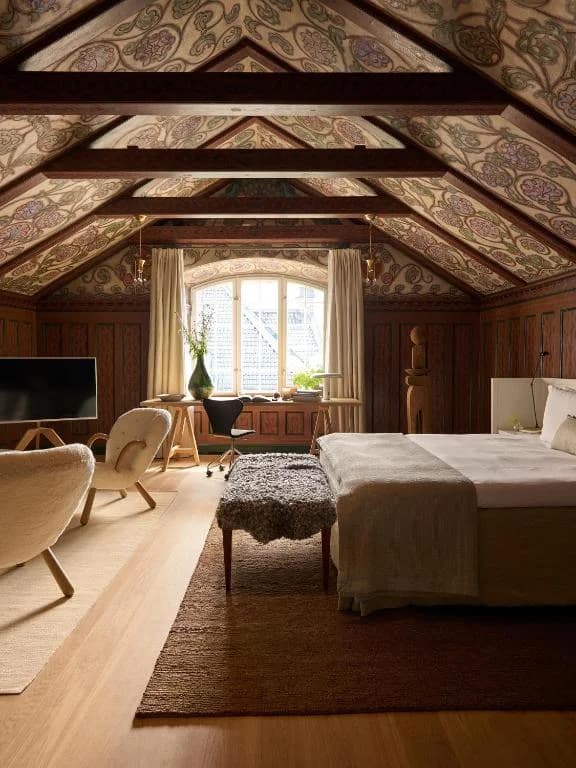
The defining characteristic of the best luxury suites here is material honesty. Exposed stone, local ceramics, handmade textiles from Catalan artisan producers, and wood sourced from the surrounding forests appear frequently in properties that have been built or restored with architectural intention. The culinary standard is high: Catalonia holds more Michelin-starred restaurants per capita than most European regions, and Costa Brava in particular, through figures like Ferran Adrià and the ongoing influence of elBulli's legacy, has shaped how contemporary fine dining is understood globally.
Suite guests at the region's top properties can expect direct terrace access, in-suite dining with menus drawn from local fishing and agricultural networks, and, at the more architecturally significant properties, bespoke furniture and art collections that are specific to the building's history.
How to choose the best luxury suite in Costa Brava
The first decision is geographic. The northern coast offers isolation and landscape drama at the cost of convenience. The central coast balances access, cultural density, and a wider range of property types. The southern coast prioritizes proximity to Barcelona. Clarity on this dimension narrows the relevant inventory considerably.
The second consideration is architectural character. Converted historic properties, typically masies or medieval village buildings, deliver a material richness that purpose-built luxury hotels cannot replicate. However, they also come with structural constraints: room dimensions may be less generous, and amenity profiles like spa facilities or large pools are sometimes limited by the original building's footprint. Contemporary builds, particularly those designed by Catalan architects with a strong relationship to the landscape, offer spatial generosity and technical precision.
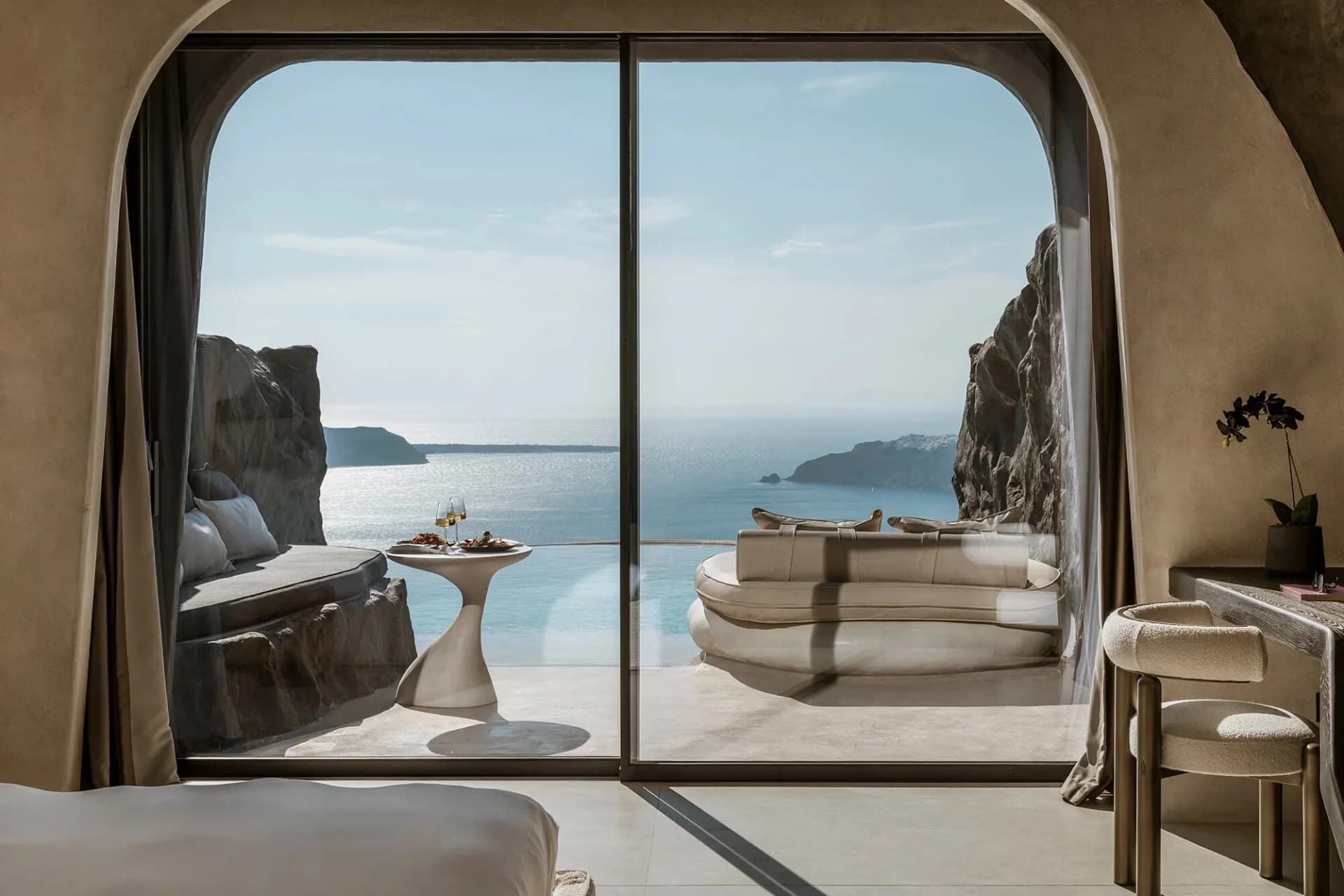
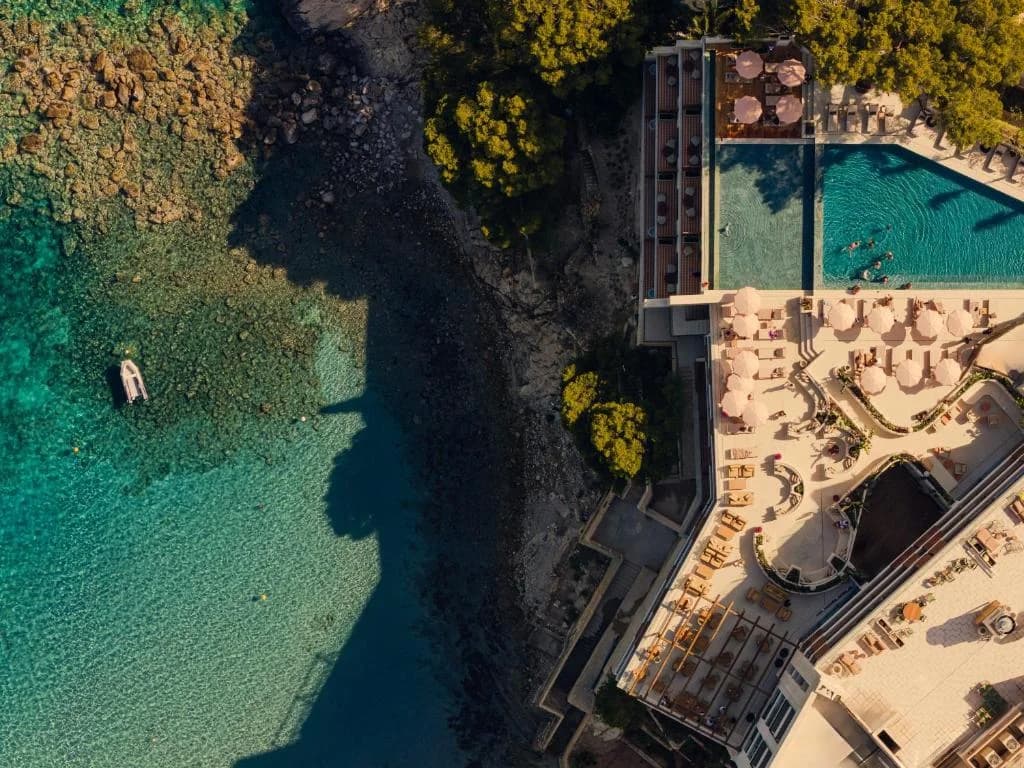
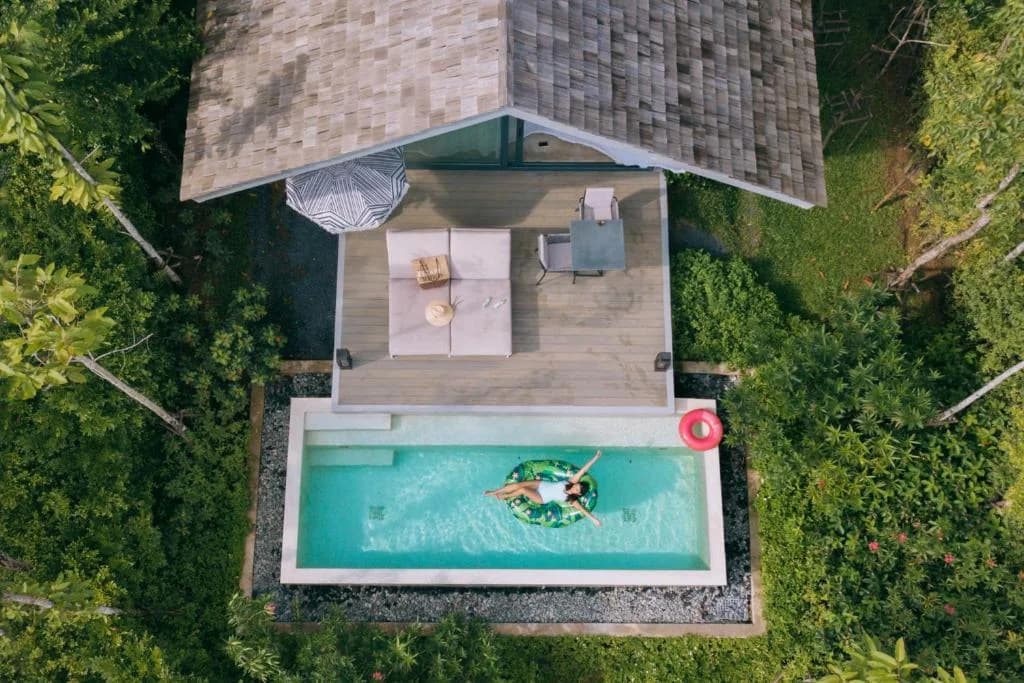
The third factor is the relationship between suite and exterior space. In Costa Brava, the outdoor component is as important as the interior. A suite with a private plunge pool, a terrace with a direct sea or forest view, or direct access to a private cove section changes the nature of the stay fundamentally. These features are not uniform across properties and should be verified with precision before committing.
Finally, consider the culinary proposition. Properties with a serious on-site restaurant, ideally one with Michelin recognition or a documented relationship with local producers, extend the suite experience beyond accommodation into a full gastronomic program. This is particularly relevant in Costa Brava, where the regional food culture is an integral part of what makes the destination significant.
Why a curated selection by La Suite matters in Costa Brava
Costa Brava's luxury accommodation market is fragmented. Unlike destinations where a small number of internationally branded properties define the upper tier, this region's finest suites are spread across independent hotels, converted rural estates, and architecturally specific boutique properties that do not always surface through conventional booking platforms.
La Suite approaches this market through direct editorial assessment rather than algorithm-driven aggregation. Each property in the curated selection has been evaluated on suite quality, architectural integrity, service consistency, and the specificity of the experience it delivers relative to its location. The result is a filtered inventory that removes the significant research overhead that Costa Brava's fragmented market would otherwise require.
For travelers whose primary constraint is time rather than budget, this distinction is material. The curated selection by La Suite is the most efficient path to identifying which luxury hotel suites in Costa Brava are genuinely worth the rate being asked.