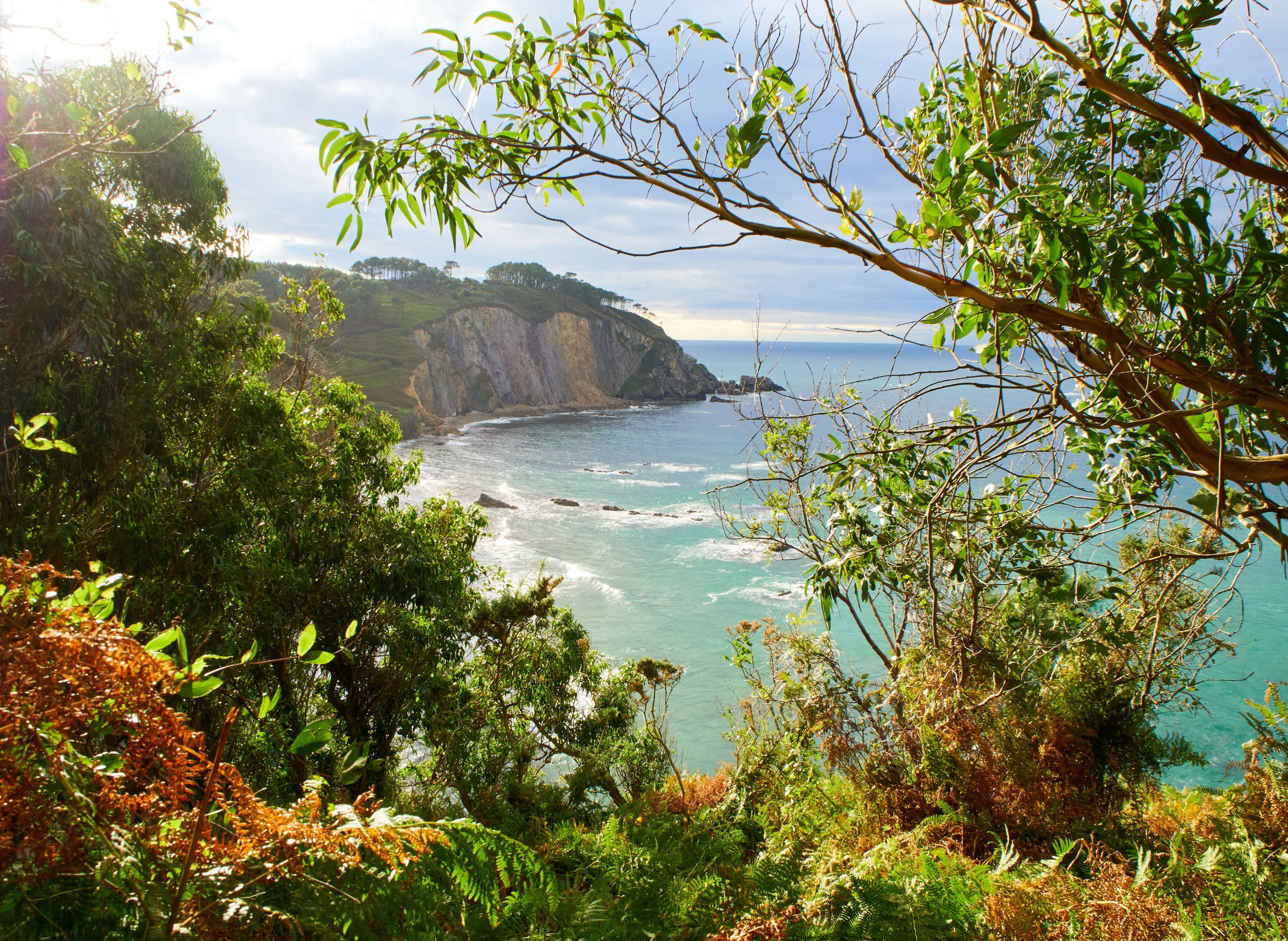
Why Costa de la Luz demands a different kind of stay
Key areas to consider when staying in Costa de la Luz
Tarifa and the southern tip
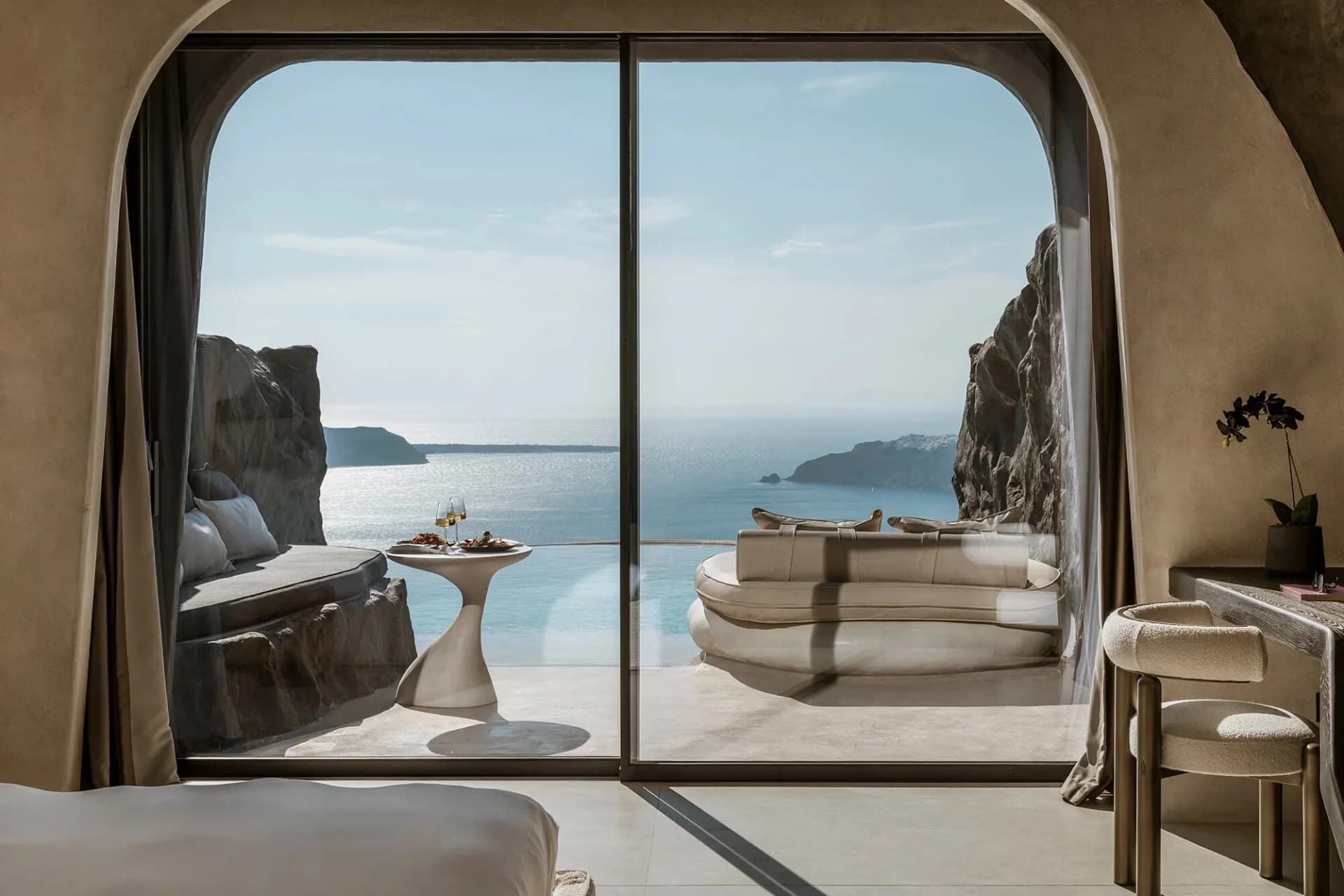
Tarifa sits at the narrowest point between Europe and Africa, with Morocco visible on clear days across the Strait of Gibraltar. The town retains a particular bohemian discipline: independent restaurants, specialist surf and kite schools, and a refusal to over-develop. The surrounding countryside includes protected natural parks and cork oak forests. A luxury hotel suite in this zone typically means low-rise architecture integrated into landscape, with Atlantic views and direct access to some of the longest uncrowded beaches in Spain.
Conil de la Frontera and the central coast
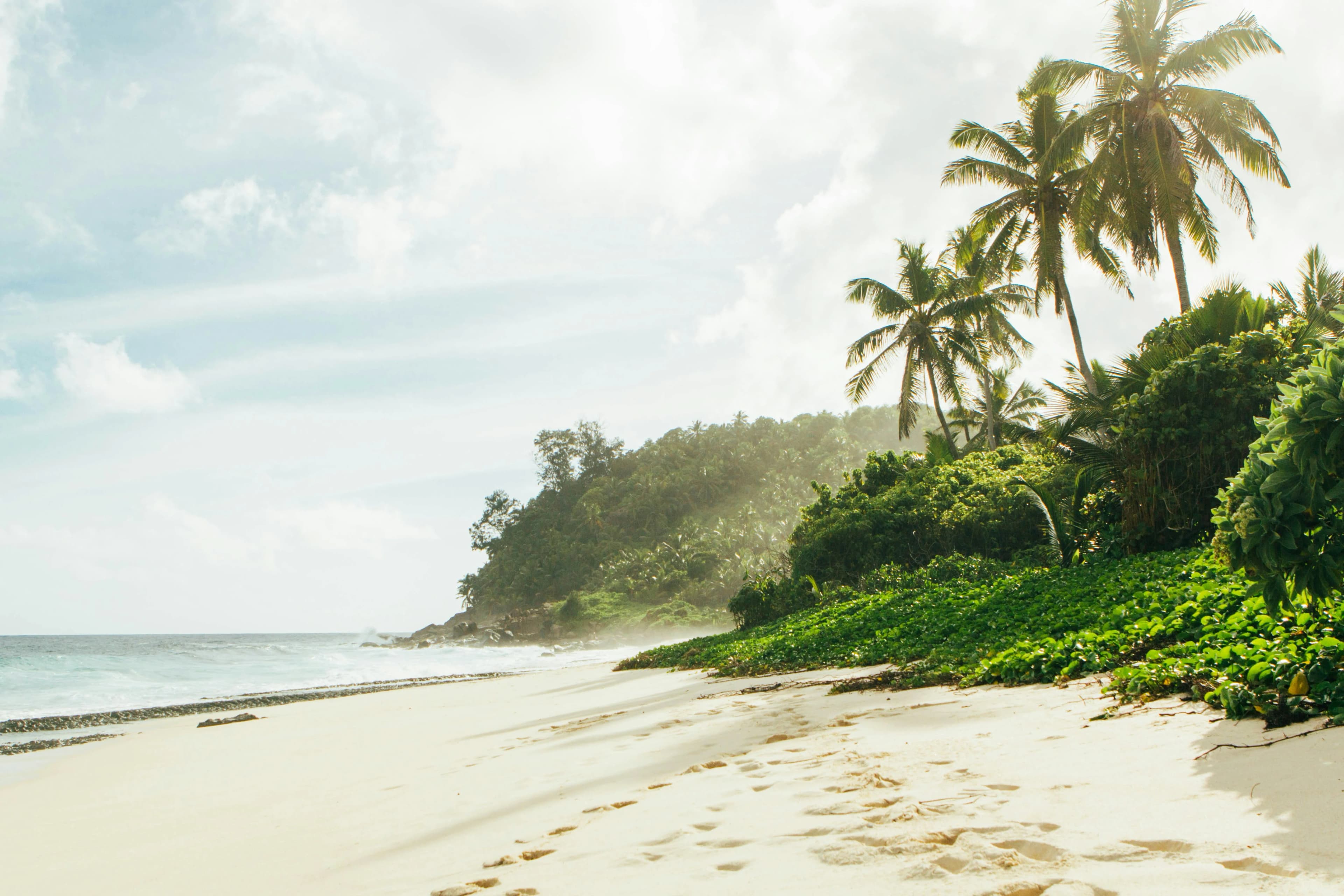
Conil is a whitewashed town with a loyal following among Spanish families, European creatives, and architects who have built private houses in the surrounding hills. The beaches here, particularly Playa de la Fontanilla and the calas to the north, combine fine sand with relatively shallow development behind them. The central coast offers a balance between access to Cádiz (approximately 45 minutes by road) and genuine coastal quiet. Luxury hotel properties in this area tend to favor Andalusian vernacular design: courtyards, natural materials, and carefully oriented terraces.
El Puerto de Santa María and the sherry triangle
Inland from the bay of Cádiz, the towns of Jerez de la Frontera, Sanlúcar de Barrameda and El Puerto de Santa María form what is known as the sherry triangle. A luxury suite positioned in or near this zone places a guest within reach of the world's most significant fortified wine production, Flamenco in its most traditional form (Jerez is considered one of its birthplaces), and the Doñana wetlands. Stays here tend to be culturally immersive rather than beach-oriented.
The Doñana corridor and northern coast
The northern section of Costa de la Luz, bordering the Parque Nacional de Doñana, is ecologically protected and accordingly sparse in accommodation. What does exist here tends to be intimate: small luxury properties oriented toward birdwatching, equestrian activity, and the singular landscape of the Guadalquivir delta. This is appropriate territory for travelers who prioritize natural solitude over amenity density.
When to visit Costa de la Luz
The coast operates on a distinct seasonal calendar. July and August bring Spanish domestic tourism in volume, and while the beaches remain large enough to absorb visitors, suite availability at the finest properties contracts sharply. The most considered time to visit is late April through June, when temperatures along the Atlantic coast sit between 20 and 27 degrees Celsius, the wildflowers are in bloom across the hinterland, and the Feria del Caballo in Jerez (held each May) provides a credible cultural anchor for a longer stay.
September and October represent a quieter second season with warm water temperatures (often reaching 22 degrees Celsius), dramatically reduced crowds, and some of the year's most stable atmospheric light. Winter along Costa de la Luz is mild by northern European standards, with average January temperatures around 12 to 14 degrees Celsius, making it a functional choice for travelers prioritizing privacy and pace over beach activity. The Levante wind season peaks between July and September and is a specific draw for kite and windsurfers, which shapes the character of certain areas during those months.
Local luxury standards: what defines a top-tier suite here
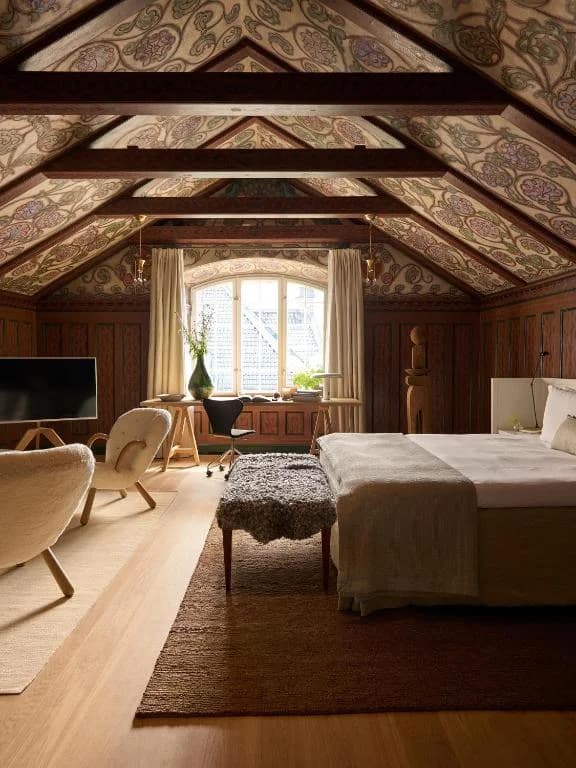
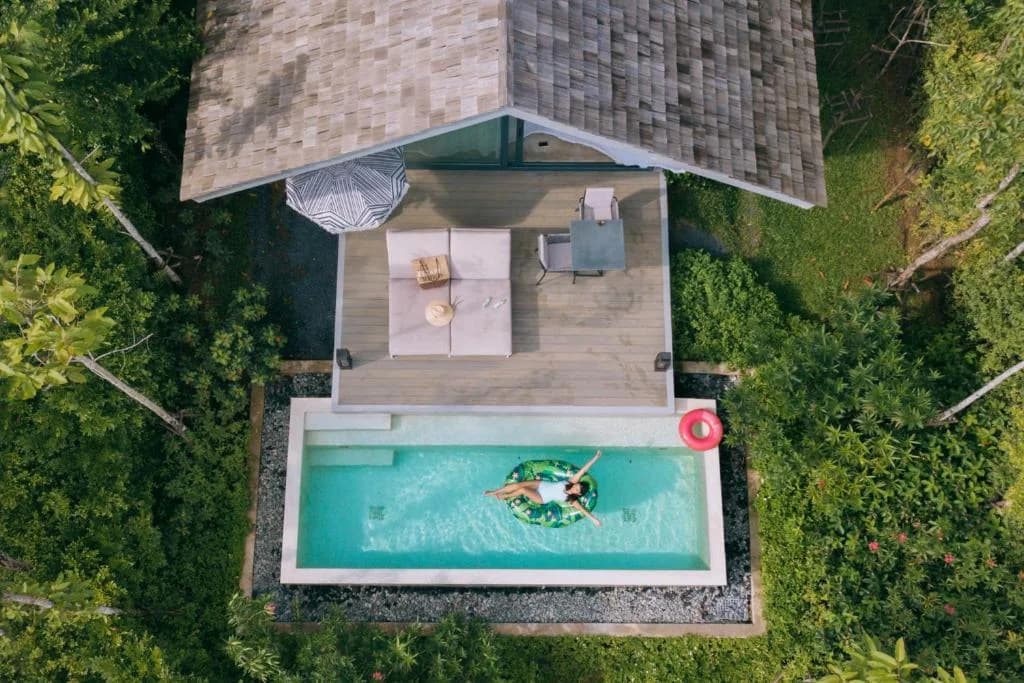
Spain does not operate a formal national Palace classification in the way France does, but Andalusia has developed its own hospitality register over decades. The finest hotels in this region tend to draw on the Parador tradition (state-managed historic properties), on privately developed boutique luxury, and increasingly on design-led rural hotels that apply contemporary architecture to agricultural or coastal vernacular. A luxury hotel suite in Costa de la Luz is frequently characterized by direct terrace or garden access, salt-water pools, locally sourced Andalusian gastronomy, and interiors that reference local craft traditions (hand-painted ceramic work, natural linen, rammed earth or lime-washed walls) without resorting to pastiche.
The concept of the cortijo, a traditional Andalusian farmhouse, has been adapted extensively in the inland areas of Cádiz province. Several high-end properties operate within restored cortijos, offering suite accommodation with the spatial qualities of a private estate combined with structured hospitality. This form of luxury is particular to Andalusia and largely absent from Spain's Mediterranean coast.
How to choose the right suite for Costa de la Luz
The primary decision is positional: Atlantic-facing versus inland. Coastal suites deliver the sensory experience of the ocean, prevailing wind, and direct beach access. They are the correct choice for travelers prioritizing the physical landscape. Inland suites, particularly within the sherry triangle or the Doñana corridor, offer cultural and ecological depth that a purely coastal stay does not replicate.
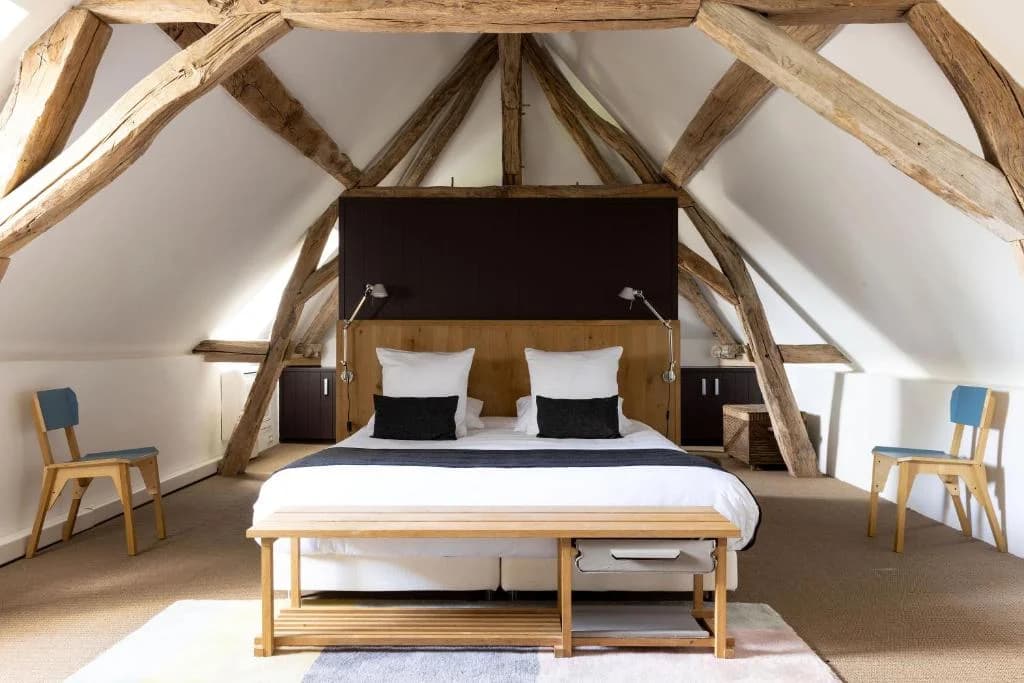
The second consideration is scale. Costa de la Luz skews toward smaller-footprint properties relative to the large resort complexes found on the Costa del Sol. A traveler seeking a 100-square-meter suite with butler service and multiple dining environments should focus on a small number of properties and book well in advance, particularly for spring and early autumn. Equally, a traveler seeking a cortijo suite with an equestrian program should look inland, toward Jerez and its surrounding municipalities, where equestrian culture is embedded in the social fabric of the region.
Practical note: a rental car is effectively mandatory for most stays outside Tarifa and El Puerto de Santa María. The infrastructure between coastal towns is scenic but not optimized for public transit, and many of the most interesting properties sit several kilometers from town centers.
Why curation matters in this destination
Costa de la Luz does not have the saturated accommodation market of Barcelona or the Costa del Sol. The finest luxury hotel suites here are distributed across a long coastline and a culturally rich interior, and they do not always present themselves through conventional luxury booking channels. Some of the most considered properties maintain a deliberately low digital profile, relying on repeat guests and specialist referrals.
The curated selection by La Suite is designed precisely for this kind of destination: where the right choice is not the most advertised one, but the most considered one. La Suite applies editorial judgment to the properties listed on this platform, filtering for spatial quality, architectural coherence, service standard, and the kind of location intelligence that only comes from direct knowledge of the territory. For a coast as particular as Costa de la Luz, that filtering process is not a convenience. It is the difference between an adequate stay and one that is genuinely proportionate to where you are.