Understanding the distinct areas of Costa Dorada for a luxury stay
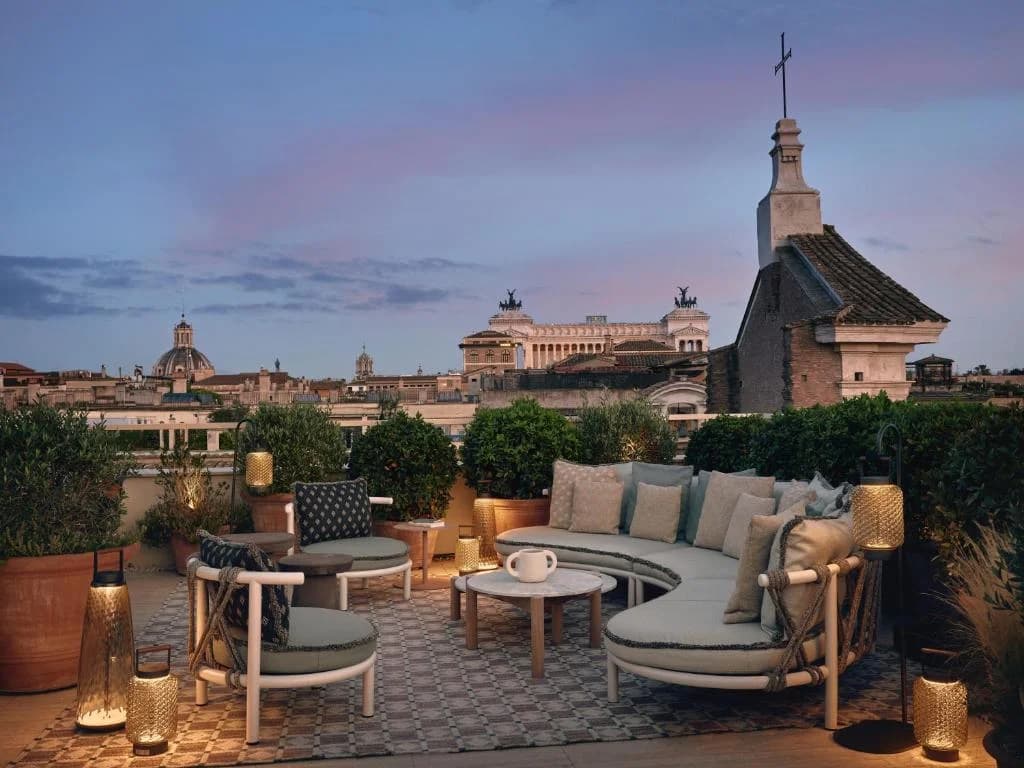
The northern stretch, closest to the Camp de Tarragona, is the most architecturally layered. Tarragona itself is a UNESCO World Heritage city, and properties in this zone position guests within walking distance of amphitheatres, aqueducts, and Roman walls that date to the second century BC. A luxury hotel suite here operates as a private counterpoint to the density of the historic centre: a place to decompress after serious cultural engagement.
The central coastal strip, between Salou and Cambrils, presents a different proposition. Cambrils in particular carries a well-established culinary identity, with a concentration of restaurants recognised by Michelin and a long-standing fishing tradition that still defines the morning market. Suites in this zone suit travelers for whom gastronomy structures the itinerary.
Further south, the Ebro Delta introduces a more austere, ecological landscape. Rice paddies, salt flats, and migratory bird routes define this territory. Accommodation here tends toward the intimate and the design-conscious rather than the grand hotel format, and the sensory experience shifts accordingly: quieter, more mineral, deliberately remote.
Inland, the Priorat wine region commands serious attention. The terraced slate vineyards produce some of Spain's most critically respected red wines, and small rural properties in this zone offer an entirely different entry point into the destination.
When to visit Costa Dorada for a luxury suite experience
The climate along Costa Dorada is Mediterranean, with hot, dry summers and mild winters. The high season runs from late June through August, when coastal demand peaks and suite availability tightens across the better properties. Booking three to four months in advance for a premium suite during this window is standard practice.
April, May, and early June offer the most balanced conditions: temperatures are moderate, beaches are uncrowded, and cultural institutions operate without the compression of peak tourism. This period also coincides with the Catalonia wine calendar, when cellars in Priorat and Penedes open for structured visits and harvest preparations begin in early autumn.
September and October are increasingly preferred by design-literate travelers who prioritise quality of experience over reliable heat. The sea remains warm into late September, the light shifts to a lower, more photogenic angle, and gastronomy-focused events in Cambrils and Tarragona tend to cluster in this period.
Winter along the coast is functional rather than festive, though Tarragona's Santa Tecla festival in September and the Carnaval de Tarragona in February provide cultural anchors outside the summer calendar.
Local luxury standards: what to expect from top-tier suites in Costa Dorada
Spain does not operate a formal national luxury designation equivalent to France's Palace label, though the Catalonia regional government applies its own hotel classification standards. At the top end of the market in Costa Dorada, the relevant markers are different from those in Madrid or Barcelona: the emphasis shifts toward architectural integration with landscape, private terrace space, and proximity to both coast and cultural infrastructure.
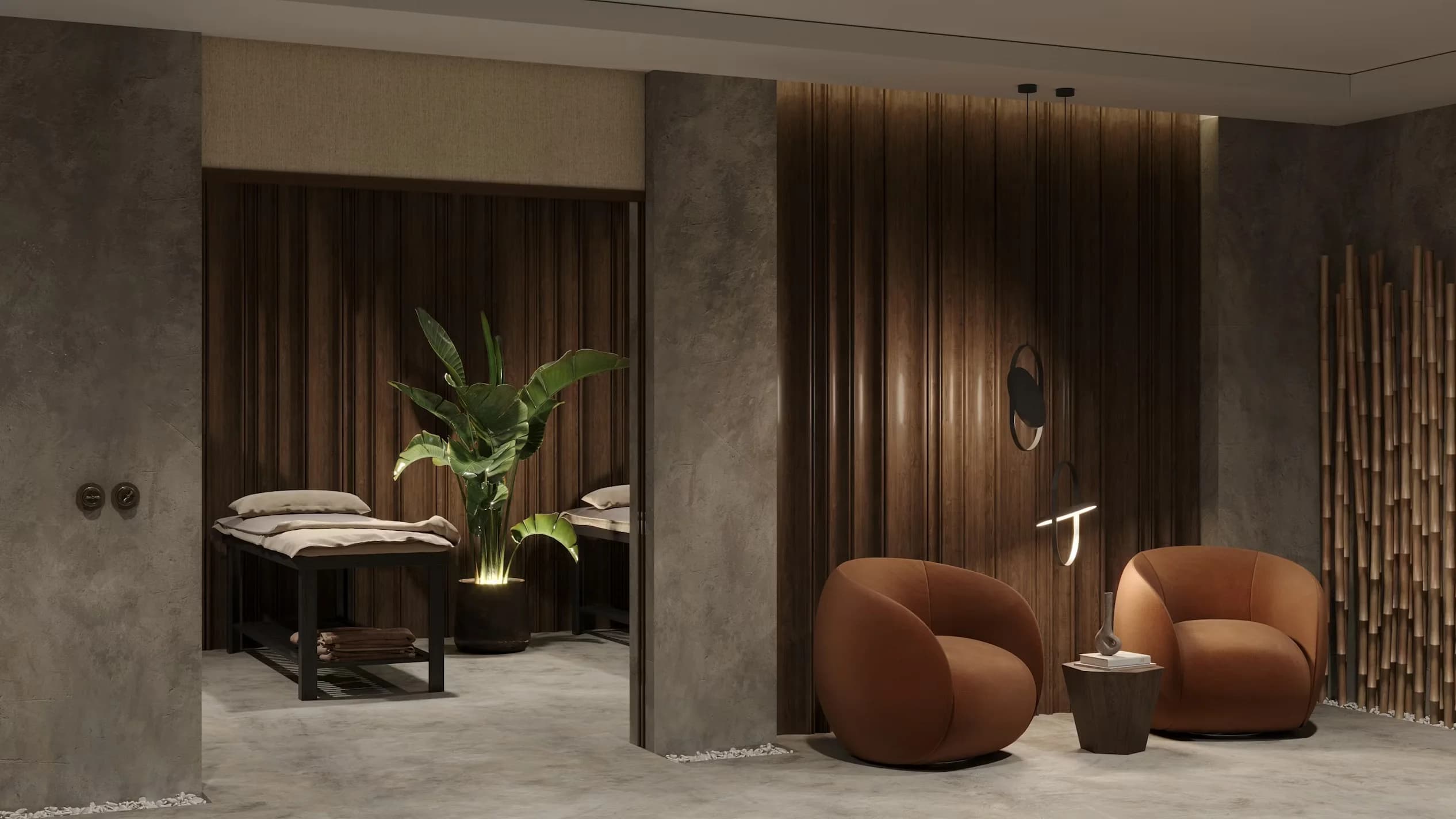
The finest luxury hotel suites in this region tend to prioritise horizontal space and natural materials. Stone, ceramic tile, and unfinished timber recur across the better properties, reflecting both the local vernacular and a broader Mediterranean design sensibility. Air conditioning is standard at any serious property, but the better suites are designed to function with natural ventilation during shoulder season, which speaks to a considered approach to building.
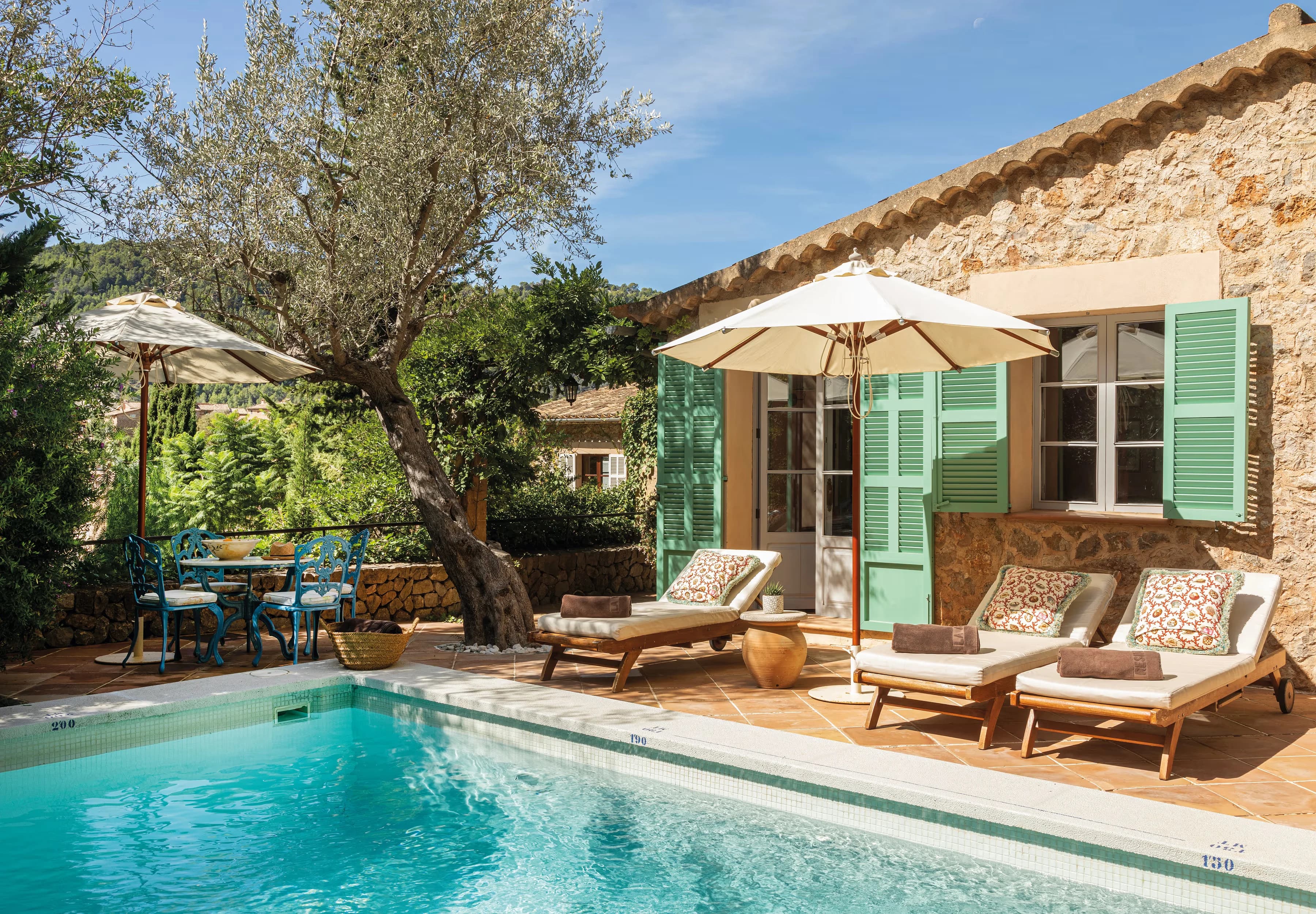
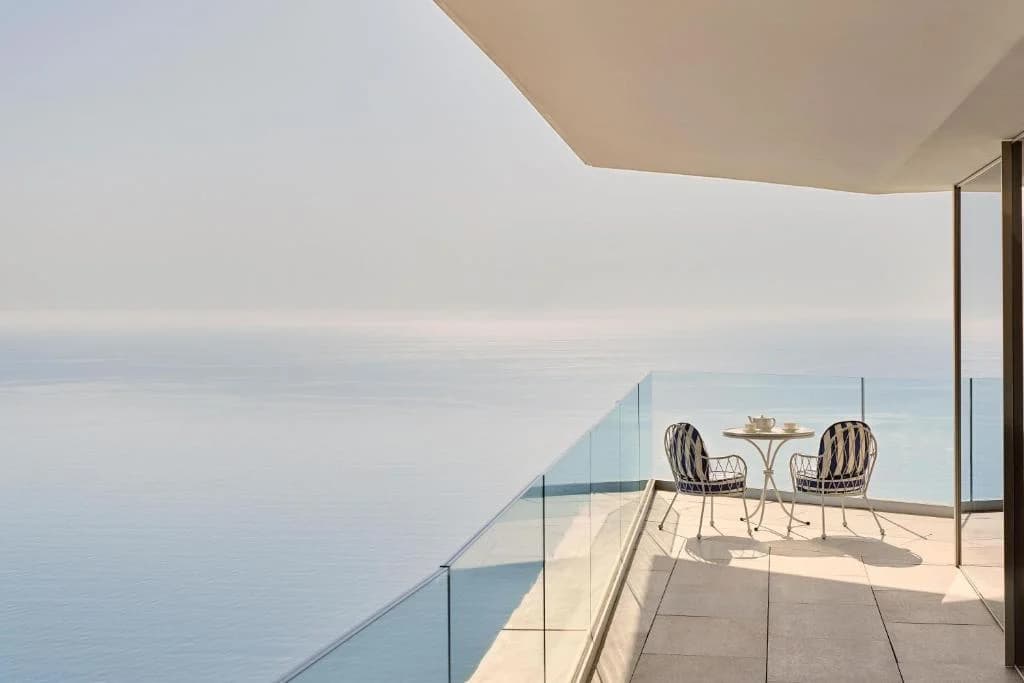
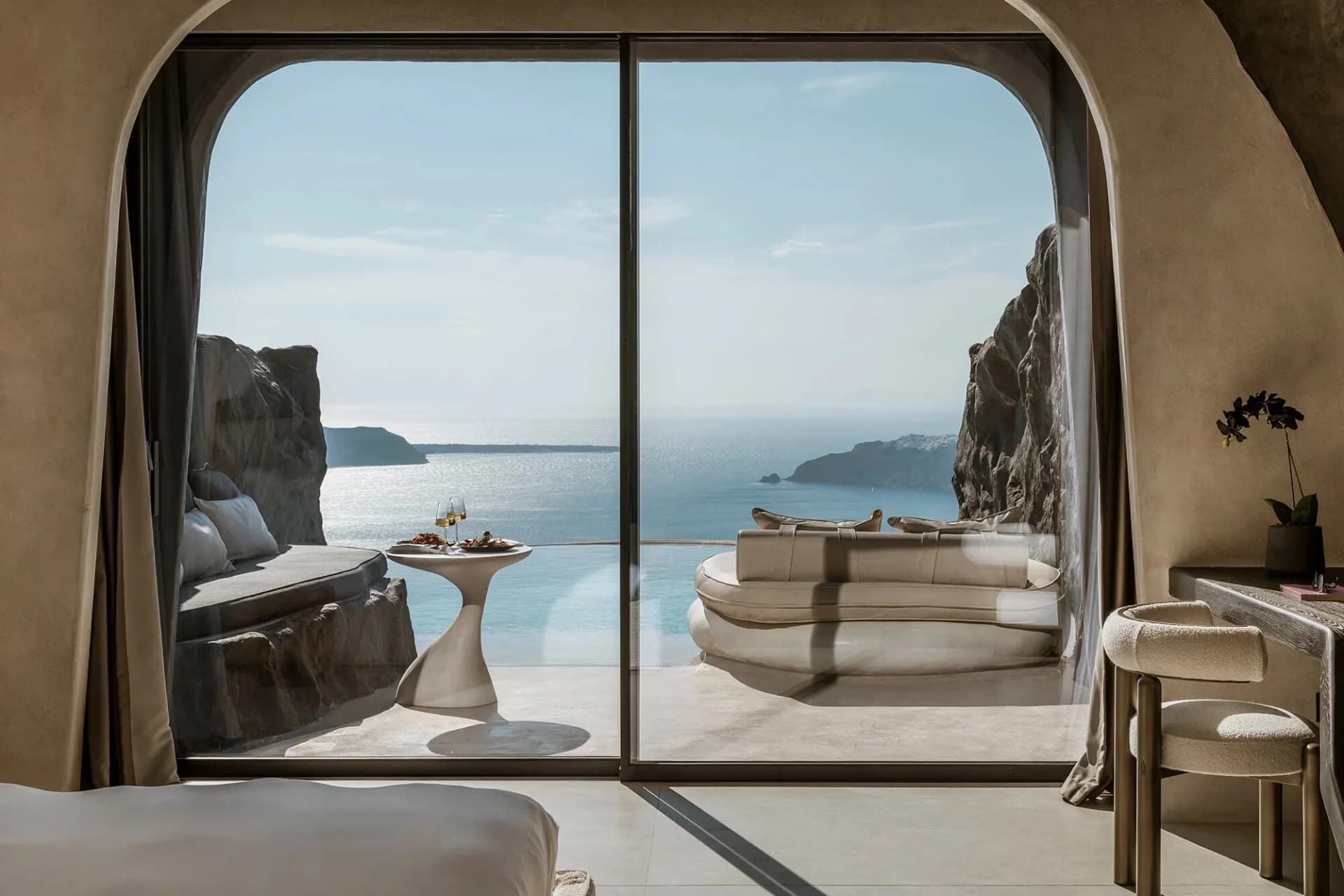
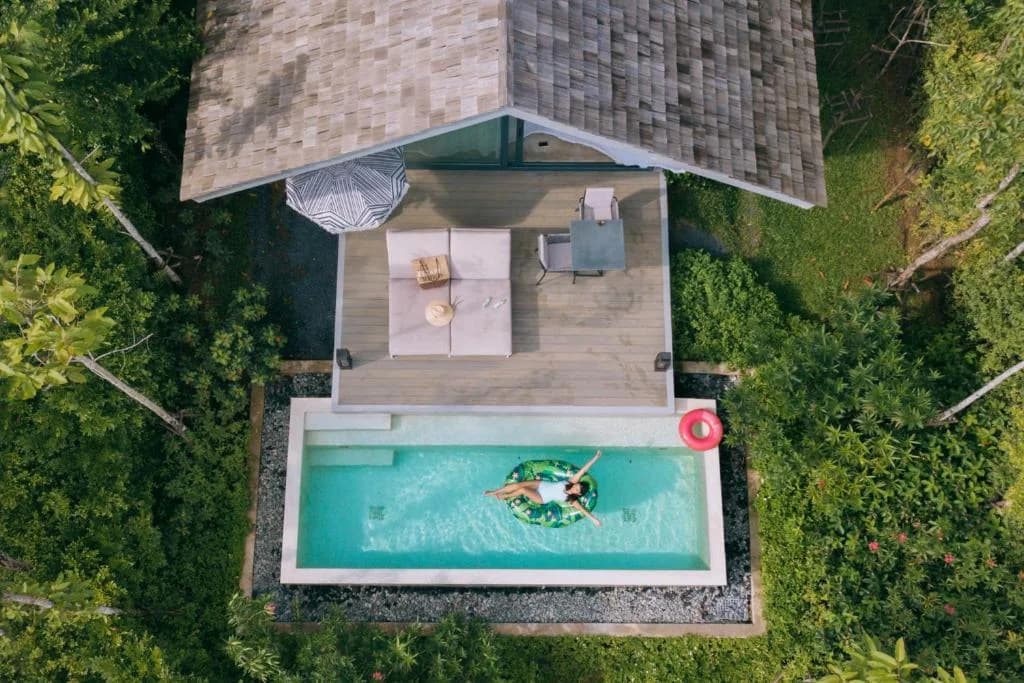
Private pools attached to individual suites are increasingly common at higher price points, particularly in inland and semi-rural properties. Coastal hotel suites more often offer direct sea-view terraces rather than private pools, given the constraints of urban plots. Both configurations are legitimate choices depending on whether the priority is seclusion or immediate access to the waterfront.
Gastronomic programming is a meaningful differentiator in Costa Dorada. Properties in and around Cambrils and Tarragona frequently curate collaborations with local chefs, wine producers from Priorat, and cultural institutions, treating the suite as a base for structured experiences rather than passive relaxation.
How to choose the right luxury suite in Costa Dorada
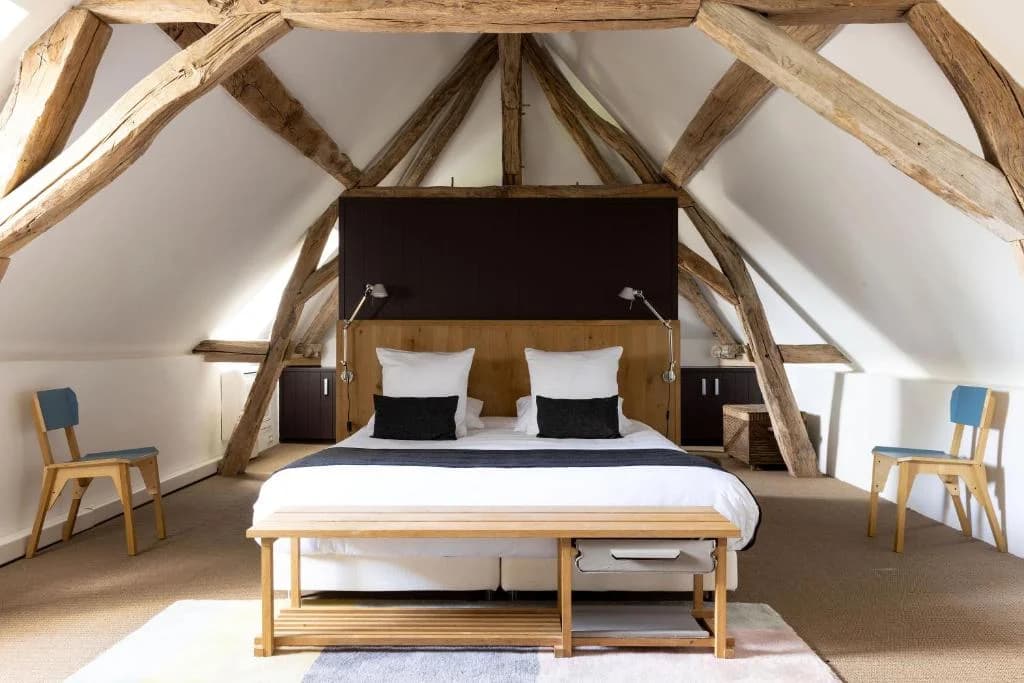
The first decision is architectural register. Costa Dorada offers properties that occupy historic structures, including converted farmhouses and townhouses in Tarragona's old city, as well as purpose-built contemporary hotels designed specifically for the coastal market. Both typologies perform differently. Historic conversions tend toward intimacy and idiosyncrasy; contemporary builds tend toward spatial efficiency and unobstructed views.
The second consideration is orientation. North-facing suites in coastal properties may offer quieter sleep and cooler afternoon temperatures but sacrifice the sunset exposure that defines the western-facing Mediterranean experience. Ask specifically about suite orientation before confirming any reservation.
Third, assess proximity to the infrastructure you intend to use. If the Priorat wineries are a priority, a suite in Cambrils adds unnecessary driving time compared to an inland property near Falset or Gratallops. If Tarragona's Roman sites are central to the itinerary, a coastal suite an hour south serves those interests poorly.
Finally, consider the noise profile of any property. Costa Dorada's high season brings considerable activity to its coastal towns, and suites that appear secluded in promotional material may sit closer to public beach access than the imagery suggests. Verified traveler accounts and precise floor-plan information are essential inputs to this decision.
Why curation matters when selecting a luxury suite in Costa Dorada
Costa Dorada is a destination where the gap between expectation and reality can be significant. The region's coastal market includes a broad spectrum of properties, from genuine luxury hotel suites with considered design and serious culinary programmes to hotels that simply apply premium pricing to standard rooms during high season. The visual grammar of Mediterranean hospitality, whitewashed walls, terrace furniture, ceramic tile, can mask meaningful differences in actual quality.
The curated selection by La Suite approaches this market with a specific filter: spatial generosity, architectural integrity, and a demonstrable connection to local culture and landscape. Properties appear in the selection because they perform consistently across those criteria, not because they advertise at scale or carry a chain affiliation.
For travelers whose time is finite and for whom a poor choice represents a significant cost in both money and experience, a curated starting point is not a convenience. It is a material advantage. La Suite's editorial process in Costa Dorada reflects direct assessment of the destination's actual offer, and the resulting selection represents the properties most likely to meet the expectations of a discerning traveler approaching this coastline seriously.