






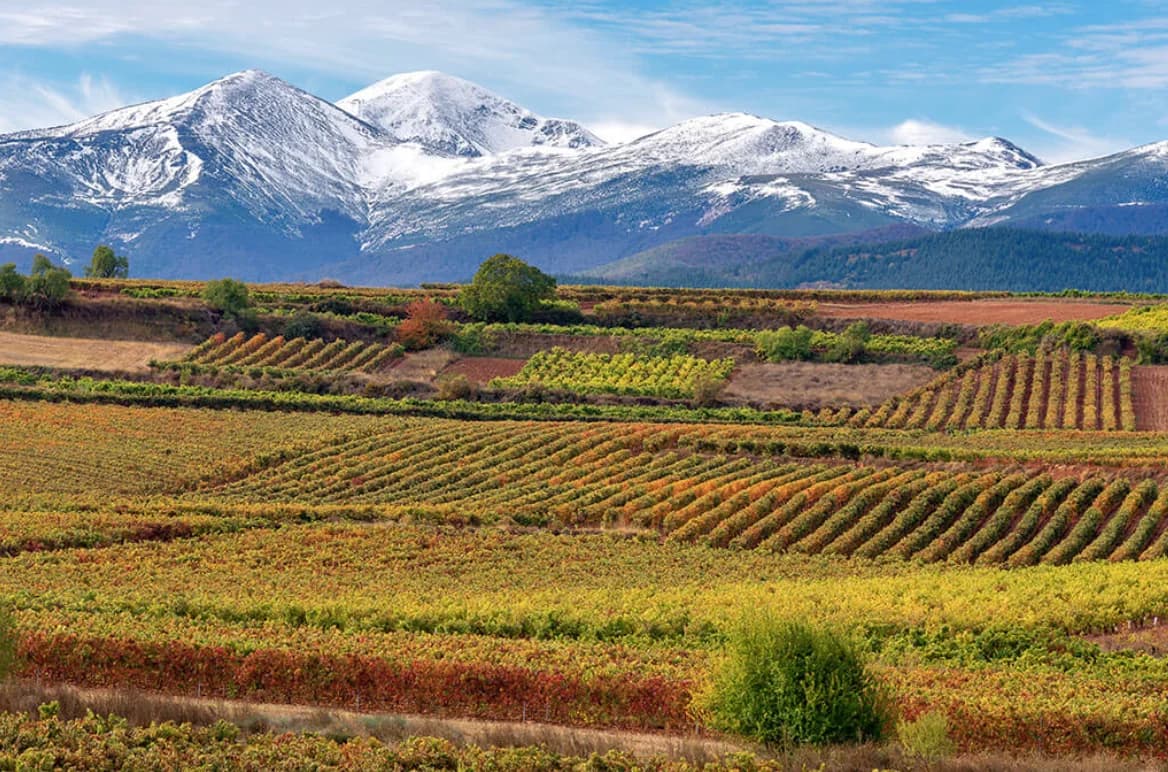
La Rioja wine country, Spain
Hotels with luxury suites in La Rioja wine country
La Rioja is compact by Spanish standards, but its hospitality geography divides into distinct registers. Understanding these zones helps travelers select a suite that matches both the landscape and the pace they are seeking.
Where to stay in La Rioja wine country
The Rioja Alta corridor
Stretching west from Logroño toward Haro, the Rioja Alta corridor is the region's most prestigious wine address. The soils here are limestone-clay, the altitude is higher, and the producers most associated with the region's international reputation are concentrated here. Properties in this corridor tend to occupy historic estate buildings or purpose-built architectural statements attached to major bodegas. Suites face directly onto working vineyards, and the relationship between accommodation and production is intentional rather than decorative.
Logroño and the urban axis
Logroño, the regional capital, offers a different kind of base. The city is modest in scale but serious in its food culture. The Calle Laurel and Calle San Juan form one of Spain's most concentrated tapas circuits, and the market at Mercado de San Blas is a reference for local produce. Urban suites in or near Logroño suit travelers who want proximity to restaurants, cultural infrastructure, and easy movement across the region without committing to a single estate.
The Sierra de Cantabria and elevated estates
The northern edge of La Rioja rises sharply toward the Sierra de Cantabria. Estates at altitude here offer panoramic orientation across the vine plains and a cooler microclimate that becomes particularly relevant in summer. The architectural character of properties in this zone tends toward stone rehabilitation: former monasteries, farmhouses, and fortified towers converted with an attention to material honesty that rewards guests who notice those details.
When to visit La Rioja for a luxury stay
La Rioja's calendar has a rhythm shaped by viticulture, and the timing of a visit changes the experience significantly.
Spring, from late March through May, brings flowering vines and mild temperatures. This is a quieter period with better suite availability and lower rates, though many smaller wineries are not yet open to visitors at full capacity.
Summer in La Rioja is warm and dry. The months of July and August see the highest domestic tourism, particularly around the Festival de San Mateo in Logroño. Reservations for the better properties should be made well in advance for this period.
The harvest period, from mid-September through October, is the most sought-after window for suite travel in La Rioja. The light changes, the activity in the vineyards intensifies, and many estates offer access to the vendimia. This is the time when the region's identity is most fully expressed, and it is the period when demand for high-quality suites significantly outpaces supply.
Winter, from November through February, is underestimated. The landscape becomes austere and graphic, the bodegas are in barrel-aging mode, and the region quiets to a frequency that suits travelers interested in depth over spectacle. Suite rates are at their most accessible, and private tastings are easier to arrange.
Local luxury standards in La Rioja
Spain does not operate a national luxury classification equivalent to France's Palace designation. The country's hotel rating system is star-based and administered regionally, which means that a five-star property in La Rioja is assessed by Castilla y León or La Rioja's own regional criteria rather than a nationally uniform benchmark.
What distinguishes the genuine luxury tier in this region is less about formal classification and more about the nature of the project. The most respected properties in La Rioja have been developed by major wine producers who applied the same investment logic to hospitality that they applied to their cellars. These are bodega hotels: full integration of winery, architecture, gastronomy, and accommodation under a single editorial vision. The Frank Gehry-designed building at Marqués de Riscal and the Calatrava-adjacent hotel at Ysios are the most internationally visible examples of this model, but the typology extends to smaller, less publicized estates.
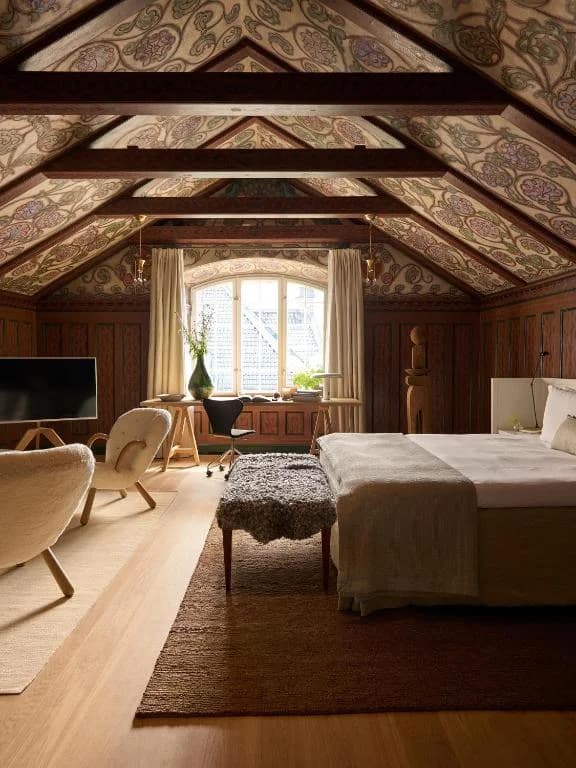
A luxury hotel suite in this context typically includes direct vineyard access, a dedicated sommelier program, and architecture that has been considered as seriously as any other element of the guest experience. Service ratios at the better properties are high, and the food programs are often anchored by Michelin-recognized kitchens or chefs with serious regional credentials.
How to choose the best suite in La Rioja wine country
Several practical considerations specific to La Rioja should inform the selection process.
Architecture is the first variable. The region contains both rehabilitated historic structures and signature contemporary buildings. These are not equivalent experiences. A suite inside a converted 16th-century monastery delivers a different sensory register than a suite in a starchitect bodega hotel. Neither is superior, but the guest should choose deliberately based on what they want the physical environment to communicate.
Vineyard orientation matters. Not all suites that market a vineyard view are positioned equally. North-facing rooms may offer cooler conditions in summer but less direct light. East-facing suites receive morning sun across the vines, which is the light the region looks best in. This level of detail is worth verifying before confirming a reservation.
Gastronomy integration is a distinguishing factor at the top end. Some properties operate full-service restaurants with their own cellar programs. Others offer more intimate formats: private dining in the barrel room, curated tastings in the production facility, or chef's table access by arrangement. The type of food experience available should align with what the traveler is actually seeking.
Ground-floor versus elevated suites present a specific trade-off in estate properties. Ground-floor units often have direct terrace access to the gardens or vines, while upper-floor suites offer unobstructed sightlines. In warm months, ground-level rooms retain more ambient coolness after dark.
Why a curated selection by La Suite matters here
La Rioja's luxury hospitality market is small, concentrated, and not well represented on generalist booking platforms. The properties that define the region's highest standard are often estate-based with limited room counts, highly seasonal availability, and a guest experience that varies significantly depending on which suite category is selected.
A curated selection by La Suite focuses on properties where the suite, the landscape, and the wider experience have been assessed as a coherent whole rather than evaluated by price tier alone. In a region where the gap between a good property and an exceptional one is less about the number of amenities and more about the quality of a specific decision, that editorial judgment carries practical value for the traveler. La Suite's selection for La Rioja wine country reflects both the region's architectural ambition and its quieter, more textural pleasures.
Frequently asked questions
What is the best time of year to stay in a luxury suite in La Rioja wine country?
The harvest period from mid-September to October is the most requested window, offering full vineyard activity and the region's most expressive atmosphere. Spring and winter also reward suite travelers with better availability and a quieter experience in the landscape.
Are there bodega hotels with luxury suites directly on vineyards in La Rioja?
Yes. Several major wine producers in La Rioja have built or converted estate properties specifically to integrate accommodation with production. These bodega hotels typically offer suites with direct vineyard orientation, sommelier access, and architecture commissioned from internationally recognised designers.
How does La Rioja's luxury hotel offering compare to other Spanish wine regions?
La Rioja has invested more heavily in architecturally ambitious hospitality than most comparable Spanish wine regions. The presence of buildings by Frank Gehry and the general density of high-investment bodega hotels make it one of the more design-forward luxury suite destinations in the country.
What should I look for when choosing a luxury hotel suite in La Rioja?
Key considerations include the architectural character of the property (historic versus contemporary), vineyard orientation of the suite, the quality of the on-site food and wine program, and the proximity to specific subzones of interest such as Rioja Alta or Rioja Alavesa. These variables define the experience more than star ratings alone.
Is La Rioja suitable for a luxury short break or does it require a longer stay?
La Rioja functions well as a three to four night destination for travelers arriving from Madrid or Bilbao. A longer stay of five to seven nights suits those integrating vineyard visits, cooking experiences, and exploration of the Sierra de Cantabria foothills into their itinerary.
What languages are spoken at luxury hotels in La Rioja?
The better bodega hotels and estate properties in La Rioja operate with English-speaking staff, particularly at the concierge and sommelier level. French is less universally available than in internationally branded city properties, so confirming language capacity with specific properties before arrival is advisable.
Do luxury suites in La Rioja typically include wine experiences in the rate?
This varies significantly by property. Some bodega hotels include a welcome tasting, cellar tour, or daily wine service as part of the suite package. Others structure these as separately priced experiences. It is worth reviewing what is included in the base rate versus what is available by arrangement when comparing options.
What is the gastronomic standard around luxury hotels in La Rioja wine country?
La Rioja has a serious culinary culture built around local produce: Navarrese peppers, white asparagus, lamb, and river fish. The region holds multiple Michelin-recognised restaurants, and several estate hotels operate kitchens at that standard. The food experience in the best properties is closely integrated with the wine program.
How do I reach La Rioja wine country when travelling from abroad?
The most practical international access points are Bilbao airport, approximately ninety minutes by road from Logroño, and Madrid Barajas, approximately three hours by road or high-speed train to Logroño. Zaragoza airport is a less common option but functions for some European connections. Most luxury estate properties can arrange private transfers from any of these points.
What makes La Rioja different from other wine-focused luxury destinations in Europe?
La Rioja combines a genuine working wine culture with a concentrated investment in architectural hospitality that few comparable regions have matched. Unlike destinations where the luxury layer sits apart from the production reality, many of the best suites here are physically integrated into active wineries, giving the stay an authenticity of context that purely resort-style properties cannot replicate.