Understanding San Sebastián as a luxury destination
Areas to consider when choosing where to stay
La Concha and the Centro district
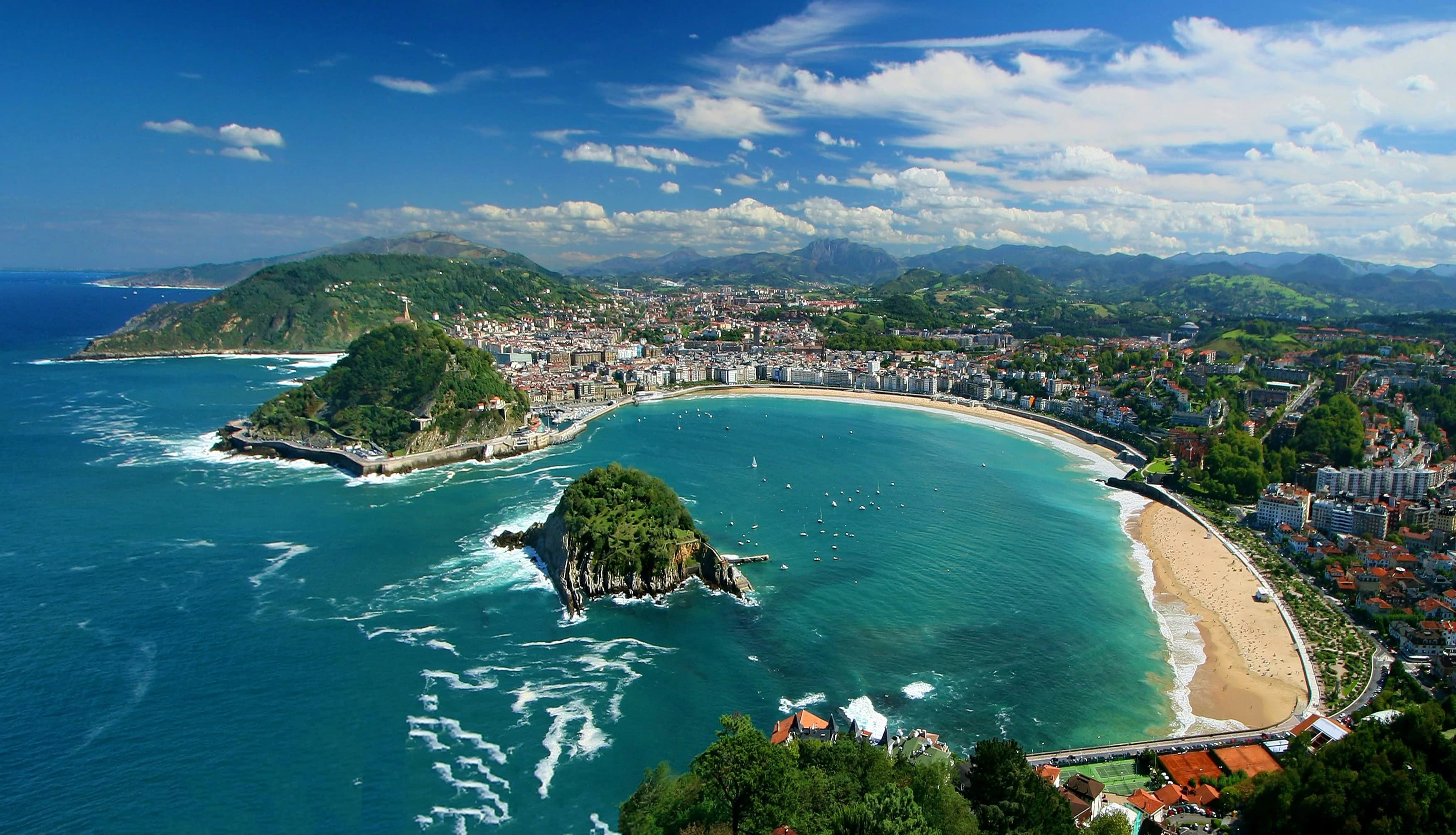
The Centro district, which borders La Concha beach, represents the most desirable residential address in the city. Staying here places guests within walking distance of the beach promenade, the Teatro Victoria Eugenia, and the primary shopping streets of the old town. Suites in this zone typically occupy Belle Époque structures with high ceilings and a horizontal relationship to the bay. The visual axis between a well-positioned suite and the Santa Clara island in the bay is among the more remarkable domestic views available in northern Spain.
Parte Vieja and the riverfront
The old quarter offers proximity to the dense gastronomic culture for which San Sebastián is internationally recognized. Staying adjacent to Parte Vieja means an entirely different rhythm: early evenings at pintxos counters, late dinners at reservation-only restaurants, and mornings in the Bretxa market. Suites in this area tend to be set in renovated historic buildings, with interiors that navigate carefully between preservation and contemporary comfort.
Gros and the Zurriola coast
Across the Urumea river, the Gros neighborhood offers a more contemporary sensibility. Zurriola beach faces the open Atlantic and is a recognized surf destination, which gives this part of the city a younger, more kinetic energy. Properties here cater to guests who prefer modern architecture and a less formal atmosphere without sacrificing quality of finish or service.
When to visit San Sebastián
San Sebastián operates at a high level year-round, but the rhythm shifts considerably by season. Summer, from July through September, draws the largest volume of visitors. La Concha beach becomes the social center of the Basque coast, and suite availability tightens significantly, particularly during the San Sebastián International Film Festival in September, which is among the most prestigious in Europe and compresses luxury accommodation availability across the entire city.
Spring and early autumn represent the most favorable combination of conditions for discerning travelers: mild temperatures, lower occupancy pressure, and the full operation of the city's gastronomic calendar. The Semana Grande festival in August brings the city to its most festive pitch. Winter months offer a different appeal: the Basque coast in low light, the pintxos culture at its most local, and a quieter engagement with the city's architectural and culinary fabric.
Local luxury standards in San Sebastián
Spain operates a national hotel classification system that extends to five stars, with a five-star gran lujo designation reserved for properties meeting the highest service and facility thresholds. San Sebastián does not carry the French Palace label or an equivalent national prestige certification, but its top-tier hotels are identifiable by their architectural pedigree, their spatial generosity, and the caliber of their gastronomic offerings.
In this city, the association between a luxury hotel suite and access to serious dining is not incidental: it is structural. Several of the most respected restaurants in the Basque Country, some holding multiple Michelin stars, are either within hotel properties or within a short walk. A suite stay here is effectively a passport into one of the most competitive gastronomic cultures in the world. Guests should expect suites that prioritize views over La Concha, high-quality local materials, and service teams with genuine knowledge of the city's food and cultural calendar.
How to choose the right luxury suite in San Sebastián
Architecture and orientation
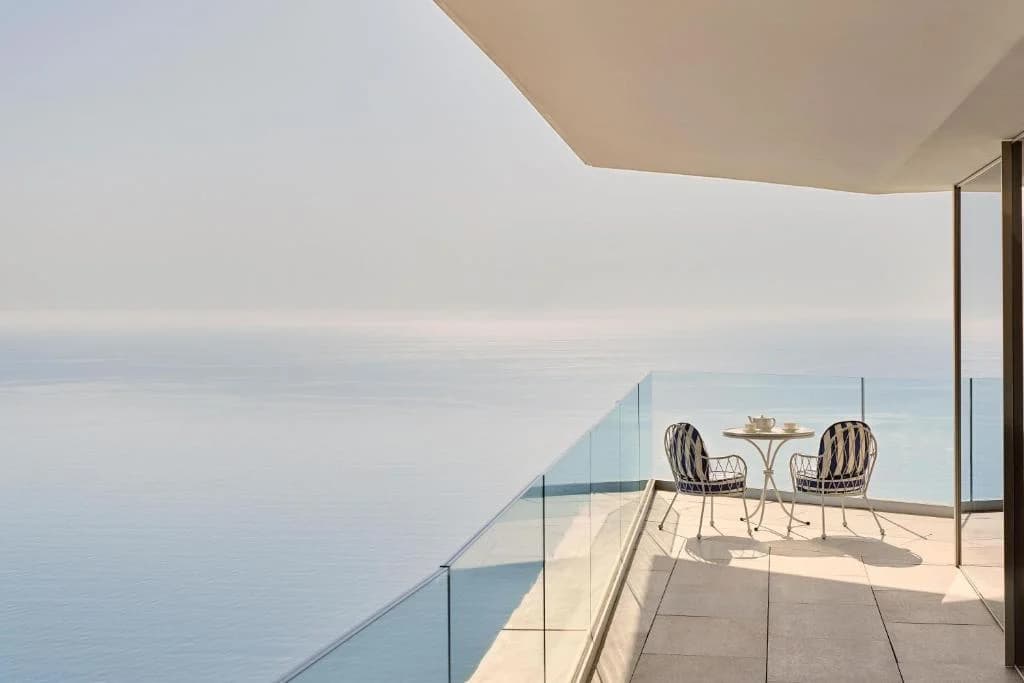
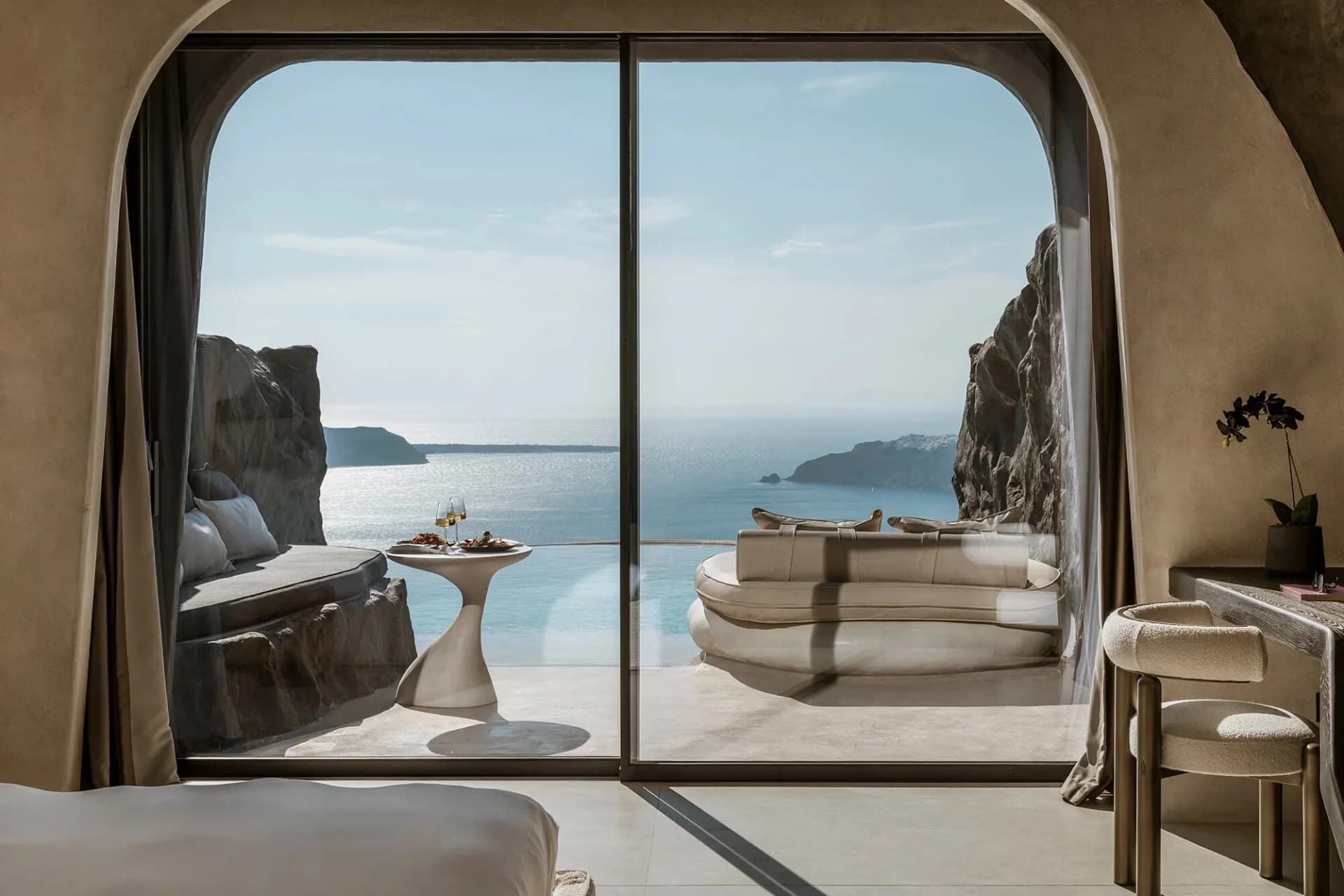
The single most important variable when selecting a suite in San Sebastián is orientation. Suites facing La Concha bay offer a fundamentally different experience to those facing the old town or the Urumea river. The bay view carries a particular quality of light specific to the Atlantic coast of the Basque Country: cool, horizontal, and highly variable. For travelers making the city for the first time, a bay-facing suite is the more instructive choice.
Scale and suite typology
San Sebastián's luxury hotel stock is relatively concentrated. The city is not large, and the number of genuinely high-tier suites is limited. This scarcity has a practical consequence: availability moves quickly, particularly around the Film Festival and the summer peak. Travelers with a preference for a specific suite category, whether a corner suite with dual aspects, a penthouse configuration, or a historic suite with period detailing, should plan their stay with more lead time than they would in a larger city with a deeper luxury hotel inventory.
Gastronomy as a criterion
In a city where dining is a primary cultural activity, the gastronomic offering of a hotel or its immediate proximity to significant restaurants should factor into the suite selection. Some properties have direct relationships with Michelin-starred kitchens or offer curated access to reservation-only experiences that would otherwise require months of advance planning.
The value of curation in a concentrated market
San Sebastián presents a specific curatorial challenge: the luxury suite inventory is small and the city's reputation attracts a globally informed traveler who has often visited before. The relevant question is not whether San Sebastián deserves the attention, it clearly does, but which specific suite, in which property, at which moment in the calendar, delivers the experience that matches the traveler's precise expectations.
La Suite approaches this with the same editorial discipline it applies to every destination. The curated selection for San Sebastián reflects direct assessment of property quality, suite configuration, service consistency, and the contextual fit between the property and the city's particular character. In a market where the difference between an adequate stay and a genuinely memorable one comes down to a single room category or a specific floor, that level of precision is not optional. It is the point.