Where to stay in the Spanish Basque Country
San Sebastián and the Gipuzkoa coast
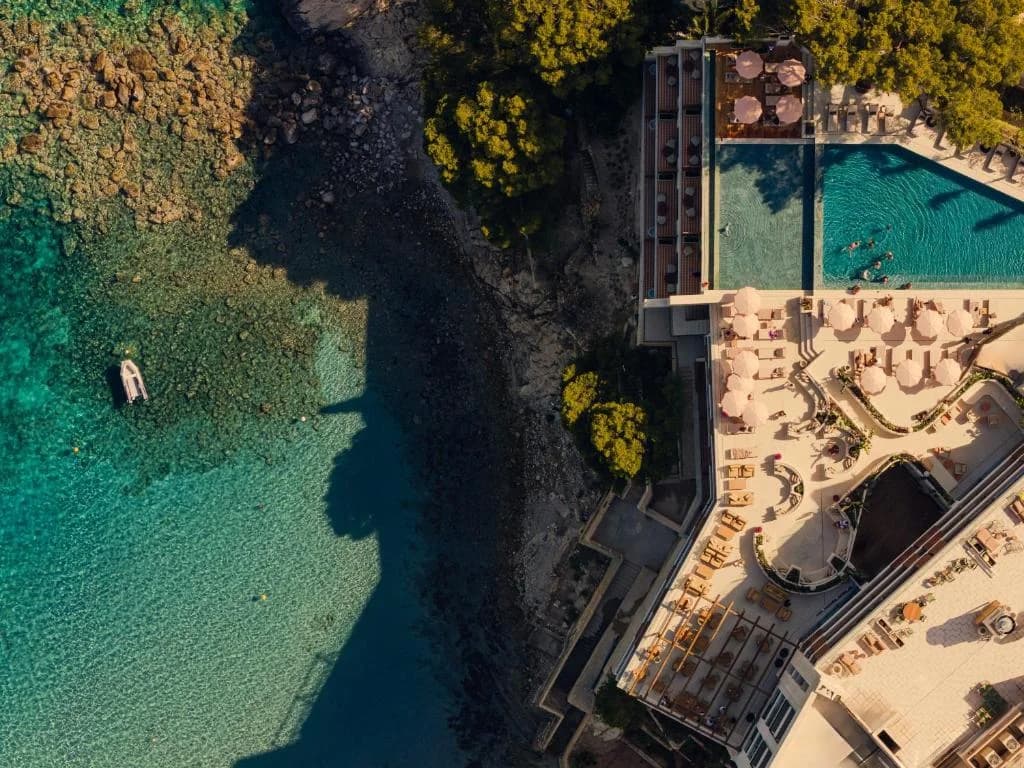
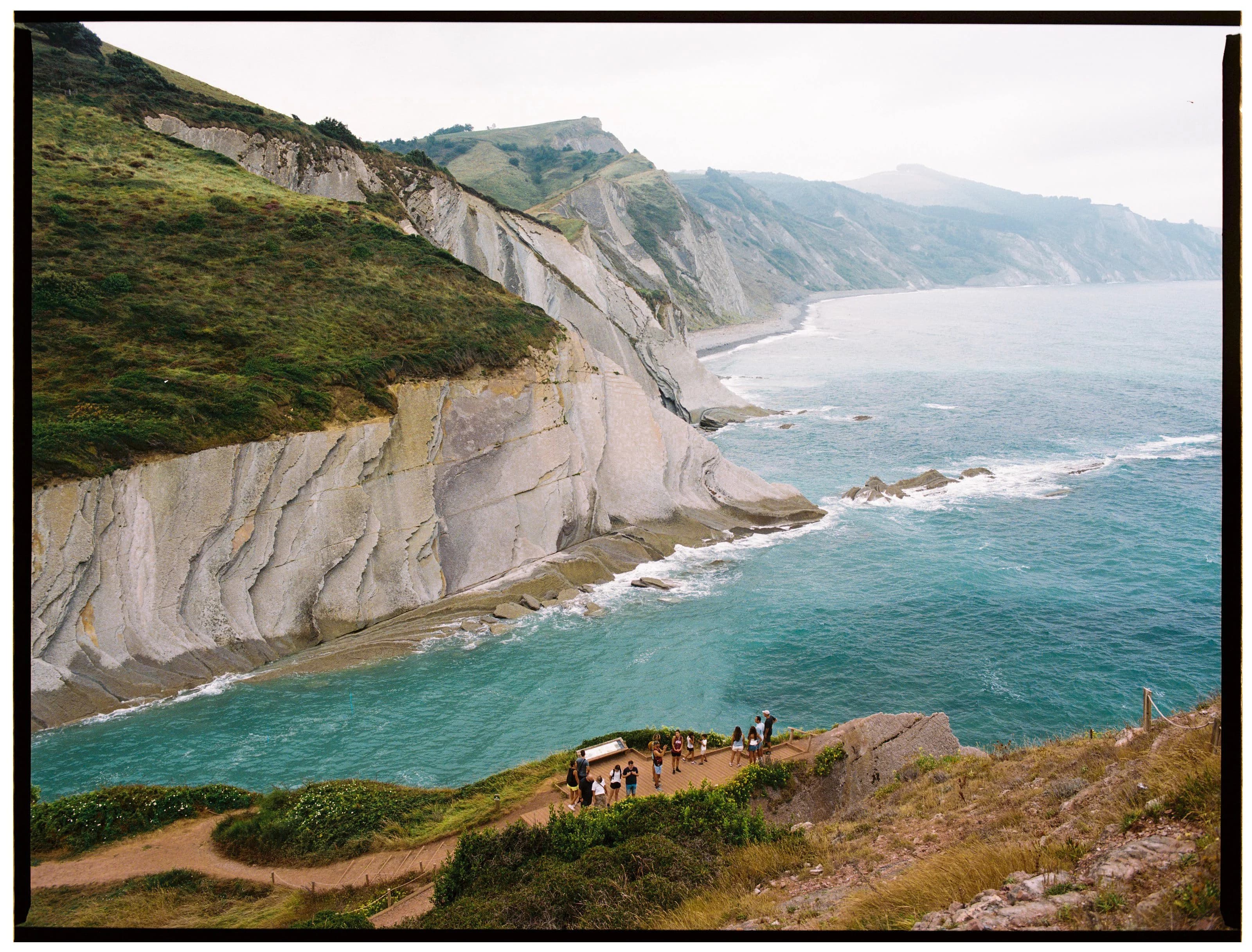
San Sebastián (Donostia in Basque) is the region's most architecturally coherent city, organized around a Belle Époque seafront that has survived the twentieth century with unusual integrity. The Parte Vieja, the old quarter, operates as a dense social laboratory for pintxos culture, while the Gros and Antiguo neighborhoods offer a quieter, more residential rhythm. Properties here tend toward the formal end of the spectrum, with suites in converted grand hotels occupying the seafront boulevard or the hillsides above the bay. The Gipuzkoa coastline extending east toward France, through towns such as Zarautz and Getaria, offers a different proposition: smaller properties, direct surf access, and a proximity to the vineyards producing Txakoli, the region's crisp local white wine.
Bilbao and the Biscay interior
Bilbao functions as the region's commercial and cultural engine. Since the opening of the Guggenheim Museum Bilbao in 1997, the city has attracted sustained architectural investment and an international cultural audience. Luxury hotel development followed that trajectory, with several properties now offering suites that reflect the city's industrial-to-contemporary narrative. The surrounding Biscay countryside, with its river valleys and farmhouses converted into rural hotels, appeals to travelers seeking space and quiet within easy reach of the city.
Álava and the Rioja Alavesa wine country
The southern province of Álava transitions from the humid Atlantic north to a drier, more Mediterranean-inflected landscape. The Rioja Alavesa sub-zone produces some of Spain's most respected red wines, and the area has attracted significant investment in wine tourism infrastructure, including architect-designed wineries with attached accommodation. A luxury suite in this area typically comes with direct access to vineyards, tasting programs, and a slower pace calibrated to the agricultural calendar.
When to visit the Spanish Basque Country
The Basque Country's Atlantic climate means that planning requires some attention to seasonality.
Late spring, specifically May and June, offers mild temperatures, green landscapes at peak saturation, and event calendars that include the San Sebastián Film Festival's preparatory season and early outdoor dining. July and August bring the peak tourist season: the coast becomes heavily booked, San Sebastián in particular reaches capacity, and suite rates at premium properties reflect the demand. The Semana Grande festival in San Sebastián takes place in August and draws significant domestic and international attendance.
September is widely considered the optimal month. The summer crowds thin, the light changes quality, the gastronomic season enters its most active phase with harvest events in Rioja Alavesa, and the San Sebastián International Film Festival (held annually in late September) attracts a culturally engaged international audience that aligns naturally with the traveler profile for premium suites.
Winter, from November through February, is quiet and relatively affordable, suited to travelers interested in the gastronomic circuit without the logistical pressure of high season. The Basque coast in winter has a particular atmospheric quality that some travelers find more honest than the polished summer version.
Understanding local luxury standards in the Spanish Basque Country
Spain does not operate a Palace hotel designation in the same formal sense as France, where the label is regulated by an official classification body. Spanish luxury hotel ratings follow the standard five-star system, with a Gran Lujo category that some properties use to signal superior positioning. In practice, the most reliable signal of quality in the Basque Country is often the property's relationship to the local gastronomic ecosystem. A hotel suite that provides access to a Michelin-starred restaurant within the property, or that maintains relationships with the region's leading chefs and producers, operates at a different level than one that merely meets a star threshold.
The Basque Country has one of the highest concentrations of Michelin-starred restaurants per capita in the world, and this fact shapes what premium hospitality means here. Guests in a top-tier suite should expect the hotel to function as a credible interlocutor with that world: making reservations that are otherwise inaccessible, providing context for producers and markets, and integrating the gastronomic landscape into the stay rather than treating it as an external amenity.
Architectural quality is also a meaningful differentiator. The region's investment in design, from Frank Gehry's Guggenheim to Rafael Moneo's Kursaal congress hall in San Sebastián, has raised local expectations of built environments. The best suites reflect this sensibility in their materiality and spatial logic, often drawing on Basque craft traditions in stone, wood, and ironwork.
How to choose the right luxury suite in the Spanish Basque Country
Several practical considerations shape the selection process for this destination.
Coastal versus urban positioning is the primary axis. A suite on the San Sebastián seafront places the guest within walking distance of the old quarter's pintxos bars and the beach, but at the cost of urban noise and summer-season density. A property on the quieter coastal towns to the east or west trades convenience for atmosphere and privacy. In Bilbao, the choice between a suite in the city center and one in the converted farmhouse belt outside the city reflects a preference either for urban cultural access or for spatial generosity and landscape.
Suite size and configuration matter more here than in some other European destinations because the Basque Country rewards extended stays. A base from which to make day trips, to the Rioja Alavesa, the Cantabrian coast, or across the French border into the Pays Basque, justifies investment in a suite with a proper living area, good natural light, and kitchen or pantry access.
Seasonality should also factor into the selection. Properties in San Sebastián apply significant rate premiums in July, August, and during the Film Festival. Travelers with flexibility who target May, June, or September will often access the same suite inventory at more considered pricing.
Why curation matters for luxury suites in the Spanish Basque Country
The luxury accommodation landscape in the Basque Country is smaller and more concentrated than in regions with decades of established premium tourism infrastructure. This creates a specific challenge: the visible options at the top of general search results represent only a portion of what is actually available, and the most architecturally or gastronomically interesting properties are not always the most marketed ones.
The curated selection by La Suite applies an editorial filter built around spatial quality, service intelligence, and contextual fit with the destination. In the Basque Country, that means identifying suites where the property's design, gastronomy program, and positioning within the local landscape are coherent and deliberate rather than assembled by category alone. The result is a selection that reflects the actual character of the region rather than the average of its hotel market.