
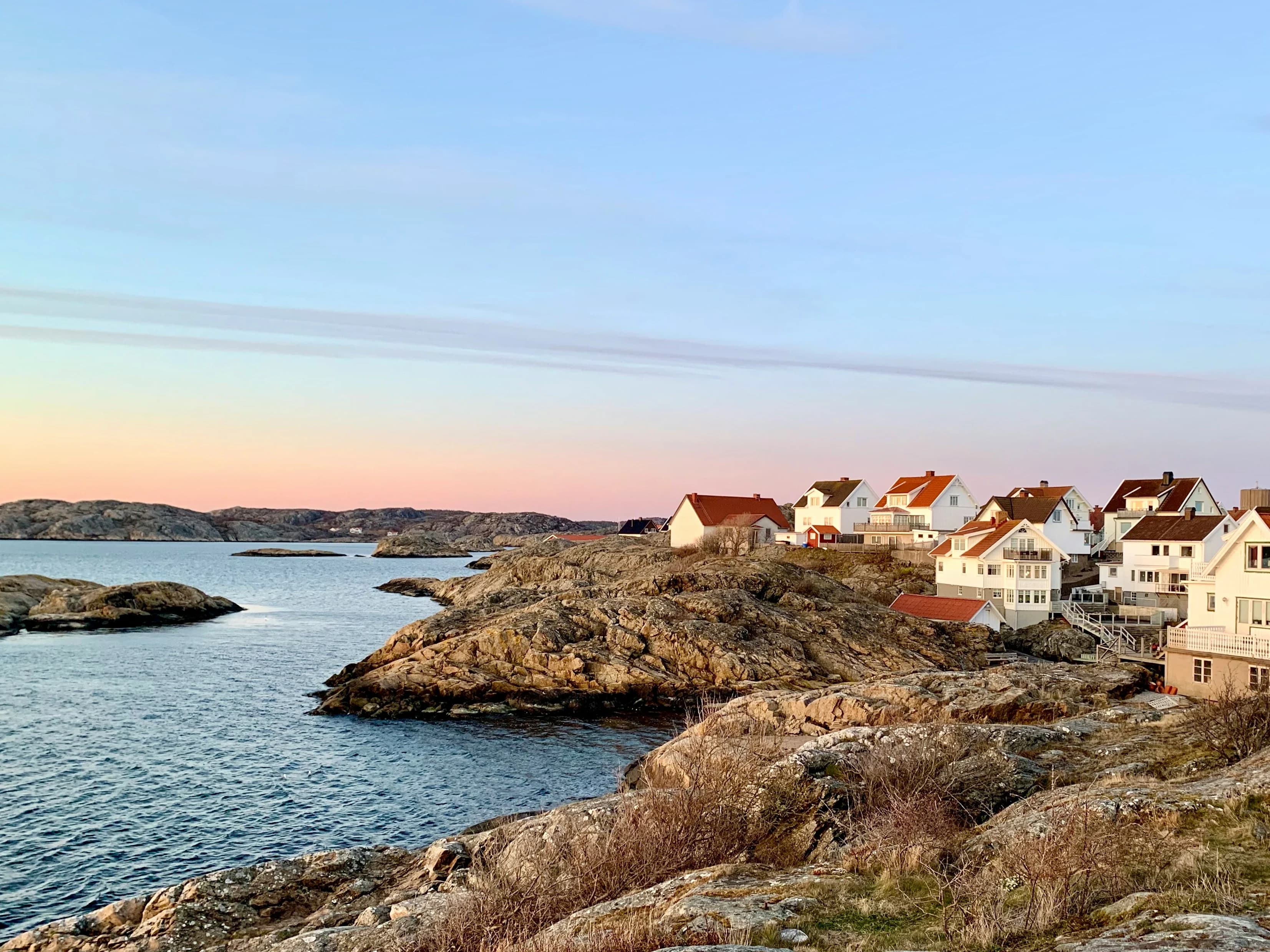
Sweden
Hotels with luxury suites in Sweden
Sweden's geography creates genuinely different luxury experiences depending on the region you choose. Understanding these distinctions matters before committing to a property.
Arlandastad
0 hotel
Borås
0 hotel
Borlänge
0 hotel
Falun
0 hotel
Gothenburg
3 hotels
Hjärnarp
0 hotel
Järvsö
0 hotel
Kalmar
0 hotel
Karlskrona
0 hotel
Kvänum
0 hotel
Linköping
0 hotel
Luleå
0 hotel
Malmö
1 hotel
Nyköping
0 hotel
Örebro
0 hotel
Östersund
0 hotel
Sundsvall
0 hotel
Tällberg
0 hotel
Trollhättan
0 hotel
Umeå
0 hotel
Uppsala
0 hotel
Växjö
0 hotel
Visby
0 hotel
Where to stay in Sweden: distinct territories for suite travelers
Stockholm and the eastern archipelago
The capital is the country's most architecturally dense environment. Stockholm sits across fourteen islands, and its luxury hotel stock reflects both Scandinavian minimalism and a growing appetite for design-forward hospitality. The city's Östermalm and Gamla Stan districts house properties with long histories and strong architectural character. Further east, the Stockholm archipelago extends across thousands of islands, some of which host intimate retreats where water access, boat transfers, and total seclusion define the experience. The island of Lidingö, just east of the capital, offers a quieter residential approach within easy reach of the city.
The far north: Lapland and subarctic stays
Swedish Lapland represents an entirely different register of luxury travel. The town of Harads, in Norrbotten County, sits along the Lule River and has become internationally recognised for a particular style of experimental architectural accommodation. Properties here are built around the landscape rather than imposed upon it. Winter visits offer aurora visibility and dog-sledding access; summer brings the phenomenon of the midnight sun, with twenty-four-hour daylight that changes the rhythm of an entire stay. The altitude, temperature range, and sensory contrast with urban environments make this one of the more demanding and rewarding suite destinations in all of Europe.
The west coast and Skåne
Sweden's southwestern regions present a softer landscape. Hedekas and Glumslöv sit within reach of the Kattegat coastline and the province of Skåne, Sweden's most agricultural region, known for its flat open fields, beech forests, and a food culture that draws heavily on local produce. Properties here tend toward the manor house tradition: large estates with formal gardens, long dining tables, and a scale of space that urban hotels cannot replicate. The proximity to Copenhagen also makes this corridor viable as part of a broader Scandinavian itinerary.
The mountain west: Åre and Jämtland
Åre, in the Jämtland region, is Sweden's principal mountain destination. In winter it operates as the country's most serious ski resort, with a vertical drop and lift infrastructure that attracts European ski travelers alongside a growing suite-level hospitality offer. In summer, the same terrain shifts to hiking, fly fishing, and mountain biking, making the area genuinely bimodal for high-end travel. The surrounding region around Enköping and Trensum offers quieter countryside stays for those seeking spatial distance from larger resort environments.
When to visit Sweden for luxury suite travel
Sweden operates on two broadly distinct travel seasons, each offering a fundamentally different experience. Neither is objectively superior; the choice depends on what you are seeking from a suite stay.
June through August delivers long daylight hours, warm temperatures across most of the country (typically 20 to 25 degrees Celsius in the south), and full access to the archipelago by boat. This is peak season for Stockholm properties and coastal retreats. Availability at well-regarded properties diminishes quickly; booking three to six months in advance is standard practice for suites during this period.
November through March defines the northern experience. Harads and the Lapland region receive their most sought-after guests during the polar night period, when aurora borealis visibility is highest, roughly from late November through February. Suite inventory at the most architecturally distinctive properties in this area is genuinely limited. Some units accommodate only two to four guests and operate on a fully booked basis for entire winter seasons.
The shoulder seasons of April to May and September to October offer practical advantages: reduced competition for rooms, lower ambient noise in urban properties, and the visual shift of Sweden's birch and pine forests into their most photogenic states. Many properties in Skåne and the western regions are at their most atmospheric in late September, when daylight hours remain generous but summer crowds have dissipated.
Understanding Swedish luxury hospitality standards
Sweden does not operate a formal government-administered palace classification equivalent to France's
Frequently asked questions
What types of luxury hotel suites are available in Sweden?
Sweden offers a deliberately diverse suite landscape. In Stockholm, luxury hotel suites tend toward architectural precision and waterfront positioning. In the far north, around Harads in Lapland, some of the country's most distinctive suites are purpose-built structures within forest and river environments, designed by architects rather than hoteliers. The west coast and Skåne region offers manor estate suites with significant floor areas and formal grounds.
When is the best time to book a luxury suite in Lapland, Sweden?
The optimal window for aurora viewing runs from late November through February, when polar night conditions are most consistent. Suite availability at the most sought-after Lapland properties during this period is extremely limited. Booking six to twelve months in advance is realistic for premium inventory, particularly for private cabin-style suites along the Lule River corridor near Harads.