Clayton Hotel Cambridge is located in the vibrant new city quarter of Cambridge, 1-minute walk from the railway station and 1 mile from the city center. Clayton Hotel Cambridge features a double heigh

Cambridge is not a conventional city-break destination in the way that London or Edinburgh are. It functions more like a living institution: its colleges, courts, and chapels are still in active use, and the city shapes itself around an academic calendar rather than a tourist one. For the traveller who chooses a luxury hotel suite deliberately, this distinction matters. The experience here is quieter, more concentrated, and more intellectually textured than in most comparable English cities.
6 hotels available

Clayton Hotel Cambridge is located in the vibrant new city quarter of Cambridge, 1-minute walk from the railway station and 1 mile from the city center. Clayton Hotel Cambridge features a double heigh

160 rooms
Comfortable Accommodations The Fellows House Cambridge offers family rooms with air-conditioning, private bathrooms, and modern amenities. Each room includes a tea and coffee maker, refrigerator,

Graduate Cambridge has a restaurant, bar, a shared lounge and garden in Cambridge. Boasting family rooms, this property also provides guests with a terrace. The accommodations features a 24-hour front

University Arms, Cambridge, offers 192 rooms and suites, with views over Parker’s Piece, historic Regent Street, and the hotel’s inner courtyard. Conveniently located in the Cambridge City Center dist

Located in the center of Cambridge, with valet parking near the edge of the River Cam, The Varsity Hotel and Spa offers modern rooms, and an impressive rooftop terrace with uninterrupted views. Each

Hilton Cambridge City Center is located 1969 feet from the city center, with many of the city's attractions, shopping areas, cobbled streets, architecture, the River Cam and historic colleges within w
The United Kingdom as a whole offers a broad range of prestige accommodation, but Cambridge occupies a particular register: a small, walkable city where proximity to the colleges is itself a mark of quality. Within Europe, few university cities match its density of historic architecture within such a compact footprint.
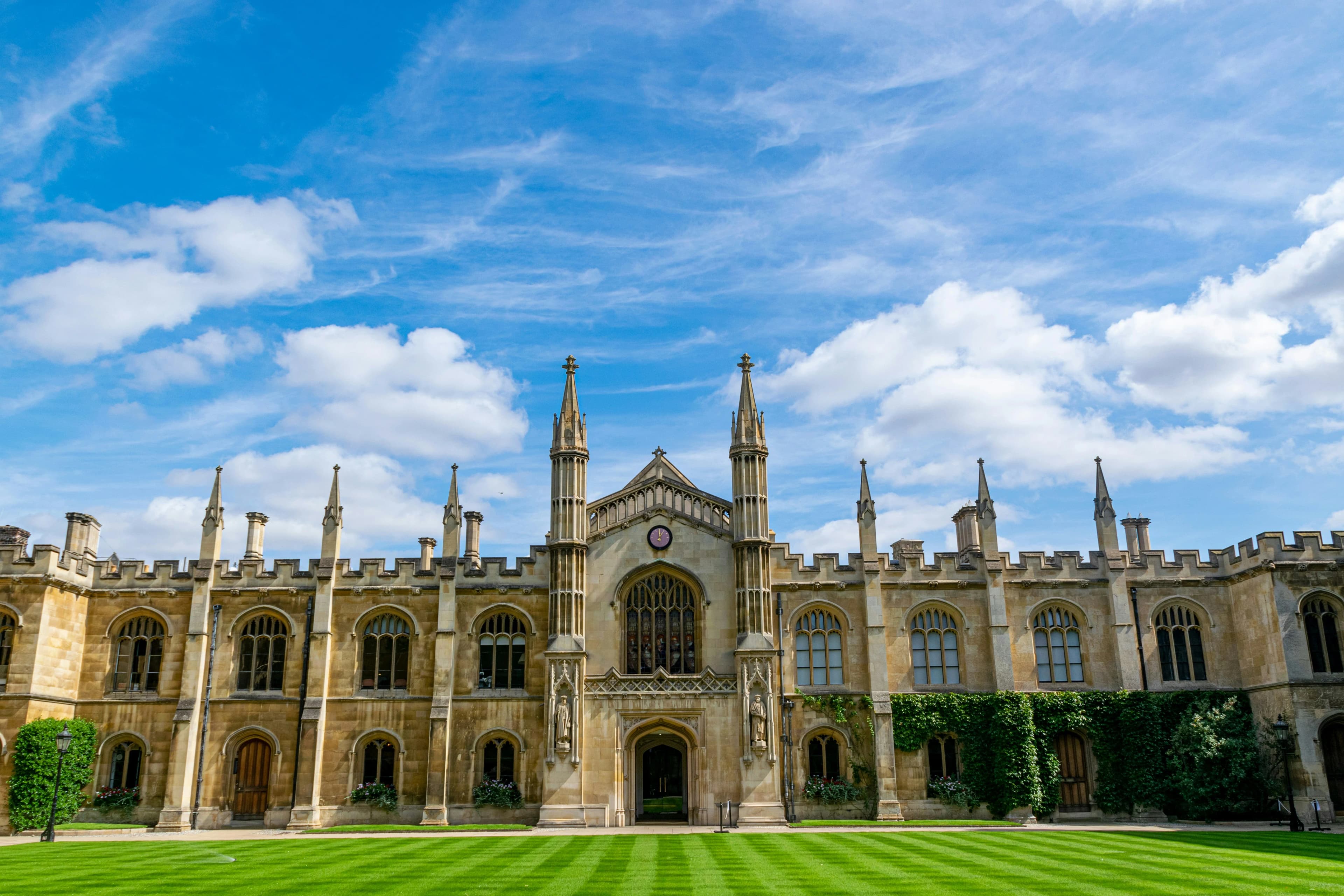
The area immediately adjacent to the river Cam and the rear gardens of the oldest colleges, known as the Backs, is the most coveted position in the city. Properties here or within a short walk of King's College, Trinity, and St John's place guests at the heart of Cambridge's architectural identity. Morning light across the Backs in early spring is a singular experience. For a luxury hotel suite, this central positioning is the benchmark.
The streets radiating from the Market Square contain some of Cambridge's oldest secular buildings. Staying in this quarter means immediate access to the Fitzwilliam Museum, the Senate House, and the independent shops of Rose Crescent. The texture here is denser and more mercantile, a useful counterpoint to the collegiate calm of the Backs.
The residential streets to the south and west of the centre, particularly around Newnham, offer a quieter register. Victorian and Edwardian terraces give way to gardens and cycling routes. Smaller boutique properties in these areas tend to attract guests who prefer discretion over proximity to the main visitor circuit.
Cambridge follows the rhythm of the university's three terms: Michaelmas (October to December), Lent (January to March), and Easter (April to June). Each has its own character. The Michaelmas term brings the city back to full life after the summer, with a crispness in the air and the colleges at their most populated. The Lent term is quieter and more austere, suited to guests who value calm over spectacle. The Easter term culminates in May Week, which despite its name falls in June, and brings a concentration of garden parties, concerts, and boat races that fill the best suites quickly.
Summer (July to August) sees the university largely empty but the city at its most visited. The light is long, the punting on the Cam is at peak demand, and outdoor concerts and festivals bring a different kind of energy. Autumn is arguably the finest season for a considered visit: the tourist volume has dropped, the academic year has resumed, and the city operates at its most characteristic pitch.
The Cambridge Folk Festival in late July and the Cambridge Film Festival in October are both significant cultural events that influence suite availability. Booking well in advance for these periods is advisable.
Cambridge does not have the density of five-star properties found in London, and this is by design as much as circumstance. The city's planning framework and its collegiate character have historically constrained large-scale hotel development. What exists instead is a smaller number of carefully positioned properties that compete on quality of finish, service, and location rather than scale.
The United Kingdom's hotel grading system uses the AA star classification, with five stars representing the top tier. Within Cambridge, the most distinguished properties tend to be either converted historic buildings, where the architecture itself is part of the proposition, or purpose-built hotels that have been designed with the city's visual restraint in mind. Expect high-thread-count linens, in-room dining of genuine quality, and staff who understand the particular expectations of guests arriving from academic, diplomatic, or corporate contexts.
A luxury suite in Cambridge will typically offer a sitting room that is properly proportioned, blackout capability given the long summer evenings, and soundproofing that addresses the ambient noise of a busy city centre. The best properties also offer direct or facilitated access to college events, private tours, and curated cultural programming.
Cambridge presents a genuine choice between properties housed in historic buildings and those with a more contemporary aesthetic. The former offer proximity to the city's visual language: exposed beams, sash windows, stone detailing. The latter tend to offer more flexible floor plans, better acoustic insulation, and technology integration that older buildings cannot always accommodate. Neither is superior: the choice depends on whether the guest prioritises atmosphere or function.
Cambridge is a compact city, and even large suites here will feel different from the expansive suites of a major international hotel. What matters is configuration: a well-designed junior suite with a thoughtful layout will outperform a larger room with poor proportions. Consider the purpose of the stay. A suite for two travelling for pleasure has different requirements from one accommodating a guest in Cambridge for a college reunion, a conference, or a family visit during graduation.
Walking distance to King's College Chapel, the Fitzwilliam Museum, and the river is a consistent priority for first-time visitors. For repeat visitors or those in Cambridge for specific purposes, proximity to Addenbrooke's Hospital, the university science park, or the rail station may be the operative consideration. Define the purpose of the stay before selecting the location.
In a city with a limited but discerning supply of luxury hotel suites, curation is not an optional convenience: it is a genuine filter. Cambridge's hotel market rewards prior knowledge. The difference between a suite that understands its context and one that merely occupies a convenient postcode is significant, and not always visible from a standard booking platform.
La Suite applies editorial rigour to every property it lists. In a destination like Cambridge, where the number of qualifying properties is deliberately small, that rigour means the selection is precise rather than comprehensive. The curated selection by La Suite is built on direct assessment of finish, service standard, and experiential coherence, not on volume of reviews or promotional relationships.

The area closest to the Backs and the central colleges, particularly around King's Parade and Trinity Street, offers the most privileged position for a luxury suite in Cambridge. Guests in this location have immediate walking access to the city's principal architectural landmarks and the river Cam. Properties slightly further from the centre can offer quieter conditions but sacrifice the immediacy that makes Cambridge distinct.
Autumn, specifically September through November, combines the return of the academic year with reduced tourist volume and genuinely comfortable temperatures. The Easter term's May Week in June is the peak period for suite demand, and availability at the best properties is limited during this time. The Cambridge Folk Festival in late July and the Cambridge Film Festival in October also create concentrated demand.
Cambridge has a small number of properties operating at the top tier of the AA classification system, reflecting the city's planning constraints and its historically restrained approach to large-scale hotel development. This limited supply means that the best suites are genuinely in demand, and early booking for high-traffic periods is consistently advisable.
A qualifying luxury suite in Cambridge will offer a properly proportioned sitting room separate from the bedroom, in-room dining of restaurant standard, and a level of acoustic management appropriate to a busy city centre. The best properties also provide access to cultural programming, private college events, and concierge services calibrated to academic and diplomatic guest profiles.
Cambridge is 50 minutes from London King's Cross by direct train, making it a logical destination for a focused two or three-night stay. The city rewards a deliberate pace: a single day is insufficient to engage with the Fitzwilliam Museum, the college chapels, and the river properly. A luxury hotel suite with a sitting room allows the kind of unhurried processing of the experience that a standard room does not.
May Week in June is the city's most concentrated period of formal social events, including college balls, garden parties, and bumping races on the Cam. The Cambridge Folk Festival in late July and the Cambridge Film Festival in October are both significant in the cultural calendar. The Fitzwilliam Museum runs a programme of exhibitions throughout the year that frequently justifies a visit in its own right.
A small number of properties in the city centre offer rooms with direct or partial views of collegiate architecture. These positions are genuinely rare given the compact urban grain and planning restrictions that limit new development. Availability of view-facing suites is best confirmed directly with the property, as the configuration varies considerably between room categories.
Both cities operate at a similar scale and share the constraint of limited high-end supply relative to demand. Cambridge tends to attract a slightly more international academic visitor profile, while Oxford draws more heavily from the London financial and media circuits. Suite quality at the top end is comparable in both cities, but the architectural character differs: Cambridge's collegiate buildings are generally more open to the river and surrounding landscape.
At the top tier of Cambridge hotels, concierge services should include facilitated access to college events, guided tours of buildings not normally open to the public, restaurant reservations, and transport coordination. For guests visiting in connection with university events such as matriculation, graduation, or alumni gatherings, a knowledgeable concierge is a material advantage rather than a courtesy.
Punting is one of Cambridge's genuinely distinctive activities and need not be approached as a tourist exercise. Several operators offer private chauffeur-guided punts by prior arrangement, which provide a qualitatively different experience from the shared boats that dominate the summer river. A private evening punt in late spring or early autumn, arranged through a hotel concierge, is among the more memorable ways to read the city's architectural sequence from the water.

77 km away
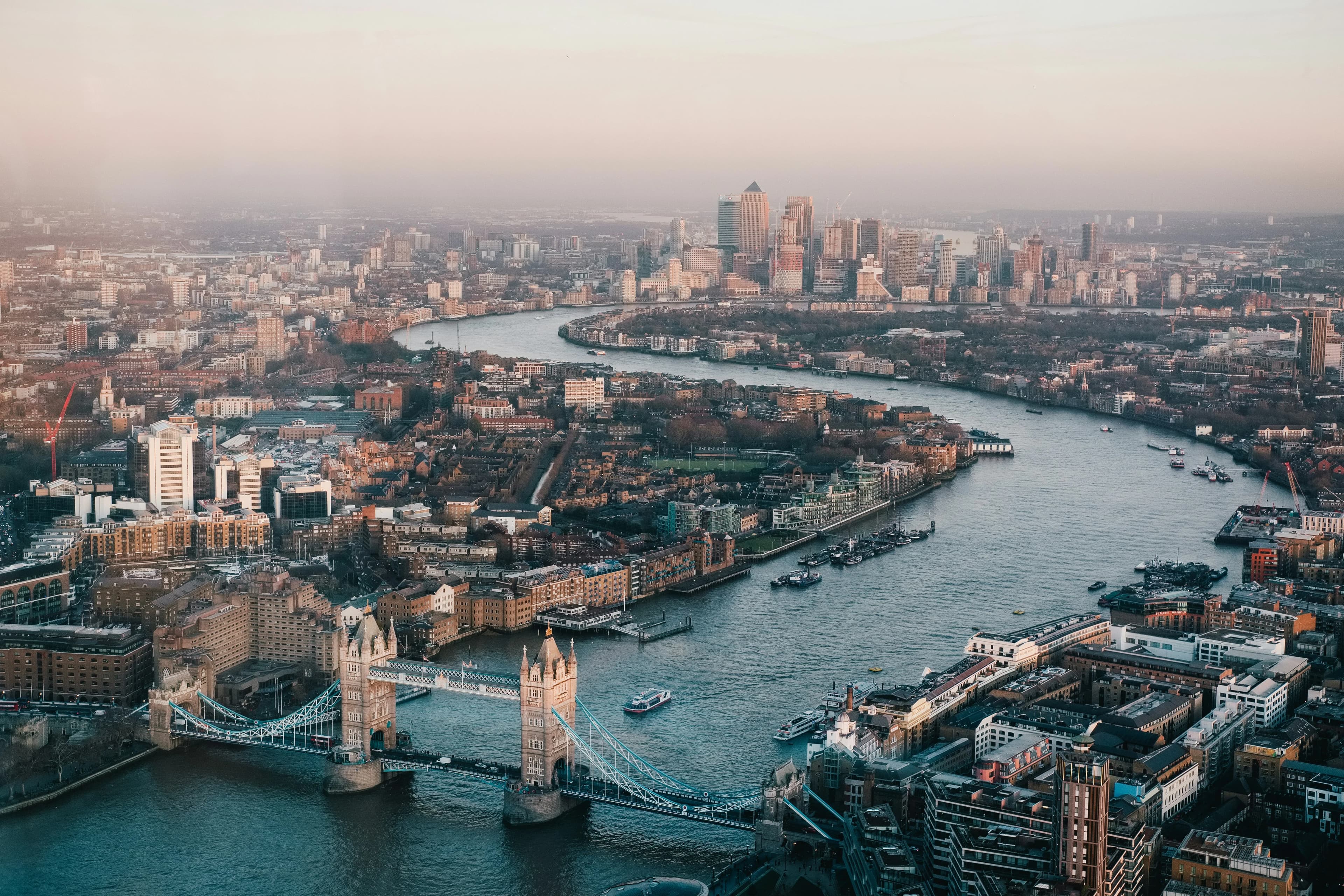
London is not a city with a single centre. It is a collection of distinct neighbourhoods, each with its own social register, architectural character, and pace of life. Choosing the right district is as important as choosing the right suite.

95 km away
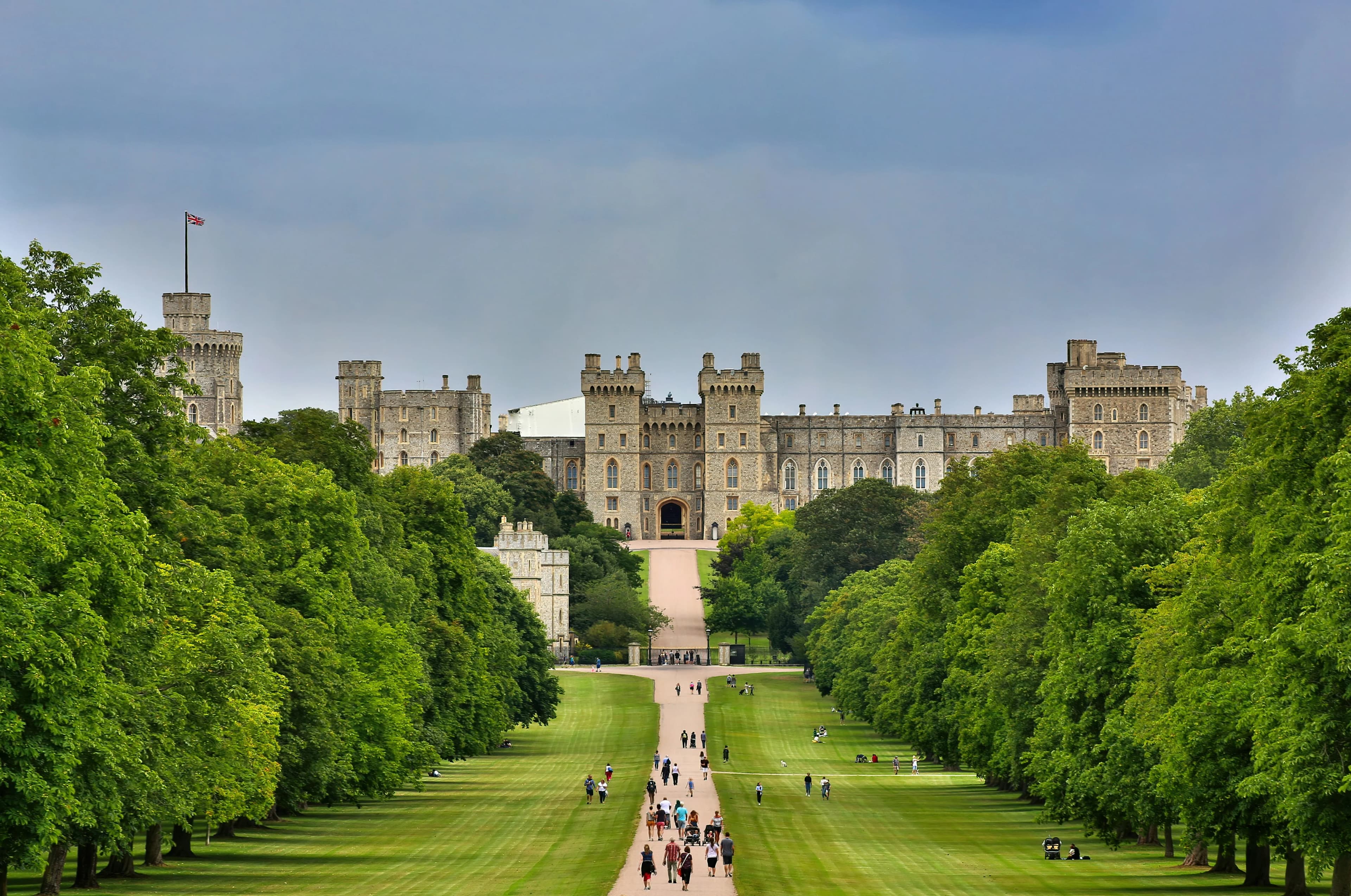
Windsor is not a city that performs for tourists. It operates on its own cadence, shaped by the monarchy, the river, and a surrounding landscape that has changed remarkably little in its essential character. The Grand Windsor Park covers over five thousand acres. The castle itself remains a working royal residence. These are not backdrops. They are the substance of the place, and a well-chosen luxury hotel suite positions you in direct relation to them.

King's Lynn is not a destination that announces itself. It earns its reputation quietly, through the quality of its medieval streetscape, its proximity to the Norfolk coast, and its role as a gateway to some of East Anglia's most compelling countryside. For those who arrive knowing what to look for, the town delivers a layered experience that more obvious destinations cannot replicate.