Located just 24 miles outside of Lincoln, The Leagate is nestled in quiet village of Coningsby. Surrounded by countryside, this 16th century inn offers free parking on-site and free Wi-Fi access to al

Lincoln is not a city that announces itself loudly. Its appeal is architectural, historical, and deeply unhurried. The city divides naturally into two distinct levels: the hilltop Cathedral Quarter, where Lincoln Cathedral and Lincoln Castle define the skyline, and the lower city, where the River Witham and the medieval Stonebow gate anchor a quieter commercial core. For travellers seeking substance over spectacle, Lincoln delivers with unusual consistency.
4 hotels available

Located just 24 miles outside of Lincoln, The Leagate is nestled in quiet village of Coningsby. Surrounded by countryside, this 16th century inn offers free parking on-site and free Wi-Fi access to al

This family-run Georgian manor is set in secluded grounds only 3 miles from Lincoln and has an AA rosette award for its food. Free WiFi and free private parking are available. Washingborough Hall Hot

Located in the heart of Lincoln’s historical quarter, The White Hart Hotel Lincoln offers newly refurbished accommodations with a restaurant, a cocktail lounge and a bar within the shadows of the Cath

With a waterfront location, this 4-star hotel has a rooftop restaurant and a bar, both with views across Lincoln’s skyline and cathedral. Free Wi-Fi is available and a glass elevator with panoramic ci
The Cathedral itself is one of the finest examples of Gothic architecture in Europe. It dominated the global skyline for over two centuries as the world's tallest structure. That historical gravity permeates the entire hilltop district. Staying close to this quarter means waking to a city that has barely changed in its essential character for eight hundred years.
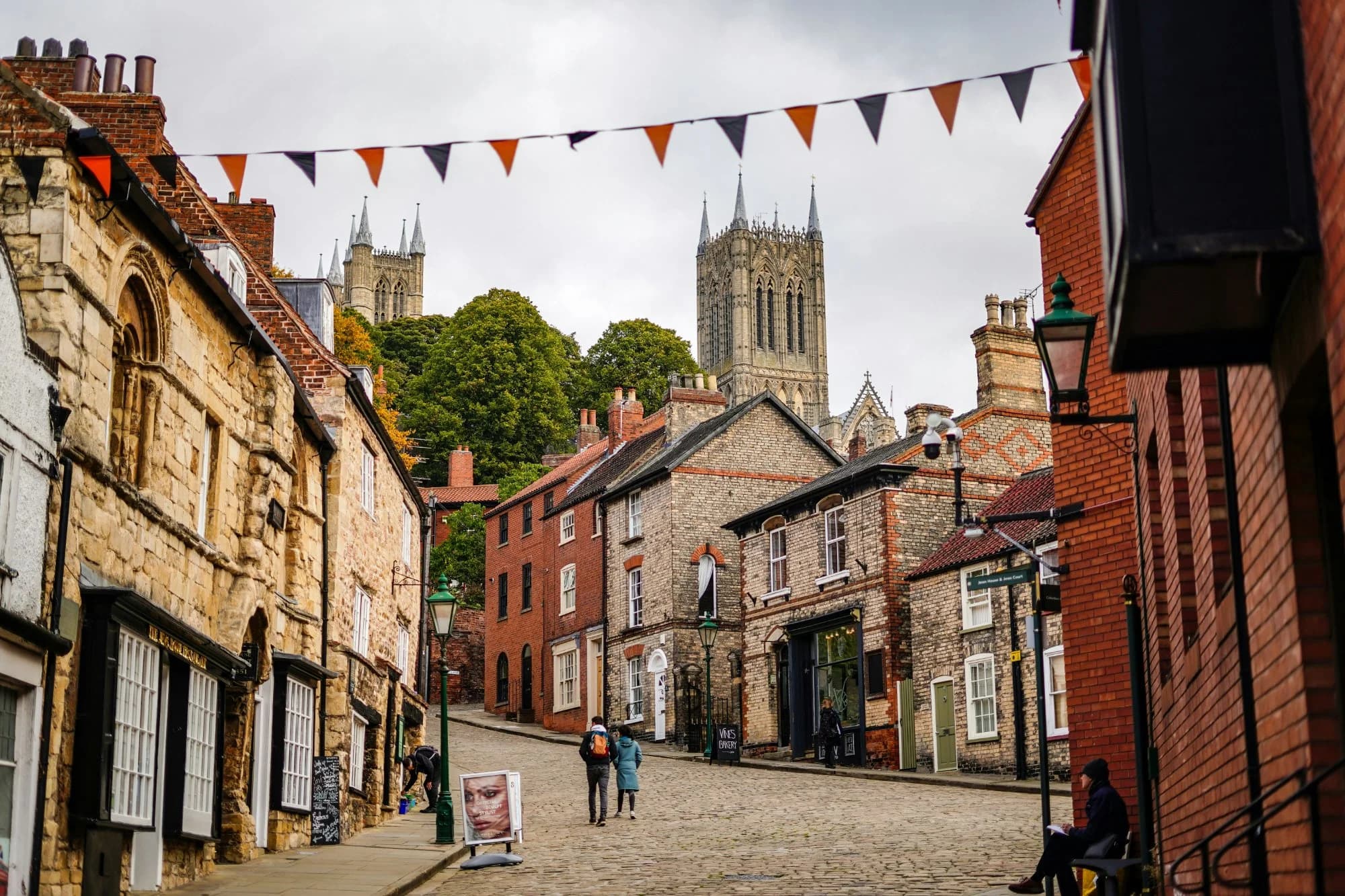
The hilltop is where Lincoln's architectural and cultural density is highest. Properties in this area place guests within walking distance of the Cathedral, the Castle, and the Magna Carta exhibition. The streets here, Steep Hill chief among them, are narrow, cobbled, and genuinely medieval in scale. For travellers who want to inhabit a city rather than simply visit it, the Cathedral Quarter is the correct choice.
The lower city offers a different register. The Brayford Waterfront, Lincoln's inland marina, has seen significant investment over recent decades and now supports a range of contemporary hospitality options. The pace here is more commercial, the architecture more varied. It suits travellers who prefer proximity to restaurants and transport links without sacrificing comfort.
Lincoln's calendar has several fixed points that shape the travel season. The Lincoln Christmas Market, held annually in early December, is one of the largest and most visited in the United Kingdom, drawing visitors from across the country to the Cathedral Quarter. Accommodation books out early during this period, and suite travellers should plan well in advance.
Spring and early autumn offer the most agreeable conditions for exploring the city on foot. The light in late September and October is particularly good for the limestone facades of the Cathedral district. Summer brings longer days and a fuller programme of events at the Castle and Cathedral, including outdoor performances and exhibitions. Winter outside the Christmas market period is quiet, cold, and genuinely atmospheric for those who prefer a city without crowds.
Lincoln is a smaller English city, and its hospitality offer reflects that scale. The luxury tier here is characterised by boutique and independent properties rather than large international hotel groups. Georgian townhouses converted into small hotels, historic coaching inns with carefully updated interiors, and privately managed properties with individually designed suites define the top of the market.
What to expect at the highest level: considered interior design that references the city's architectural heritage, attentive and personal service, and suites with genuine spatial generosity rather than the compressed footprints common in budget and mid-range properties. Some of the finest options occupy buildings with genuine historical provenance, which adds a layer of experience that purpose-built hotels cannot replicate.
Unlike the Palace designation system used in France, or the Ryokan classification in Japan, the United Kingdom does not apply a formal prestige label above five stars. Quality assessment relies on AA ratings, Visit England star classifications, and independent review. For this reason, curation matters more in the British market, not less.
Several practical considerations apply specifically to Lincoln. First, the topography: the hilltop Cathedral Quarter requires guests to navigate Steep Hill, which is exactly what its name suggests. Travellers with mobility considerations should confirm access arrangements before booking. Second, parking in the Cathedral Quarter is limited. Properties in this area should be asked directly about their parking provision or the nearest supervised car park.
For suite travellers, the key questions are: does the property offer genuine suite-level space, with a defined sitting area separate from the sleeping area; what is the view orientation, as hilltop properties can offer cathedral or city views of real quality; and what does the breakfast or in-suite dining offer look like, since Lincoln's independent food scene is strong and the best properties will source locally.
Historical character and contemporary comfort are not mutually exclusive in Lincoln's best properties. A converted Georgian building can offer excellent thermal insulation, modern bathrooms, and high-quality bedding without compromising its architectural integrity. This balance is what distinguishes a well-curated suite from a merely expensive room.
Lincoln's size means the luxury hospitality market is small and not always easy to navigate from the outside. Properties do not all present themselves with equal clarity online, and marketing quality is not a reliable indicator of suite quality. This is precisely where a curated platform adds value.
La Suite applies consistent editorial standards to its selection across the United Kingdom. The focus is on suite-level accommodation specifically: space, privacy, design integrity, and service. For a city like Lincoln, where the finest options are often independent and boutique in scale, this kind of precise curation prevents the common mistake of choosing on price or star rating alone.
Travellers who want to experience Lincoln's medieval core with the comfort and privacy that a genuine luxury suite provides will find the La Suite selection a more reliable starting point than broad booking platforms. The editorial approach reflects the city's own character: considered, unhurried, and uninterested in approximation.

The Cathedral Quarter on the hilltop is the most architecturally and culturally significant area, placing guests close to Lincoln Cathedral, Lincoln Castle, and the medieval street network including Steep Hill. The Brayford Waterfront in the lower city offers a more contemporary setting with convenient access to restaurants and transport links.
Late spring and early autumn offer the most comfortable conditions for exploring Lincoln on foot, with good light and manageable crowd levels. The Lincoln Christmas Market in early December is extremely popular and suites book out months in advance, so early reservation is essential if visiting during that period.
Lincoln's luxury accommodation is predominantly boutique and independent in character. Expect converted Georgian townhouses, historic coaching inns with updated interiors, and privately managed properties with individually designed suites rather than large international chain hotels.
Lincoln is approximately two hours from London by direct train, making it a viable destination for a two or three night stay. The city's compact historic core and the quality of its Cathedral Quarter make it well suited to short, focused visits where the aim is genuine cultural immersion rather than a broad itinerary.
Key considerations include whether the suite offers a defined sitting area separate from the bedroom, the quality of the view (hilltop properties can offer direct cathedral sightlines), parking provision given the limited access in the Cathedral Quarter, and the standard of in-suite or in-house dining.
The United Kingdom does not use a formal prestige label equivalent to France's Palace designation. Quality at the top of the market is assessed through AA ratings and Visit England star classifications, alongside independent editorial curation. This makes it important to rely on specialist platforms rather than star ratings alone.
Staying in a suite within the Cathedral Quarter means the Cathedral is accessible on foot at any time of day, including early morning before visitor crowds arrive. The unhurried pace that a well-appointed suite encourages is well matched to Lincoln's architectural environment, which rewards slow, repeated engagement rather than a single visit.
Some hilltop properties in the Cathedral Quarter do offer suite-level accommodation with direct views toward Lincoln Cathedral or the Castle complex. View orientation varies by room and floor, so this should be confirmed directly with the property or through a specialist curation platform at the time of booking.
Lincoln has a well-developed independent food and drink scene, particularly in the Cathedral Quarter and around the Brayford Waterfront. The best luxury hotels source from local Lincolnshire producers, and the county is known for quality meat, game, and produce. In-suite dining options at boutique properties tend to reflect this local sourcing approach.
La Suite applies specific editorial standards focused exclusively on suite-level accommodation: space, design quality, service, and privacy. In a small city like Lincoln where the luxury market is dominated by independent and boutique properties, this kind of specialist curation identifies options that are not always visible or accurately represented on general booking platforms.

88 km away
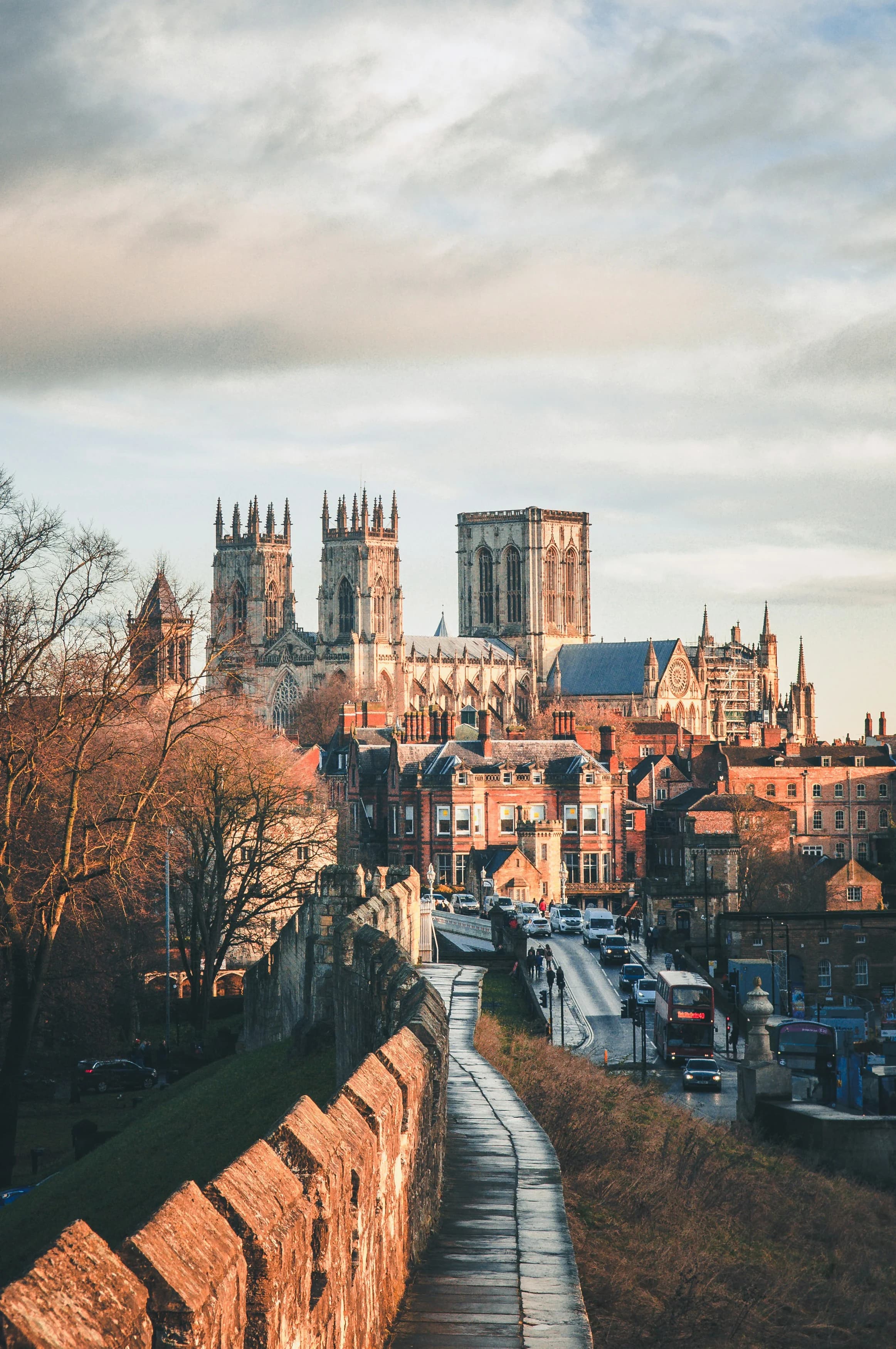
York is not a city that rewards haste. Its medieval street plan, the Shambles included, was built for foot traffic and contemplative movement. A luxury suite here functions as a base for slow, deliberate exploration rather than a transit point between attractions. The right property gives you proximity to the city's core without sacrificing quiet: thick stone walls, courtyard-facing windows, and rooms where the ambient noise of the city is absorbed rather than amplified.

64 km away
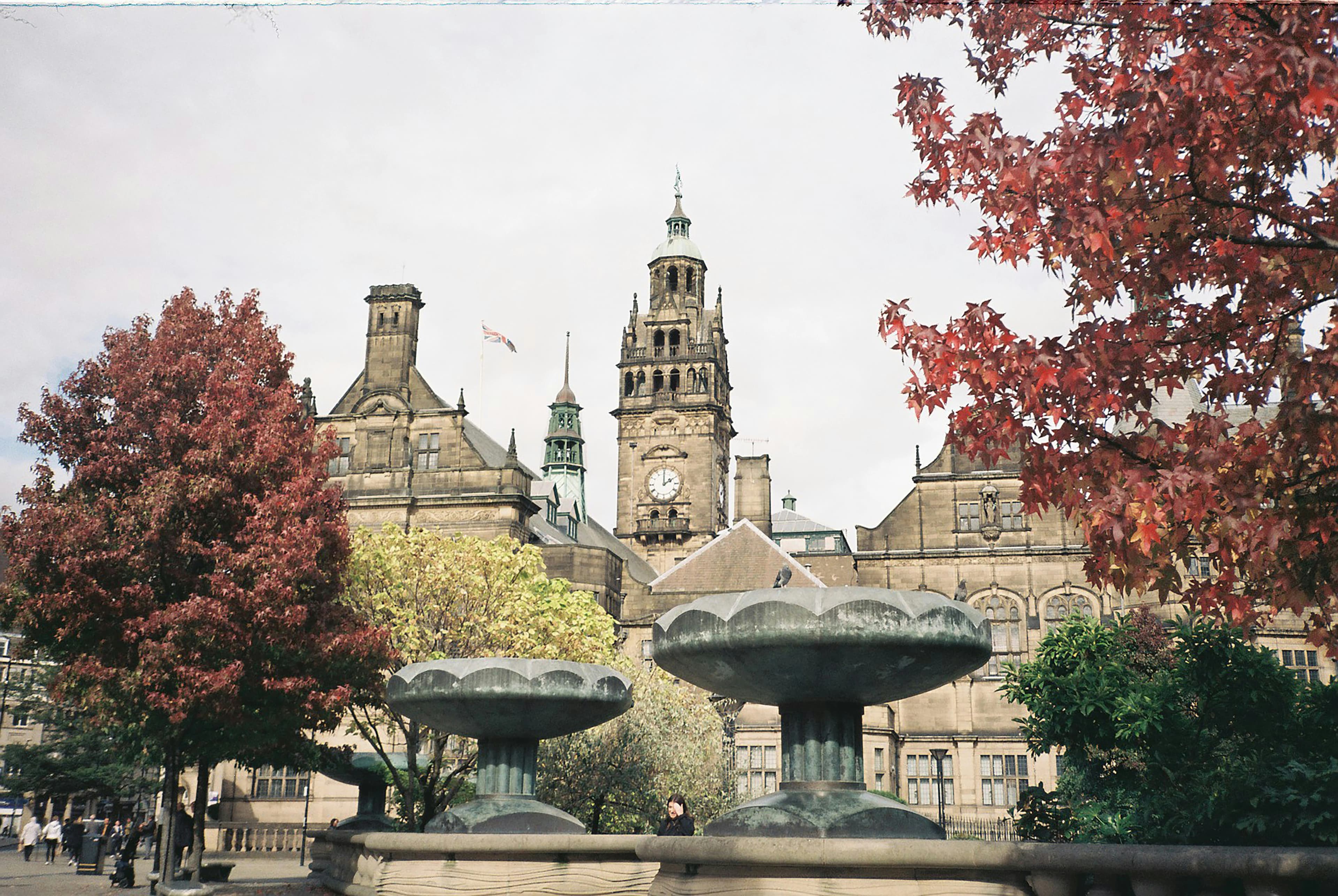
Sheffield is not a single-note city. Its geography, divided across seven hills, creates genuinely different atmospheres depending on where you base yourself. The city centre, rebuilt and restructured since the 1990s, holds the highest concentration of upscale hotels, with proximity to the cultural quarter, the Crucible Theatre, and the principal dining addresses. For travelers who prefer a residential feel, the western suburbs of Broomhill and Fulwood offer leafy Victorian architecture and a more considered pace. These areas border Ecclesall Road, Sheffield's most commercially refined street, lined with independent restaurants and design-conscious retail. Further west, the boundary with the Peak District National Park begins almost imperceptibly, making properties near this edge particularly appealing for travelers who want both urban access and open landscape within the same stay.

76 km away
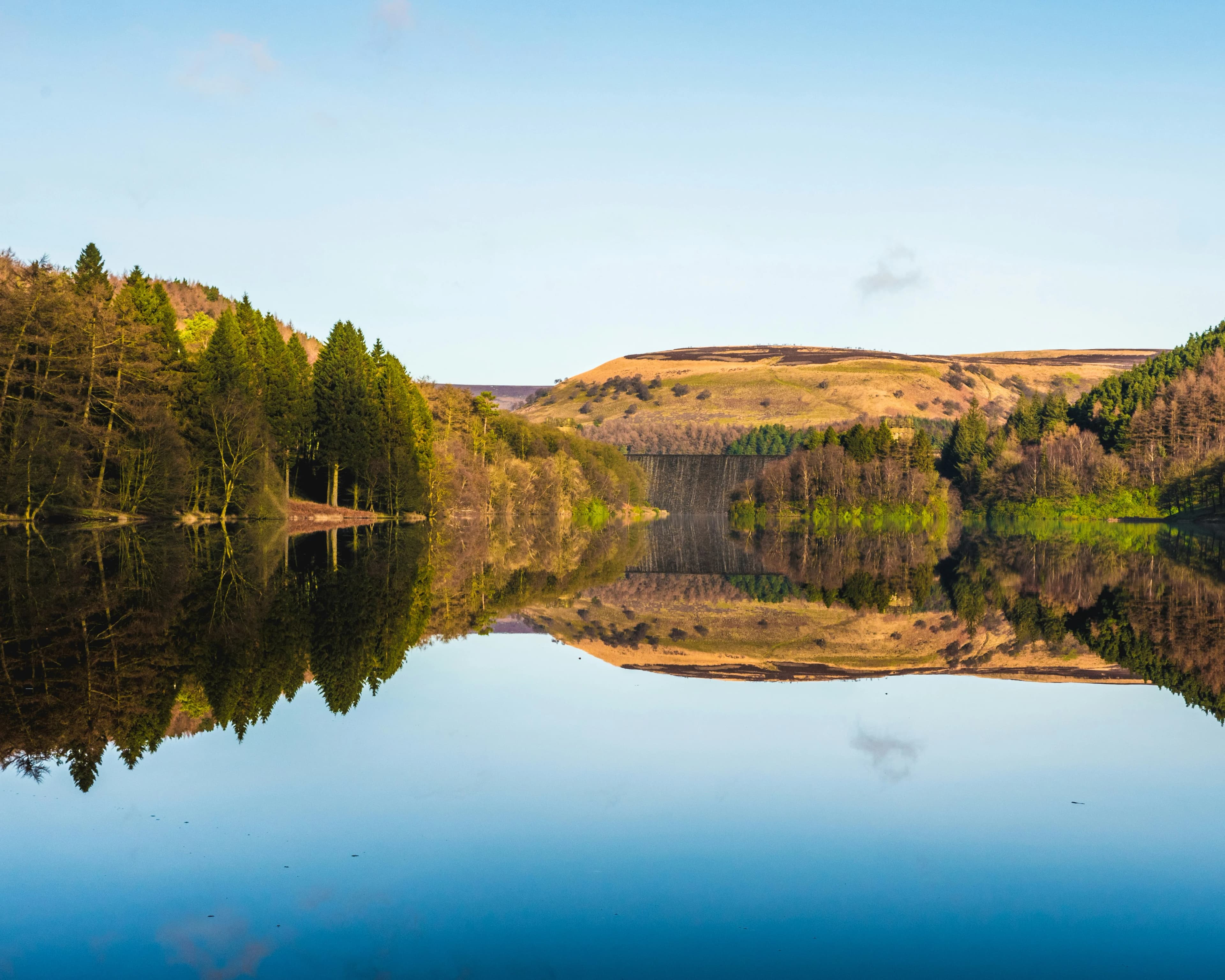
The Peak District is England's first national park, designated in 1951, and Bakewell is its principal market town. The landscape divides neatly between the White Peak to the south, a limestone plateau of pale villages and deep dales, and the Dark Peak to the north, defined by high moorland, exposed gritstone and wide open sky. Neither is showy. Both reward attention.