Dakota Manchester, Manchester
Located in the Manchester City Center, Dakota Manchester is a 5-minute walk to Market Street and a 10-minute walk to the Spinningfields. Easily accessible, Dakota Manchester is just a 3-minute walk fr

Manchester is not a city that performs luxury for the sake of appearances. Its approach to high-end hospitality is grounded in substance: architectural integrity, considered interiors, and a service culture that is direct rather than deferential. The city's most distinguished luxury hotels tend to occupy buildings with genuine historical weight, former financial institutions, converted warehouses from the cotton trade era, and civic structures that carry a sense of permanence. This gives Manchester suites a character that is difficult to replicate elsewhere in the United Kingdom.
13 hotels available

Located in the Manchester City Center, Dakota Manchester is a 5-minute walk to Market Street and a 10-minute walk to the Spinningfields. Easily accessible, Dakota Manchester is just a 3-minute walk fr

Elegant Accommodations Dakota Manchester Airport offers a 5-star hotel experience in Manchester. Guests enjoy free WiFi, a restaurant, bar, and complimentary airport shuttle service. Comfortab

Historic Setting High Street Town House in Manchester is housed in a historic building, offering a unique and charming environment. Comfortable Accommodations The aparthotel features family r

Prime City Center Location Leven Manchester in Manchester city center offers easy access to key attractions. The Palace Theater is a 6-minute walk away, while John Rylands Library lies 0.7 mi near

Comfortable Accommodations Malmaison Manchester Deansgate in Manchester offers comfortable rooms with air-conditioning, private bathrooms, and modern amenities. Each room includes a work desk, fre

Request Type : Property Description Perfectly positioned just a stone's throw away from Piccadilly Train Station, Manchester Marriott Hotel Piccadilly proudly emerges as the city's leading 4-star dest

Featuring accommodations with free WiFi, air conditioning and an on-site gym, Roomzzz Manchester Victoria is located in a Grade II listed building next to Manchester Arndale shopping center and only a

Stunning City Views from Manchester iconic Beetham Tower Nestled in the heart of Manchester's City center, our 23-story hotel offers panoramic views over this vibrant and historic city's skyline. Perf

The Midland is an award-winning, 4-star luxury hotel with a spa in Manchester city center. It offers stylish, air-conditioned rooms with free WiFi. Providing a fine dining experience, Adam Reid at The

Discover The Rex, an exclusive retreat, shaped by indulgence and refined hospitality. Located at 100 King Street in the central conservation area, The Rex occupies the former Midland Bank, one of Man

Set in the heart of bustling Manchester, this 19th-century boutique hotel offers stylish, luxurious rooms with 32-inch flat-screen TVs. Oxford Road Rail Station is just 5 minutes’ walk away. With Egy

Comfortable Accommodations Rooms feature air-conditioning, private bathrooms, city views, and modern amenities. Guests enjoy free WiFi, flat-screen TVs, and work desks. Dining and Leisure The

Make yourself at home at Whitworth Locke aparthotel, in Manchester city center. Discover 160 design-led studios and suites, each with their own kitchen. Light, bright coworking spaces and meeting room
Hotels in the area, but in a neighbouring town.
The result is a hotel suite experience that sits comfortably between the formality of London and the raw creative energy of cities like Berlin or Copenhagen. Guests who book a luxury suite in Manchester are typically seeking a room with architectural presence, strong connectivity for business or cultural purposes, and access to a food and hospitality scene that has matured considerably over the past decade.
The core of Manchester's luxury hotel offering is concentrated along and around Deansgate, the city's principal commercial and cultural spine. This area places guests within walking distance of the John Rylands Library, the Opera House, and the principal retail and restaurant districts. Suites in this corridor tend to be housed in architecturally significant buildings and offer the highest concentration of premium room categories in the city.
Spinningfields functions as Manchester's business district, with a curated mix of contemporary architecture, high-end dining, and a quieter residential rhythm than the main city centre. For travellers combining business with extended stays, suites in this quarter offer a different pace: more considered, less transient. The area's proximity to the main corporate campuses and legal institutions makes it a natural choice for executive travellers seeking a luxury hotel suite with genuine workspace functionality.
For the design-literate traveller, Ancoats represents Manchester's most compelling neighbourhood proposition. A former industrial district, it has been carefully rehabilitated into a quarter of independent restaurants, craft production spaces, and considered residential conversions. Boutique luxury hotel options here tend towards adaptive reuse architecture, where the material history of the building becomes part of the guest experience. Expect exposed brick, structural steel, and interiors that engage seriously with the building's past.
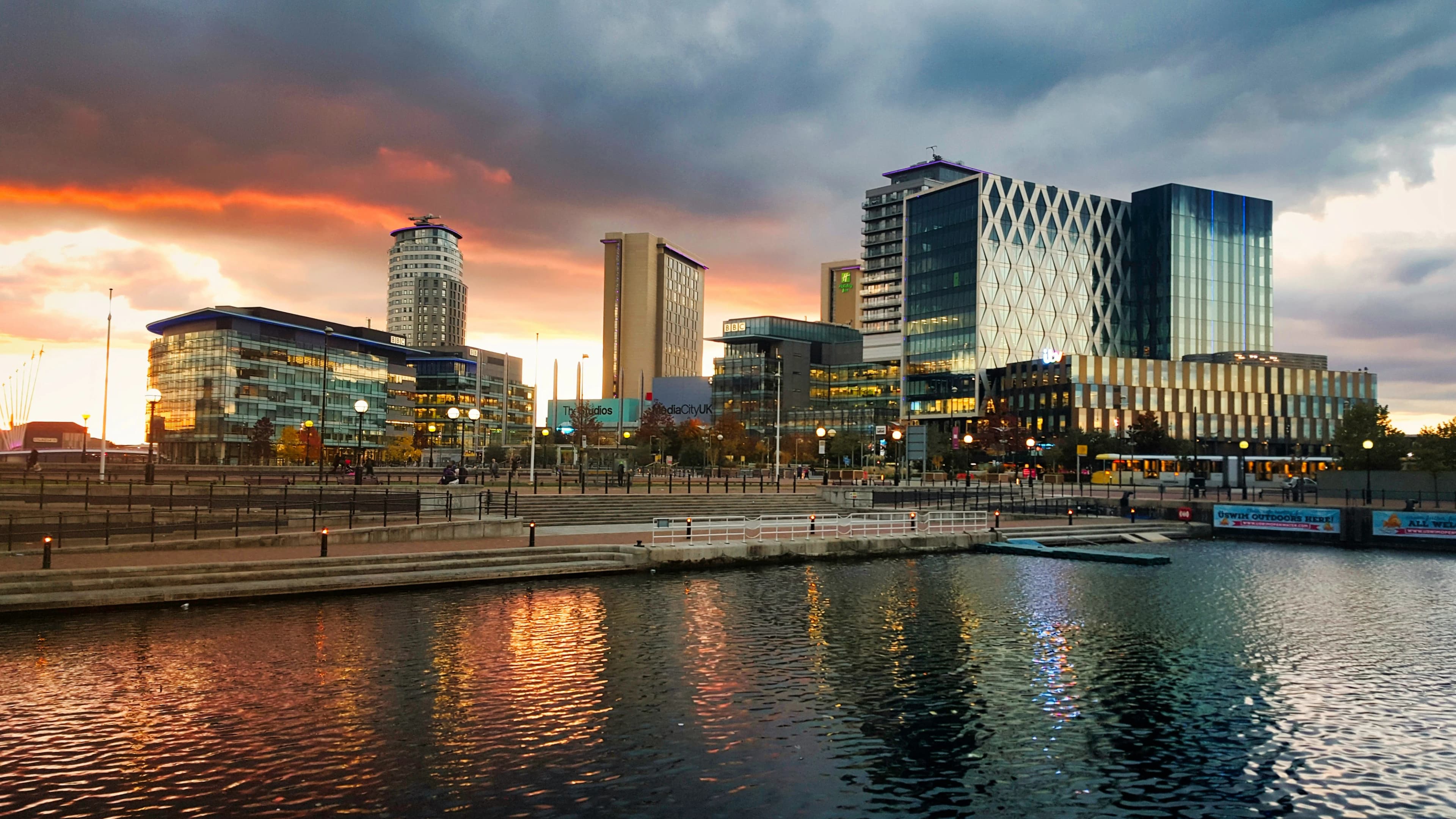
Across the River Irwell, Salford Quays and MediaCityUK offer a different register of luxury hospitality. The waterfront setting, combined with proximity to major media and technology employers, creates demand for high-specification suites that serve both extended business stays and culturally motivated visits. The Lowry arts complex anchors this area's cultural identity, and several hotels in the vicinity have been designed with that audience in mind.
Manchester operates on a year-round hospitality calendar. Unlike resort destinations, its appeal is not seasonally dependent. That said, specific periods offer distinct advantages for the suite traveller. Spring (April through June) brings consistent cultural programming, with the Manchester International Festival in odd-numbered years representing one of the most significant arts events in Europe. The festival period in particular creates high demand for premium room categories, and advance planning is advisable.
Autumn is frequently cited by experienced visitors as the city's most atmospheric season. The cultural institutions are in full programme, the city's restaurant scene is at its most active, and the weather, while reliably overcast, lends itself to interior experiences: galleries, private dining, and extended time in well-designed suite spaces. Summer sees increased leisure travel and elevated occupancy in city centre properties, while January through March represents the clearest opportunity to secure preferred suite categories at more accessible rate levels.
Manchester's luxury hotel sector operates primarily within the five-star and upper four-star categories, with a small number of properties holding or targeting recognition from bodies such as AA Rosettes (for dining) and Forbes Travel Guide assessment. Unlike Paris, there is no formal national Palace designation in the United Kingdom, so the signals of genuine luxury are found in the specifics: suite square footage, the quality of bathroom appointments, the clarity of the design language, and the coherence of the service offer.
The best luxury suites in Manchester will typically offer separate living and sleeping areas of genuine scale, not simply a partitioned room. Bathroom specifications at the top level include freestanding baths, rain showers, and materials sourced with evident attention. Connectivity infrastructure is treated as a primary consideration rather than an afterthought, reflecting the city's strong business travel base. Many properties also offer suite-specific butler or dedicated floor butler service, which is worth confirming at the time of booking.
The first decision for the suite traveller in Manchester is architectural. The city offers a genuine choice between properties housed in Victorian or Edwardian civic buildings, where ceiling height and decorative stonework create a particular atmosphere, and contemporary towers that prioritise floor-to-ceiling glazing and unobstructed city views. Neither is inherently superior. The choice depends on whether the traveller is drawn to material history or to the cleaner geometry of contemporary design.
Manchester's luxury hotels serve a broad range of stay types. Business-focused travellers should prioritise suites with dedicated desk infrastructure, high-bandwidth connectivity, and proximity to Deansgate or Spinningfields. Cultural travellers benefit from proximity to the Northern Quarter, the city's main theatre district, and the gallery corridor. Families should look specifically at suite configurations that offer genuine separation between adult and children's sleeping areas, as well as hotel properties with in-room dining menus of real quality.
Manchester's food scene has undergone a significant transformation and now includes multiple restaurants holding or contending for Michelin recognition. When selecting a luxury hotel suite, it is worth assessing whether the property's restaurant offer is a genuine destination in its own right, or whether the hotel dining functions primarily as a convenience. The best Manchester properties have resolved this question clearly, with kitchen programmes that attract non-resident diners.
Manchester's luxury hotel market is smaller and more concentrated than London's, but that does not make the selection process straightforward. The city has seen considerable hotel development over the past decade, and the gap between a genuinely considered luxury suite and a premium-branded room with suite-level pricing requires careful navigation. La Suite applies consistent editorial criteria across every property in its selection: spatial quality, service coherence, design integrity, and the specifics of the suite product itself. For the traveller arriving in Manchester with high expectations and limited time, that curation removes the friction from the decision process and ensures that the chosen suite is one that will genuinely deliver against the investment.

Manchester offers a more concentrated and architecturally grounded luxury hotel landscape than London, with less geographic complexity in the decision process. Suites here tend to be housed in buildings with genuine industrial or civic heritage, creating a character that is specific to the city rather than interchangeable with other British destinations. The city's cultural and restaurant life is sufficiently developed to support a multi-night stay at the highest level.
The Deansgate corridor and Spinningfields district hold the highest concentration of five-star and upper four-star properties, making them the most reliable areas for a luxury hotel suite in Manchester. Ancoats offers a more design-forward alternative for travellers drawn to adaptive reuse architecture and independent cultural programming. Salford Quays provides a waterfront option with strong proximity to MediaCityUK and the Lowry arts complex.
Manchester operates as a year-round destination with no single peak season that dominates over all others. The Manchester International Festival, held in odd-numbered years during July, creates the highest demand period for premium suites and requires early booking. Autumn is considered by many experienced visitors to be the city's most atmospheric season, while January through March typically offers the greatest flexibility in suite availability and rate.
The key indicators of a genuinely premium suite in Manchester include separate living and sleeping areas of real scale, high-specification bathroom appointments such as freestanding baths and quality stone finishes, and connectivity infrastructure treated as a primary rather than secondary consideration. Butler service, either suite-specific or dedicated floor butler, is available at the top level and is worth confirming directly with the property before arrival.
Manchester is one of the United Kingdom's principal business destinations outside London, with a strong base in financial services, media, technology, and professional services. The city's luxury hotels are well-calibrated for business travellers, with suite products that include dedicated desk space, high-bandwidth connectivity, and proximity to the main corporate and legal districts. Several properties also offer private meeting facilities accessible exclusively to suite guests.
Yes. The Ancoats and Northern Quarter districts in particular have seen the development of boutique luxury hotel properties that prioritise design integrity and adaptive reuse over conventional five-star formats. These properties tend to work with the existing material character of their buildings, incorporating exposed structural elements alongside precision-designed suite interiors. For the design-literate traveller, this category represents one of the more interesting developments in Manchester's hospitality market.
Manchester's restaurant landscape has matured significantly and now includes properties with serious kitchen programmes that attract non-resident diners and have pursued or attained Michelin recognition. When selecting a luxury suite in Manchester, the quality of the in-house dining is a material consideration, as it affects the coherence of the overall stay experience. The best properties have resolved this by treating their restaurant as a genuine destination rather than a hotel convenience.
At the top level of Manchester's hotel market, luxury suites typically offer separate living and sleeping areas with a combined footprint that provides genuine spatial comfort rather than a partitioned standard room. Bathroom specifications include freestanding baths, oversized rain showers, and materials of evident quality. Views vary by property, with Victorian-era buildings offering internal courtyard or street-level architecture and contemporary towers offering floor-to-ceiling glazing with city or waterfront outlooks.
La Suite applies consistent editorial criteria to every property in its Manchester selection, assessing spatial quality, the specifics of the suite product, design coherence, and service delivery. The curation process is designed to distinguish between properties that deliver a genuinely considered luxury suite experience and those that use suite-level pricing for rooms that do not substantively justify the category. The result is a selection that reflects the actual landscape of high-end suite travel in the city rather than a comprehensive hotel directory.
Entirely. Manchester has a cultural infrastructure that supports high-quality leisure travel independently of its business reputation. The city holds significant collections in its public galleries, operates a year-round programme of theatre, opera, and contemporary performance, and has a food and hospitality scene of genuine ambition. Its architectural heritage, particularly in the warehouse districts and civic buildings of the city centre, provides a physical context that rewards the kind of unhurried, detail-oriented exploration that a well-chosen luxury hotel suite makes possible.

48 km away
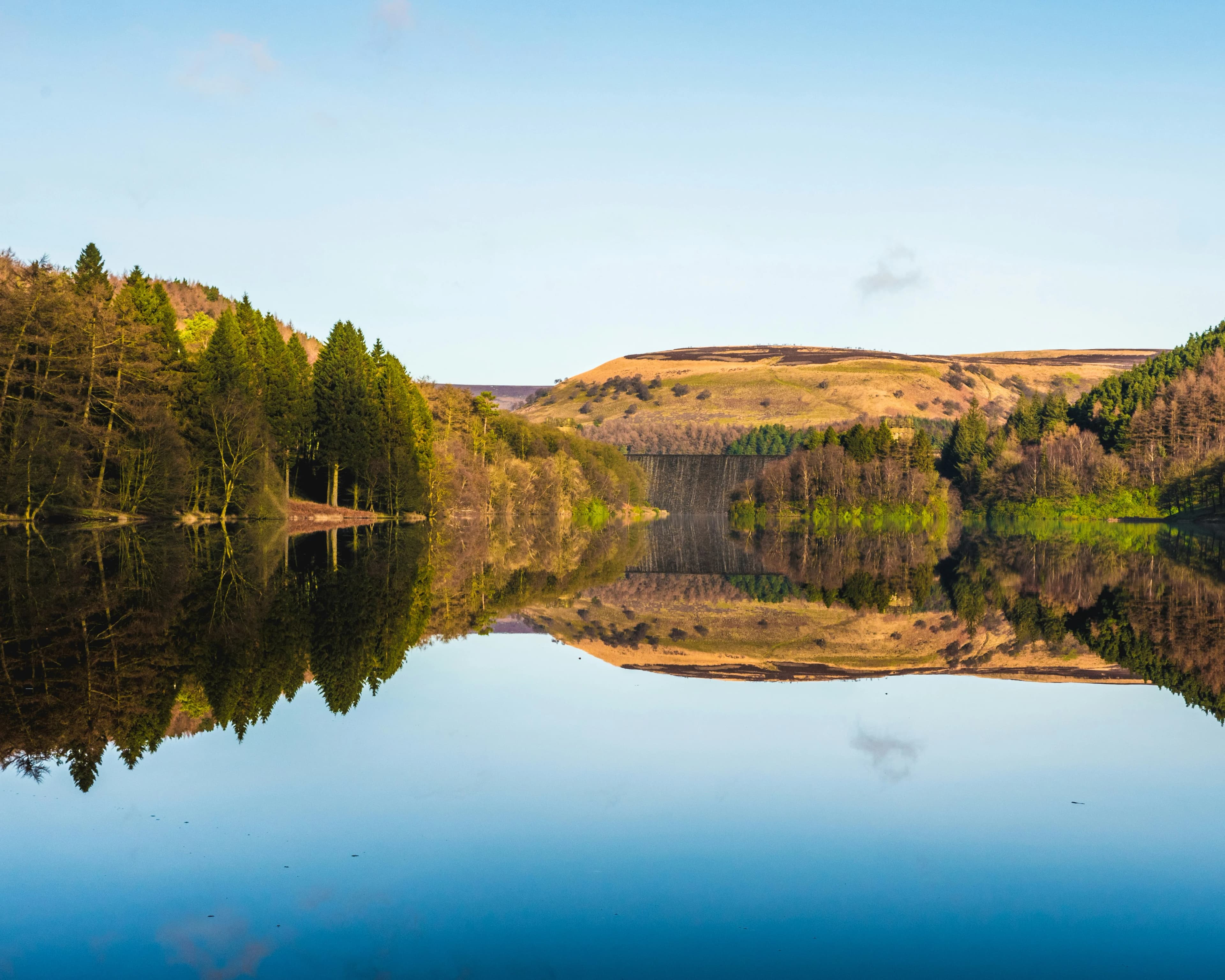
The Peak District is England's first national park, designated in 1951, and Bakewell is its principal market town. The landscape divides neatly between the White Peak to the south, a limestone plateau of pale villages and deep dales, and the Dark Peak to the north, defined by high moorland, exposed gritstone and wide open sky. Neither is showy. Both reward attention.

37 km away
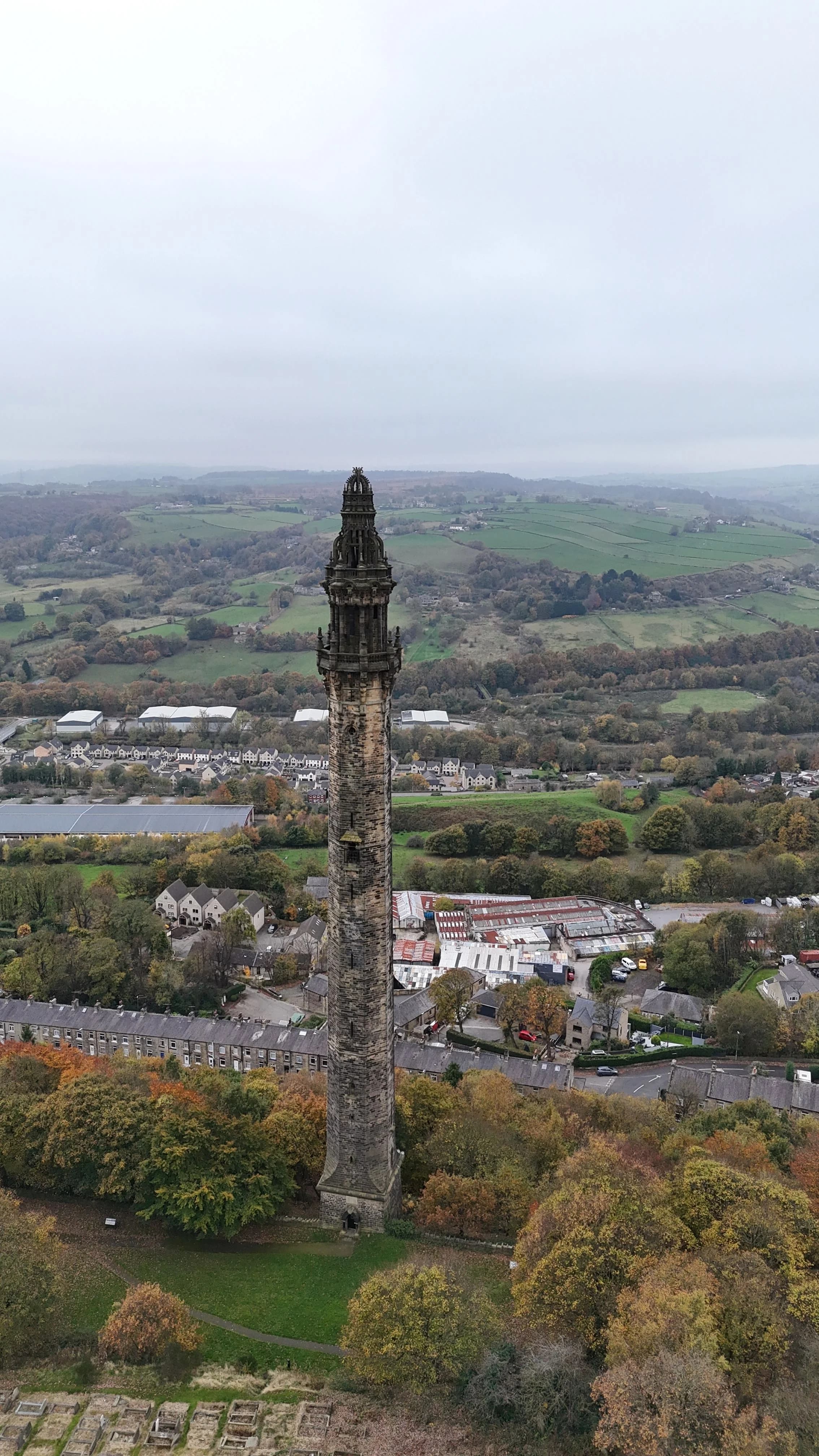
Halifax sits within the Calder Valley in West Yorkshire, a region of dramatic topography shaped by centuries of wool and textile trade. The town itself is compact and architecturally dense, with the restored Piece Hall at its centre, a Grade I listed cloth hall built in 1779 that now anchors the cultural life of the town. The surrounding area extends into open moorland, with Hebden Bridge, Todmorden, and the wider Calderdale district offering alternative bases for travellers who prefer a rural setting without sacrificing proximity to the town's institutions.