Marine Troon, Troon
The 5-star Marine Hotel is a grand building with views over the Firth of Clyde towards the Isle of Arran, overlooking Royal Troon Golf Course. The property offers fitness facilities along with a sauna

1 hotel available

The 5-star Marine Hotel is a grand building with views over the Firth of Clyde towards the Isle of Arran, overlooking Royal Troon Golf Course. The property offers fitness facilities along with a sauna

103 km away
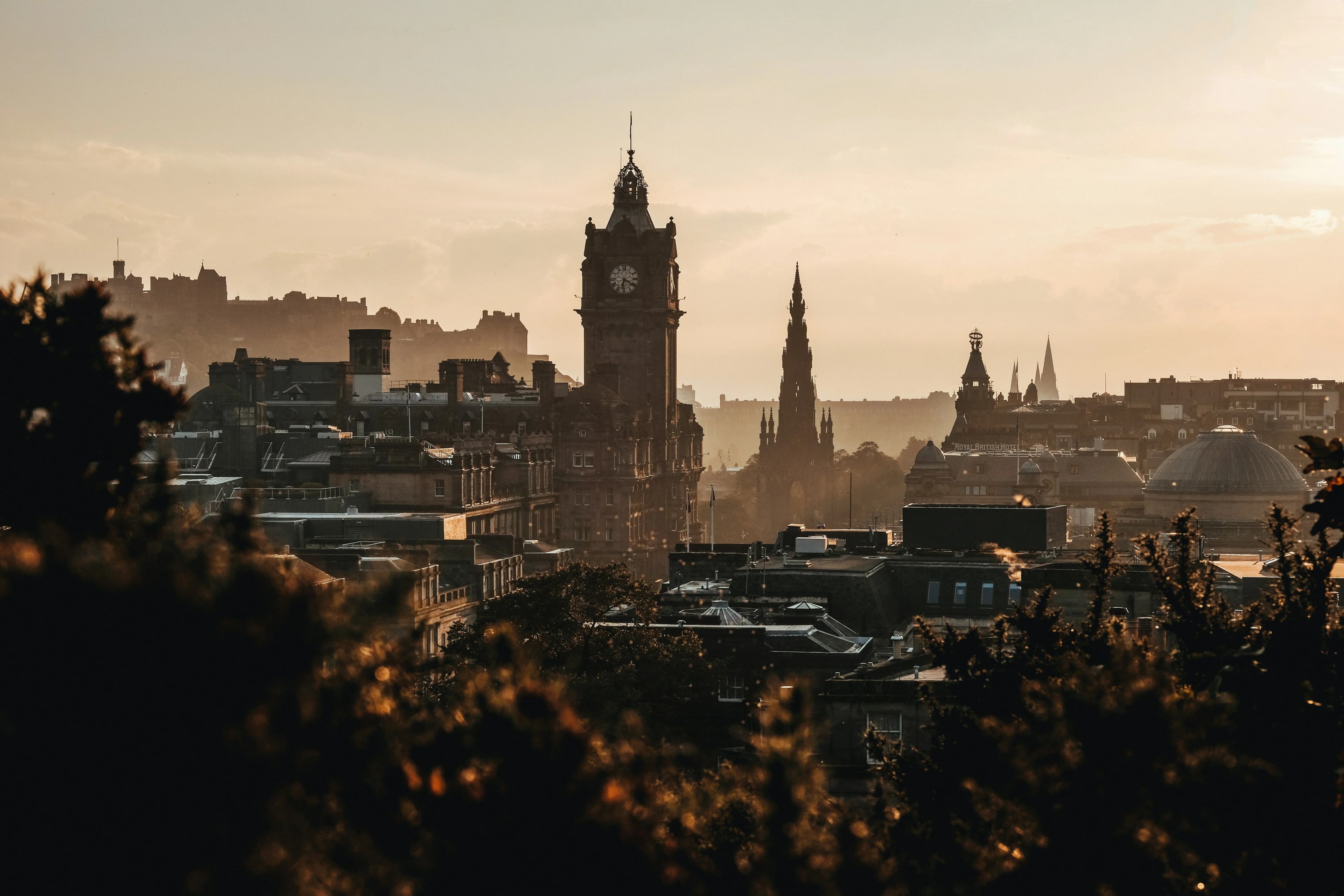
Edinburgh is a city of clearly delineated quarters, each carrying its own architectural character and social register. Understanding these distinctions matters when selecting a luxury hotel suite, because location here shapes not just convenience but the entire sensory register of a stay.

44 km away
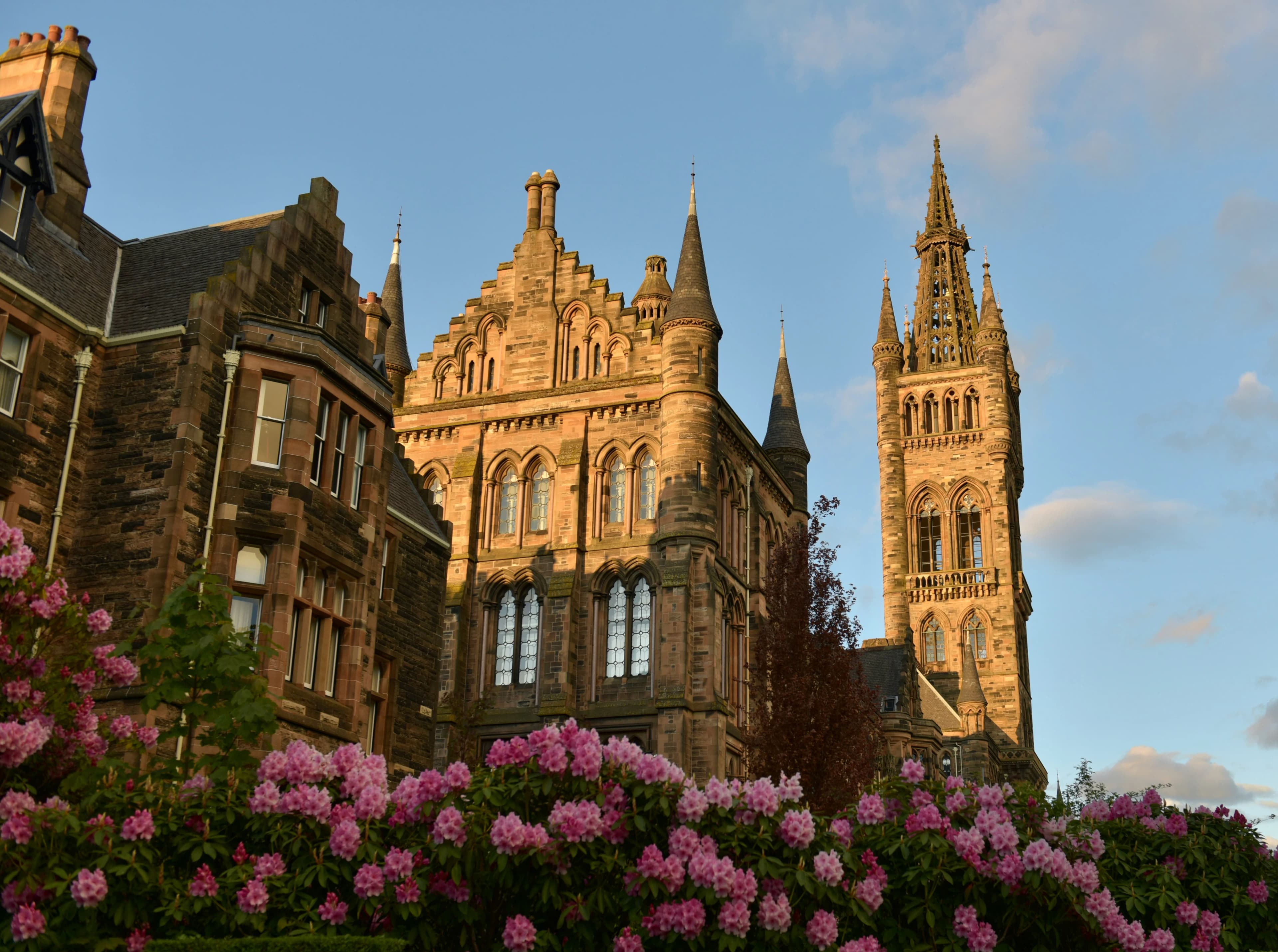
Glasgow is frequently misread as secondary to Edinburgh. The comparison is not useful. Where Edinburgh operates through heritage and spectacle, Glasgow works through culture, architecture, and a directness of character that appeals to a more specific kind of traveller. The city holds more Charles Rennie Mackintosh buildings than any other place on earth. Its gallery infrastructure, anchored by the Kelvingrove Art Gallery and Museum and the Burrell Collection, is substantive by any European standard. Its restaurant culture has matured considerably over the past two decades, with a clear emphasis on Scottish produce handled with technical precision. For the traveller who chooses destinations based on cultural density rather than postcard legibility, Glasgow is a coherent and rewarding choice.

165 km away
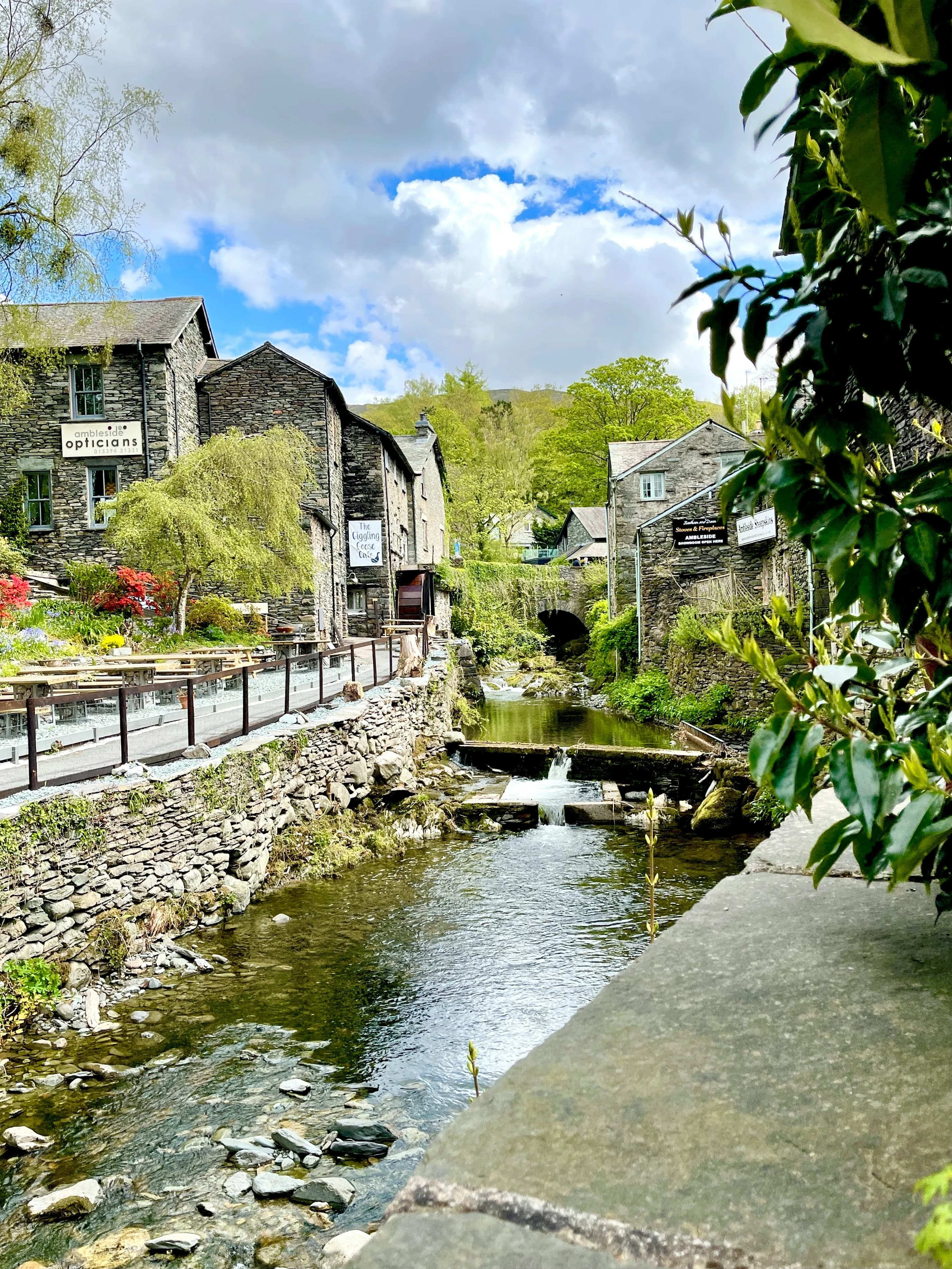
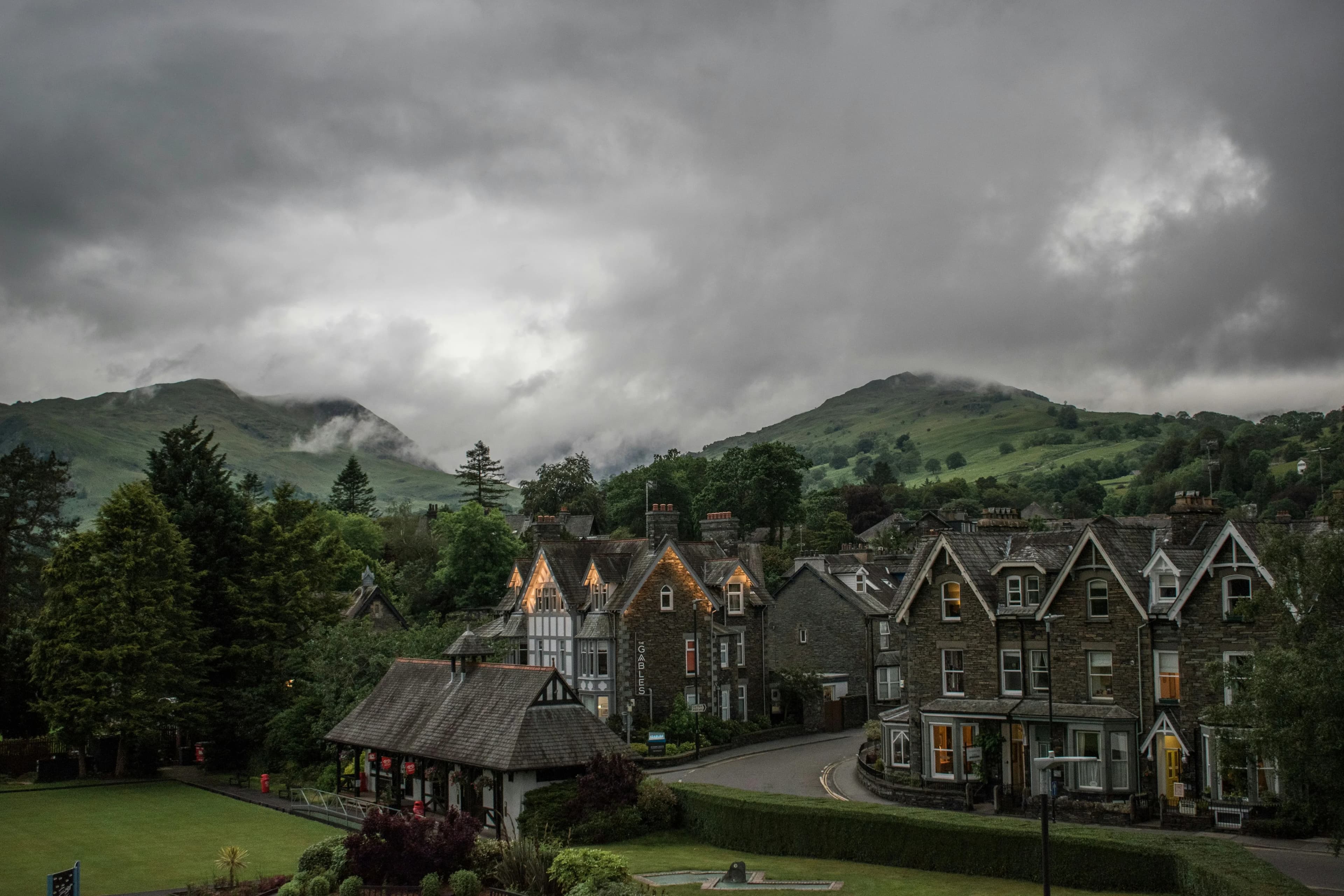
Ambleside is a small market town, yet its position within the Lake District makes it one of the most sought-after bases in northern England for travellers who value landscape and privacy equally. The town itself is compact, built largely from local Lakeland slate, with Victorian additions that give it a particular architectural coherence. The surrounding fells, including the summits of Loughrigg and Red Screes, are walkable directly from the town centre. For those exploring the broader United Kingdom in depth, the Lake District represents a compelling counterpoint to the country's urban centres: slower, more elemental, and profoundly quieter.