Understanding Fatih as a luxury destination
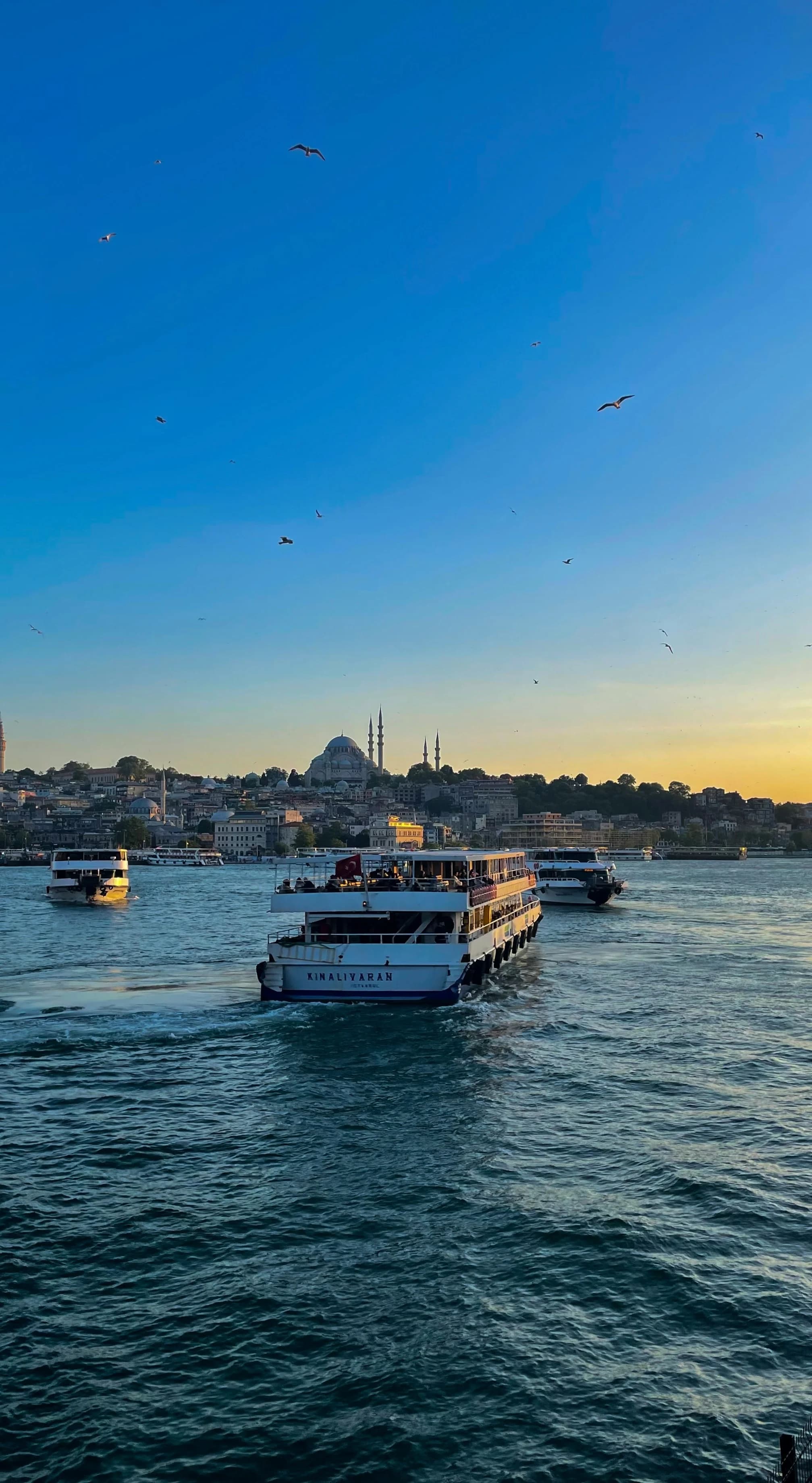
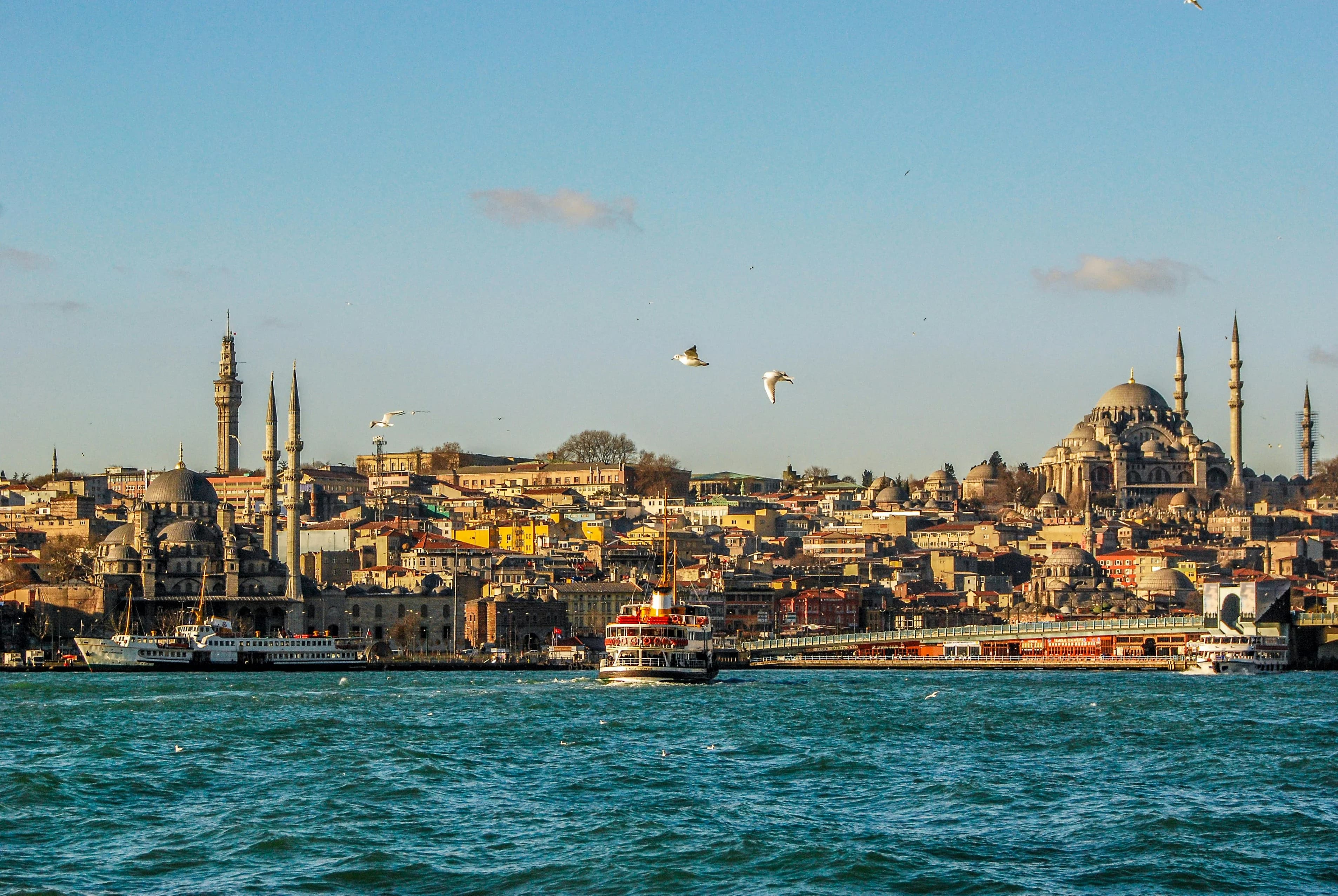
The district borders the Golden Horn to the north and the Sea of Marmara to the south. The land rises and falls across a peninsula defined by millennia of construction, demolition, and reconstruction. Staying here means waking up to minarets rather than glass towers, to the call to prayer rather than traffic noise, and to a skyline that has been largely unchanged in silhouette for five centuries. For travelers who have explored Turkey or the broader Middle East, Fatih represents the point where European and Asian influences converge most visibly.
Key areas within Fatih for luxury stays
Sultanahmet
Sultanahmet is the district's most recognisable zone, positioned between the Hagia Sophia and the Blue Mosque. Properties here occupy some of the most historically charged real estate in the world. The best luxury hotel suites in this area prioritise views across the Bosphorus or directly onto the monument-lined parks of the old Hippodrome. Space is at a premium in this part of the city, so suite quality is measured not in square metres alone but in the calibre of the outlook and the precision of the interior finish.
Sirkeci and the Golden Horn edge
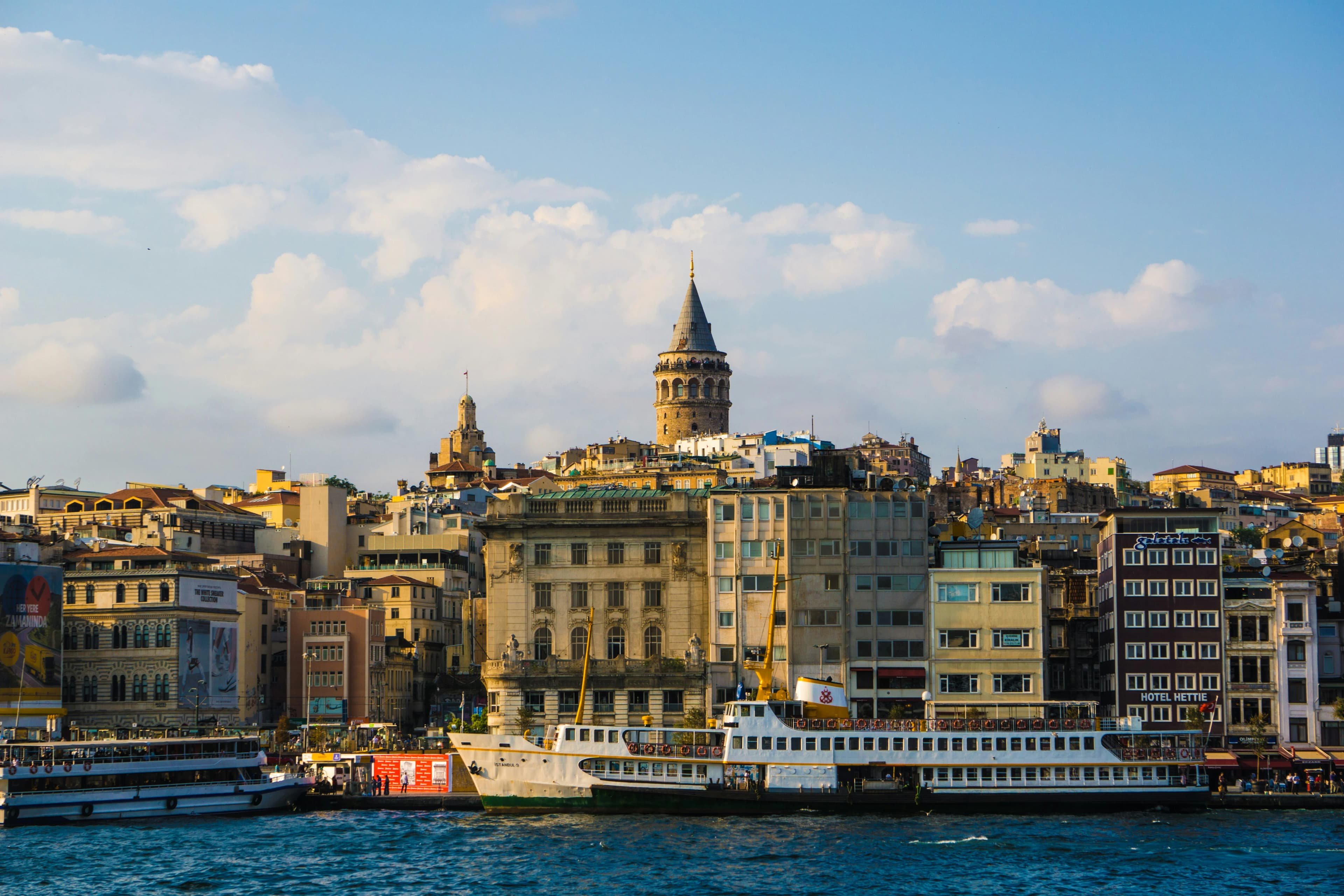
Sirkeci, historically the terminus of the Orient Express railway, offers a slightly different character. It sits at the edge of the peninsula where the Golden Horn meets the Bosphorus. Luxury properties in this corridor tend to be housed in late Ottoman and early Republican-era buildings, offering a more architectural, less touristic atmosphere than the immediate Sultanahmet core. The proximity to the Galata Bridge and the ferry terminals also gives this sub-area genuine practical value for travelers moving between the European and Asian sides of the city.
Beyazit and the university quarter
Beyazit, home to Istanbul University and the Grand Bazaar, is a quieter luxury proposition. The streets here are narrower, the atmosphere more residential, and the accommodation options more boutique in scale. For travelers seeking genuine immersion rather than monument-adjacent positioning, this part of Fatih offers a more considered pace.
When to visit Fatih
Istanbul's historic peninsula is a year-round destination, but the visiting conditions vary considerably by season. Spring (April to June) brings mild temperatures, lower humidity, and manageable crowd levels before the peak summer influx. This is the most comfortable window for walking the district's steep, cobbled streets and exploring its outdoor archaeological sites without physical exhaustion.
Summer (July to August) is the busiest period. Temperatures regularly exceed 30 degrees Celsius, and the major monuments attract very large crowds. Suite availability at the best properties tends to tighten considerably during this window, and advance planning is essential. September and October offer a strong alternative: the heat softens, the crowds thin, and the quality of light in the late afternoon across the Bosphorus is particularly clear.
Winter in Fatih is underestimated. December through February brings occasional rain and cold, but also a remarkable reduction in visitor numbers. The major mosques and palaces become far more accessible, and the city operates at a more authentic rhythm. Luxury hotel properties in the district often offer their most competitive conditions during this period.
Local luxury standards: what to expect from top-tier suites in Fatih
Turkey does not use the French Palace classification system. The reference points for luxury accommodation are instead the international five-star designation and, increasingly, membership in global luxury hotel consortia. In Fatih specifically, the finest properties tend to fall into two categories.
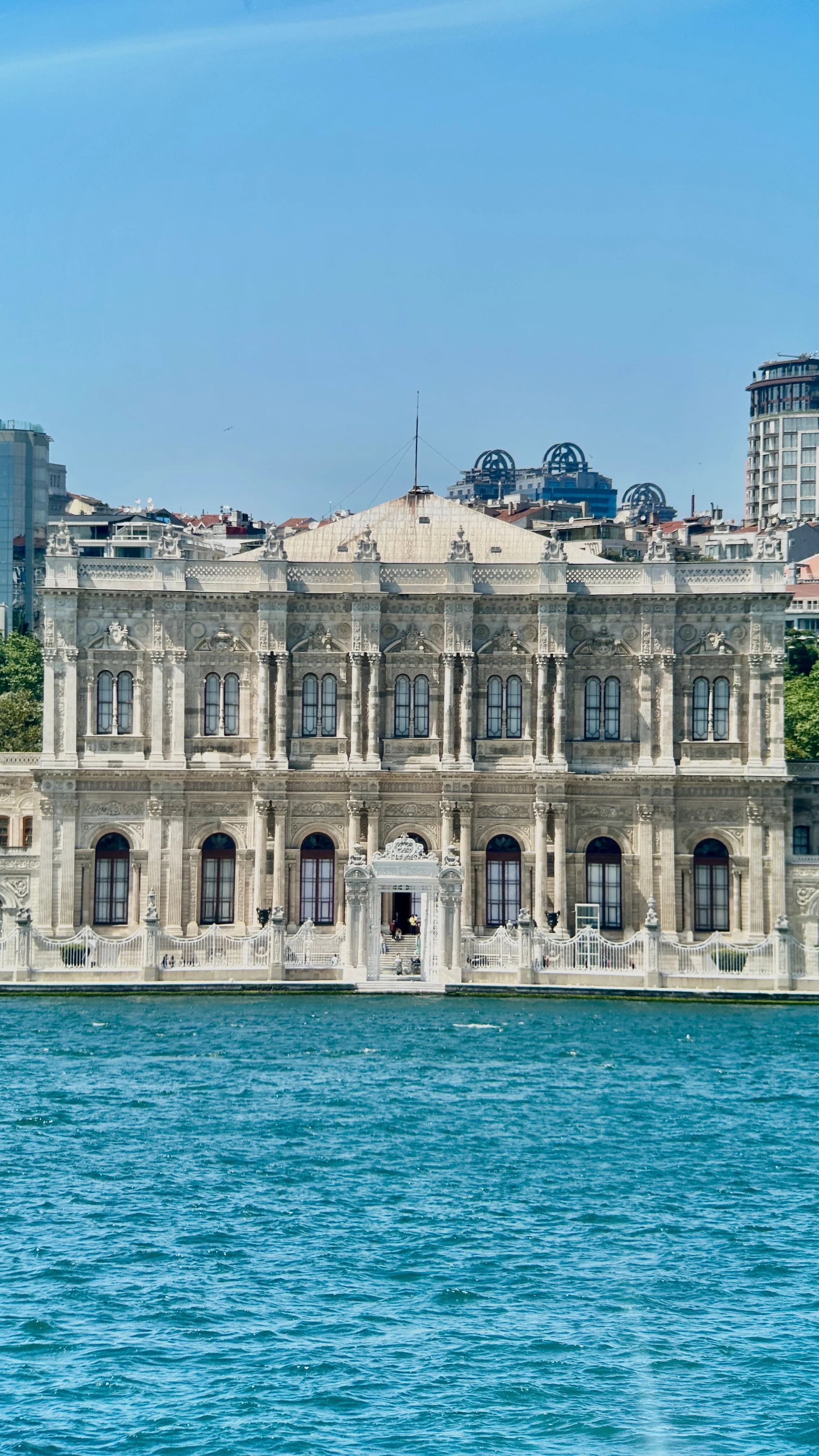
The first is the historic conversion: an Ottoman mansion, a Pera-era building, or a structure incorporating genuine archaeological elements within its fabric. These properties are architecturally distinct and often irreplaceable. The best suites within them feature original stonework, high-beamed ceilings, and a physical connection to the building's history that no contemporary construction can replicate.
The second category is the purpose-built luxury hotel with a strategic position: typically on the waterfront or with elevated views across the monuments. These properties tend to offer larger suite footprints, more consistent contemporary amenities, and the kind of spa and dining infrastructure that internationally mobile travelers expect.
What distinguishes the best suites in Fatih from elsewhere in Istanbul is the view factor. A suite positioned correctly in this district will frame either the Hagia Sophia dome, the Blue Mosque minarets, the Bosphorus strait, or some combination of the three. That outlook is not decorative. It is an architectural and experiential argument for staying precisely here rather than anywhere else in the city.
How to choose the right luxury suite in Fatih
Historical fabric versus contemporary comfort
The most important decision for the luxury traveler in Fatih is the balance between historical character and contemporary amenity. A converted Ottoman structure will offer atmosphere and architectural specificity that a modern tower cannot match. However, it may also offer smaller bathrooms, less consistent soundproofing, and more limited fitness facilities. The traveler who prioritises sensory and cultural immersion should lean toward the historic conversion. The traveler who requires a specific infrastructure standard should weigh that against the romantic appeal of the aged building.
View and orientation
In Fatih, the orientation of a suite matters enormously. Request specific room positions when booking. A suite facing the Sea of Marmara offers a different experience from one facing the interior courtyard. A Bosphorus-facing room at dawn is one of the more distinctive urban views available anywhere in Europe or the Middle East. Be precise in your requirements rather than accepting a standard allocation.
Access and mobility
The historic peninsula is not flat. Its streets are steep, occasionally uneven, and not always accessible by car. Travelers with mobility considerations should confirm ground-floor suite availability and the property's proximity to main arterial roads. The best properties in the district manage this with private transfer services and carefully considered guest logistics.
The value of a curated selection in Fatih
Fatih presents a specific curation challenge. The district contains a wide range of accommodation, from genuinely exceptional historic properties to establishments that use heritage language without delivering heritage quality. The density of tourist-facing offerings in Sultanahmet in particular makes independent research time-consuming and occasionally misleading.
La Suite applies a consistent set of criteria across all properties it lists: spatial quality, architectural coherence, service standard, and the demonstrable experience of the suite itself rather than the hotel's brand recognition alone. In a district as historically and commercially complex as Fatih, that filtering process has material value. It removes the noise and identifies the properties where the suite experience is genuinely commensurate with the setting.
For travelers planning a broader itinerary across Turkey, the Fatih stay is often the most culturally intensive part of the journey. Getting the accommodation right here sets the register for everything that follows.