






Middle East
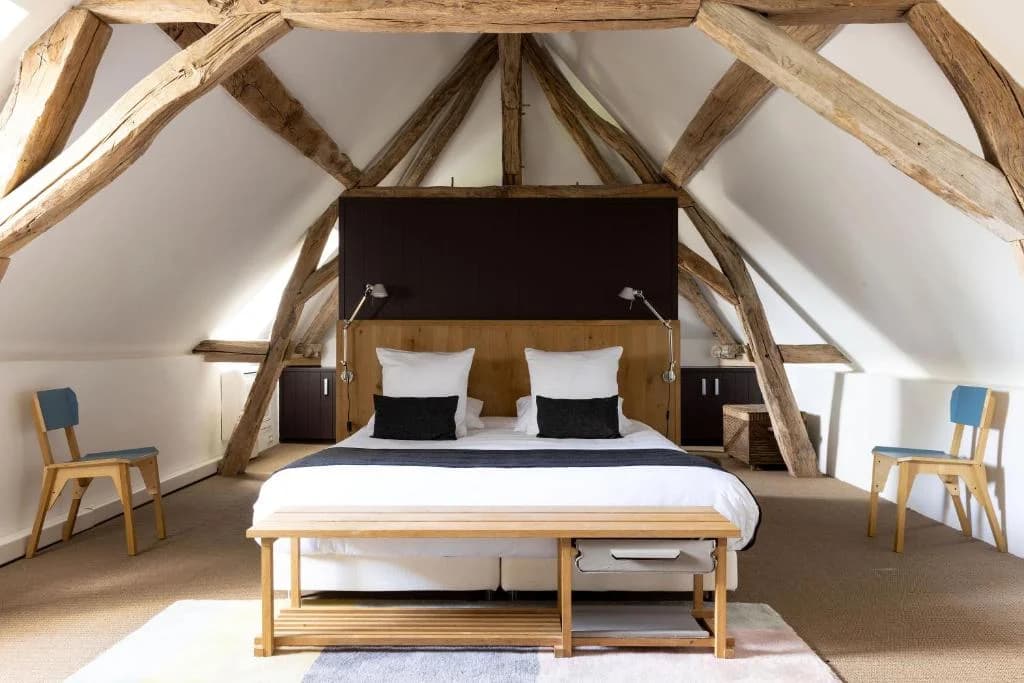
Luxury Hotel Suites in the Middle East
The Middle East is not a single landscape. It is a sequence of distinct architectural and cultural registers, each demanding a different approach to accommodation.
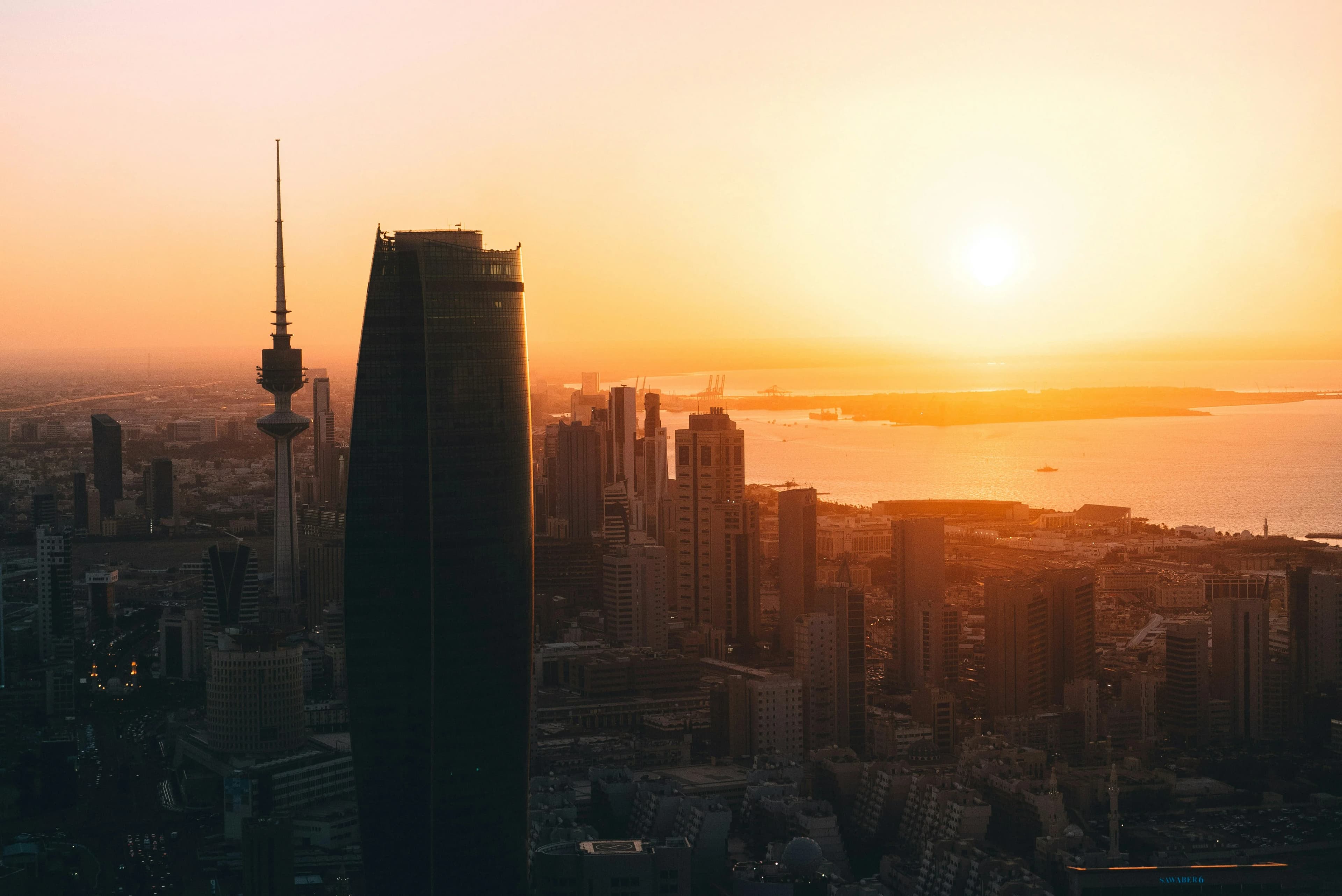
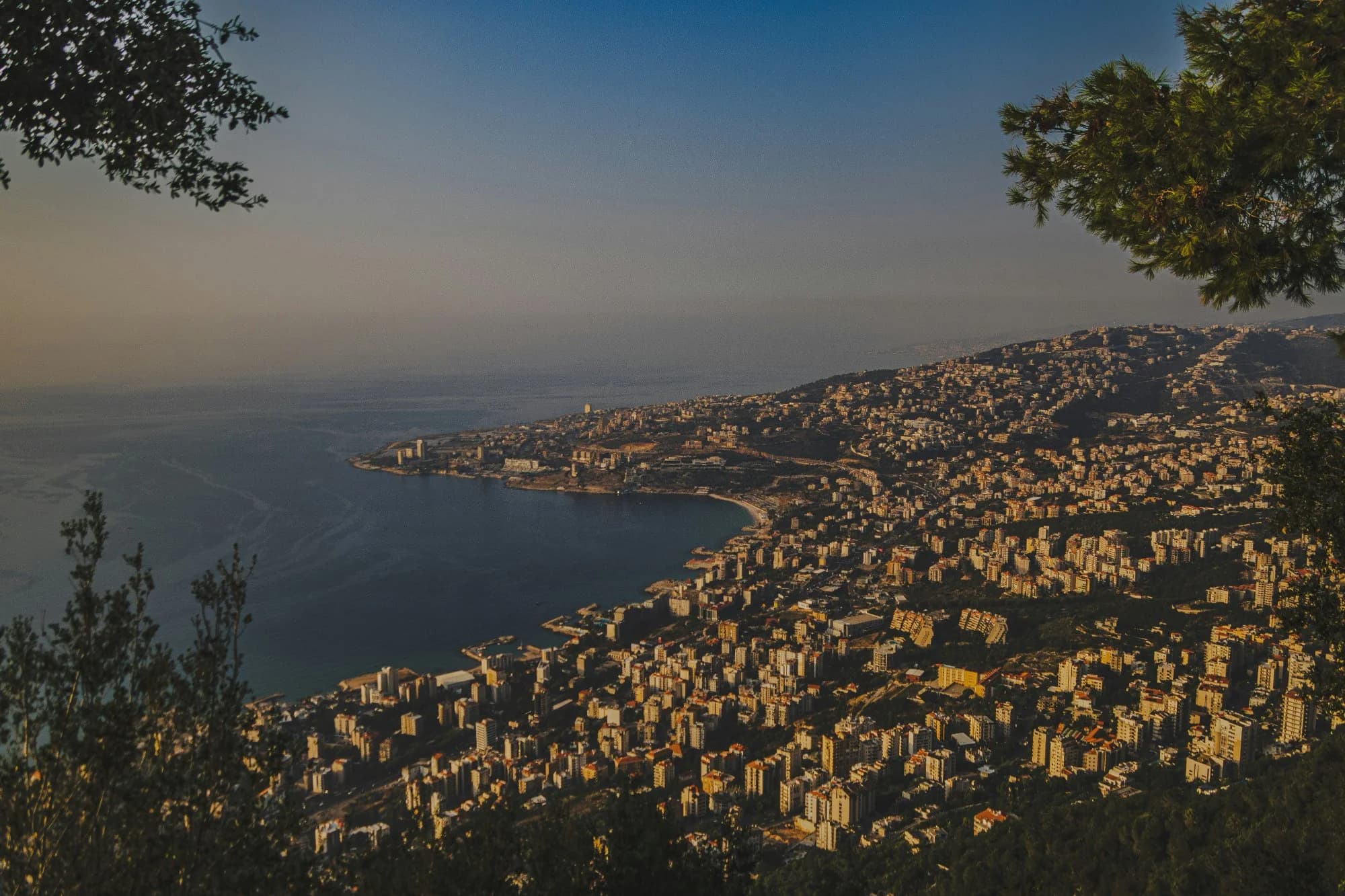
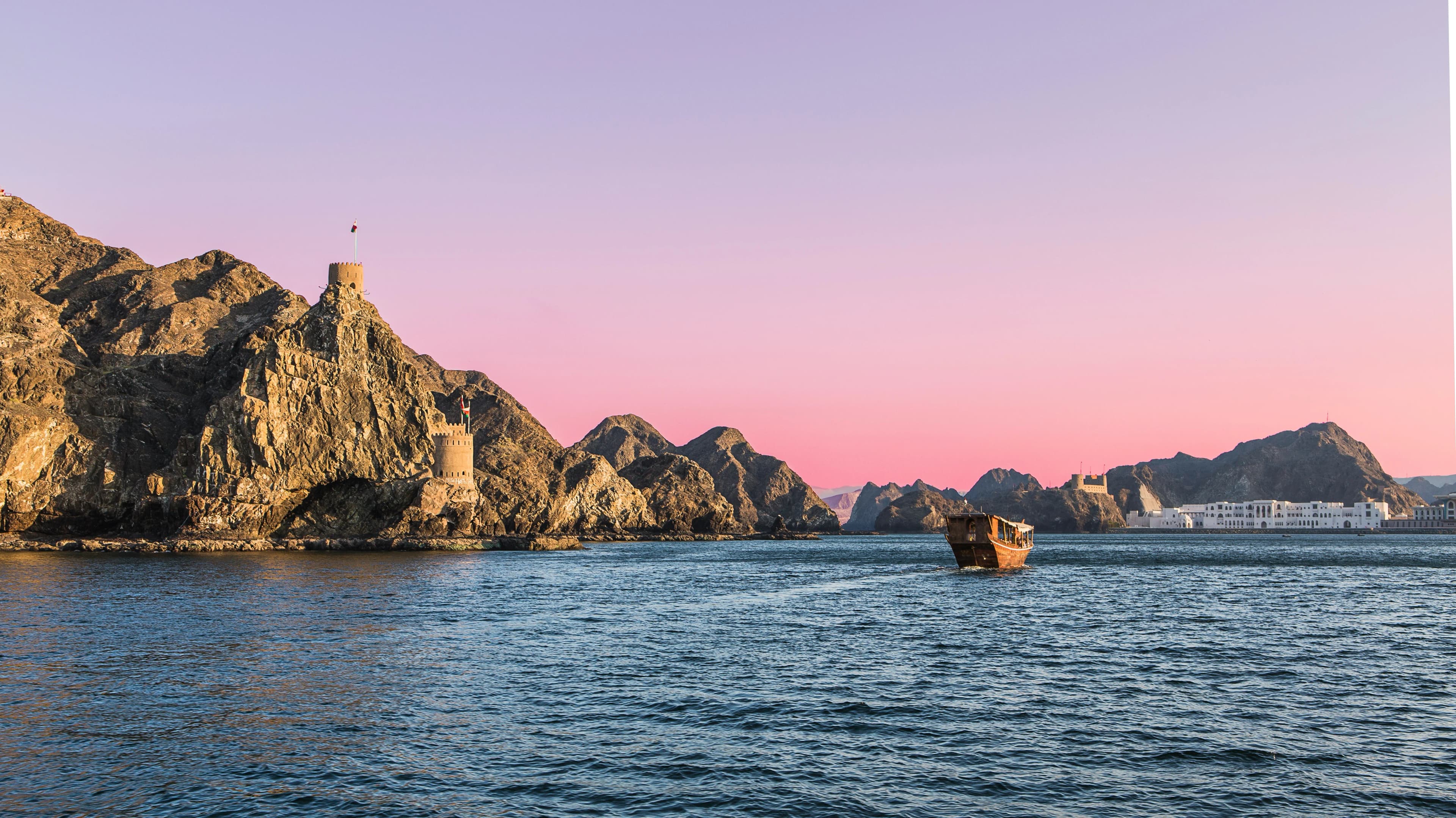
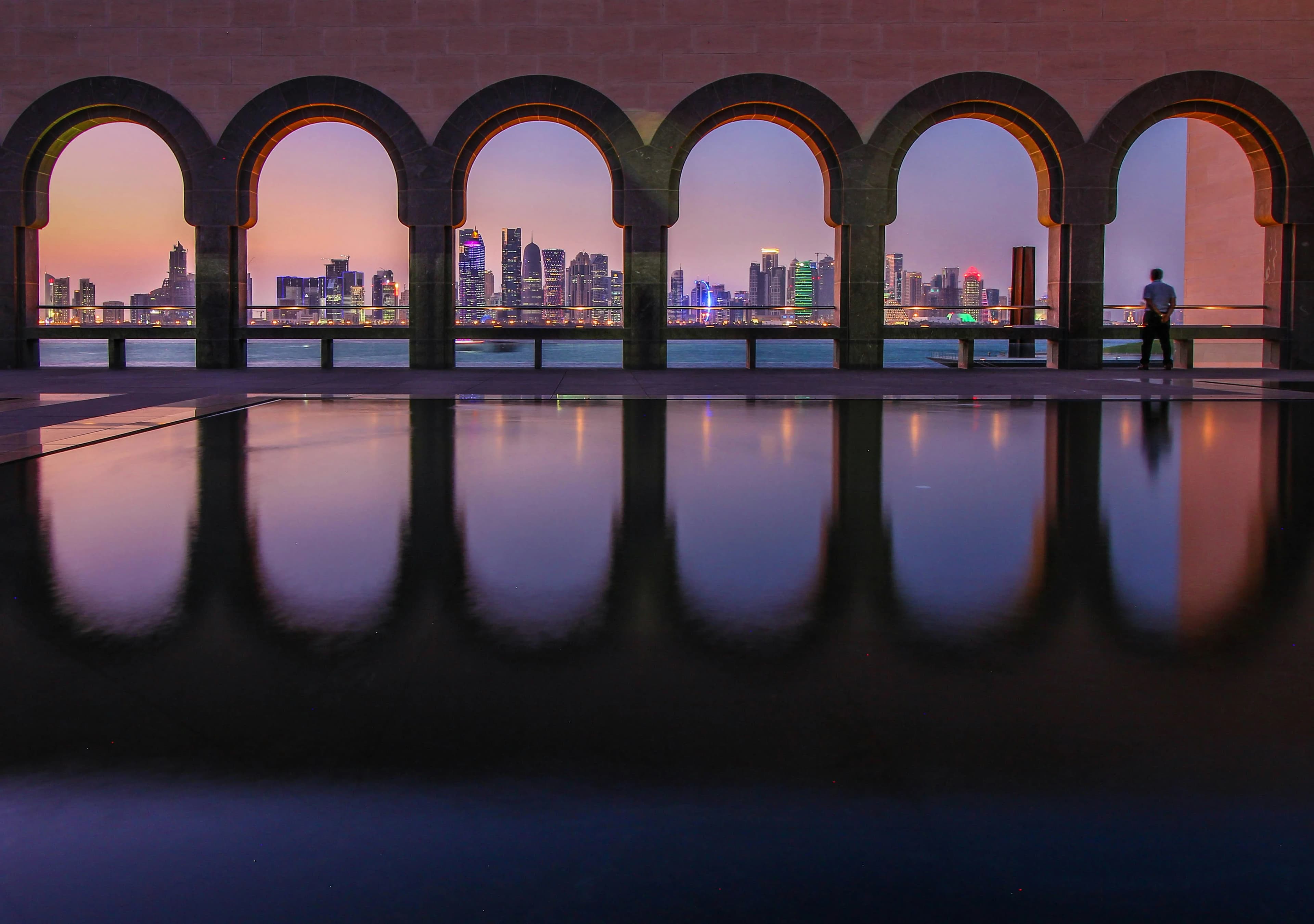
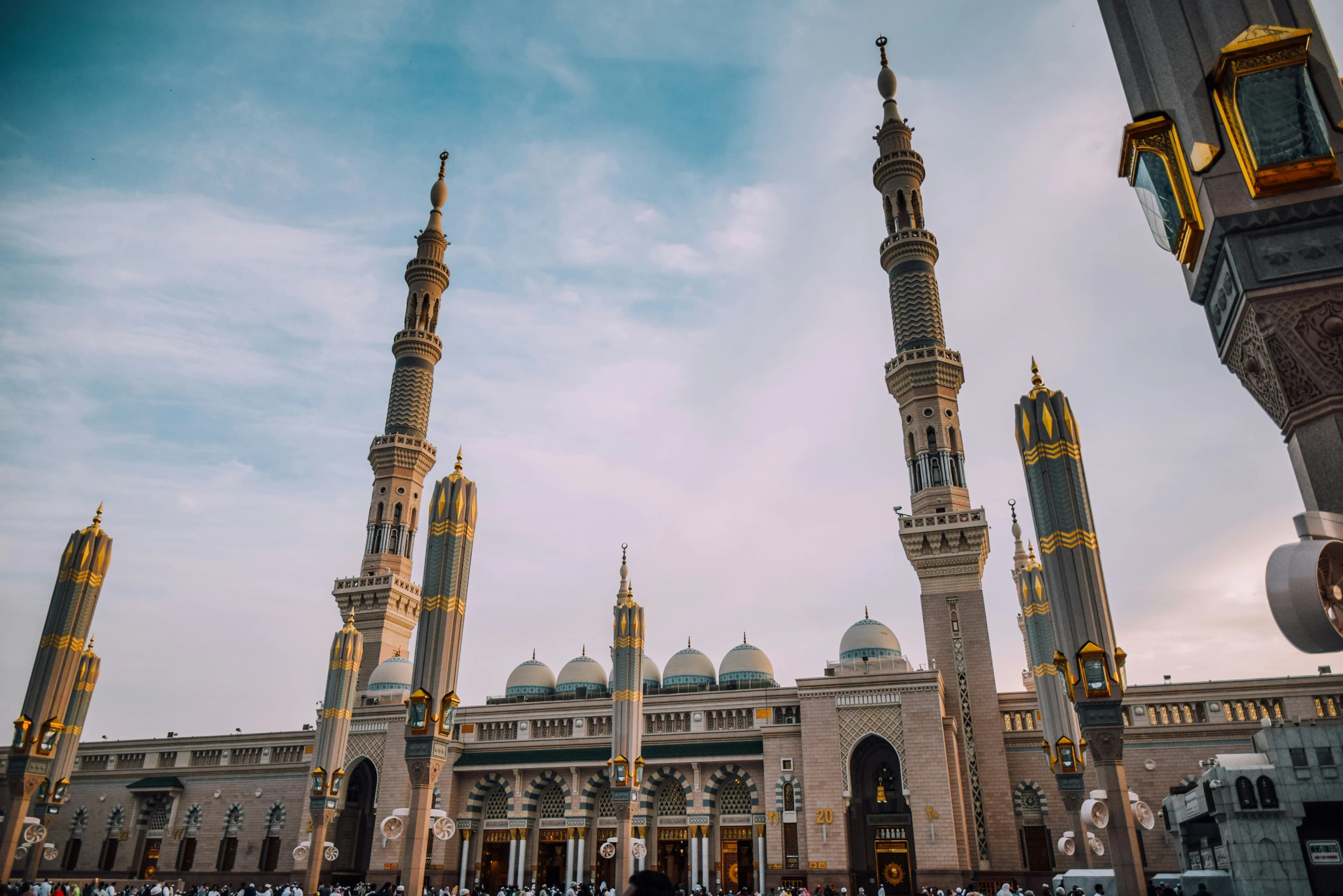
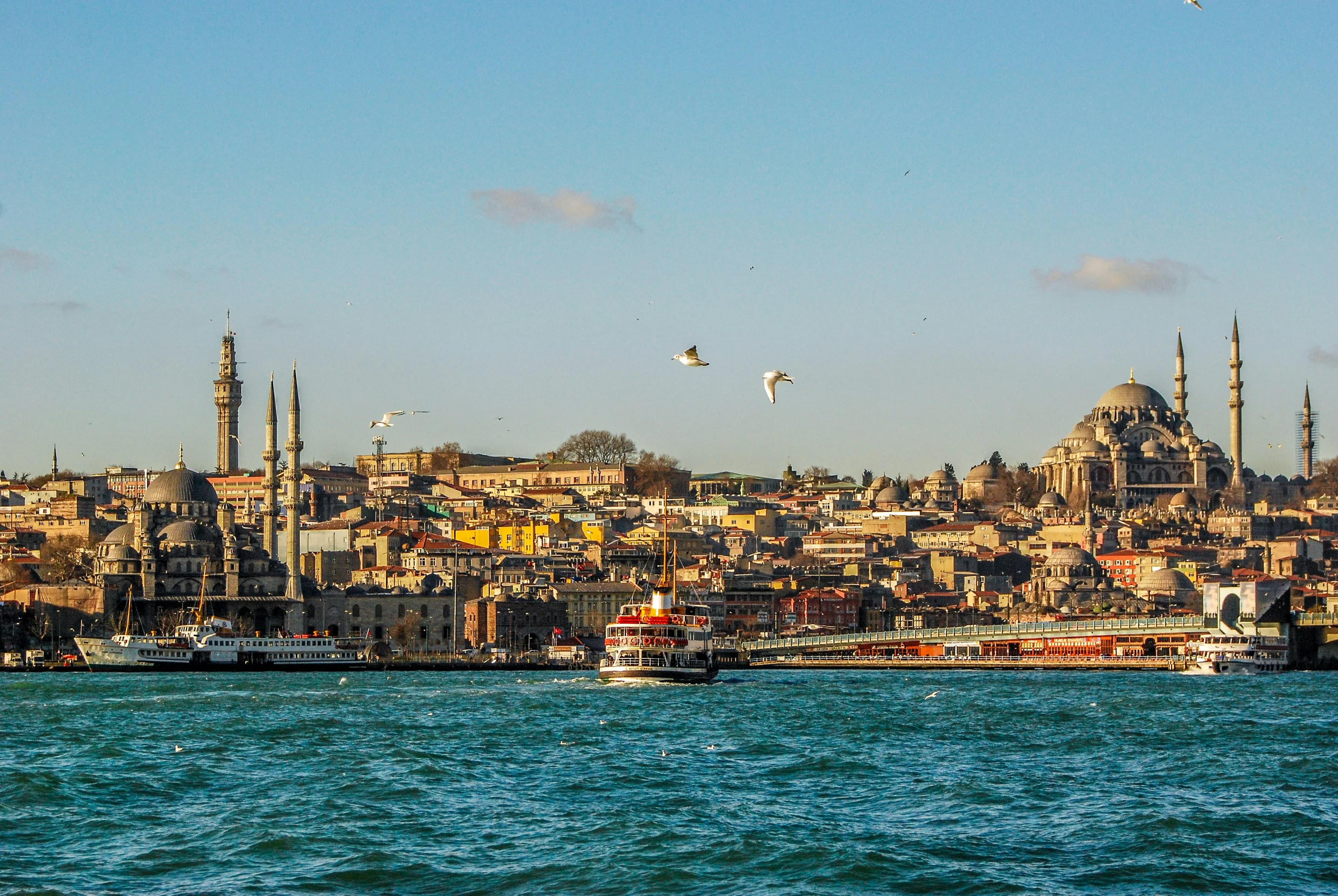
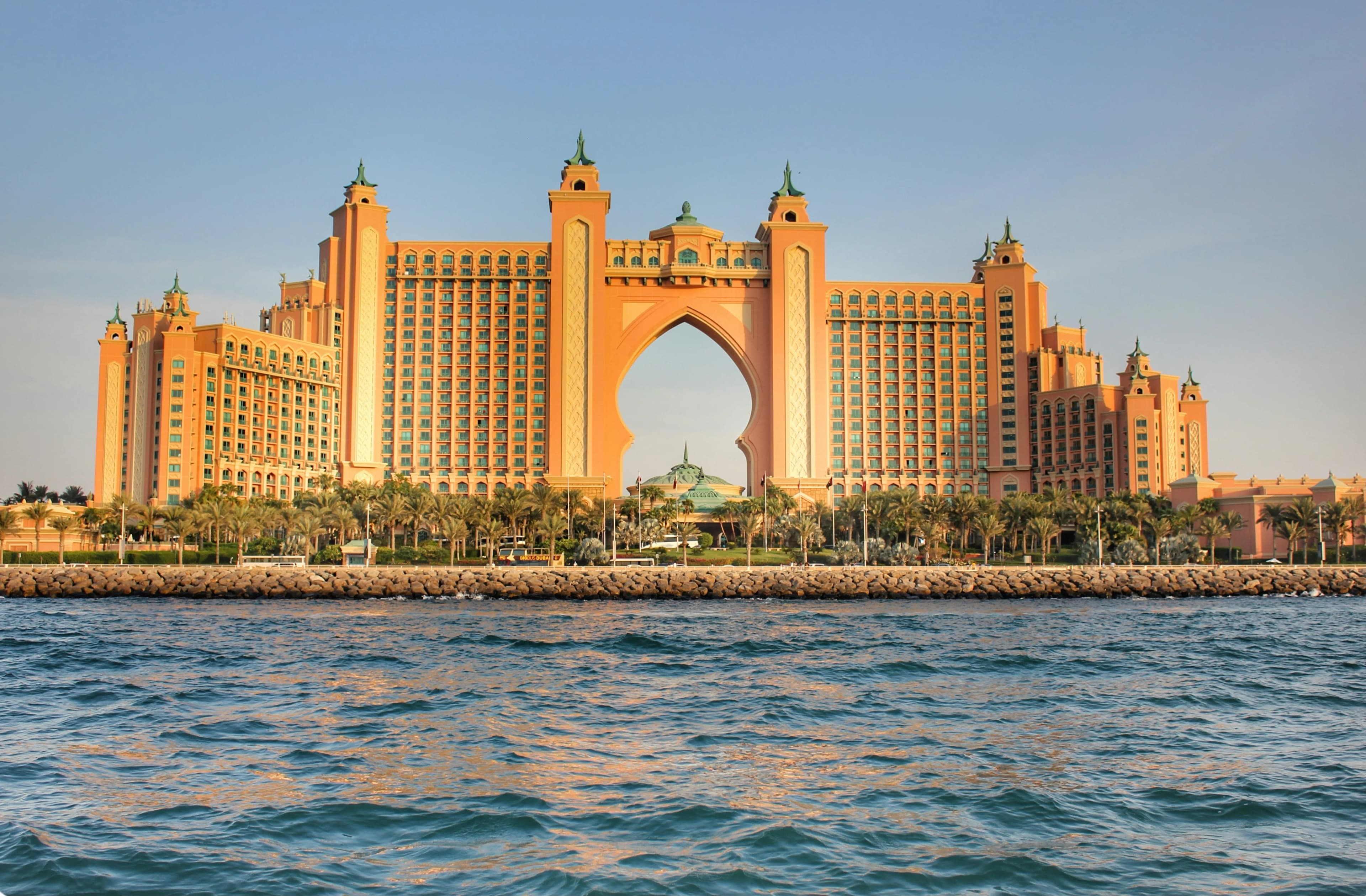
Best areas to stay in the Middle East for a luxury suite experience
The Gulf: Abu Dhabi and Dubai
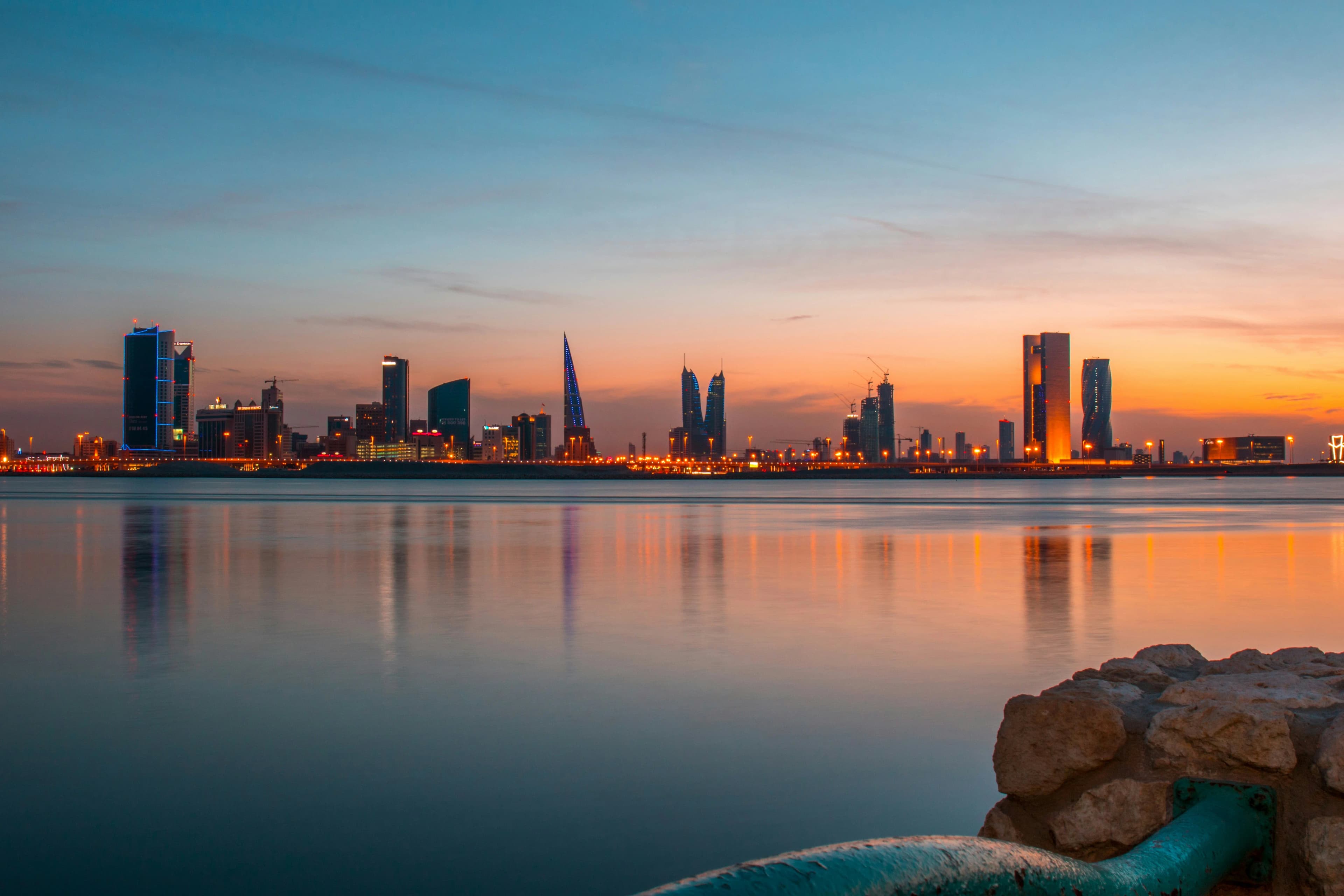
The Gulf states represent the most visible face of contemporary Middle Eastern luxury. The United Arab Emirates, and Dubai in particular, have invested over two decades in constructing an international hospitality infrastructure of genuine scale. Suites here tend toward the palatial: high floors, panoramic glass, butler service, and an emphasis on vertical grandeur. Abu Dhabi offers a slightly more deliberate pace, with cultural institutions such as the Louvre Abu Dhabi and the Sheikh Zayed Grand Mosque anchoring a luxury tourism landscape that has matured considerably since the mid-2000s. Qatar, specifically Doha, has accelerated its position following the 2022 FIFA World Cup, adding a roster of high-specification hotels designed by internationally recognized architects.
Saudi Arabia: a territory in rapid redefinition
Saudi Arabia is undergoing the most consequential transformation in its modern hospitality history. The Vision 2030 programme has catalyzed the development of entirely new destinations: NEOM, AlUla, and the Red Sea Project represent large-scale investments in experiential luxury, with AlUla in particular drawing serious attention for its integration of heritage tourism, desert landscape, and bespoke accommodation. Suites in this emerging context often exist in standalone settings, removed from urban density, which positions them closer to a private retreat model than a conventional hotel stay.
Jordan and the Levant
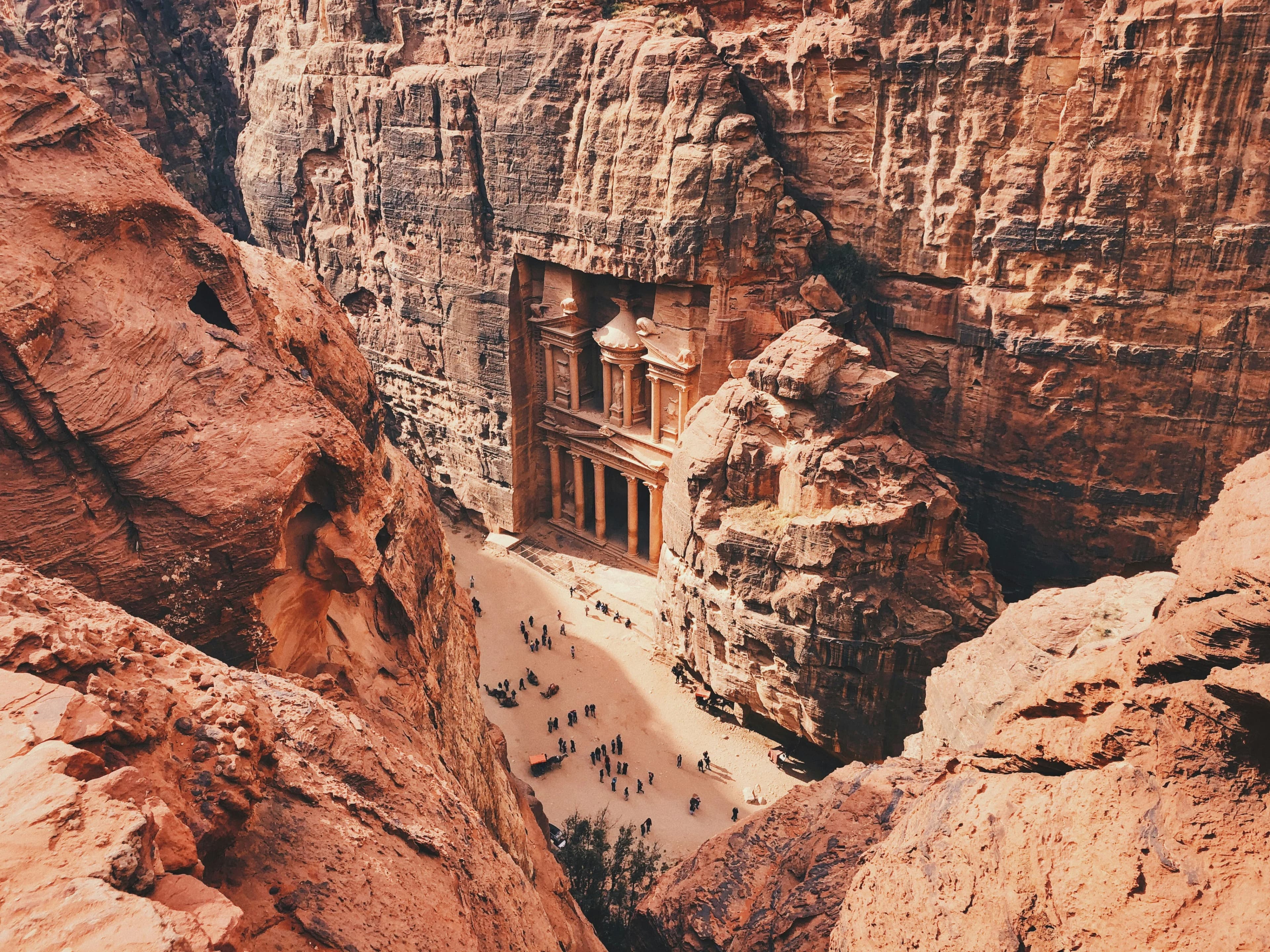
Jordan offers the most historically layered luxury proposition in the region. The Wadi Rum desert, Petra, and the Dead Sea coast provide three entirely different environmental contexts for a high-end stay. Suites in Jordan frequently draw on local stone, Bedouin textile traditions, and open-air architecture to create an experience grounded in place rather than aspiration. Lebanon, despite ongoing economic pressures, retains a cultural sophistication in Beirut and in its mountain retreats that continues to attract a discerning regional and international clientele.
Oman: considered restraint
Oman is the counterpoint to Gulf excess. Muscat and the Musandam Peninsula maintain a stricter architectural aesthetic, and the country's luxury hospitality has consistently prioritized integration with its fjord coastlines, desert wadis, and frankincense heritage. The result is a suite market defined more by craftsmanship and natural setting than by vertical scale or overt display.
When to visit the Middle East for a luxury hotel suite
The Middle East has a clearly defined high season driven by climate. The cooler months, broadly from October through April, represent the optimal window for travel across the Gulf, Jordan, and Saudi Arabia. Temperatures during this period range from the low 20s to the high 30s Celsius depending on location, and outdoor engagement with the landscape becomes genuinely possible. Summer in the Gulf (June through September) is extreme, with temperatures regularly exceeding 40 degrees Celsius in coastal cities. However, the hotel sector responds by offering significantly reduced rates and enhanced suite packages during this period, which attracts a different profile of traveler seeking value alongside comfort.
Ramadan, which moves through the calendar year in accordance with the Islamic lunar calendar, transforms the social and gastronomic texture of most Middle Eastern cities. Visiting during Ramadan requires cultural attunement and practical adjustment, but it also offers access to a version of local life that is rarely visible to the average tourist. Many luxury hotels offer dedicated Iftar and Suhoor programmes of notable quality during this period.
Key cultural and social events to note include Art Dubai (March), Abu Dhabi Art (November), the Diriyah Season in Saudi Arabia (autumn and winter), and the Winter at Tantora festival in AlUla (December through March), which has become a significant anchor for high-end cultural tourism in the region.
Local luxury standards: what defines a top-tier suite in the Middle East
The Middle East does not have a single regulatory classification equivalent to the French Palace designation or the Italian Relais and Chateaux model. Standards are assessed nationally, and the regional market is heavily influenced by the presence of globally managed properties operating under international luxury brand flags.
That said, certain local markers signal genuine quality. In the Gulf, a suite of genuine standing will typically offer private check-in and arrival, a dedicated floor or wing, access to a concierge team with real regional knowledge, and dining infrastructure that extends beyond standard room service. Butler service, often 24-hour, is a near-universal expectation at the top tier.
In Jordan and Oman, the signal of quality shifts. Here, the most respected properties are those that demonstrate authentic material and architectural engagement with their environment: local stone, indigenous craft, responsible water management in desert contexts, and menus that reflect the actual agricultural traditions of the country. A suite in this register is valued for its specificity, not its scale.
Saudi Arabia is still establishing its luxury lexicon. The properties emerging around AlUla and the Red Sea coast are largely setting their own benchmarks, with international operators bringing global service standards into a context that remains culturally distinctive.
How to choose the best luxury suite in the Middle East
The choice of suite in the Middle East is fundamentally a question of purpose. The region offers radically different luxury registers, and selecting accommodation without clarity on intent produces a diluted experience.
For travelers prioritizing architectural spectacle and urban connectivity, the Gulf remains the reference. For those seeking historical immersion and landscape engagement, Jordan or AlUla are the more coherent choices. For coastal seclusion combined with understated craftsmanship, Oman offers a proposition that few other territories in the region can match.
Consider the physical orientation of the suite. In desert environments, eastern-facing rooms provide the most architecturally significant experience at dawn. In coastal settings, the specific relationship between the suite and the shoreline, whether direct, elevated, or set back, determines the quality of the ambient experience across the full day. In urban towers, floor level and aspect matter more than brand affiliation in many cases.
Also factor service culture. The Gulf operates on an intensive hospitality model with a high staff-to-guest ratio. Oman and Jordan tend toward a more discreet, less orchestrated form of service. Both are valid, but they suit different temperaments.
Why a curated selection by La Suite matters in this region
The Middle East luxury hotel market is large, uneven, and in several territories actively under construction. The volume of new openings, rebranding exercises, and pre-opening announcements creates genuine noise for the informed traveler. A curated selection by La Suite removes that friction. The platform applies consistent editorial criteria across the region: architectural integrity, suite-specific quality, service infrastructure, and the coherence between a property's positioning and its actual delivery. For a territory as varied as the Middle East, that editorial discipline is not a convenience. It is a necessary filter.
Frequently asked questions
What is the best time of year to book a luxury suite in the Middle East?
The optimal period for most of the Middle East runs from October through April, when temperatures are manageable and outdoor experiences are accessible. Gulf cities in particular reach peak demand during December and February, so early reservation is advisable for premium suites during these months.
Which Middle Eastern country offers the most distinctive luxury hotel suite experience?
Oman consistently distinguishes itself for travelers seeking a luxury experience grounded in landscape and craft rather than scale. Its coastal and desert properties integrate local architectural material and natural setting in a way that Gulf urban hotels, however technically accomplished, do not replicate.
Are luxury suites in the Middle East suitable for families with children?
Many top-tier hotels across the Gulf, Jordan, and Oman accommodate families with dedicated suite configurations, connecting rooms, and children's programme infrastructure. Dubai and Abu Dhabi in particular have developed extensive family-oriented luxury offerings within their five-star portfolios, including villa and residence-format suites with private pool access.
How does the luxury hotel suite market in Saudi Arabia compare to Dubai?
Dubai's luxury hotel market is mature, internationally branded, and vertically ambitious. Saudi Arabia's emerging sector, centered on AlUla, the Red Sea Project, and Diriyah, is architecturally experimental and still establishing its service culture. For travelers interested in a less codified, more pioneering luxury experience, Saudi Arabia offers an increasingly compelling alternative.
What should I expect from butler service in a Middle Eastern luxury hotel?
In the Gulf specifically, butler service at the top tier is comprehensive: personal check-in and checkout, wardrobe management, in-suite dining coordination, and proactive itinerary support are standard. The service model is intensive and anticipatory. In Oman and Jordan, butler service exists but is often more discreet and responsive than proactive.
Is Ramadan a good or bad time to visit the Middle East for a luxury stay?
Ramadan requires practical adjustment: daytime dining options in public are restricted, and the social rhythm of cities shifts significantly. However, many luxury hotels curate exceptional Iftar and Suhoor experiences during this period, and the atmosphere in cities like Dubai, Doha, and Amman carries a cultural resonance that is genuinely worth experiencing for the attentive traveler.
What are the most architecturally significant luxury hotel suites in the Middle East?
The Middle East has attracted commissions from several internationally prominent architectural practices, particularly in the Gulf and in AlUla, Saudi Arabia. Properties in these territories have produced suite environments that engage seriously with questions of light, materiality, and landscape orientation, moving well beyond the conventional hotel interior brief.
How do I find a luxury suite in the Middle East with genuine privacy?
Privacy in the Middle East luxury context is best achieved either through dedicated suite floors in Gulf towers, private villa configurations in resort settings, or standalone desert and coastal retreats in Oman, Jordan, and Saudi Arabia. Properties offering separate arrival, private pool access, and limited guest-to-suite ratios tend to provide the most controlled privacy environment.
What local experiences can a luxury hotel suite in the Middle East facilitate?
The range is considerable: private desert excursions in Wadi Rum or the Empty Quarter, access to archaeological sites in Petra or AlUla outside public hours, yacht charter from Gulf marinas, falconry programmes, and curated culinary experiences rooted in Levantine, Omani, or Saudi culinary tradition. The quality of these arrangements typically depends on the concierge infrastructure of the specific property.
How does La Suite curate its selection of luxury hotel suites in the Middle East?
La Suite applies consistent editorial criteria across all territories: the architectural and spatial quality of the suite itself, the coherence of the service model, the property's relationship to its physical and cultural context, and the actual delivery of what is promised. In a region with a high volume of new openings and aggressive marketing, this editorial filter provides a reliable basis for decision-making.