KeyUrla, Urla
Located in Urla, 29 miles from Izmir Clock Tower, KeyUrla has accommodations with free bikes, free private parking, a seasonal outdoor swimming pool and a fitness center. Offering a restaurant, the pr

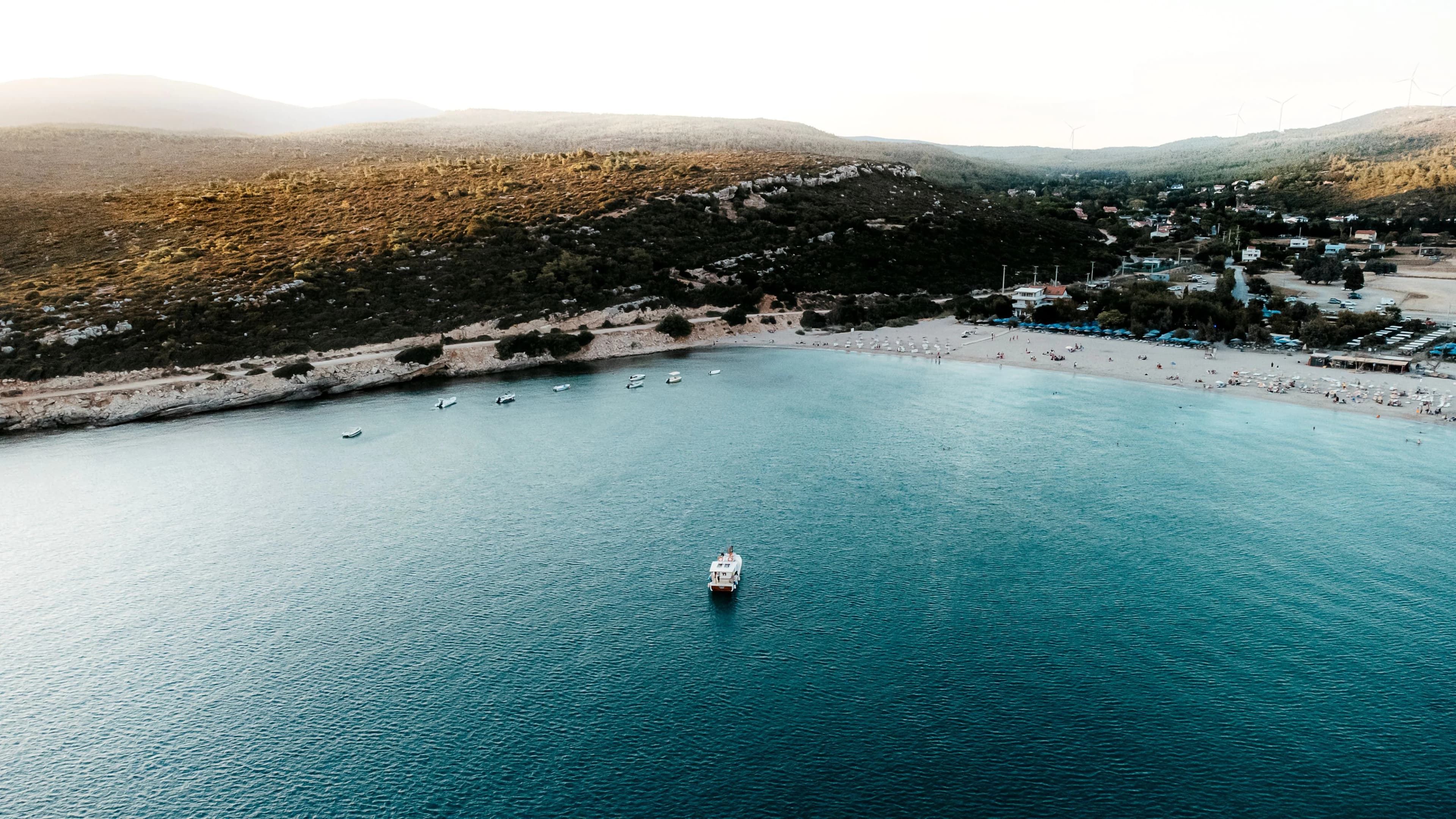
For years, Turkey's Aegean coast was associated primarily with Bodrum and its high-season spectacle. Urla has quietly developed a different identity. Located on the Çeşme Peninsula, roughly 40 kilometres west of Izmir, it draws a discerning domestic and international crowd: architects, winemakers, artists, and travelers who prefer texture over theatre. The landscape is agricultural and coastal in equal measure, with centuries-old olive trees, small fishing coves, and a growing number of independently owned properties that take design seriously. For those exploring Turkey beyond its more publicised luxury corridors, Urla represents one of the most compelling arguments for slowing down.
3 hotels available

Located in Urla, 29 miles from Izmir Clock Tower, KeyUrla has accommodations with free bikes, free private parking, a seasonal outdoor swimming pool and a fitness center. Offering a restaurant, the pr

Located in Urla, 29 miles from Izmir Clock Tower, MANEJ URLA provides accommodations with a garden, free private parking, a private beach area and a restaurant. Providing a bar, the property is locate

Located in Urla, 29 miles from Izmir Clock Tower, Teruar Urla has accommodations with a garden, free private parking, a restaurant and a bar. The property is around 29 miles from Erythrai Antique City
Hotels in the area, but in a neighbouring town.

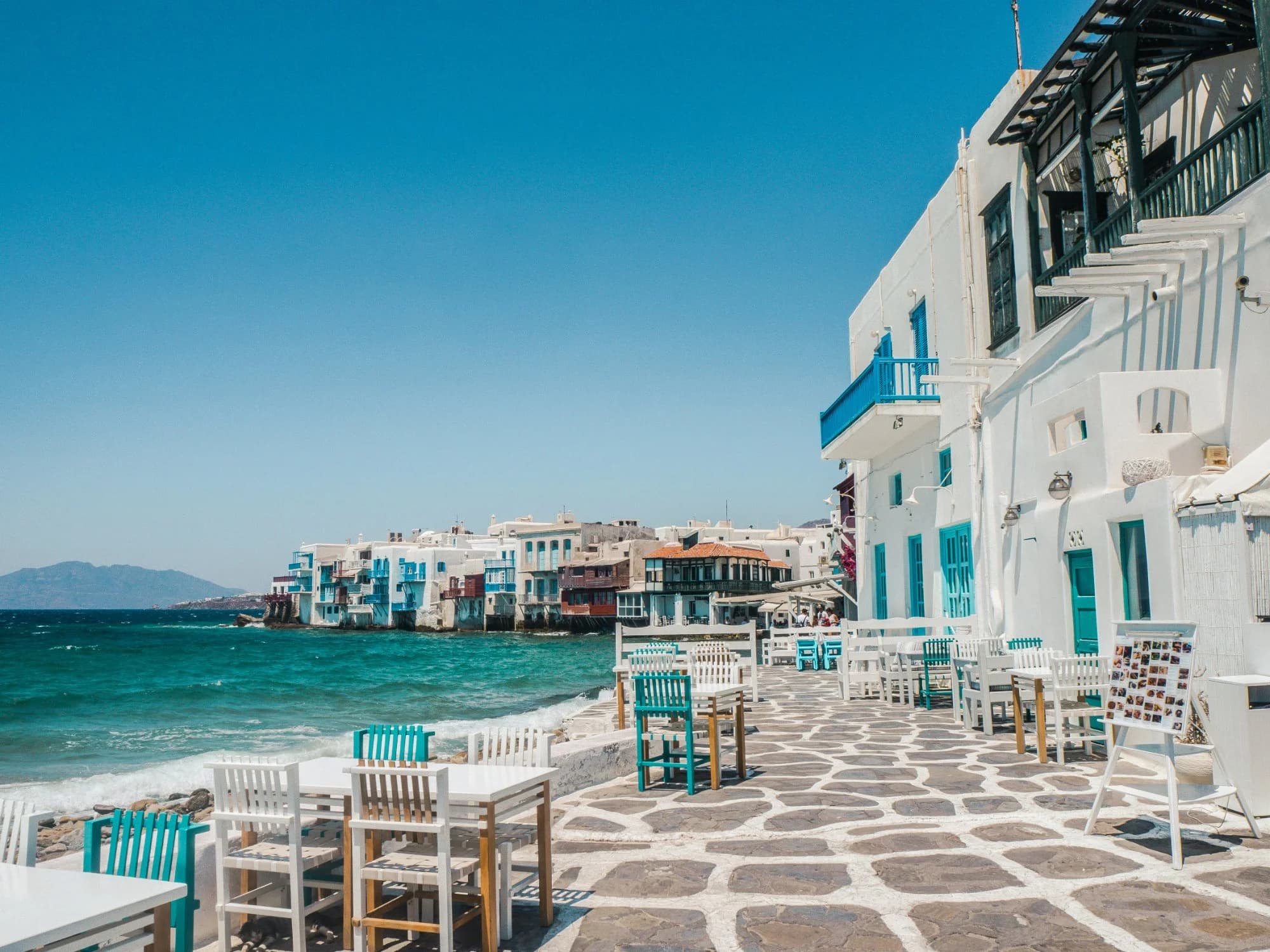
Mykonos divides naturally into distinct residential and experiential zones, each carrying a different register of privacy and proximity.

156 km away
Most visitors to Mykonos orient themselves entirely around Mykonos Town or the southern beaches. Áno Merá operates on a different register. Located roughly 8 kilometres from the port, it is the island's only inland village of note, and that geographical remove is precisely its asset. The light here is the same extraordinary Cycladic light that defines the island, but the soundtrack is birdsong and church bells rather than club music. For the suite traveller, this matters: the quality of rest, the depth of immersion in a place, and the sense of genuine arrival are all proportional to the distance kept from spectacle.

41 km away
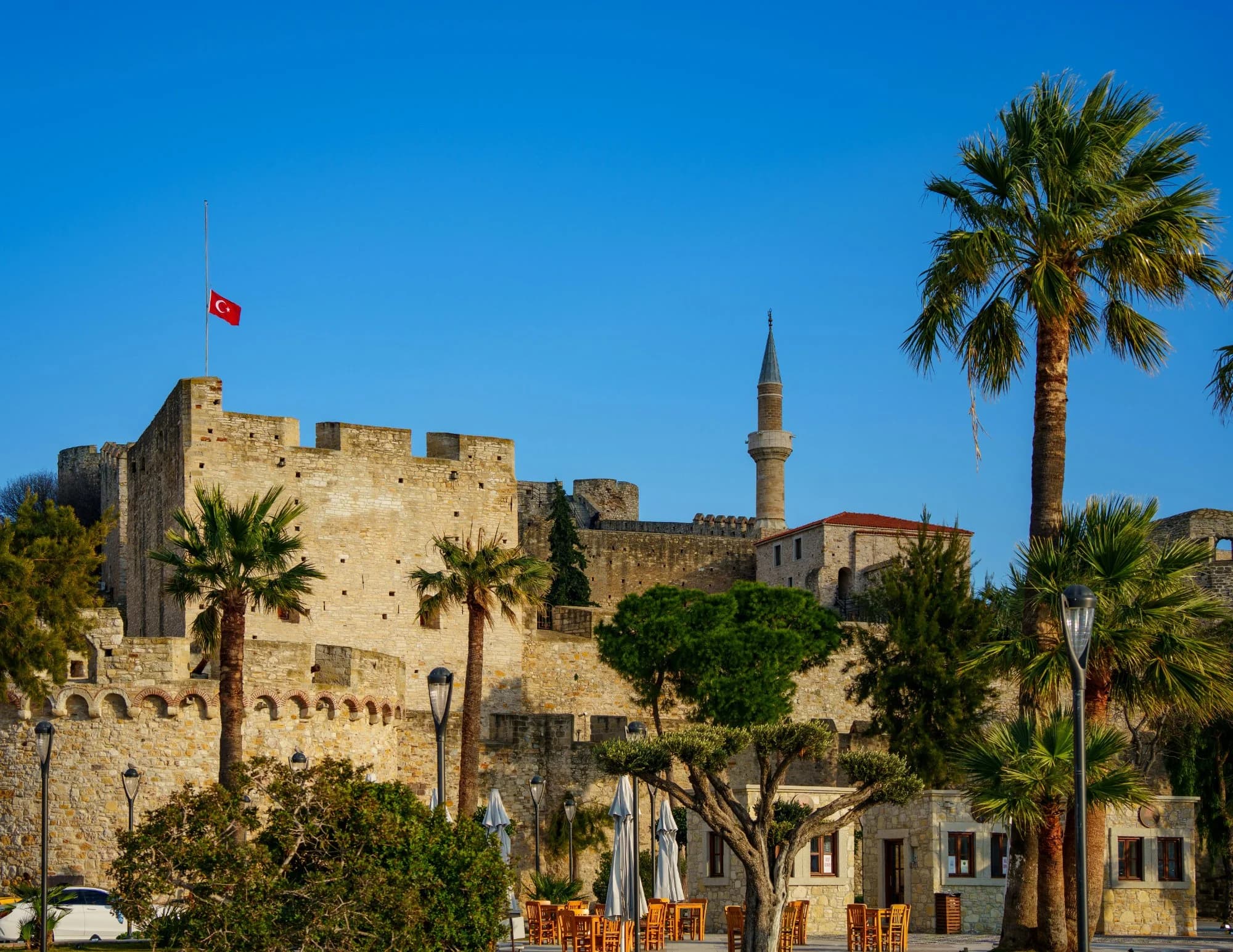
Çeşme sits at the edge of the Çeşme Peninsula in İzmir Province, connected to the Greek island of Chios by a short ferry crossing. Its reputation among Turkish and European high-end travelers has grown steadily over the past decade, driven not by infrastructure investment alone but by the peninsula's inherent qualities: thermal waters, consistent Aegean winds that attract serious windsurfers, a coastline broken into distinct coves, and a food culture rooted in Aegean olive oil, fresh seafood, and herbs. The town itself retains a 16th-century Genoese castle, a working marina, and a scale that remains walkable. These are not incidental details. They define what kind of luxury is possible here: intimate, contextual, and grounded in place.
The town itself is architecturally coherent, with stone houses, bougainvillea-covered walls, and a central market that operates on its own rhythm. Properties in and around the town tend to be smaller in scale, often converted private residences or boutique hotels that prioritise quiet and local character over amenity volume. This is the right base for travelers who want proximity to the weekly bazaar, the Urla marina, and the local restaurant scene that has earned national attention in recent years.
Moving toward the coastline, the landscape opens up. Coves such as Bademli and the areas around Iskele offer properties with direct sea access and a more secluded feel. Luxury hotel suites here tend to be designed around the view: wide terraces, natural materials, and interiors that frame the Aegean rather than compete with it. These are the properties suited to guests who want the option of doing very little, very well.
Urla has established itself as Turkey's most serious wine region, with a concentration of small-production wineries that have gained international recognition. Staying in this part of the peninsula, surrounded by vines and with direct access to cellar-door tastings, is an experience specific to this geography. Some properties in this area are purpose-built around the winery experience, offering suites within working estates.
The Aegean climate makes Urla genuinely pleasant from April through to late October. The peak summer months of July and August bring heat and a higher concentration of domestic visitors, particularly around the marina and the more accessible beaches. For a more considered stay, May, June, and September offer the best conditions: temperatures are warm but not extreme, the sea is swimmable, and the town operates at a pace that allows for real exploration.
The Urla International Puppet Festival, held annually in late spring, draws a cultural crowd and adds an unexpected layer of creative energy to the town. The harvest season in September and October is particularly rewarding for those interested in the wine culture, with most local estates active and accessible during this period. Travelers exploring the Middle East and its western edges often find that the shoulder seasons here offer the most balanced experience.
Turkey does not operate a formal hotel classification system equivalent to France's Palace designation, but the luxury hospitality landscape here is shaped by a different set of markers. The most respected properties in Urla tend to be independently owned and architecturally specific: they are not part of international chains, and their quality is expressed through material choices, spatial intelligence, and the calibre of what is served at table.
A high-quality luxury suite in Urla will typically offer generous outdoor space (a private terrace or garden is expected at this level), a considered approach to local produce and wine, and a connection to the landscape that distinguishes the Aegean experience from urban hotel stays elsewhere in Turkey. Hammam access, whether private or shared, remains a meaningful amenity at the upper end of the market. The best properties here understand that their guests are not looking for spectacle but for coherence.
The choice between a converted stone house in the town centre and a contemporary villa suite on the coast is not merely aesthetic. It determines the rhythm of the stay. Town-based properties offer walkability and cultural immersion. Coastal properties offer privacy and sensory calm. Neither is superior: the decision depends on what the traveler is actually seeking.
Urla's identity is inseparable from its landscape. When selecting a luxury hotel suite here, it is worth considering proximity to the vineyards and the ease of reaching the coast. Some of the most rewarding properties offer both within the same site or within a short drive.
The properties that perform best in Urla are small by design. Guest counts are low, staff-to-guest ratios are high, and the service model is personal rather than procedural. This is a meaningful differentiator from larger resort operations elsewhere on the Turkish coast. Guests who value recognition and discretion will find this format well-suited to their expectations.
Urla is not yet saturated with international coverage. That is both its appeal and its challenge for the traveler who wants reliable guidance. The properties here range considerably in quality and positioning, and the gap between a well-photographed property and a well-executed stay can be significant. La Suite's curated selection applies the same editorial rigour to Urla as to better-documented destinations. The result is a shortlist of properties that have been assessed for spatial quality, material integrity, and the coherence of the experience they deliver. For travelers approaching this region for the first time, that filter is the most efficient starting point.

Urla is defined by agricultural landscape, independent wineries, and a design-conscious hospitality scene that prioritises character over scale. Unlike Bodrum or Çeşme, it attracts a quieter, more culturally engaged crowd and has developed a culinary and wine identity that is genuinely specific to its geography.
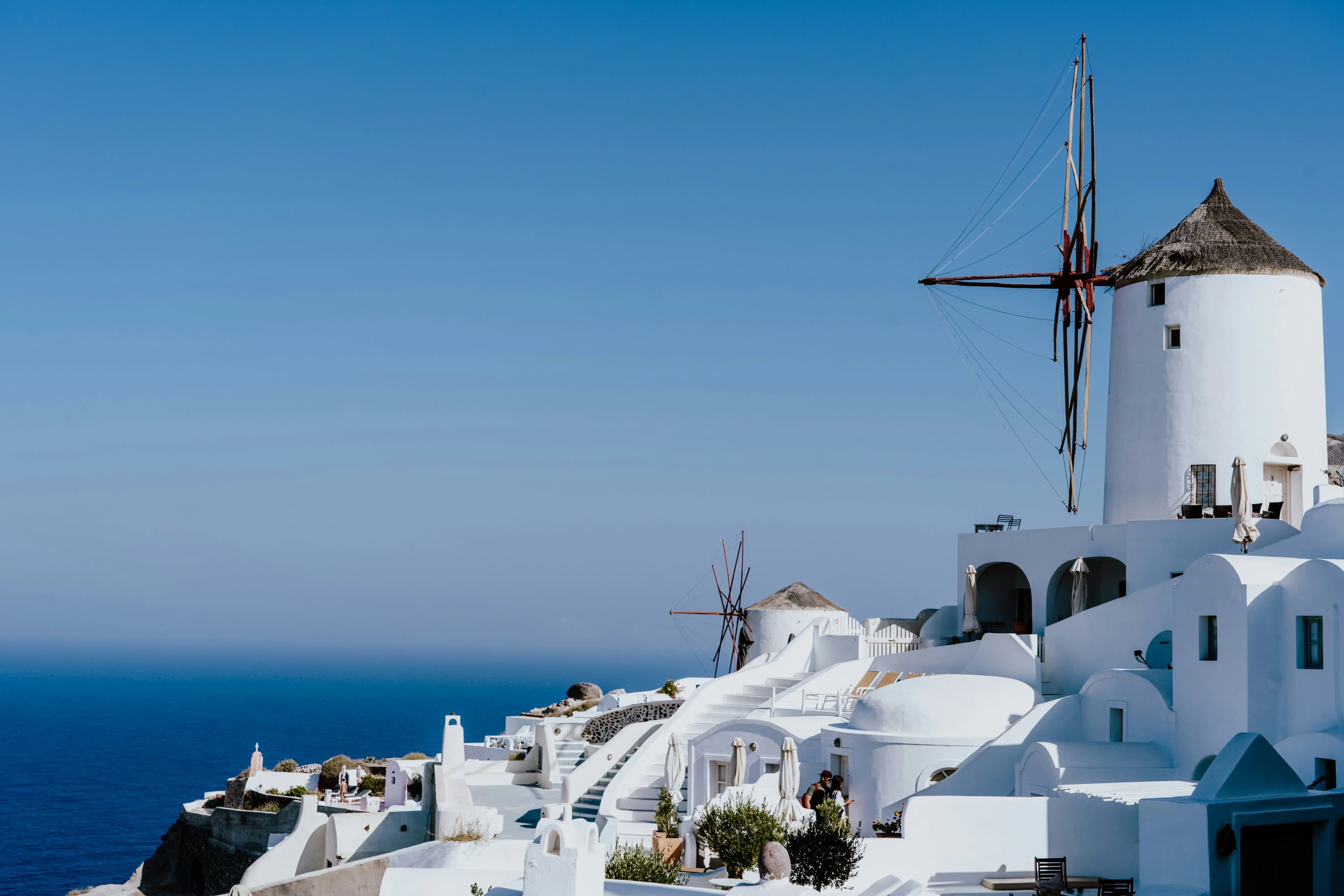
May, June, and September offer the most balanced conditions: warm temperatures, a swimmable sea, and a calmer atmosphere than the peak July and August period. The October harvest season is particularly rewarding for travelers interested in the local wine culture and estate visits.
The best suites in Urla offer generous private outdoor space, interiors that reference local materials and Aegean light, and a strong connection to local produce and wine. Properties at this level tend to be small in scale, with a personalised service model and a considered approach to design.
Yes. The Aegean climate extends the viable travel window well beyond the summer months. April and October in particular offer mild conditions, fewer visitors, and a more intimate access to the town's cultural and culinary life. The grape harvest in autumn gives the region a specific seasonal appeal.
Urla has become Turkey's most recognised fine wine region, with a concentration of small-production estates that welcome visitors for tastings and cellar tours. Some luxury properties are situated within or adjacent to working vineyards, making wine access a genuine part of the stay rather than an excursion.
The dominant architectural language draws on Aegean vernacular: stone construction, terracotta, whitewashed surfaces, and wide terraces oriented toward sea or vineyard views. The best properties combine these local references with contemporary spatial thinking, avoiding both pastiche and generic resort design.
Urla is approximately 40 kilometres west of Izmir, around 40 to 50 minutes by car. The proximity makes it possible to combine a stay in Urla with a day in Izmir's historic Alsancak district or the archaeological site of Ephesus, while returning each evening to the calm of a coastal or vineyard suite.
The majority of high-quality properties in Urla are independently owned and operated. This is part of what defines the destination's character: guests encounter properties shaped by individual vision rather than brand standards, with a level of specificity and personal service that international chains rarely replicate at this scale.
Private terrace or garden access is considered standard at the upper end of the market in Urla. Hammam facilities, whether private or shared, appear frequently in well-positioned properties. The most distinctive amenity, however, is typically the quality of what is served at table: local olive oil, regional wines, and menus built around the Aegean larder.
La Suite applies an editorial approach focused on spatial quality, material coherence, and the integrity of the guest experience. Properties are assessed not on star ratings alone but on their architectural identity, the quality of their suites, and their connection to the specific character of the Urla landscape. The result is a shortlist designed to remove the uncertainty that comes with a destination that still lacks broad international coverage.