Where to stay in Anchorage for a luxury suite experience
Midtown Anchorage offers a quieter, more residential cadence, with proximity to the Ted Stevens Anchorage International Airport that appeals to travelers arriving on long-haul or connecting flights from Asia and Europe. For those whose itinerary extends beyond the city, properties near the Glenn Highway corridor provide rapid access to the Matanuska-Susitna Valley and the Kenai Peninsula, both essential destinations for wilderness excursions that pair naturally with a high-end Anchorage base.
When to visit Anchorage
Summer: the high season for suite availability and wilderness access
The period from late May through early September represents Anchorage at its most accessible and its most dramatic. Daylight extends to nearly 20 hours in June, a phenomenon that restructures the traveler's relationship with time entirely. This is the window for glacier flightseeing, bear viewing in Katmai National Park, king salmon fishing on the Kenai River, and hiking in Chugach State Park, one of the largest urban state parks in the United States. Suite demand peaks sharply during this period, and lead times for the best rooms at the city's top properties extend considerably.
Winter: aurora season and the iditarod
The period from December through March attracts a distinct traveler profile: those pursuing the Aurora Borealis, ice climbing, heli-skiing in the Chugach Mountains, or the cultural spectacle of the Iditarod Trail Sled Dog Race, which begins ceremonially in Anchorage each March. Winter suite occupancy is softer than summer, which creates genuine opportunity for rate negotiation and room upgrades. The cold is serious, regularly reaching minus 15 degrees Celsius or below, but the quality of light during clear winter days, and the silence of a snow-covered boreal landscape, constitute an experience that warrants the journey on its own terms.
Shoulder seasons: spring and autumn
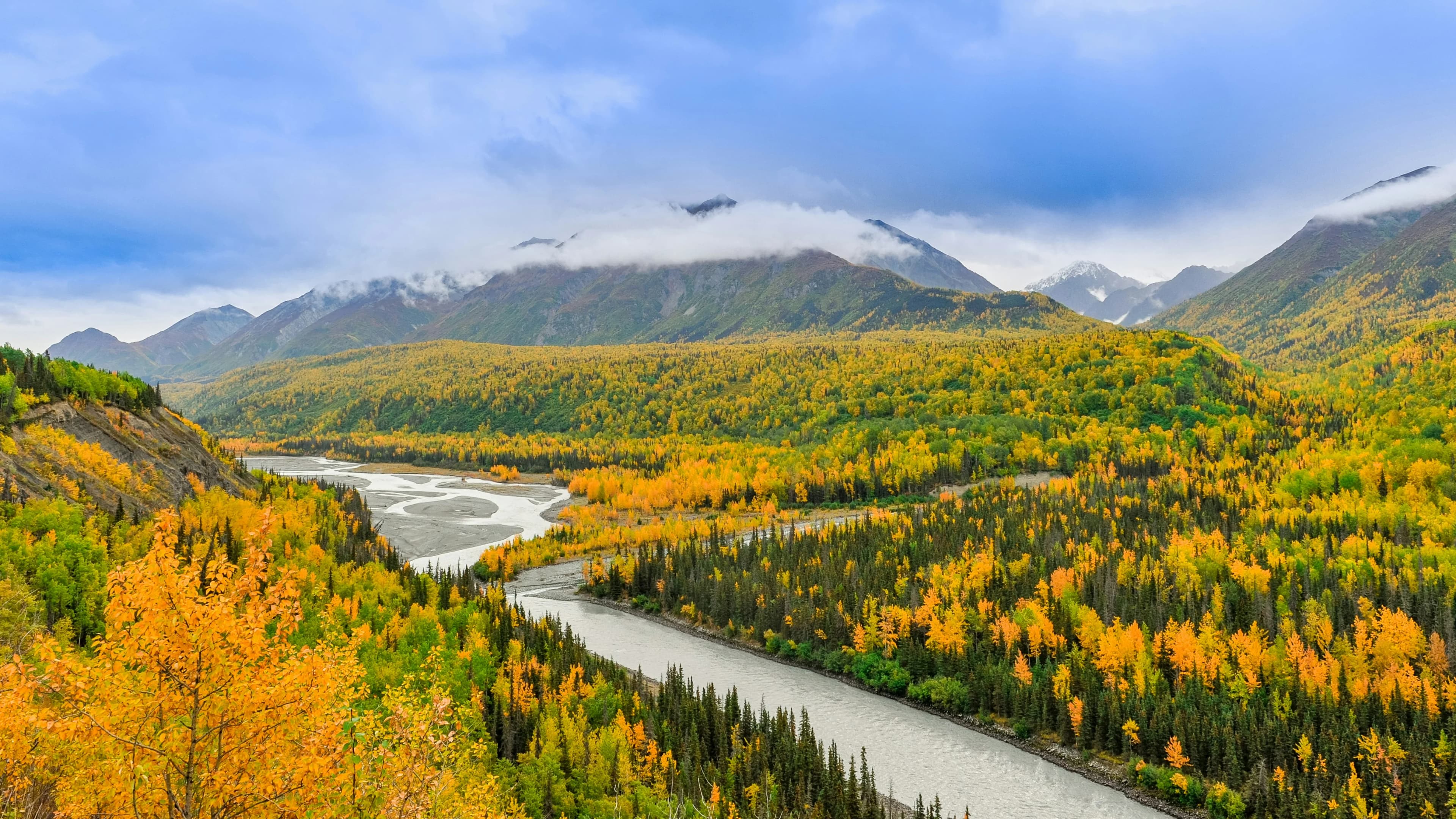
April, May, September, and October offer a calibrated middle ground. Crowds thin considerably, prices moderate, and the landscape transitions in ways that reward the attentive traveler. Autumn brings birch and aspen foliage across the Chugach foothills, while spring delivers breakup, the dramatic annual thaw that signals the return of migratory birds and open water. These seasons suit travelers who prioritize privacy and landscape over peak activity availability.
Understanding luxury hospitality standards in Anchorage
Alaska operates outside the conventional luxury hospitality frameworks that govern destinations in the continental United States. There are no Palace-designated properties here, no historic grand hotels in the European tradition. What Anchorage offers instead is a category of hospitality that might be described as expedition luxury: properties where the suite itself is engineered for comfort and recovery, but the surrounding infrastructure, from private floatplane charters to wildlife guide services, defines the true premium experience.
Top-tier suites in Anchorage tend to prioritize mountain or inlet views, generous square footage for gear and clothing storage, and high-quality food and beverage programs that lean on Alaskan sourcing: wild salmon, king crab, local halibut, and Alaskan craft spirits. The best properties maintain relationships with outfitters and wilderness lodges, enabling seamless extensions into the backcountry without logistical friction. Within the broader context of North America, Anchorage represents one of the few urban luxury bases where the surrounding wilderness is not an amenity but the entire point.
How to choose the best luxury suite in Anchorage
Prioritize the view
In a city where the landscape is the primary attraction, suite orientation matters more than almost any other variable. Mountain-facing rooms in upper floors deliver unobstructed views of the Chugach range at sunrise, while west-facing suites capture Cook Inlet light through the evening hours, particularly dramatic during late summer when the sun sets well past 10pm.
Consider the suite's logistical infrastructure
Anchorage is a transit city as much as a destination. Many travelers use it as a base for multi-day excursions to Denali, the Kenai Fjords, or remote lodges accessible only by small aircraft. A luxury hotel suite here should offer secure luggage storage, flexible check-in and check-out policies, and concierge teams with genuine outfitter connections rather than generic referral lists. These operational details separate a good property from an exceptional one.
Evaluate the dining program
Anchorage has developed a credible fine dining culture over the past decade, anchored by chefs who treat Alaskan ingredients with technical rigor. The best suite-level properties either operate their own serious restaurant or maintain curated relationships with the city's top independent tables. For extended stays, in-suite dining capabilities and access to high-quality room service become relevant considerations.
Why a curated selection by La Suite elevates the Anchorage experience
Anchorage presents a particular editorial challenge for the luxury traveler. The city's hotel market spans a wide quality range, and the signifiers that reliably indicate excellence in Paris or Tokyo do not translate directly here. Brand recognition alone is an insufficient filter. What matters in Anchorage is the specific character of the suite, the quality of the view, the competence of the concierge team in wilderness logistics, and the property's genuine integration with the Alaskan experience rather than a superficial acknowledgment of it.
La Suite applies the same editorial criteria here that it applies across every destination in its portfolio: direct property assessment, suite-by-suite evaluation, and a commitment to listing only rooms that meet the threshold of genuine distinction. In a market where mediocrity and excellence can occupy the same star rating, that curatorial discipline is not a convenience but a necessity. For travelers approaching Anchorage as the first chapter of an Alaskan journey, the right suite is not incidental to the experience. It is the foundation from which everything else departs.