Where to stay in the Arizona desert: key areas and their luxury character
Scottsdale and the Sonoran Desert corridor
Scottsdale anchors the luxury hospitality infrastructure of the state. Set within the Sonoran Desert, the area is characterized by saguaro cactus forests, granite boulder formations, and a dry heat that peaks with particular intensity from May through September. The resort culture here is sophisticated and well-developed, with properties typically offering expansive grounds, desert garden terraces, and curated spa programming rooted in indigenous wellness traditions. Suites in this corridor tend toward horizontal, low-profile architecture designed to harmonize with the terrain rather than compete with it. The McDowell Mountains provide a consistent backdrop of layered rust and shadow.
Sedona and the red rock formations
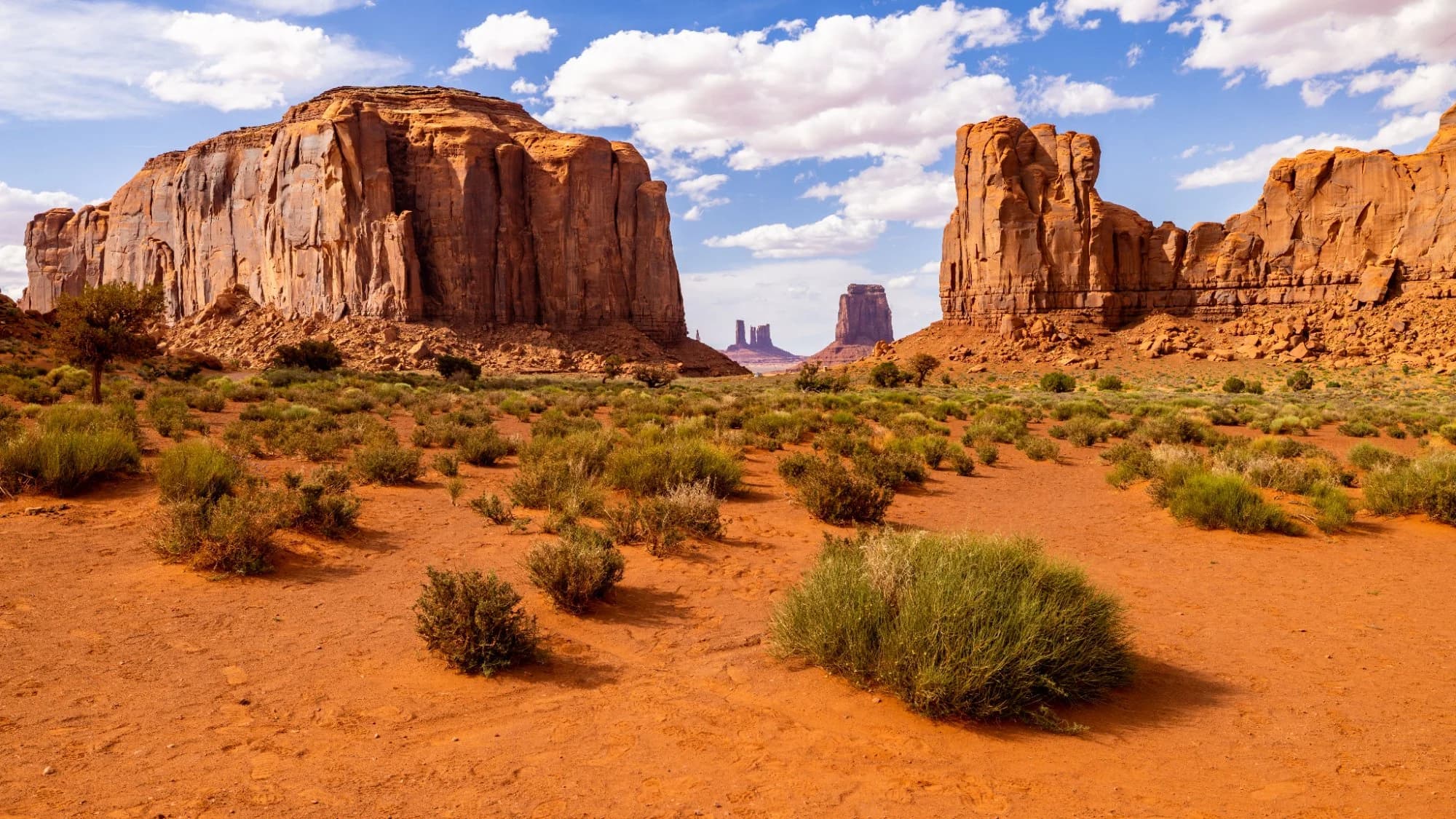
Sedona occupies a separate emotional register. The red sandstone formations, including Cathedral Rock and Bell Rock, create an environment of almost theatrical geological drama. Properties here are smaller in scale and more intimate in character. Suites command direct sightlines to the formations, and the quality of light at dawn and dusk makes the landscape appear to shift in real time. Sedona attracts travelers drawn to specific combinations: natural spectacle, spiritual programming, and architectural restraint. The luxury suite market here rewards those who prioritize view orientation and material honesty over sheer square footage.
Tucson and the Saguaro National Park perimeter
Tucson offers a quieter, more residential form of desert luxury. The presence of Saguaro National Park on both the east and west flanks of the city creates a protected landscape that shapes the character of nearby properties. Suites in this area often occupy historic hacienda structures or adobe-influenced architecture, grounding the experience in local building tradition. The University of Arizona and a thriving arts scene add a cultural dimension absent from more resort-focused destinations.
Sedona to the Grand Canyon corridor
For travelers positioning themselves to explore the Grand Canyon, the corridor north of Sedona offers transitional terrain where high desert meets the Colorado Plateau. Accommodation here is sparser and more exclusive. Properties are chosen for their isolation as much as their amenities. A luxury hotel suite in this zone is as much a logistical base as an experiential destination.
When to visit the Arizona desert for a luxury suite experience
Seasonality in the Arizona desert is precise and consequential for the quality of a stay.
October through April constitutes the primary luxury travel window. Daytime temperatures across the Sonoran Desert range from approximately 18 to 26 degrees Celsius, creating conditions conducive to outdoor dining, terrace use, and active engagement with the landscape. January and February represent peak season in Scottsdale, coinciding with major golf tournaments and a corresponding surge in suite demand. Advance planning of three to six months is standard for prime properties during this period.
The summer months, June through August, bring extreme heat. Daytime temperatures in Scottsdale regularly exceed 40 degrees Celsius. Many high-end properties respond with significant rate reductions and curated programming designed around early morning and evening activity windows. For travelers with flexibility and heat tolerance, this period offers access to exceptional suites at materially lower rates.
The monsoon season, typically July through mid-September, introduces afternoon thunderstorms that are dramatically photogenic and substantially cool the desert floor after sunset. The light quality during monsoon season is extraordinary. Properties designed with covered outdoor spaces and panoramic views allow guests to experience this meteorological spectacle in full.
Understanding luxury standards in the Arizona desert
The American Southwest has developed its own prestige vocabulary that differs from European luxury conventions.
The resort designation in Arizona functions as the primary marker of full-service luxury hospitality. Arizona resorts of the highest tier typically offer expansive spa facilities grounded in Sonoran and Native American wellness traditions, multiple dining concepts, extensive pool complexes designed for day-long occupation, and concierge services calibrated to outdoor and cultural programming. The Forbes Travel Guide Five-Star rating remains the most reliable independent benchmark for suite quality at the top end of the market.
Architecture is a primary differentiator. Properties inspired by Frank Lloyd Wright's organic design principles, developed partly during his winters in Scottsdale at Taliesin West, emphasize the integration of built form with natural terrain. Stone, rammed earth, and exposed concrete are common material choices. Suites in architecturally coherent properties deliver an experiential consistency that generic luxury cannot replicate.
Indigenous cultural programming has become an increasingly serious dimension of Arizona luxury hospitality. Properties with authentic partnerships with local Tribal Nations offer access to storytelling, art, and land knowledge that substantially deepens a desert stay.
How to choose the best luxury suite in the Arizona desert
Several considerations specific to the desert environment should inform a suite selection decision.
Orientation and view framing matter more here than in almost any other landscape. A suite positioned to capture the precise geometry of a red rock formation at sunrise is functionally different from an identical suite facing a landscaped garden. Request specific room maps and directional data before confirming any reservation.
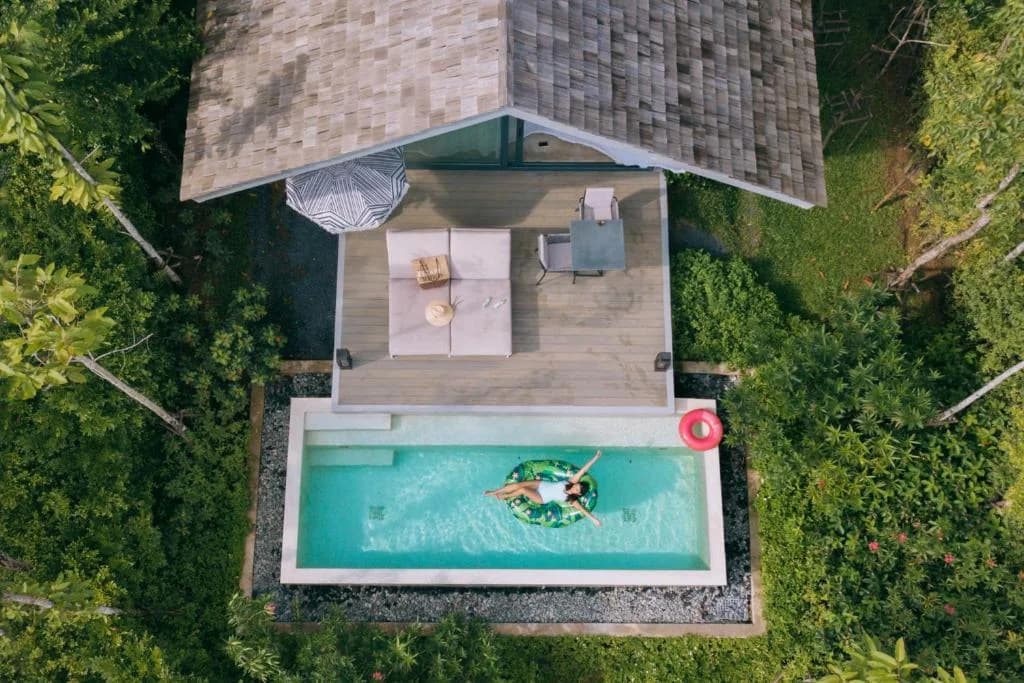
Private outdoor space is a defining asset. A suite with a plunge pool, dedicated terrace, or fire pit extends the usable living environment dramatically, particularly during the temperate shoulder months. The boundary between interior and exterior should be treated as a design consideration, not an afterthought.
Consider the architecture as context. A mid-century modern property delivers a different sensory experience from an adobe-tradition hacienda, even if both occupy the same geographic zone. Neither is inherently superior; the choice should reflect the traveler's aesthetic disposition.
Assess spa philosophy. In a region where wellness is a primary driver of luxury travel, the difference between a suite package with meaningful spa access and one without it is material to the overall value of the stay.
Why curated selection matters in the Arizona desert
The Arizona luxury hotel market presents a wide range of properties that describe themselves in similar terms. The vocabulary of desert retreat, spa sanctuary, and architectural authenticity is applied across a spectrum that ranges from genuinely exceptional to competently generic.
The curated selection by La Suite applies an editorial standard that filters for properties where the suite experience is specifically considered rather than incidental. In a destination where geography, orientation, material, and seasonal timing are all consequential variables, selection precision is not a convenience. It is the difference between a stay that engages the full intelligence of the landscape and one that merely occupies it.