Where to stay on the Monterey Peninsula and Big Sur coast
Pebble Beach and Carmel-by-the-Sea
The Pebble Beach coastal enclave occupies a private gated community straddling the peninsula's western edge. It is defined by the 17-Mile Drive, a privately maintained road connecting a sequence of oceanfront golf courses, forest, and residentially scaled estates. The area has attracted a specific kind of affluent visitor since the early twentieth century: one who values seclusion over spectacle. Carmel-by-the-Sea, directly adjacent, offers a pedestrian village with a concentrated gallery district, a white-sand beach, and a residential architectural character that reflects the bohemian arts colony it once was. Together, these two areas constitute the most consistently high-standard zone for luxury hotel suites on the peninsula.
Monterey and Pacific Grove
The city of Monterey carries a layered history: Spanish colonial administration, a sardine canning industry that defined its waterfront in the early twentieth century, and now a significant marine research presence anchored by the Monterey Bay Aquarium. Pacific Grove, immediately adjacent, is quieter in register and architecturally Victorian in character. Both areas suit travelers who want proximity to the water without the isolation of Big Sur. Suite options here tend toward the contemporary boutique end of the spectrum, with direct access to the bay and the coastal recreation trail.
Big Sur
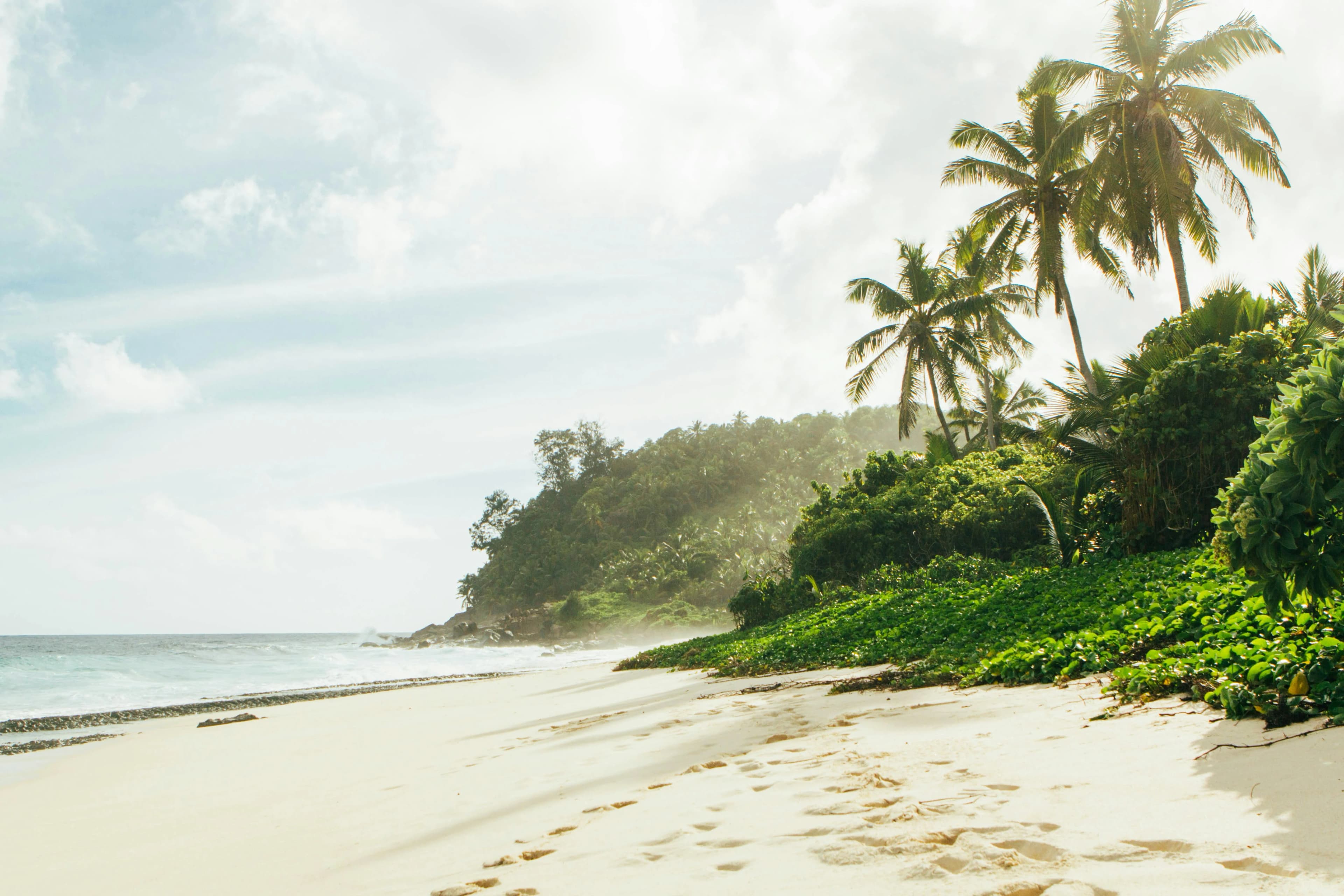
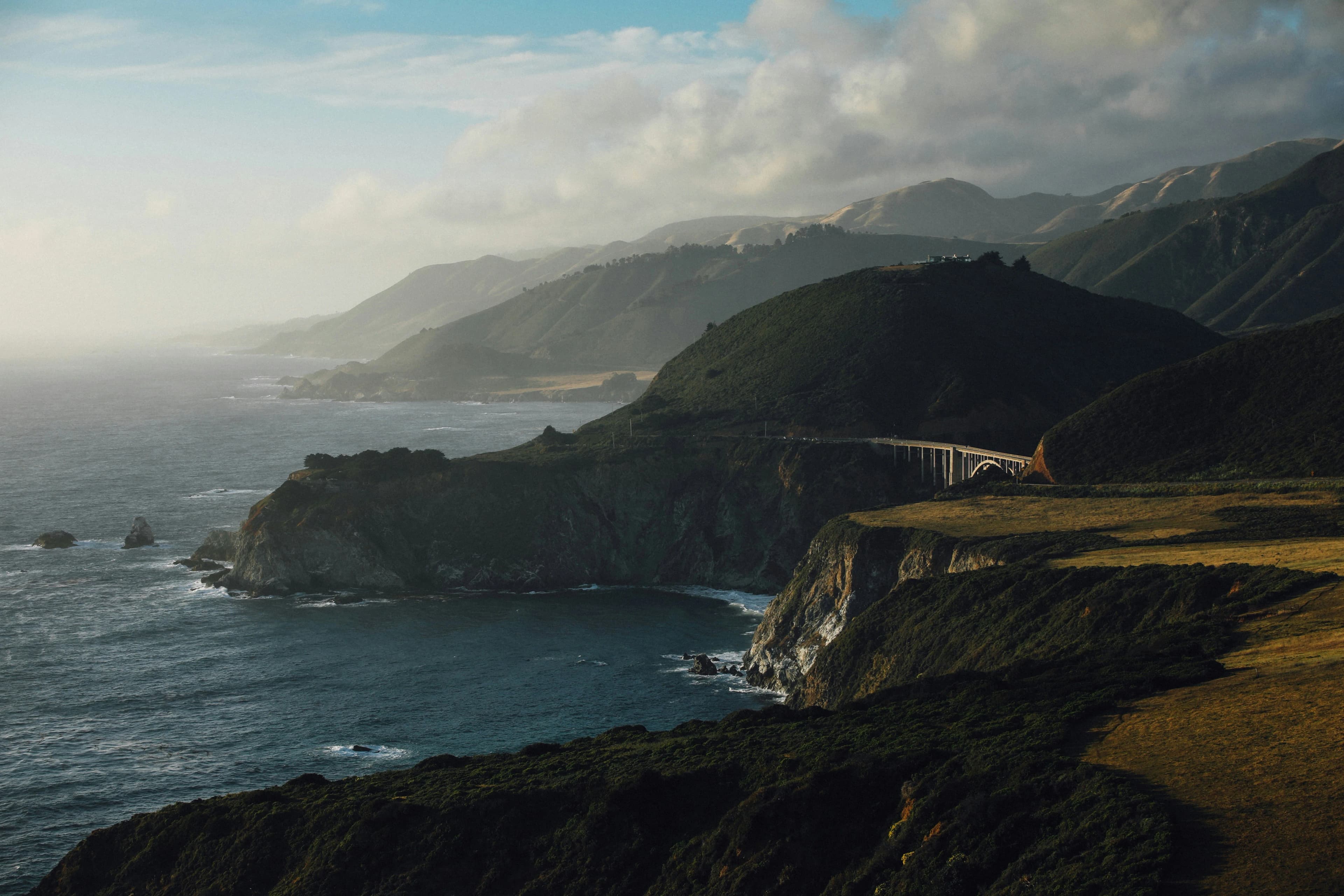
Big Sur is not a town. It is a designation for approximately ninety miles of coastline along California Highway 1, running south from Carmel. The terrain is among the most consistently dramatic on the North American continent: the Santa Lucia Mountains fall directly to the Pacific, with virtually no coastal shelf. Access is by a single road subject to closures during winter storms and wildfire seasons. This is a region that actively filters its visitors. Properties here are small, site-specific, and designed to function as the primary experience rather than as a base for wider exploration. Luxury suites in Big Sur are, by necessity, architectural responses to landscape.
When to visit Big Sur and the Monterey Peninsula
The coastal climate here operates on a logic distinct from most of California. Summer, from June through August, is characterised by persistent marine fog that can reduce visibility to near zero along the coast before typically clearing by midday. Temperatures remain moderate, rarely exceeding the low seventies Fahrenheit. This is peak visitor season despite the fog, and suite availability at the most sought-after properties becomes constrained.
September and October represent the most consistently clear period on this coastline. The marine layer withdraws, temperatures remain comfortable, and the light achieves the kind of clarity that makes the landscape legible in full. This window is broadly considered the optimal period for first-time visitors seeking to understand the region's visual character.
Winter, from November through February, brings the possibility of dramatic ocean conditions: large swells from North Pacific storms and intensified coastal wind. Highway 1 through Big Sur is subject to closure during periods of significant rainfall due to rockslides, a practical consideration for any itinerary that depends on coastal access. However, for travelers who prioritise solitude and the full atmospheric intensity of the region, winter occupancy at luxury hotels is lower and the experience more austere in the best sense.
The Pebble Beach Concours d'Elegance, held annually in August, draws a concentrated audience of collectors and automotive specialists. It places measurable pressure on suite availability across the entire peninsula for the surrounding week and should be planned for well in advance by those attending or deliberately avoided by those who are not.
Understanding luxury standards in this region
California does not operate a formal hotel classification system equivalent to France's Palace designation. In practice, the top tier of properties on the Monterey Peninsula and Big Sur is defined by a combination of site specificity, architectural integrity, and a particular approach to service that California tends to frame as effortless rather than formal.
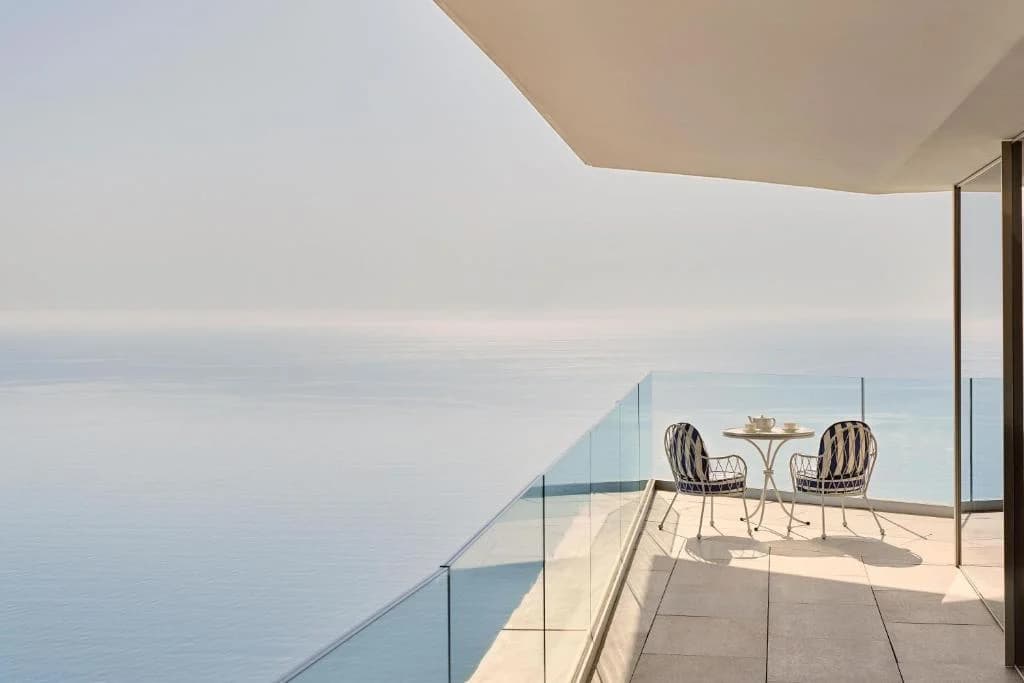
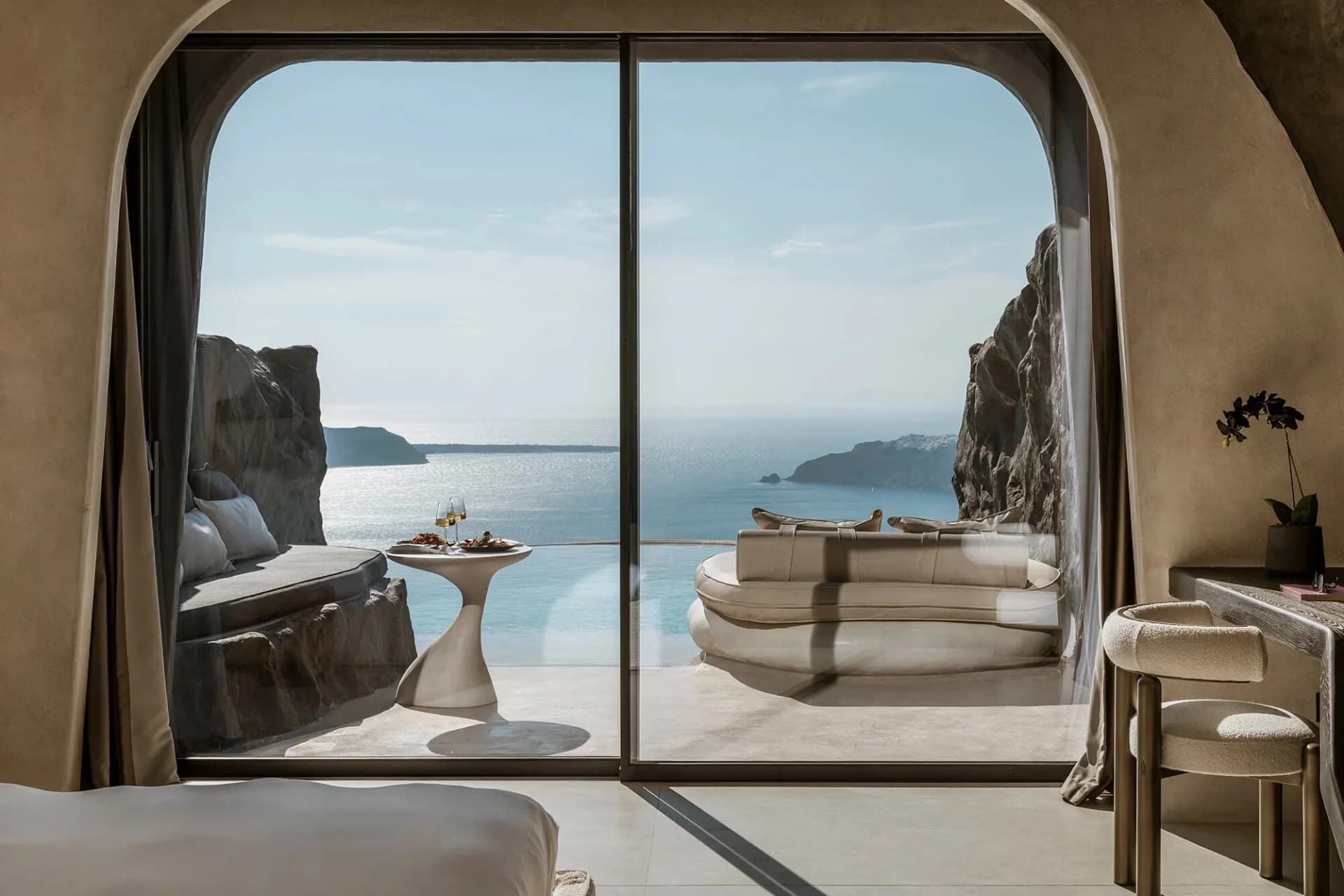
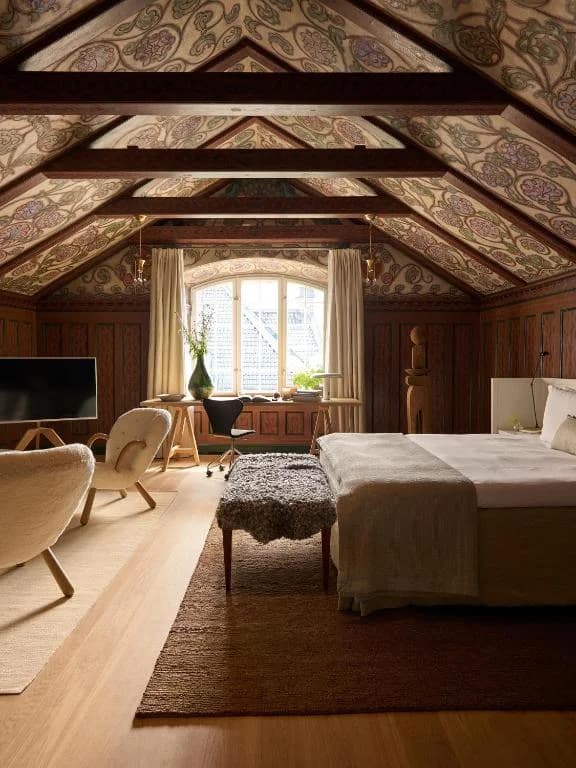
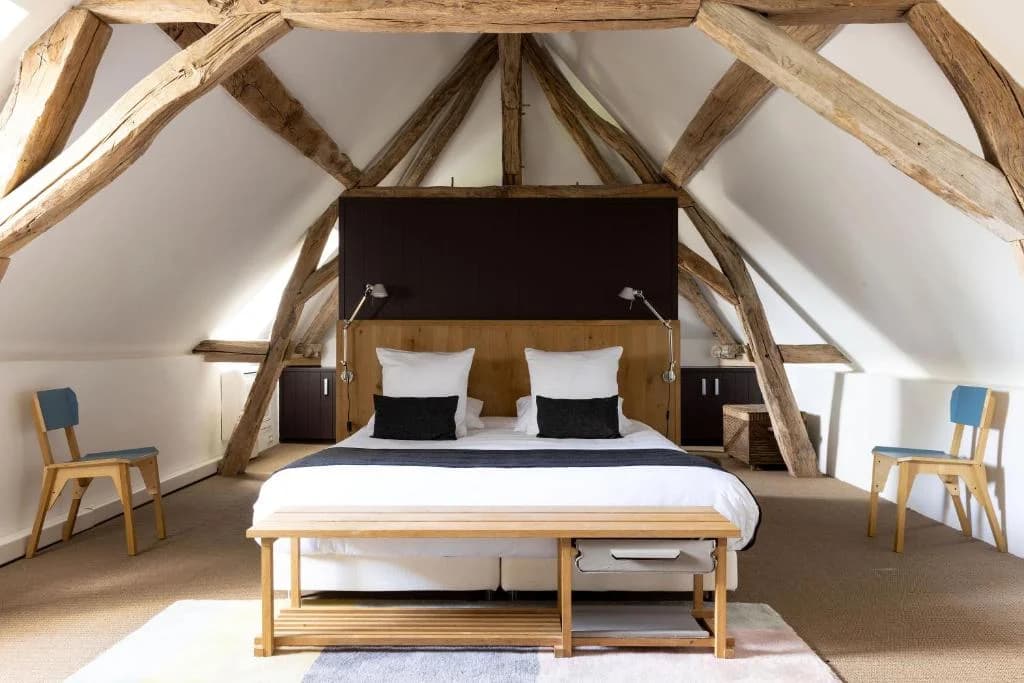
The regional luxury standard places significant weight on landscape integration. A suite here is expected to orient the guest toward the natural environment: through floor-to-ceiling glazing, private terraces with unobstructed ocean or forest views, and materials that read as continuous with the surrounding terrain. Interiors that prioritise warmth, natural stone, reclaimed wood, and considered lighting over ornament are characteristic of the highest-performing properties in this corridor.
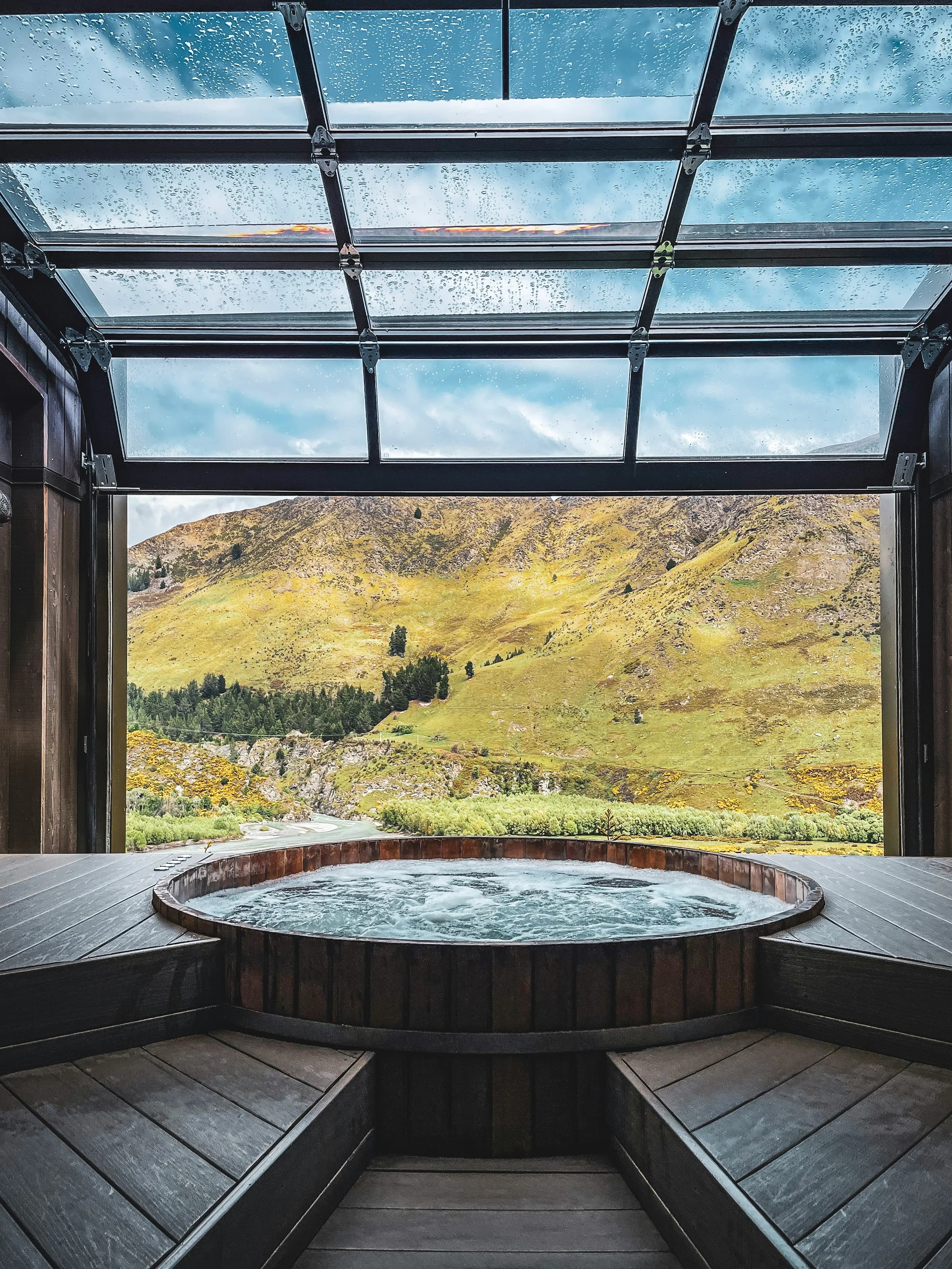
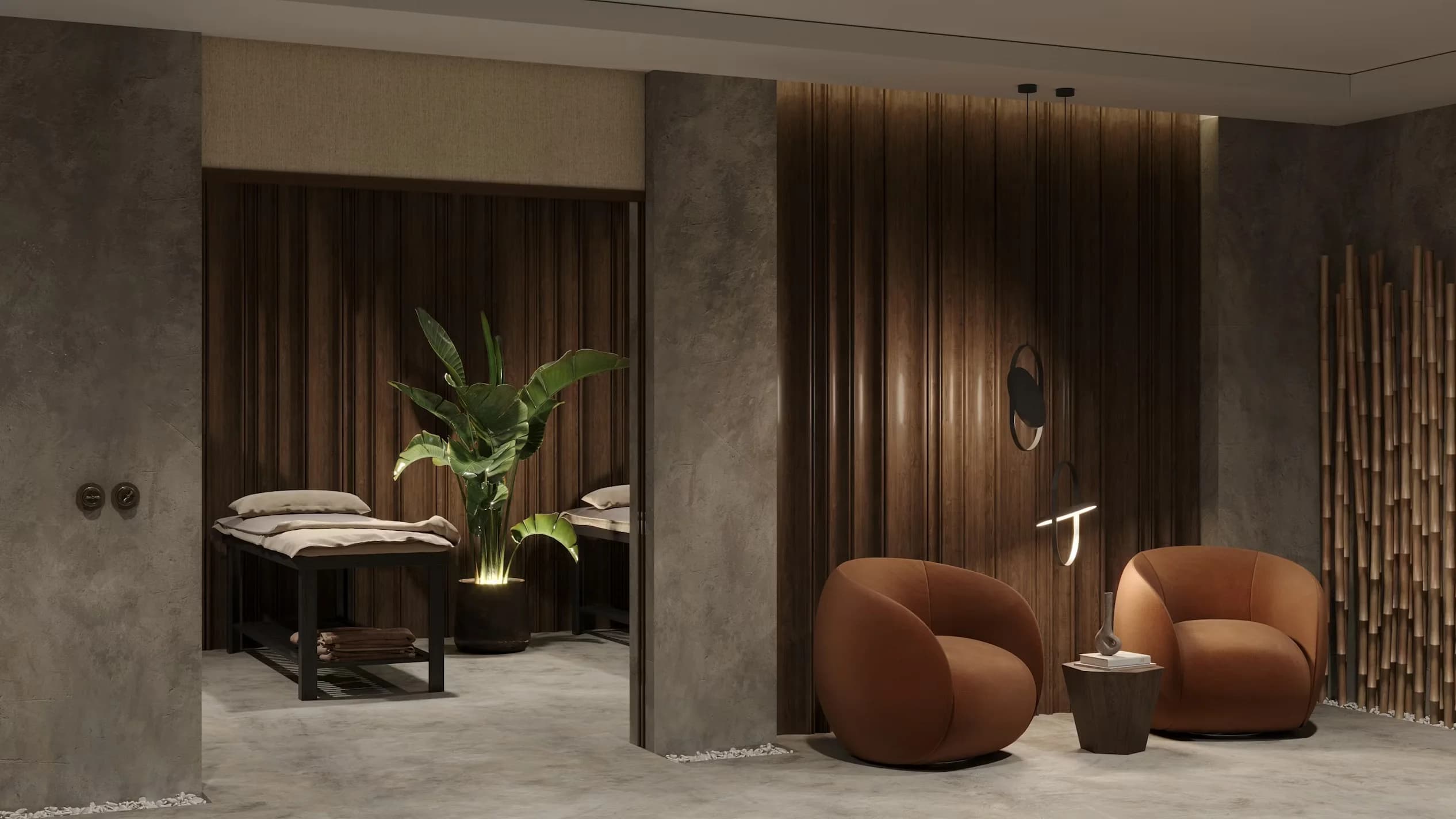
Spa programming at peninsula properties frequently draws on the Pacific marine environment, incorporating seaweed and kelp-based treatments and thermal hydrotherapy installations oriented toward ocean views. Dining at top-tier properties here reflects the Central California coastal agricultural tradition, with close relationships to Carmel Valley farms, the Salinas Valley produce corridor, and the Monterey Bay seafood fishery.
How to choose the right luxury suite in this region
The primary axis of decision is between the peninsula and the Big Sur coast. These are functionally different propositions. Peninsula properties offer more infrastructure, easier access, proximity to Carmel and Monterey's cultural offerings, and greater predictability of access. Big Sur properties offer more immersive isolation, more dramatic physical settings, and a more deliberate kind of detachment from daily life. The choice depends on whether the guest wants the landscape as backdrop or as total environment.
Within the peninsula, the secondary decision is architectural character. Some properties are historic in origin, with mid-century or earlier construction that has been updated to contemporary standards. Others are purpose-built for the contemporary luxury market. The former tend to carry more spatial character and site memory. The latter offer more uniform service infrastructure and newer physical plant.
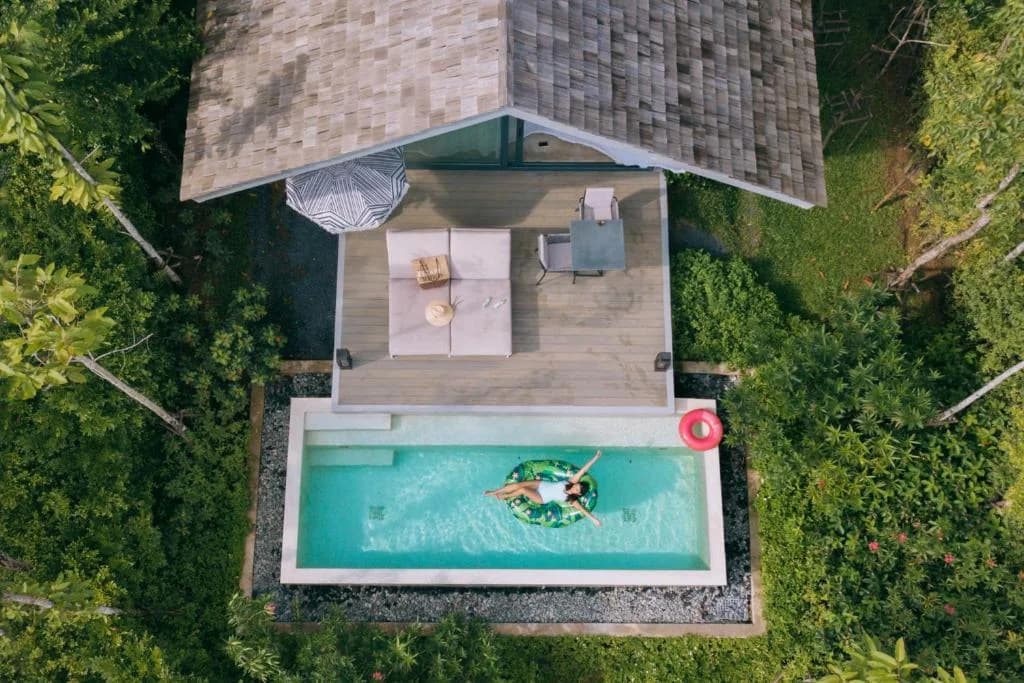
Suite configuration matters more here than in most urban contexts. Given that a significant proportion of the time at a Big Sur or Carmel property is spent on-site, the quality of the private outdoor space, the orientation of the suite relative to morning light, and the acoustic insulation between units are functional rather than aspirational considerations. Suites with dedicated outdoor soaking tubs or fireplaces are not a luxury supplement in this climate. They are usable features for a significant portion of the year.
Traveling with children or in groups requires attention to property scale. Many of the most architecturally compelling properties in this corridor are small in room count, and the configuration options for multi-room arrangements or connecting suites are limited compared to larger resort properties.
Why a curated selection by La Suite changes the decision
The supply of genuinely exceptional luxury hotel suites on the Monterey Peninsula and in Big Sur is not large. The region is geographically contained, the best properties are small, and the distinction between a property with a well-positioned suite and one with an average room presented as premium is not always visible in standard booking interfaces. La Suite's curation process applies consistent criteria: spatial quality, architectural coherence, the actual experience of private outdoor access, and the calibration of service to the specific character of the property. The result is a filtered set of options that removes the research burden and allows the decision to be made on the terms that matter. This coastline rewards the traveler who arrives having made the right choice before departure.