Understanding Charleston as a luxury destination
From a suite perspective, this creates a distinctive market. The highest-tier properties here tend to occupy converted historic structures rather than purpose-built towers. That means lower floor counts, fewer keys, and a sense of spatial intimacy that larger resort destinations cannot replicate. Expect generous ceiling heights, wide-plank floors, and proportions drawn from a pre-industrial architectural vocabulary.
Best areas to stay in Charleston
The historic peninsula
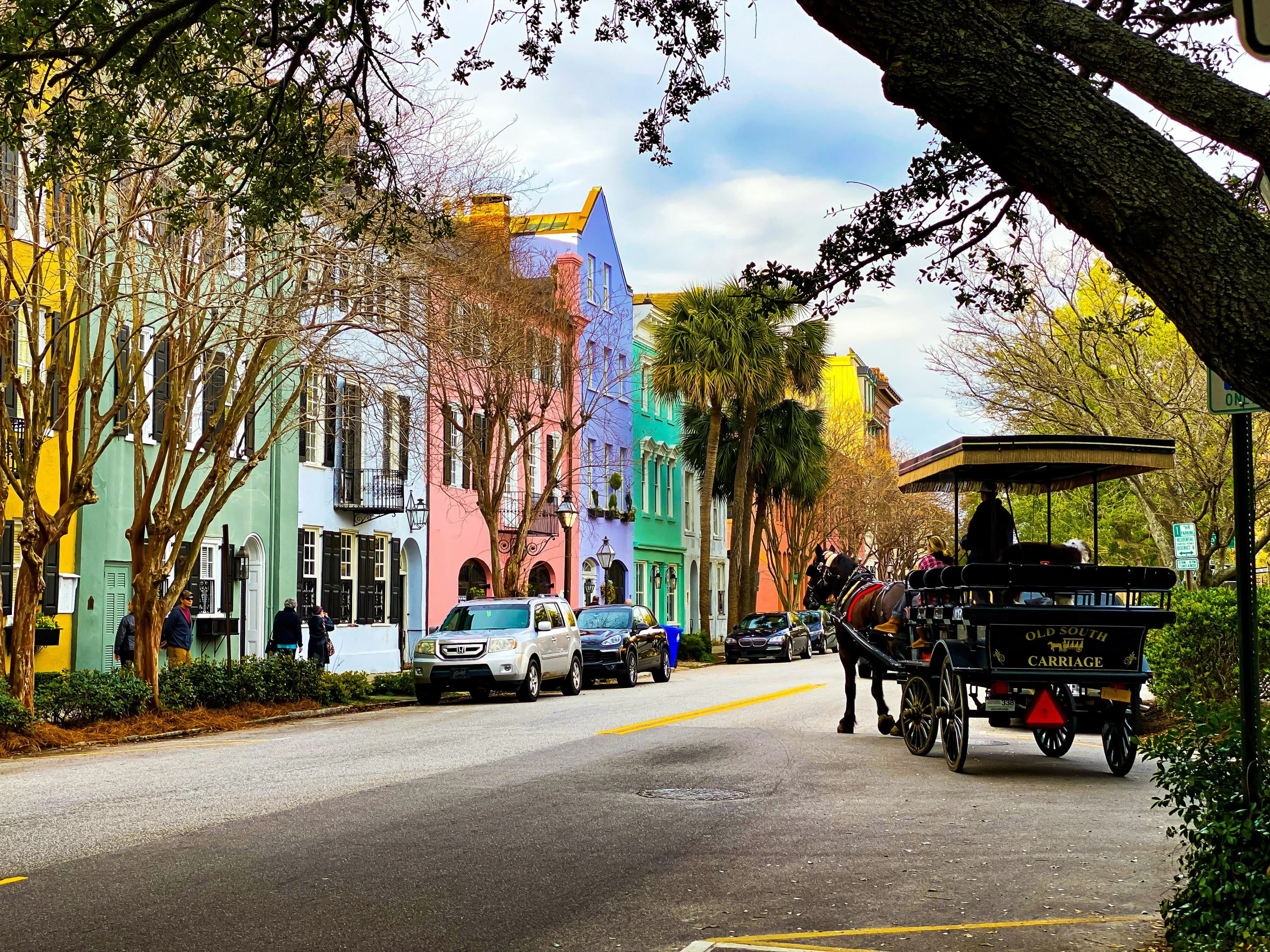
The area south of Broad Street, known locally as SOB, is the city's most concentrated zone of architectural prestige. Streets here are narrow, shaded by live oaks, and largely residential. Hotels in this zone are small by design, and suites command corner positions with views of walled gardens or the harbor. This is the correct address for the traveler who wants to walk to dinner, to the market at Husk or Chez Nous, and return on foot through gaslit streets.
The upper peninsula and NoMo district
North of the historic core, the upper peninsula has developed a quieter creative identity. The restaurant density is high, the architecture more industrial, and the properties here tend toward a contemporary aesthetic. Suites in this corridor suit travelers more interested in culinary exploration and design than in period atmosphere.
Kiawah Island and the barrier islands
Approximately thirty miles south of the peninsula, Kiawah Island offers a radically different spatial logic. The barrier island is defined by ten miles of Atlantic beach, maritime forest, and a resort ecosystem built around privacy. Suites here are larger, oriented toward outdoor living, and suited to multi-night stays centered on rest rather than urban exploration. The golf facilities here, particularly at the Ocean Course, rank among the most serious in the American Southeast.
Sullivan's Island and Isle of Palms
North of the city, these barrier islands offer a more low-key coastal character. Boutique properties and private rental estates define the accommodation offer rather than large resort complexes. For travelers seeking the coastal register of North America's Atlantic seaboard without resort infrastructure, this corridor is worth serious consideration.
When to visit Charleston
Charleston's climate follows a subtropical pattern. The practical implications for suite travelers are specific. Spring, particularly March through May, is the city's most temperate and visually compelling season. The Spoleto Festival USA, held annually in late May and early June, is one of the most significant performing arts events in the American South, drawing international artists across opera, theater, chamber music, and dance. Suite availability during Spoleto compresses significantly, and advance planning is essential.
Summer months are hot and humid, with heat indices regularly exceeding 100 degrees Fahrenheit. This is not a deterrent for island resort stays, where ocean breezes moderate conditions, but it is a material consideration for city walking. Rates tend to soften in July and August, making this a window of genuine value for travelers comfortable with the heat.
Autumn is by consensus the most favorable season for peninsula exploration. October and November bring lower humidity, stable temperatures in the low seventies, and reduced visitor volume. The Charleston Wine and Food Festival in March draws serious attention each year, as does the MOJA Arts Festival in October, which celebrates African and Caribbean cultural contributions central to the city's identity.
Winter is mild by American standards. Temperatures rarely drop below freezing, and the reduced crowds allow for a more intimate engagement with the architecture and restaurant culture that defines the city's offer.
Local luxury standards: what to expect from top-tier suites in Charleston
Charleston does not operate on the palace hotel model common to European capital cities. The luxury register here is defined instead by what the American hospitality industry calls the independent boutique hotel. The most respected properties tend to be owner-operated or affiliated with small luxury collections rather than global chain brands. This has specific implications for suite travelers.
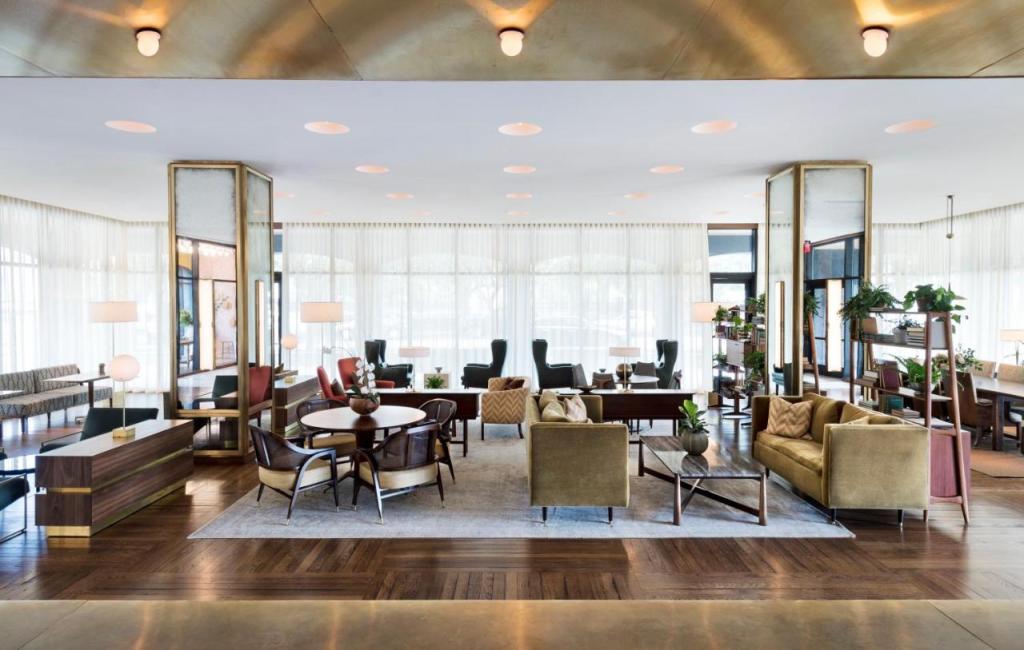
Expect bespoke interior programs that reference local craft traditions: indigo-dyed textiles, lowcountry woodwork, custom ironwork details, and curated art programs reflecting the Gullah Geechee cultural heritage indigenous to the coastal South. The best suites in Charleston are not simply large rooms. They are edited environments with specific curatorial intentions.
Service ratios in top properties are high. Staff-to-guest ratios at the leading independent hotels here are comparable to Relais and Chateaux properties in Europe. Personal concierge access, private carriage arrangements, and dedicated dining reservations through the hotel are standard at this level.
How to choose the right suite in Charleston
The first decision is architectural: historic or contemporary. If period proportions and the specific atmosphere of antebellum interior space matter to you, the peninsula is the correct geography. If you prefer modern materials, clean sightlines, and proximity to Charleston's evolving food and design scene, the upper peninsula or island properties will serve better.
The second consideration is orientation. The harbor-facing suites on the lower peninsula offer some of the most architecturally coherent views available in any American city: colonial spires, the Arthur Ravenel Bridge in the mid-distance, and cargo ships moving through the channel. Garden-facing suites offer quietude and botanical privacy. Neither is superior. The choice depends on how you use a suite: as a room to leave, or a room to inhabit.
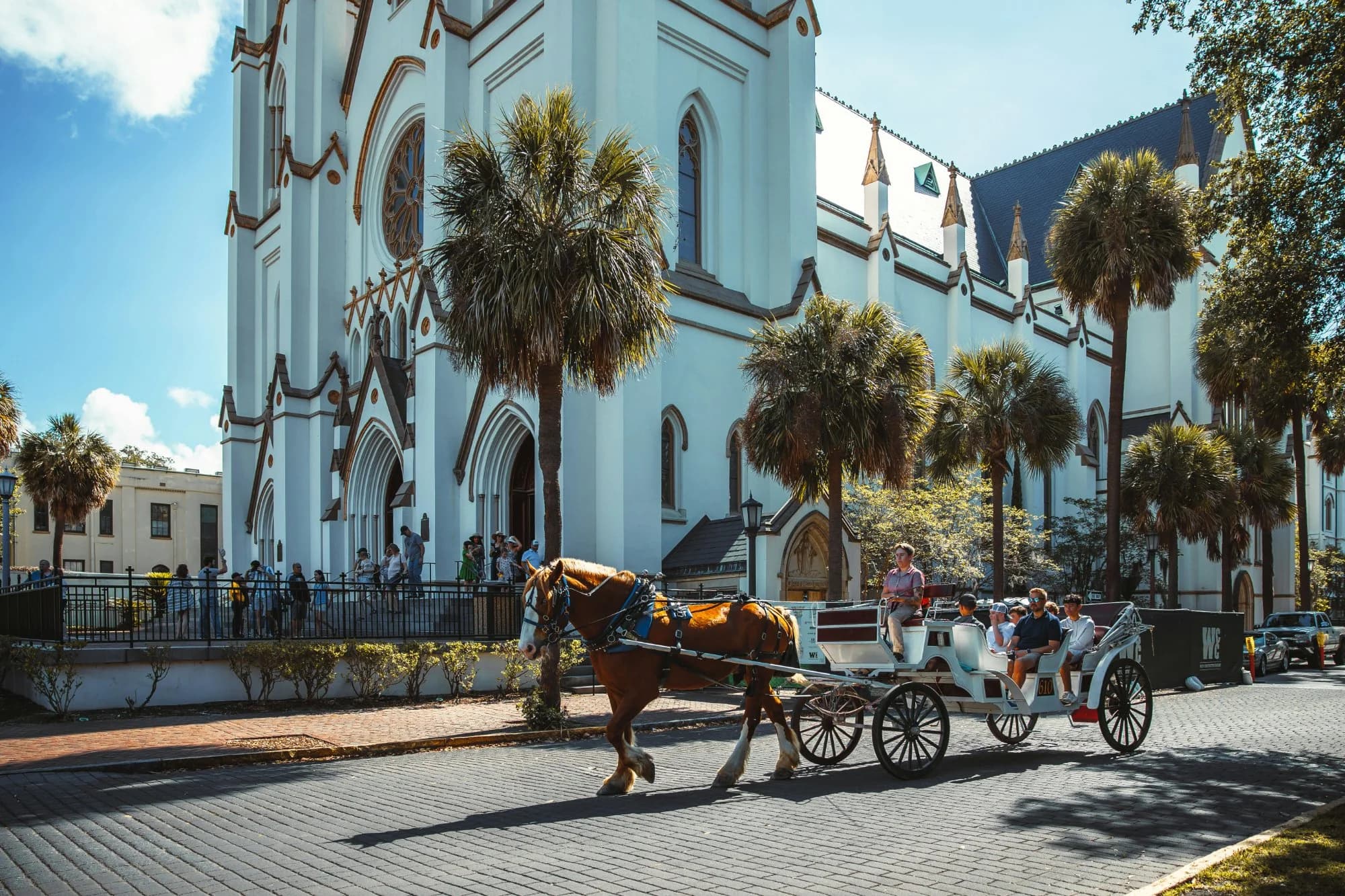
Noise is a practical factor. Charleston's historic streets are paved with original Belgian block in several sections, and horse-drawn carriage tours operate during daytime and early evening hours. If acoustic sensitivity matters, confirm room positioning with the property directly before confirming.
Why curation matters in Charleston
The Charleston luxury hotel market is small but dense with options at varying quality levels. The boutique branding applied to many properties here is not always matched by the actual suite product. Thread count, ceiling height, bathroom finish, and the specifics of natural light vary considerably between properties that describe themselves in identical terms.
La Suite applies a consistent editorial filter across the full United States portfolio. For Charleston specifically, that means distinguishing between properties with genuine architectural merit and those trading on a historic address without delivering the interior quality to match. The curated selection by La Suite reflects only properties where the suite product itself justifies the positioning. No paid placements. No aggregation without editorial judgment.