Where to stay in Dallas for a luxury suite experience
Uptown and the Arts District
Uptown is the natural base for the design-literate traveler. The neighborhood sits adjacent to the largest urban arts district in the United States, anchored by the Nasher Sculpture Center, the Crow Museum of Asian Art, and the AT&T Performing Arts Center. Hotels in this corridor tend toward contemporary architecture with generous suite configurations. The walkability is real, the dining scene is serious, and the general density of cultural programming makes it the most intellectually engaged part of the city.
Highland Park and Preston Hollow
For travelers who prioritize residential quietude over proximity to cultural venues, the neighborhoods north of downtown offer a different register entirely. Highland Park's tree-lined avenues and Preston Hollow's estate-scale properties set the tone for a more private, contained experience. Boutique properties and extended-stay residences in these areas cater to travelers who want space without spectacle.
Downtown Dallas
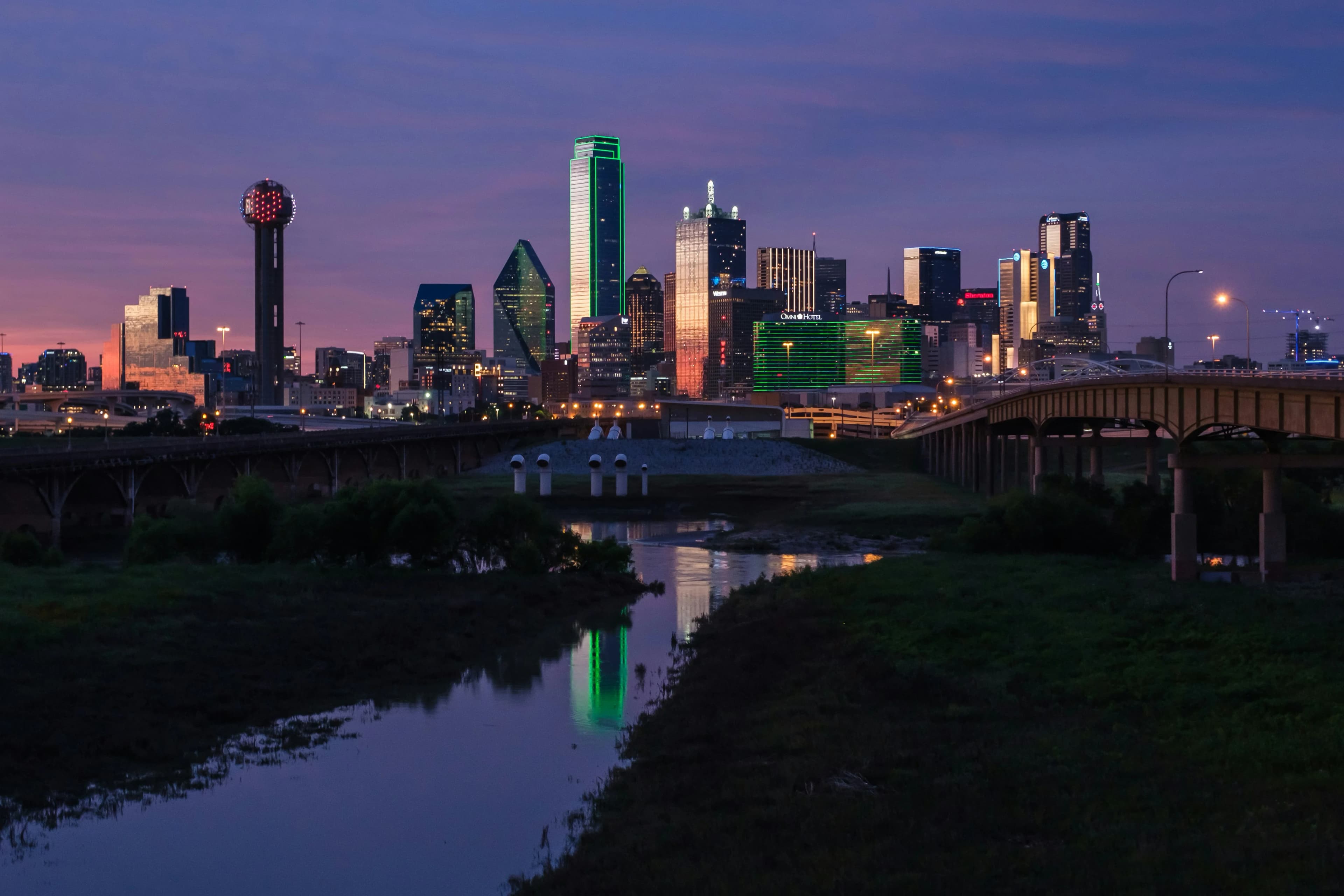
Downtown remains the city's commercial and civic center. Its luxury hotel stock is substantial, with several full-service properties offering suite configurations that capitalize on skyline views and proximity to Reunion Tower and Dealey Plaza. The business traveler infrastructure is exceptional here, making it a logical choice for those combining leisure with professional commitments.
Frisco and the northern corridor
The northern expansion of the Dallas metropolitan area, particularly around Frisco and Plano, has attracted significant hospitality investment. These areas appeal to travelers attending sports events, corporate relocations, or those visiting families in the suburbs. Suite offerings here tend toward larger floor plans and family-oriented configurations rather than design-forward aesthetics.
When to visit Dallas for the best suite experience
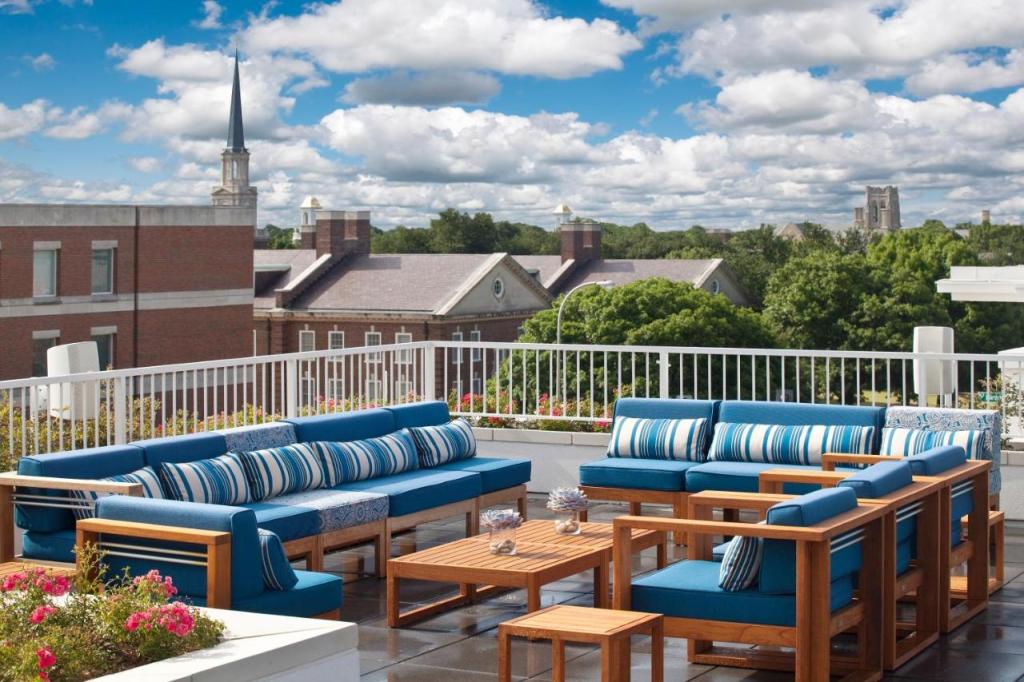
Dallas has a climate profile that demands honest assessment. Summers are long and genuinely hot, with temperatures regularly exceeding 100 degrees Fahrenheit from June through August. The city is engineered for this: interiors are well-conditioned, rooftop amenities at luxury hotels are designed for evening use, and the cultural calendar shifts indoors during peak heat.
The most rewarding windows for a suite stay are October through December and March through May. Autumn in Dallas carries a particular quality: the heat breaks, the social calendar accelerates, and the city's restaurant and arts programming reaches its annual peak. Spring offers temperate afternoons and access to the Dallas Arboretum's seasonal displays, which are taken seriously by the city's design community.
The State Fair of Texas, held at Fair Park each October, is one of the largest state fairs in the country and draws significant visitors to the city. Suite availability tightens during this period and rates adjust accordingly. The AT&T Byron Nelson golf tournament in May and the various art fairs organized around the Dallas Art Fair in April also compress availability in the Uptown corridor.
Understanding luxury hotel standards in Dallas
Dallas does not have a formal prestige classification equivalent to France's Palace designation or Italy's Leading Hotels of the World affiliations, but the city's top-tier properties operate to a standard that is internationally recognizable. The Forbes Travel Guide star rating is the most relevant benchmark for the Dallas market, with five-star properties maintaining service ratios and physical standards that align with comparable properties in North America and globally.
What distinguishes a high-performing Dallas suite from a standard offering is typically spatial. The city's generous land footprint means that suite configurations often exceed square footage benchmarks you would find in denser urban markets like New York or San Francisco. Corner suites in Dallas high-rises can offer 360-degree skyline exposure that is genuinely architectural in quality. Presidential and penthouse categories frequently include private terraces, separate dining areas, and dedicated check-in protocols.
The service culture in Dallas is notably attentive. The city's hospitality industry has historically drawn from a strong local tradition of formal hosting, and this translates into a concierge culture that is both knowledgeable and proactive. Expect property teams to have genuine working relationships with the city's better restaurants and cultural venues.
How to choose the right luxury suite in Dallas
Several practical considerations bear directly on suite selection in Dallas.
Architecture: contemporary versus historic
Dallas has limited historic hotel stock compared to East Coast cities. The city's rapid post-war growth means that the majority of its luxury hotel properties are contemporary in construction, often occupying high-rise formats. Travelers who specifically value historic architecture should look closely at the smaller number of adaptive reuse properties in the downtown core, where early twentieth-century commercial buildings have been converted to hotel use. The aesthetic difference between these and the glass-tower properties is significant and worth clarifying before booking.
Suite size and configuration
Dallas suites are frequently larger than their price point equivalents in coastal US cities. If square footage and separation of living from sleeping space are priorities, the Dallas market tends to over-deliver relative to expectation. For families or groups, multi-room suite configurations are broadly available across the upper tier of the market.
Connectivity and access
Dallas is served by two major airports: Dallas/Fort Worth International (DFW) and Dallas Love Field (DAL). DFW is one of the busiest airports in the world by passenger volume and connects directly to an exceptionally broad range of international and domestic routes. The DART light rail system connects DFW to downtown, though most luxury hotel guests in Dallas use car services for intra-city movement. Proximity to highway access is worth noting when selecting a property, as the city's scale makes ground transportation times variable.
Amenities that matter in this market
Rooftop pools, spa facilities, and private dining rooms are standard expectations at the upper end of the Dallas market. Properties that also offer dedicated suite check-in, in-suite dining menus distinct from the main restaurant offering, and direct garage access are particularly valued by privacy-oriented guests. Fitness infrastructure at Dallas luxury hotels is typically serious, reflecting the city's broadly health-conscious professional culture.
Why curation matters when booking a luxury suite in Dallas
The Dallas luxury hotel market is large and, in places, inconsistent. A property can carry a recognizable brand flag while delivering a suite product that does not meet the spatial or service expectations of a sophisticated traveler. The gap between a branded four-star suite and a genuinely considered five-star suite experience in Dallas can be substantial in both quality and value.
La Suite applies a specific editorial lens to this market: not every property with a suite category earns a place in the selection, and not every suite within a qualifying property is worth recommending. The curation process accounts for floor plan quality, natural light, service protocols, in-suite technology, and the coherence of the overall property experience. The result is a filtered view of the Dallas market that removes ambiguity and supports confident decision-making. For travelers who approach suite selection the way they approach any significant investment, that precision is the point.