Understanding Key West as a luxury destination
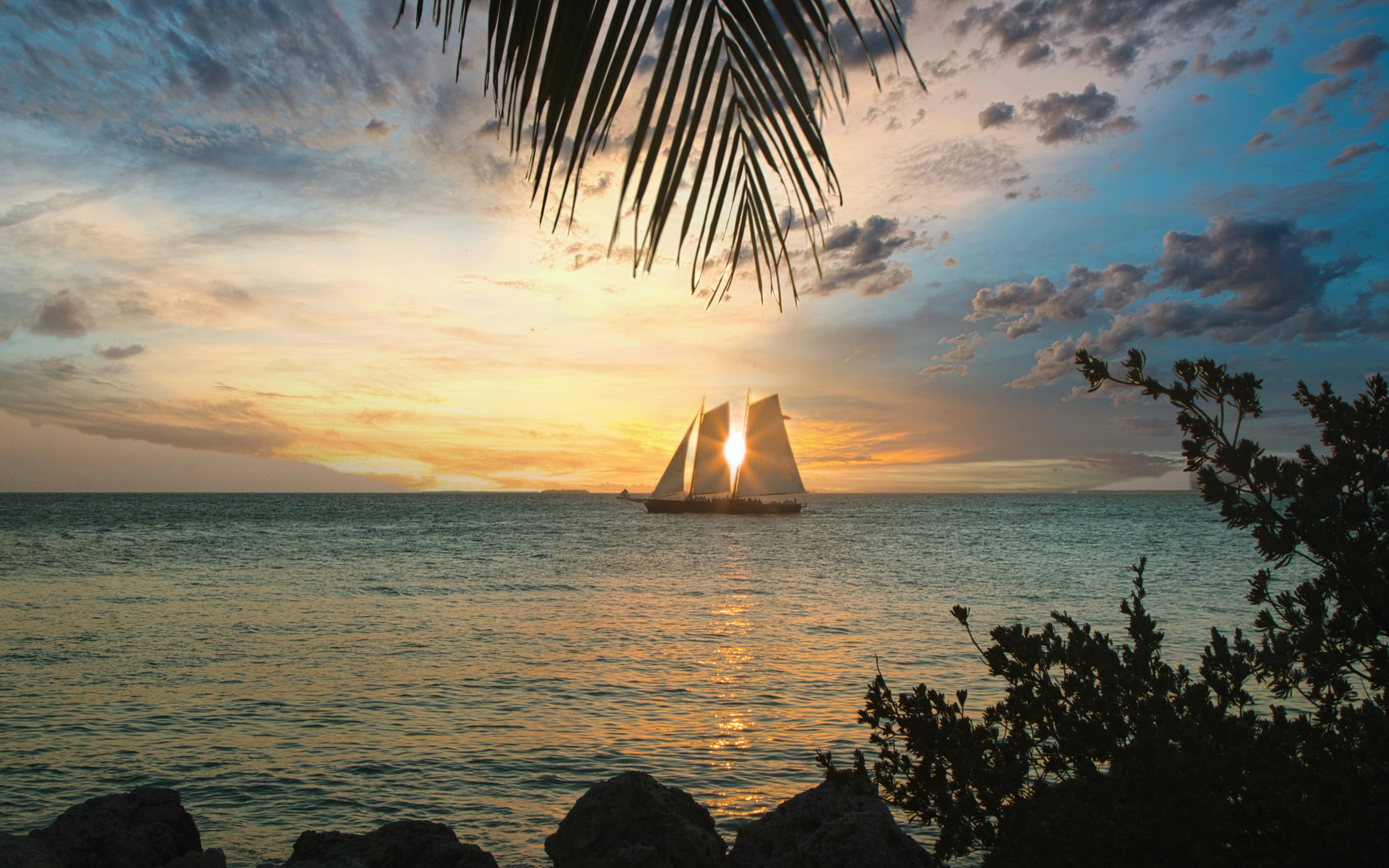
For the traveler exploring United States luxury hotel options, Key West represents an outlier. It does not offer the vertical ambition of Miami or the corporate polish of New York. What it offers instead is irreplaceable texture: a city that has absorbed Cuban, Bahamian, and Hemingway-era bohemian influences into something coherent and unhurried. A luxury hotel suite here should reflect that layering, not erase it.
Best areas to stay in Key West
Old Town
Old Town is the historical and architectural core of Key West, comprising the western third of the island. This is where the majority of the island's significant properties are concentrated: restored Victorian and Conch-style buildings converted into boutique hotels, many with private gardens, plunge pools, and suite configurations that prioritize quiet over spectacle. The streets are walkable and the density of cultural sites, from the Hemingway Home to the Audubon House, is high. Guests staying in Old Town can access the water at Mallory Square or the quieter harbor-front without the need for transport.
Duval Street corridor
Duval Street is the island's commercial spine, running from the Gulf to the Atlantic. Properties along or adjacent to this corridor offer immediacy of access to restaurants, galleries, and the nightly sunset ritual at Mallory Square. The trade-off is ambient noise, which makes suite selection more consequential here. Courtyard-facing or upper-floor suites in well-constructed historic buildings offer meaningful insulation from street-level activity.
Truman Annex and the quieter perimeter
The Truman Annex, a former naval compound adjacent to Old Town, offers a more residential character. Streets are quieter, architecture is more uniform, and the access to the waterfront is direct. For travelers seeking a suite experience closer to extended-stay privacy than traditional hotel dynamics, this zone warrants consideration. The southern perimeter of the island, near South Beach, is less developed and appeals to those who prioritize proximity to water over proximity to culture.
When to visit Key West
Key West operates year-round, but the distinction between seasons is meaningful for suite travelers. The dry season runs from November through April, when temperatures sit between 65 and 80 degrees Fahrenheit and humidity drops to its most comfortable levels. This is peak season: occupancy is highest, rates reflect that demand, and advance planning is essential for securing premium suite configurations.
The summer months, May through October, bring heat, humidity, and the possibility of tropical weather. Hurricane season officially runs June through November, with the peak risk period concentrated in August and September. However, this period also offers the island at its most local: reduced crowds, negotiable rates, and a particular quality of light in the early mornings and late evenings that photographers and aesthetically attentive travelers value.
Fantasy Fest, held each October, transforms the island for ten days and creates specific demand conditions around its dates. For travelers who prefer calm, those ten days require either advance booking of superior suites or a deliberate scheduling decision to arrive outside that window. Key West also has a significant New Year's Eve tradition, with the Sloppy Joe's drag queen dropped in a giant shoe at midnight, drawing substantial crowds.
Local luxury standards in Key West
Key West does not have the formal palace hotel tradition of European capitals or the resort-campus model of Hawaii. Its luxury register is distinctly American and distinctly Floridian: boutique, historically grounded, and often independently owned. The finest properties here are typically converted historic homes or small compound-style hotels where the suite count is low and the attention-to-guest ratio is correspondingly high.
What distinguishes a top-tier suite in Key West from a standard room is often a combination of architectural authenticity (original heart-pine floors, restored millwork, period-appropriate hardware) and contemporary amenity layering: private plunge pools, dedicated outdoor space, butler or concierge access, and soundproofing that acknowledges the island's social character. Some properties offer full buyout options for travelers who prefer exclusive use of a historic house.
The island's culinary register has matured significantly. Fresh seafood, particularly stone crab in season (October through May), yellowtail snapper, and Florida lobster, forms the backbone of serious dining here. Suite guests at better properties typically have access to private chef arrangements or priority reservations at the island's most selective tables.
How to choose the best suite in Key West
The first consideration is architectural preference. Key West's finest suites exist within historic Conch-style buildings, which means lower ceilings than modern construction, occasional quirks of layout, and an ambient character that rewards guests who appreciate craft over uniformity. Travelers who require the standardized geometry of a contemporary luxury hotel may find the island's best properties dissonant with their expectations.
The second consideration is relationship to outdoor space. Given the climate, a suite with private outdoor access, whether a veranda, a courtyard, or a plunge pool, transforms the experience. Indoor-only configurations miss the essential character of Key West, where the boundary between interior and exterior is deliberately porous in well-designed properties.
Third: assess noise tolerance. Key West is a small island with a concentrated entertainment culture. Properties that advertise proximity to Duval Street as an amenity are making an accurate claim that cuts both ways. Suite travelers who prioritize sleep and quiet should specifically seek properties with acoustic consideration built into the room design, not merely the property's marketing language.
For travelers navigating North America luxury hotel options across multiple destinations, Key West requires a recalibration of expectations. Smaller footprint, higher character, and a fundamentally different relationship to scale than the continent's major urban markets.
The value of a curated selection in Key West
Key West's accommodation market is large relative to the island's size, and the range of quality within self-described luxury properties is wide. The island's popularity has produced significant marketing inflation: many properties use the language of luxury without the operational depth or physical quality that the category requires.
La Suite's editorial approach to Key West is selective by design. The platform curates properties where the suite experience is genuinely differentiated: in architecture, in service calibration, and in the quality of sensory detail that separates a considered stay from a merely expensive one. For a destination this intimate, where the choice of property shapes the entire register of the visit, that curation is not a convenience. It is a structural advantage.
The curated selection by La Suite ensures that the properties presented have been assessed against the standards that matter to travelers who choose suites deliberately: spatial generosity, material quality, operational consistency, and the specific character that makes a Key West stay irreplaceable rather than merely comfortable.