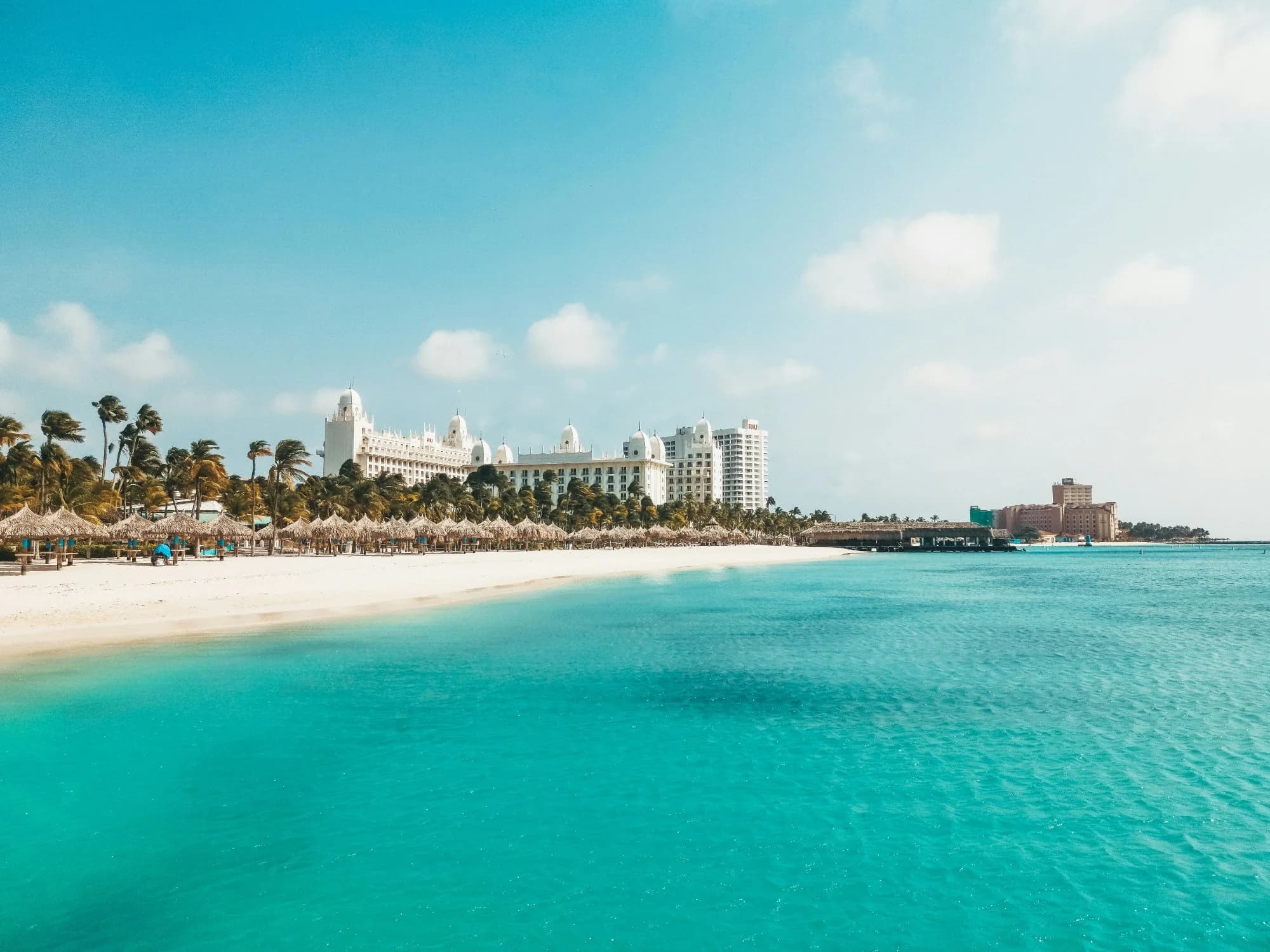
Understanding Palm Beach as a luxury destination
The island measures roughly fourteen miles in length and under a mile in width at its broadest point. That compression means location is everything. A suite facing the Atlantic delivers a fundamentally different sensory experience from one positioned along the Intracoastal, where the light shifts softer and the pace slows further. Both are legitimate Palm Beach, but they represent different registers of the same destination.
The best areas to stay in Palm Beach
The oceanfront corridor
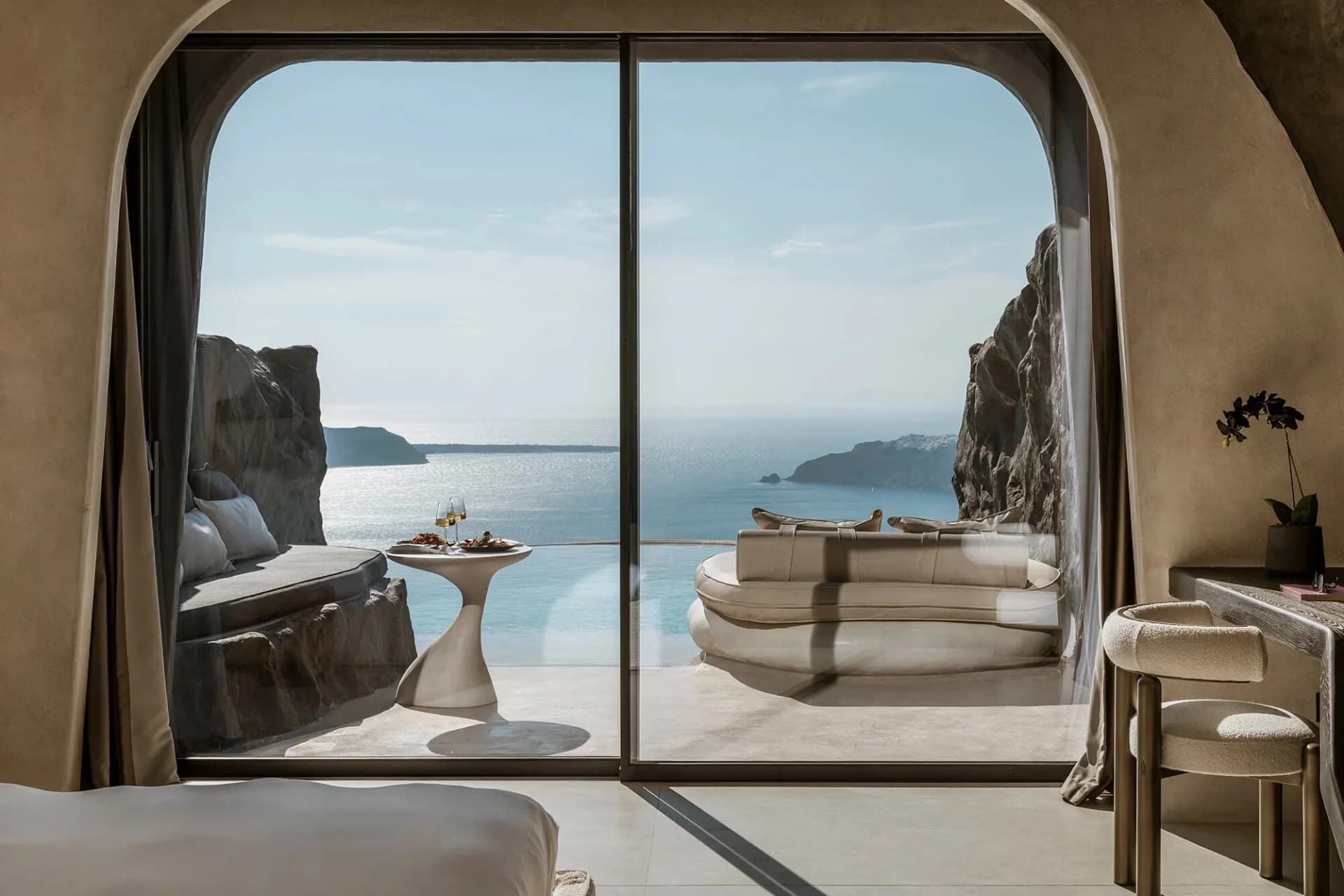
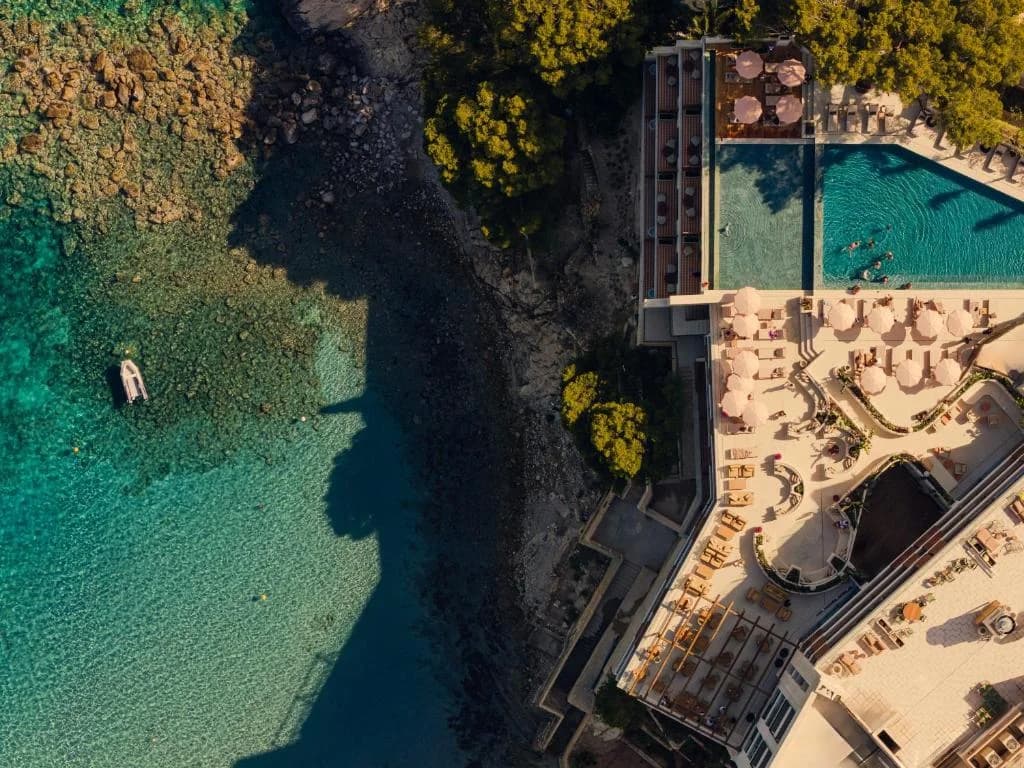
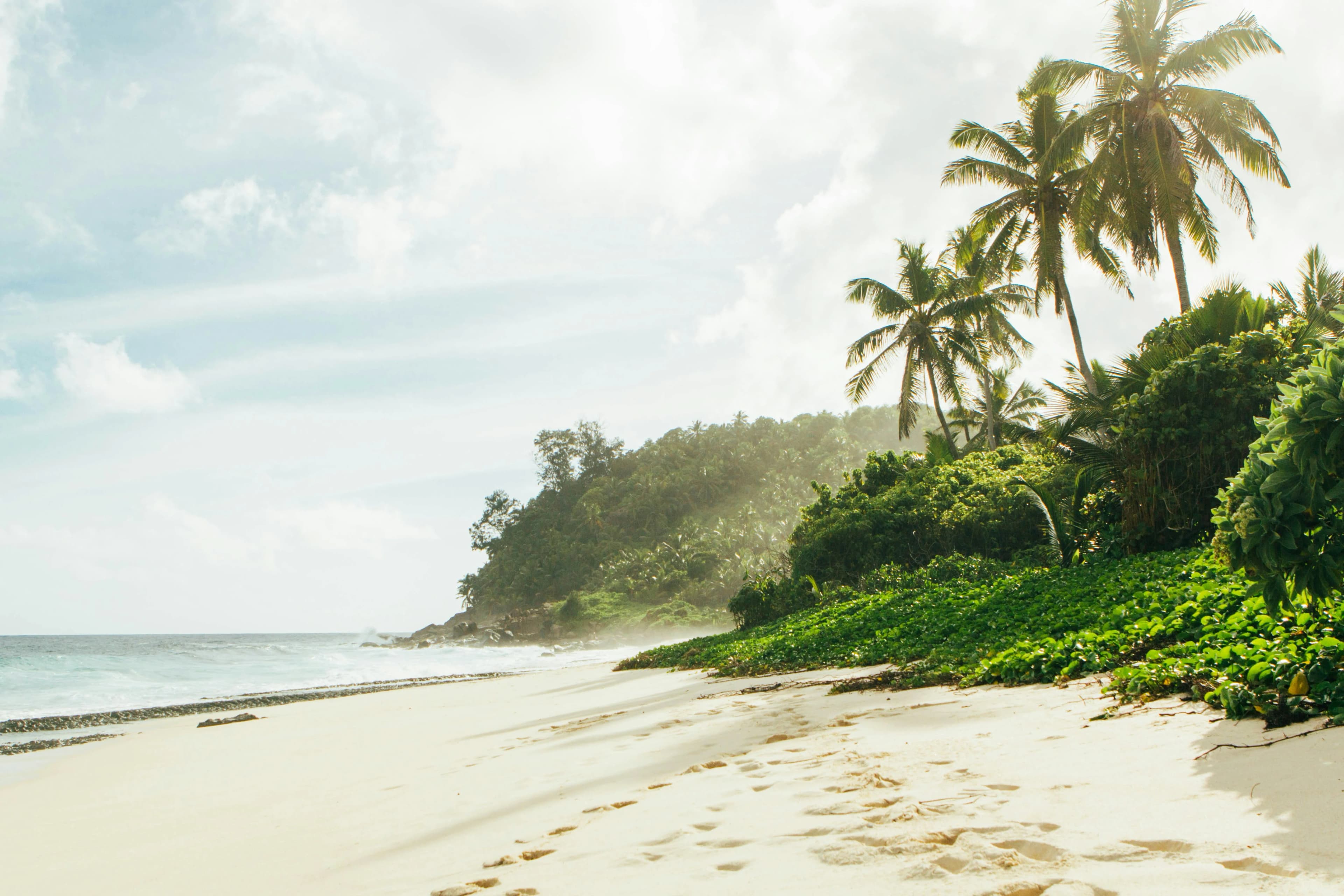
The eastern edge of Palm Beach, directly on the Atlantic, is where the island's most architecturally significant hotels have historically positioned themselves. Ocean-facing suites here offer direct exposure to the Atlantic light, which is particular to South Florida: clear, high-contrast, and present from early morning. The beach itself is relatively uncrowded by Florida standards, a function of limited public access and the island's low residential density.
Worth Avenue and the central village
The area around Worth Avenue constitutes Palm Beach's commercial and cultural spine. Galleries, fine jewelry houses, and a concentration of private clubs anchor this zone. Suites within walking distance of Worth Avenue allow guests to engage with the island's retail and social fabric without requiring a vehicle, which is a meaningful consideration given Palm Beach's scale.
The northern and southern ends of the island
The quieter residential extremities of Palm Beach attract guests seeking distance from the island's social center. Properties positioned here tend toward greater seclusion, with larger grounds and a more private relationship to the water. For guests whose primary interest is rest rather than participation in the Palm Beach social season, these locations offer a calibrated remove.
When to visit Palm Beach for a luxury suite experience
Palm Beach operates on a defined seasonal calendar. The high season runs from approximately mid-November through April, coinciding with the arrival of the island's permanent and part-time resident population. During this period, the social calendar is at its most active: charity galas, polo at the International Polo Club Palm Beach in nearby Wellington, art fairs, and private club events fill the weeks from January through March.
Suite availability tightens considerably from January onward, and rates reflect the seasonal demand. Travelers seeking the full cultural context of Palm Beach should plan arrivals for this window. Early December offers a useful balance: the season has begun, rates have not yet reached their peak, and the island retains a degree of quietness that erodes by mid-January.
The summer months, May through October, bring heat, humidity, and significantly reduced social activity. Hotels frequently offer more favorable rates during this period, and the island takes on a different character: less formal, more residential, and genuinely uncrowded. For guests whose interest is in the architecture and the beach rather than the social calendar, summer in Palm Beach has its own understated logic.
Local luxury standards: what defines a top-tier suite in Palm Beach
Palm Beach has no equivalent of France's official Palace classification. Instead, the island's luxury standard is established through reputation, history, and a particular form of architectural prestige rooted in the Mediterranean Revival style developed by Addison Mizner in the early twentieth century. Properties built in or faithful to this tradition, with their arched loggias, Moorish tile work, and courtyard-centered layouts, carry a specific cultural weight that newer construction cannot replicate.
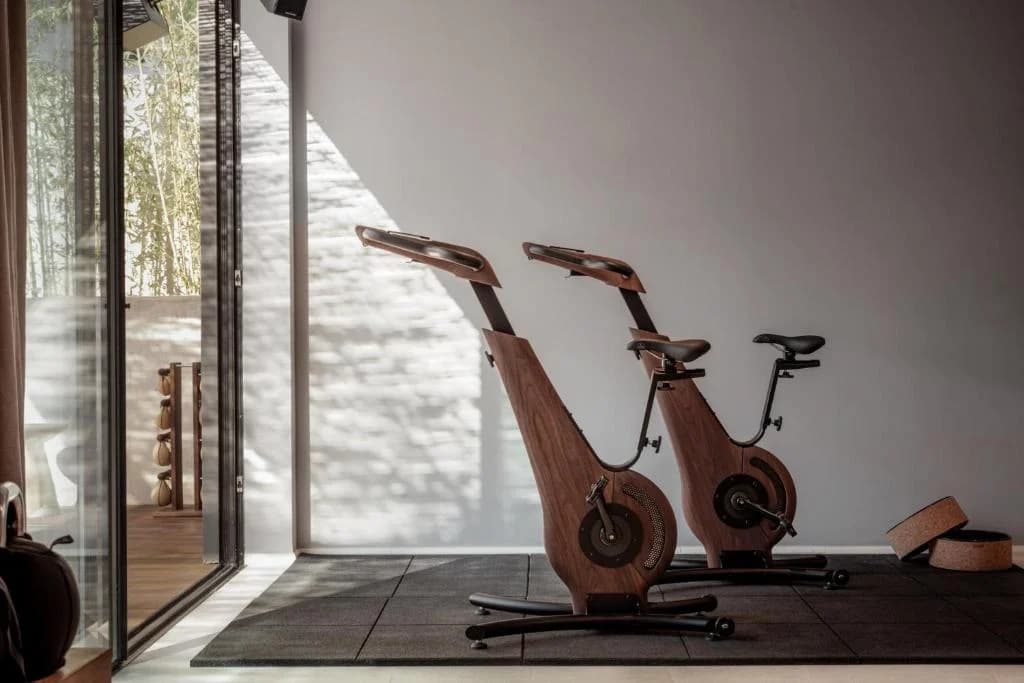
The expectation at the top tier of Palm Beach hospitality includes generous suite dimensions, direct or proximate beach access, service ratios that allow for genuine attentiveness without intrusion, and a visual coherence between architecture and interior. Palm Beach suites at this level typically feature separate living areas, private terraces or balconies, and direct access to spa and pool facilities that are sized for exclusivity rather than capacity.
Guests should note that Palm Beach places a premium on discretion. The island's culture of privacy is not performative. It is structural. Properties that understand this deliver a form of service that is present without being visible, a quality that distinguishes the best luxury hotel suites here from those that confuse formality with attentiveness.
How to choose the best luxury suite in Palm Beach
Architecture and period
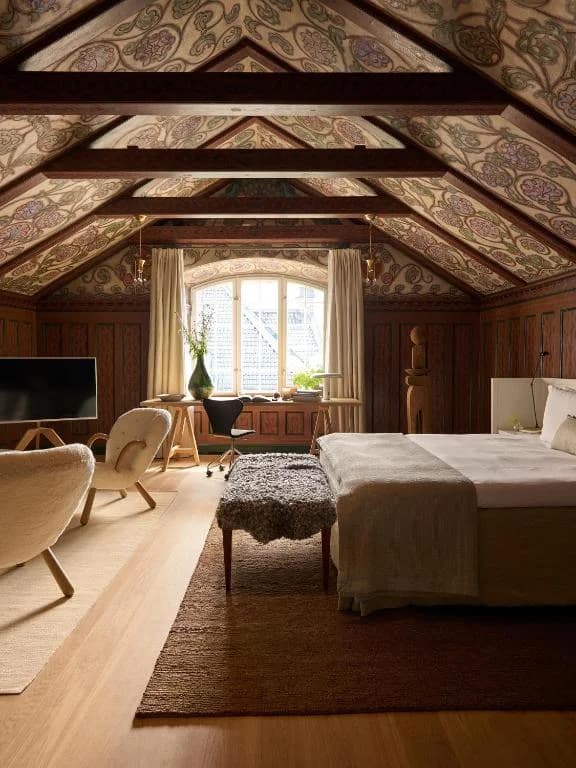
The choice between a historic Mizner-era property and a contemporary luxury hotel reflects a genuine aesthetic and experiential distinction. Historic properties offer textural depth and a connection to the island's origin story. Modern properties tend toward cleaner spatial logic, larger bathrooms, and more technology-integrated environments. Neither is inherently superior; the choice depends on what kind of immersion the guest is seeking.
Orientation and views
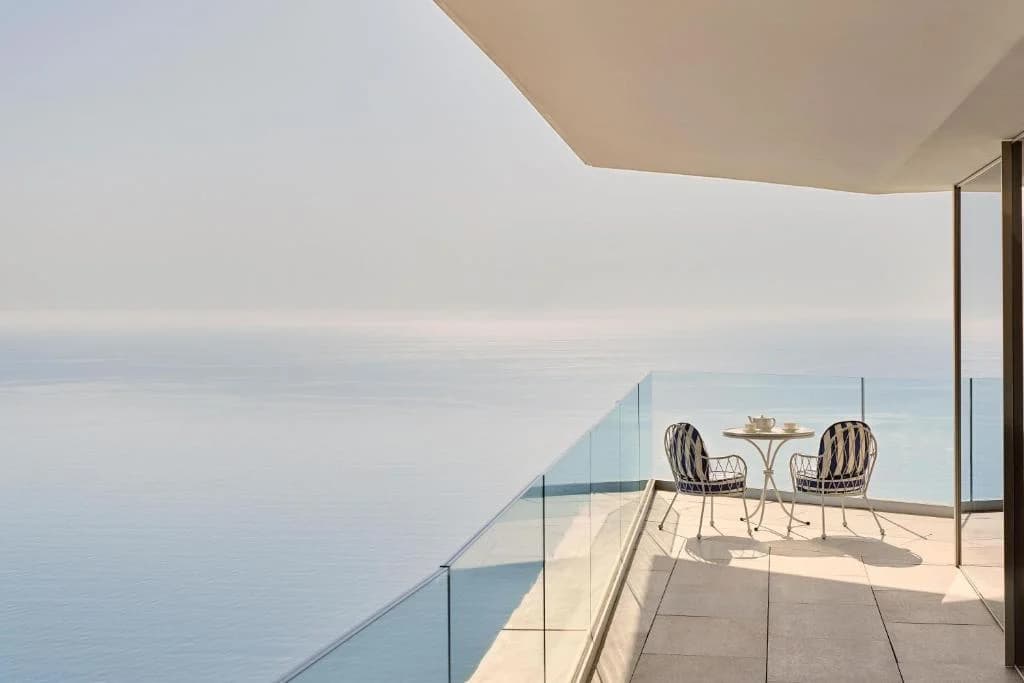
Ocean-facing suites deliver direct Atlantic exposure and early morning light. Intracoastal-facing or garden-oriented suites offer softer light conditions, greater acoustic privacy, and in some cases, more generous outdoor terracing. Understanding the physical orientation of a suite before booking is particularly relevant in Palm Beach, where the island's narrow width means the difference between east and west exposure is also a difference in atmosphere.
Seasonal timing and availability
Booking during peak season, January through March, requires advance planning of several months for the island's most sought-after suites. Last-minute availability in this window is rare, and the best rooms are typically held by returning guests who re-book during their current stay. Off-season bookings offer more flexibility and, in some cases, access to suites that are effectively unavailable during the height of the season.
Why curated selection matters in Palm Beach
Palm Beach has a concentrated but carefully differentiated hotel landscape. The number of properties is limited relative to comparable destinations, but the variation in character, positioning, and quality is substantial. A curated selection by La Suite removes the ambiguity from this process. Rather than navigating marketing materials designed to minimize distinctions, guests receive an honest map of which suites correspond to which experience.
For a destination as specific as Palm Beach, where the choice of suite reflects a deliberate lifestyle position rather than a logistical decision, that clarity is not a convenience. It is the foundation of the entire trip.