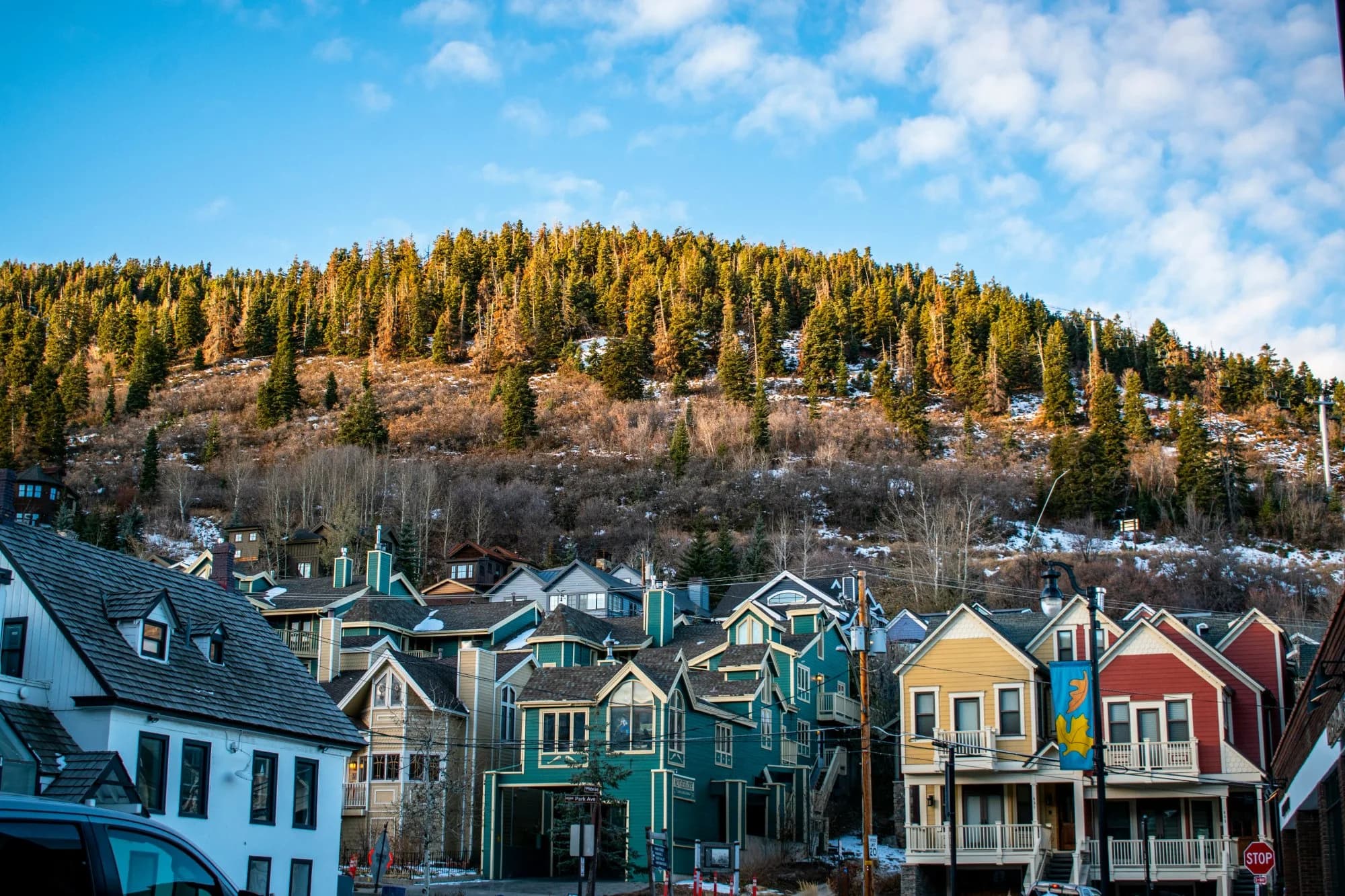
Understanding Salt Lake City as a luxury suite destination
Best areas to stay in Salt Lake City
Downtown and the central grid
The city's downtown core, anchored by Temple Square and the Gateway district, concentrates the most significant hotel properties. This is where architecture ranges from late-nineteenth-century institutional stonework to contemporary glass towers. Suites in this zone offer proximity to the Utah Museum of Fine Arts, the Utah Symphony, and the Convention Center, making them the natural choice for travelers combining business with cultural engagement. The street grid, famously wide by design, gives the area a sense of openness unusual for a North American downtown.
The Avenues and Capitol Hill
Immediately north of downtown, the Avenues neighborhood rises toward the State Capitol building on a series of residential streets lined with Victorian and Craftsman architecture. This is a quieter residential quarter, and properties here tend toward the boutique end of the spectrum. For travelers prioritizing discretion and a lower density of tourist activity, this zone offers proximity to downtown without its pace.
Sugar House and east side corridors
The Sugar House district and the corridors leading toward the University of Utah attract a more design-conscious demographic. Properties here are fewer but the neighborhood offers independent dining, gallery spaces, and access to the foothills trail system. For travelers who prefer to experience a city's lived texture rather than its visitor infrastructure, the east side is worth considering.
When to visit Salt Lake City for a luxury hotel suite
Salt Lake City operates across two distinct high seasons, which has direct implications for suite pricing and availability. The winter season, running from November through March, is driven by ski access. The Cottonwood Canyons, Little and Big, are within forty-five minutes of the city center and host terrain that attracts serious skiers from across the continent. During this period, suites at premium properties are in strong demand and rates reflect it. Booking several months in advance is standard practice for the best configurations.
The summer season, from June through September, draws a different traveler: hikers, festival attendees, and those using the city as a base for national park circuits including Zion, Bryce Canyon, and Arches. The Sundance Film Festival in January, held in nearby Park City, creates a secondary demand spike that affects the entire metro area. Spring and autumn offer the most favorable conditions for travelers who prioritize rate efficiency alongside comfort, with mild temperatures and reduced occupancy at most properties.
Local luxury standards: what to expect from top-tier suites in Salt Lake City
The United States does not operate a formal national classification system equivalent to the French Palace designation or the Italian Lusso category. Instead, quality is signaled through brand affiliation, Forbes Travel Guide ratings, and AAA diamond classifications. In Salt Lake City, the upper tier of properties is anchored by major international brands that have established flagship or flagship-adjacent properties in the downtown core. Independent luxury properties are fewer but are emerging as the city's hospitality market matures.
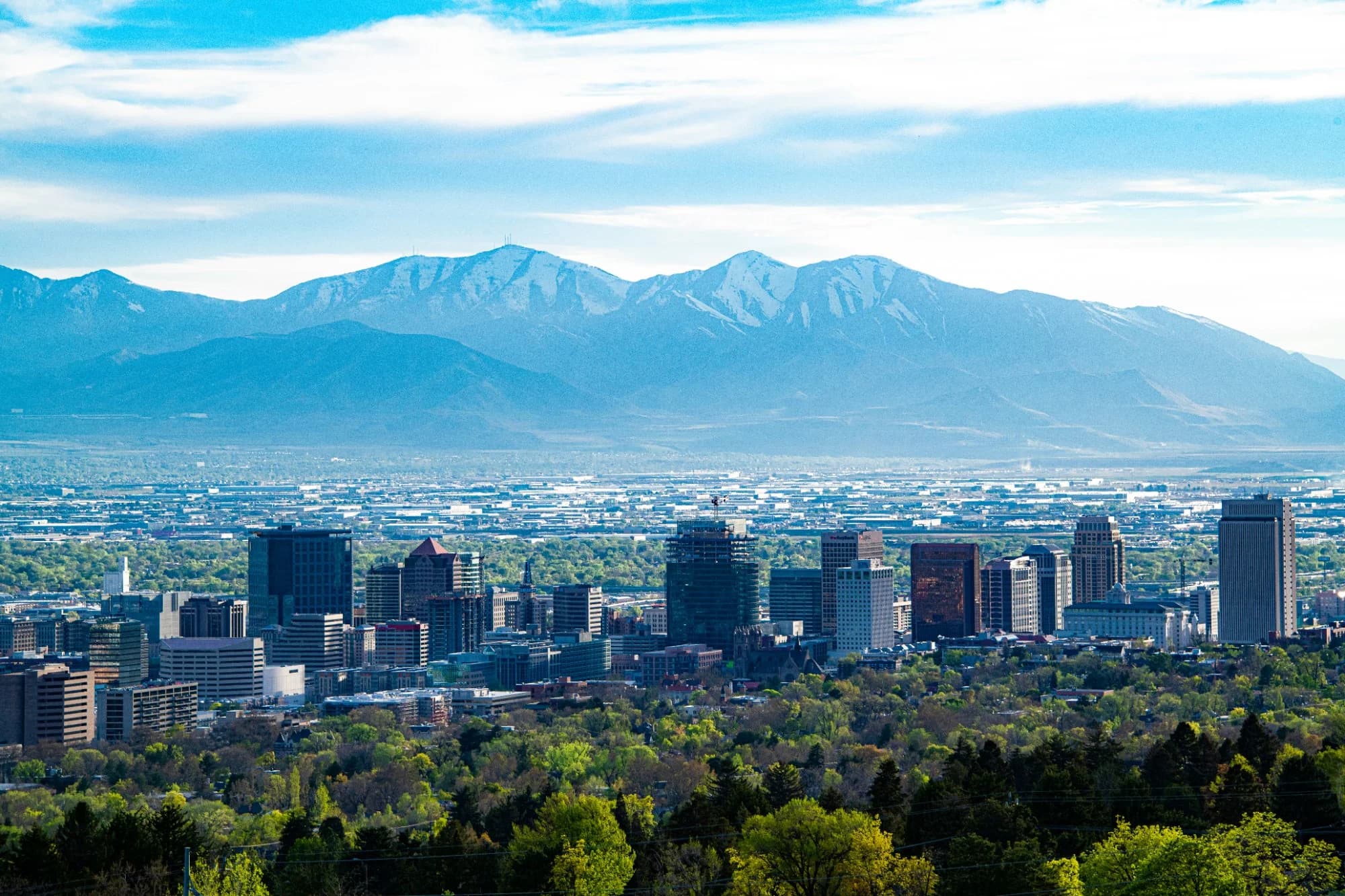
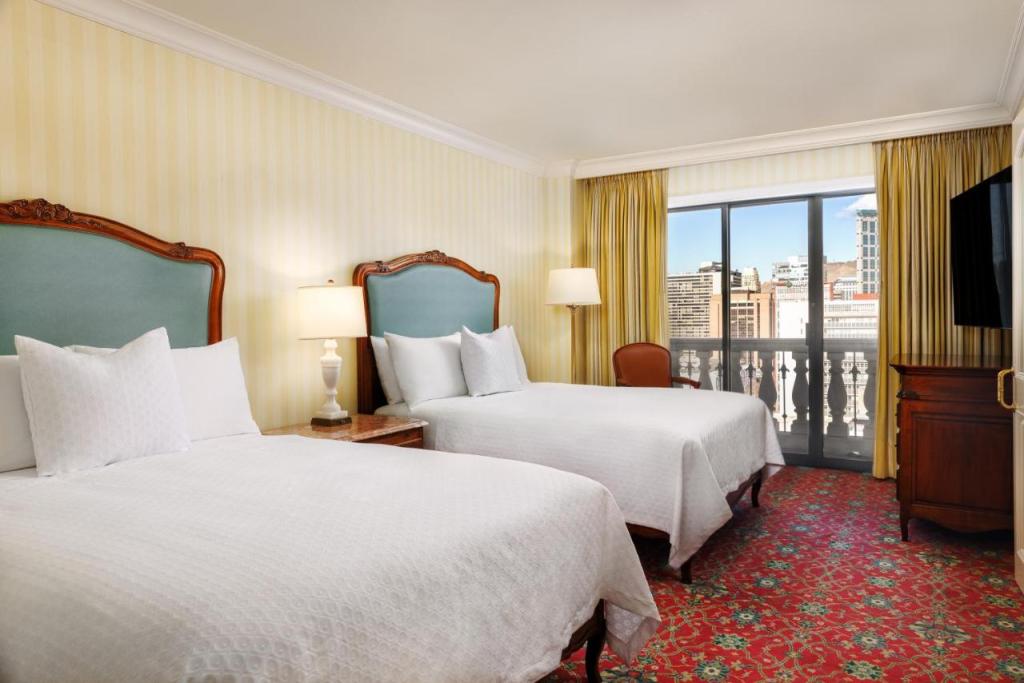
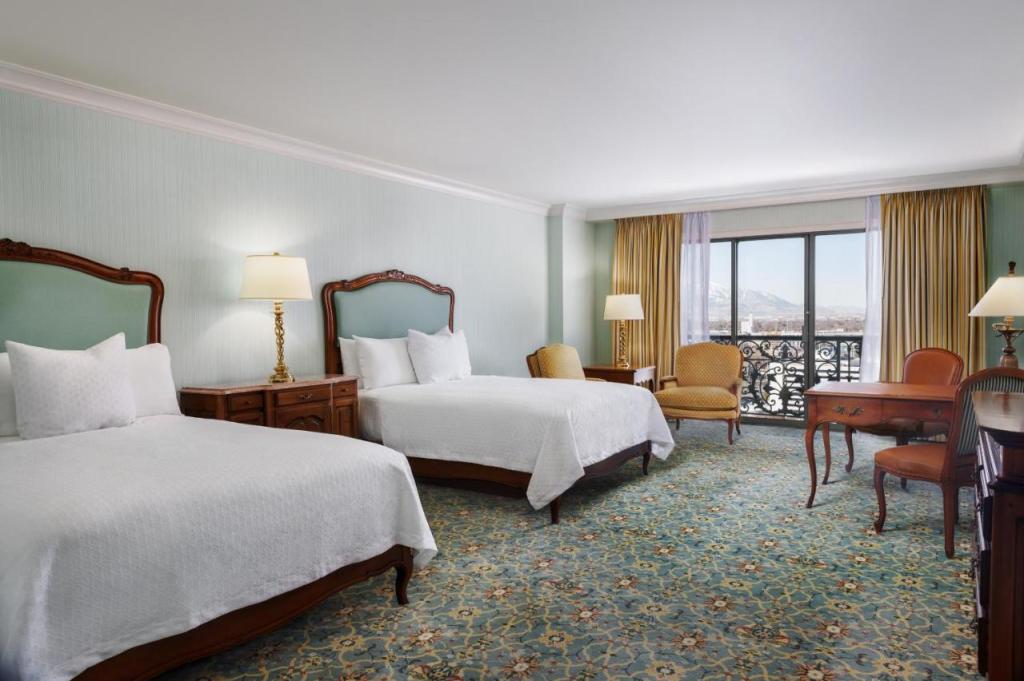
At the suite level, travelers should expect generous square footage by American city standards, given that Salt Lake City does not face the spatial constraints of Manhattan or San Francisco. Mountain-facing rooms and suites are a meaningful consideration: the Wasatch Front provides a dramatic backdrop, and properties that have oriented their premium inventory toward this exposure offer a visual context that is genuinely distinctive. Amenities typically include dedicated concierge access, in-suite dining programs, and in the better properties, partnerships with local outfitters for guided alpine experiences.
How to choose the best luxury suite in Salt Lake City
Define your orientation: urban or alpine
The fundamental choice in Salt Lake City is whether the suite functions primarily as an urban base or as a staging point for mountain activity. These are not mutually exclusive, but they inform which properties and which floor plans serve the stay best. A traveler arriving for business meetings and an evening at the Utah Opera requires different infrastructure than one arriving to ski four days in Snowbird or Alta before a return flight. Be precise about this before committing to a property.
Consider the view configuration carefully
Not all suites in a given property face the mountains. In a city where the topographic backdrop is one of the defining sensory experiences, confirming the orientation of your suite before booking is essential. Properties in the downtown core vary considerably in how their premium inventory is distributed across east-facing and west-facing rooms. West-facing suites offer views toward the Great Salt Lake, particularly striking at dusk. East-facing suites present the Wasatch Range directly.
Evaluate the season against your priorities
Winter rates at premium properties are higher, but the experience of arriving at a well-configured suite after a day on the Cottonwood Canyon terrain is specific to this destination and this season. Summer stays offer more flexibility, lower rates, and access to a different set of experiences. Shoulder season, particularly October, combines the color of the Wasatch oak brush with reduced demand at most properties.
Why a curated selection makes sense for Salt Lake City
Salt Lake City's hotel market includes a wide range of properties, and the distance between a genuinely well-configured luxury suite and a standard room marketed with premium language is significant. The city is not yet as legible to international luxury travelers as comparable mountain destinations in Colorado or Switzerland, which means the information environment is noisier and less curated. La Suite's approach to this market applies the same editorial standards used across the broader North America portfolio: every property is assessed on the actual quality of its suite inventory, not on brand recognition alone. For a market that is still establishing its luxury identity, this distinction matters. The curated selection by La Suite removes the interpretive work from the traveler's process and identifies the configurations that deliver at the level this audience expects.