Understanding Sonoma wine country as a luxury destination
Best areas to stay in Sonoma wine country
Healdsburg and Dry Creek Valley
Healdsburg has consolidated its position as Sonoma's most refined hospitality node. The town square is compact and walkable, anchored by wine-focused restaurants, independent galleries, and tasting rooms representing some of the county's most respected labels. Dry Creek Valley, just minutes away, produces Zinfandel and Cabernet Sauvignon on benchland vineyards with a long agricultural history. Staying near Healdsburg places guests within range of both the Alexander Valley AVA to the east and the Russian River Valley to the south, making it a practical and atmospheric base.
Sonoma Valley and the Valley of the Moon
The southern end of Sonoma County carries a different character. The town of Sonoma itself is built around a historic plaza and retains a quieter, more residential pace than Healdsburg. The surrounding valley, sometimes called the Valley of the Moon after Jack London's name for it, includes older estates, historic missions, and vineyards that produce Chardonnay and Pinot Noir in a warmer microclimate than the Russian River. Properties in this corridor tend toward the historic and the estate-like, with an emphasis on grounds, mature gardens, and architectural continuity.
The Sonoma Coast and Bodega Bay
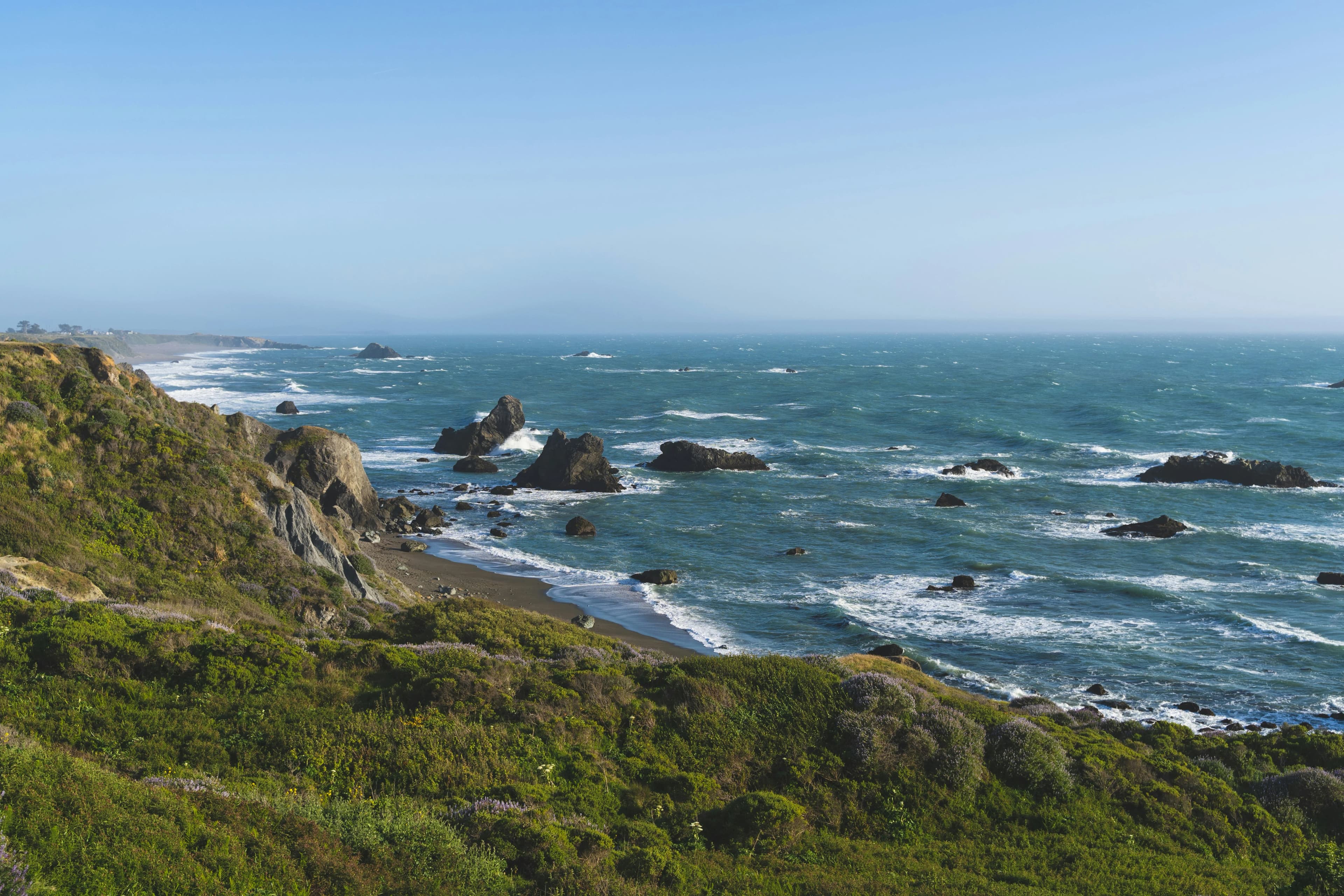
The Pacific coastline west of Santa Rosa introduces a sharply different sensory register. Fog is persistent from May through July, temperatures are cooler year-round, and the landscape alternates between open bluffs, protected coves, and redwood forest. The Sonoma Coast AVA is one of the coldest in California and produces Pinot Noir and Chardonnay of notable precision. Luxury accommodation along this stretch tends toward the intimate and architecturally restrained, prioritizing views, materials, and proximity to the coast over scale.
Russian River Valley
This AVA is the primary source of Sonoma's most critically regarded Pinot Noir and Chardonnay. The valley floor benefits from consistent fog intrusion through the Petaluma Gap, creating a long, cool growing season. The town of Guerneville sits at its center, with a casual, independent character that suits travelers who prefer atmosphere over amenity density. Properties in this area are typically smaller, with an emphasis on landscape integration and direct access to vineyards and redwood groves.
When to visit Sonoma wine country
The most desirable window for visiting Sonoma wine country runs from late April through October. Spring brings mild temperatures, wildflowers across the hills, and the first releases of the previous vintage. Summer is warm and dry in the interior valleys, though coastal areas remain cool and fog-bound through July. The harvest period, roughly late August through October depending on the varietal and AVA, is the most atmospheric and the most sought-after by wine-focused travelers. Crush season introduces a sensory and logistical intensity to the region: tractors run at dawn, cellar doors are active, and producers often host invitation-only events for collectors. Suite inventory in Healdsburg and the Sonoma Valley tightens considerably during September and October, and advance planning of several months is standard for this period. Winter and early spring offer off-season pricing, uncrowded tasting rooms, and a moody, rain-softened version of the landscape that suits a certain kind of traveler.
Local luxury standards: what to expect from top-tier suites in Sonoma
California does not operate a formal hotel classification system equivalent to France's Palace designation or Italy's leading historic property categories. Quality assessment in Sonoma relies on a combination of independent rating bodies, editorial recognition, and the structure of the property itself. The most authoritative benchmarks include Forbes Travel Guide star ratings and Relais and Chateaux membership, both of which carry specific standards for service consistency, spatial quality, and culinary program. Several Sonoma properties hold one or both designations.
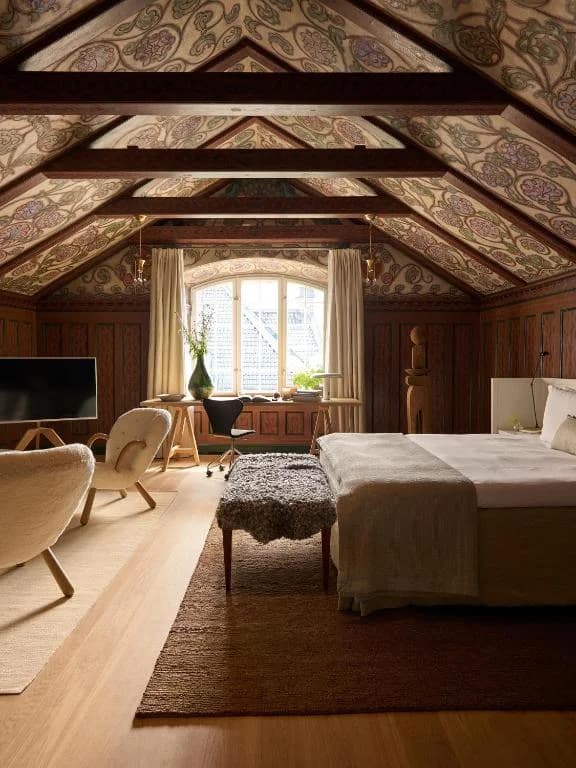
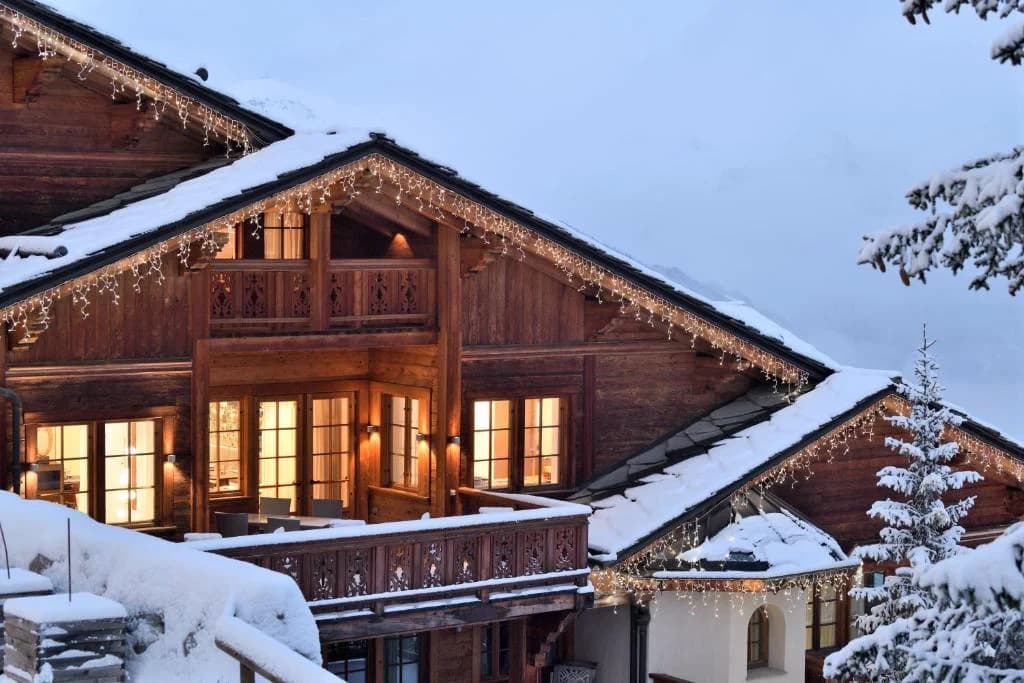
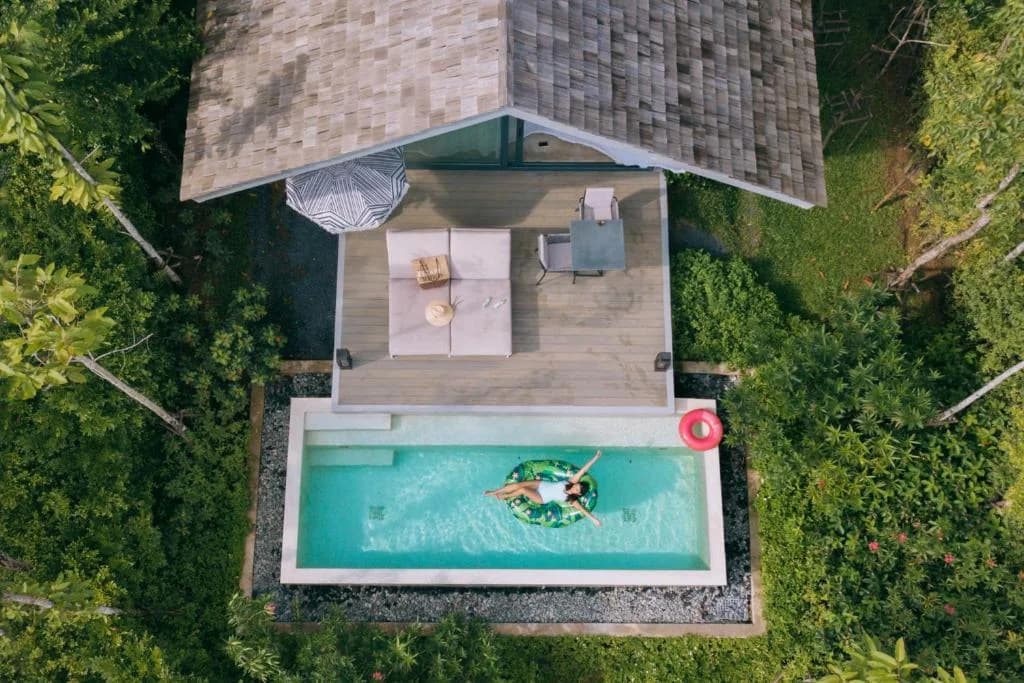
At the suite level, the defining characteristics in this region are outdoor integration, material quality, and privacy. The best suites feature private terraces or patios with direct vineyard or garden views, fireplaces for use across the cooler months, and bathrooms built around soaking tubs and outdoor showers where the architecture permits. Many of the leading properties operate their own estate vineyards and offer suite guests privileged access to barrel tastings, library releases, or private harvest experiences not available through public channels. Service ratios at the top end of the market are high, and the expectation of personalized planning assistance, from cellar allocation to private chef dinners, is well-established.
How to choose the right luxury hotel suite in Sonoma wine country
The primary distinction to resolve before selecting a property is the tension between accessibility and seclusion. Healdsburg-based properties offer walkability to restaurants, wine bars, and the town square, which suits travelers who want the option of spontaneous evening plans. Estate properties set within vineyards, particularly those in the Dry Creek Valley or Alexander Valley, provide a more contained and quiet experience, with on-site dining and fewer reasons to leave the grounds. The two models are genuinely different and the choice should reflect how a guest intends to structure their days.
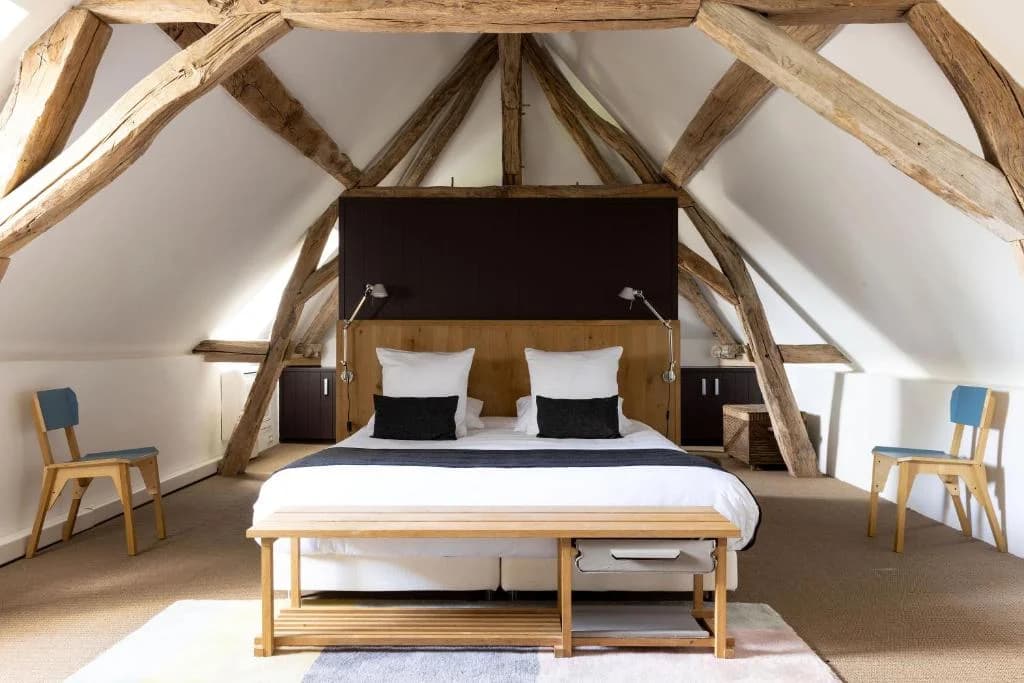
Architecture is a second meaningful variable. Sonoma's luxury inventory spans adaptive reuse of historic ranches and farmhouses, purpose-built modern structures with an emphasis on glass and natural materials, and a smaller category of mission-adjacent or Victorian properties in the town of Sonoma. Travelers with a preference for contemporary spatial design will find the most concentrated offer in and around Healdsburg. Those drawn to layered historical character and garden-scale landscapes will find more to engage with in the southern valley.
Suite size matters in a region where private outdoor space is often as important as the interior footprint. Confirm the orientation of terraces relative to vineyard or garden views, whether fireplaces are wood-burning or gas, and the degree of acoustic separation from other guest areas. For families or groups traveling together, a number of Sonoma properties offer cottage or bungalow configurations that function as self-contained suites with separate living and sleeping areas.
The value of a curated selection in Sonoma wine country
Sonoma's luxury accommodation market is not large by international standards, but it is uneven. A handful of properties meet a genuine standard of suite design, service depth, and experiential programming. A larger number are positioned at the premium end of the leisure market without the spatial quality or hospitality rigor to justify that positioning for the traveler who has stayed at a meaningful reference point elsewhere. The difference is not always visible in marketing materials or rate cards.
La Suite's curated selection of luxury hotel suites in Sonoma wine country is assembled around a specific set of criteria: suite-level spatial quality, outdoor integration, material and design coherence, and service that extends to substantive wine access and culinary programming. For a region where the best experiences are often structured rather than spontaneous, arriving with a shortlist of properties that have already been evaluated against those criteria is a practical advantage. The curated selection by La Suite removes the cost of a poorly placed or undersized room in a destination where the right base is foundational to everything else.