





Colombia
Hotels with luxury suites in Colombia
Colombia's geography is its defining characteristic, and each major region presents a distinct hospitality register for the discerning traveler.
The regions of Colombia best suited to luxury suite travel
Cartagena and the Caribbean coast
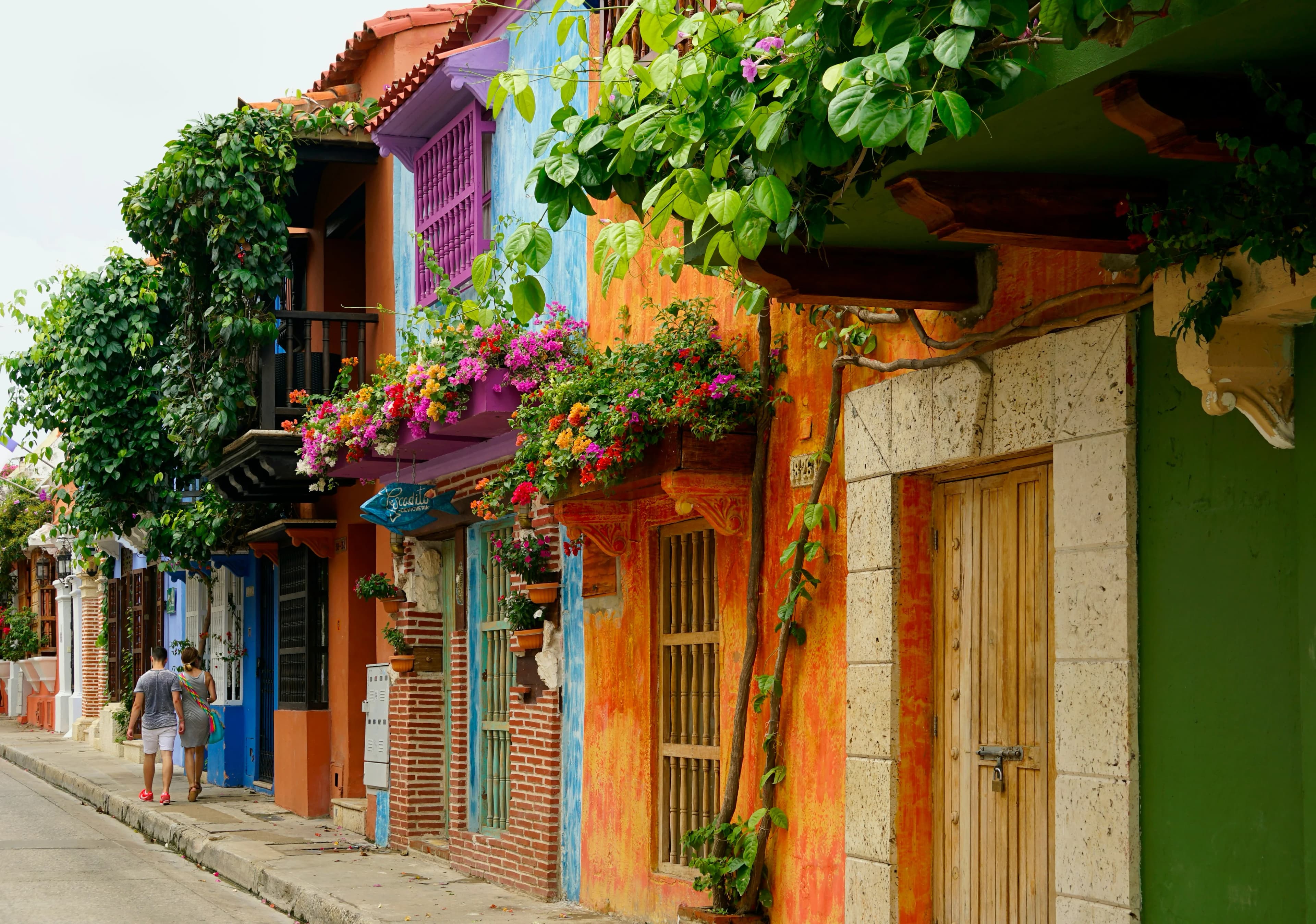
Cartagena de Indias is the country's most internationally established luxury destination. The walled city, a UNESCO World Heritage site, concentrates a remarkable density of boutique properties within converted colonial mansions. These buildings, known locally as casas grandes, feature interior courtyards, thick stone walls that moderate the Caribbean heat, and a compressed, almost theatrical sense of space. Suite accommodations here tend toward intimacy over scale, with architectural detail, private terraces, and proximity to the old city's cultural fabric doing the work that square footage does elsewhere. The Rosario Islands and Barú Peninsula extend the coastal offer into more remote, water-access-only territory.
Medellín and the Antioquia region
Medellín has undergone one of the more documented urban transformations in Latin America over the past two decades. The city now operates as a credible design and innovation hub, and its hotel offer reflects that self-image. Properties here tend toward contemporary architecture, urban positioning, and a proximity to the city's gallery, restaurant, and cultural infrastructure. The surrounding Antioquia countryside, particularly the El Retiro and Guatapé corridors, offers a contrasting rural luxury register: converted farmhouses, elevated valley views, and a quieter pace calibrated to weekend escapes from the city.
The Coffee Region (Eje Cafetero)
The departments of Caldas, Risaralda, and Quindío form the Eje Cafetero, recognized by UNESCO for its cultural landscape. Hacienda hotels here occupy working or former coffee estates and represent the country's most distinctly local luxury format. The architecture is vernacular Antioquian: timber construction, bahareque walls, colonnaded corridors, and gardens planted with species that have occupied these slopes for generations. This is landscape-integrated luxury, calibrated to immersion rather than spectacle.
Bogotá
As the national capital at 2,600 meters altitude, Bogotá operates on a different register from the country's coastal and rural properties. The city's luxury hotel concentration sits primarily in the Zona Rosa and Chicó neighborhoods, where proximity to financial centers, galleries, and high-end restaurants makes suite accommodations a practical as much as an aesthetic choice. The altitude itself is a consideration: the climate is cool and consistent year-round, a fact that shapes the interior design logic of properties here, which lean toward warmth of material and palette.
When to visit Colombia for a luxury suite stay
Colombia sits near the equator and does not follow the conventional four-season model. Each region operates on its own precipitation calendar, which has direct implications for travel planning.
Cartagena's driest and most climatically stable period runs from December through April, which coincides with peak international demand and the highest suite rates. The Hay Festival Cartagena, held each January, draws a significant literary and cultural audience and compresses availability in the walled city considerably. Booking well in advance for this window is not optional at the top tier.
The Coffee Region and Antioquia experience two dry seasons annually: December to February, and June to August. These windows offer the most reliable conditions for outdoor activity and estate visits. The Feria de las Flores in Medellín, held each August, is one of the country's most significant cultural events and brings notable demand to the city's better properties.
Bogotá's climate is consistent across the year, with afternoon rain a near-daily occurrence during the wetter months of March to May and October to November. For business travelers or those using the capital as a base for regional exploration, the season is a secondary consideration.
Local luxury standards: what defines a top-tier suite in Colombia
Colombia does not operate a formal luxury classification equivalent to France's Palace designation or Spain's Gran Lujo category. The country uses a standard star-rating system administered by the national tourism authority, but the top tier of the market has largely moved beyond these designations as a meaningful signal of quality.
The most reliable markers of suite quality in Colombia tend to be property-specific rather than system-wide. For urban properties, look for direct affiliations with international luxury collections (Leading Hotels of the World, Relais and Châteaux, or comparable) alongside independently operated boutiques with strong regional reputations. For rural and hacienda properties, the age and authenticity of the estate, the degree of architectural conservation, and the ratio of staff to guests are more instructive than any rating system.
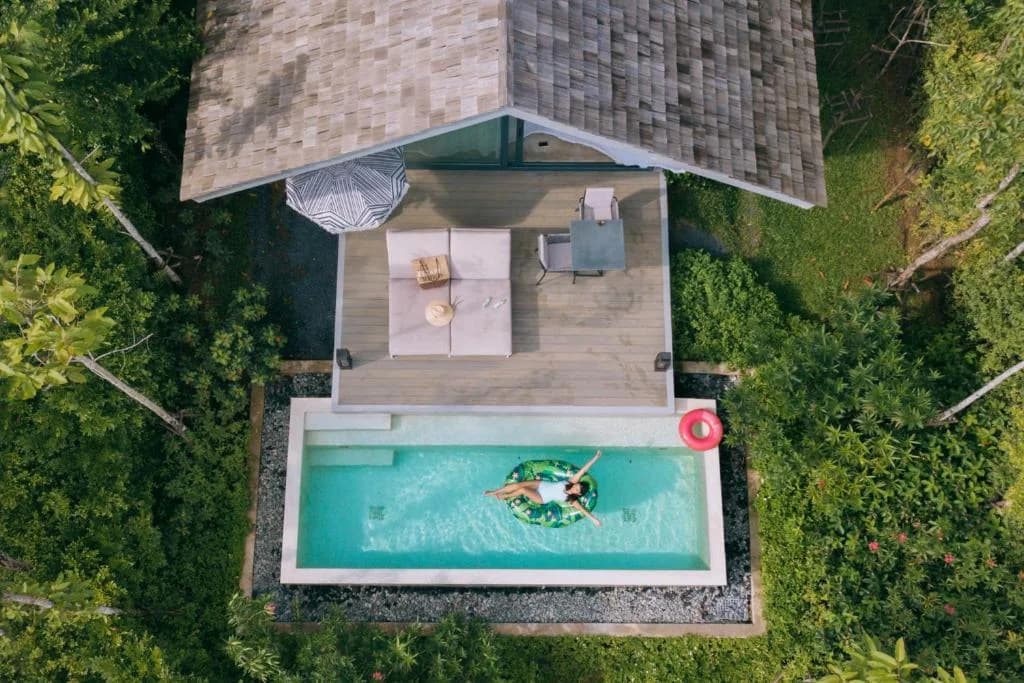
Suite offerings in Colombia's finest properties typically include: private terraces or balconies calibrated to the surrounding landscape, locally sourced materials in the interior architecture, access to private pools or gardens, and a food and beverage program grounded in regional ingredients. The country's biodiversity translates directly into the quality and originality of its culinary offer at the top end.
How to choose the right suite in Colombia
The choice between Colombia's distinct accommodation typologies should be driven by the character of travel rather than a uniform preference for scale or brand recognition.
For travelers whose primary interest is cultural and urban engagement, Cartagena's boutique colonial properties or Bogotá's contemporary urban hotels represent the most coherent choices. The former delivers architectural immersion and walkable access to the old city; the latter provides efficiency and proximity to the country's most active arts and gastronomy scenes.
For travelers seeking landscape and quiet, the Coffee Region's hacienda format is without direct comparison in the country. These properties work best as multi-night stays of three to five days, allowing the rhythm of the estate and its surroundings to become legible. The Antioquia countryside offers a shorter-format rural retreat option, accessible from Medellín within an hour.
Practical considerations specific to Colombia include altitude acclimatization for Bogotá and the Coffee Region, which sits between 1,400 and 2,200 meters. Properties in these areas typically advise guests on the first day. Internal flight connections are well developed, and the country's major hubs (Bogotá, Medellín, Cartagena, Cali) are all served by international routes, giving travelers flexibility in constructing multi-region itineraries.
Why a curated selection by La Suite is the right starting point for Colombia
Colombia's luxury accommodation market is genuinely heterogeneous. The distance between a property marketing itself as boutique luxury and one that delivers it at the level expected by a traveler with serious reference points can be considerable. This gap is not always apparent from standard booking platforms, where photography and category labels do limited work.
La Suite approaches Colombia with the same editorial discipline applied across its entire portfolio. Each property is assessed on spatial quality, architectural coherence, the specificity of its local positioning, and the consistency of its guest experience. The result is a curated selection that removes the research burden and reflects the standards of a traveler for whom the suite is the experience, not merely its frame.
Frequently asked questions
What are the best areas in Colombia for luxury suite hotels?
Cartagena's walled city offers the most established luxury boutique concentration, while Medellín provides a contemporary urban alternative with a strong design culture. The Coffee Region's hacienda properties represent the country's most distinctly local luxury format, set within UNESCO-recognized cultural landscape.
When is the best time to book a luxury hotel suite in Cartagena?
The driest and most climatically stable period in Cartagena runs from December through April, which also represents peak international demand. The Hay Festival in January compresses availability significantly, so reservations at the top-tier properties in the walled city should be made several months in advance.
What makes a hacienda hotel in Colombia's Coffee Region different from other luxury hotels?
Hacienda hotels in the Eje Cafetero occupy working or former coffee estates with vernacular Antioquian architecture: timber construction, bahareque walls, and multi-generational gardens. The format prioritizes landscape integration and immersion in a specific agricultural and cultural heritage, rather than the amenity-driven model common to urban luxury properties.
Is Colombia a suitable destination for high-end travelers looking for private and secluded suites?
Yes, particularly in the Coffee Region, the Antioquia countryside around El Retiro, and the more remote coastal access points near Cartagena such as the Barú Peninsula. These areas offer a high degree of privacy, limited density of development, and an intimate guest-to-staff ratio at the better properties.
What is the altitude like in Bogotá and how does it affect a luxury hotel stay?
Bogotá sits at approximately 2,600 meters above sea level, and altitude effects (mild fatigue, headache, or breathlessness) are common on arrival, particularly for guests traveling from sea level. Top-tier properties in the city are well accustomed to managing this and typically advise guests on pacing their first day, with some offering supplemental oxygen on request.
Are there internationally affiliated luxury hotel collections present in Colombia?
Yes, several properties in Cartagena and Bogotá carry affiliations with Leading Hotels of the World, Small Luxury Hotels of the World, or Relais and Châteaux. These affiliations provide a useful benchmark for international travelers, though some of the country's finest independent boutiques operate without any formal collection membership.
How does the luxury hotel offer in Medellín compare to Cartagena?
Medellín's luxury properties lean toward contemporary architecture, urban positioning, and proximity to the city's design, gallery, and restaurant infrastructure. Cartagena's offer is centered on boutique colonial conversions within a historic walled city, where architectural character and cultural proximity are the primary differentiators rather than scale or modern amenity.
What should I expect from a luxury suite in a Colombian hacienda in terms of space and design?
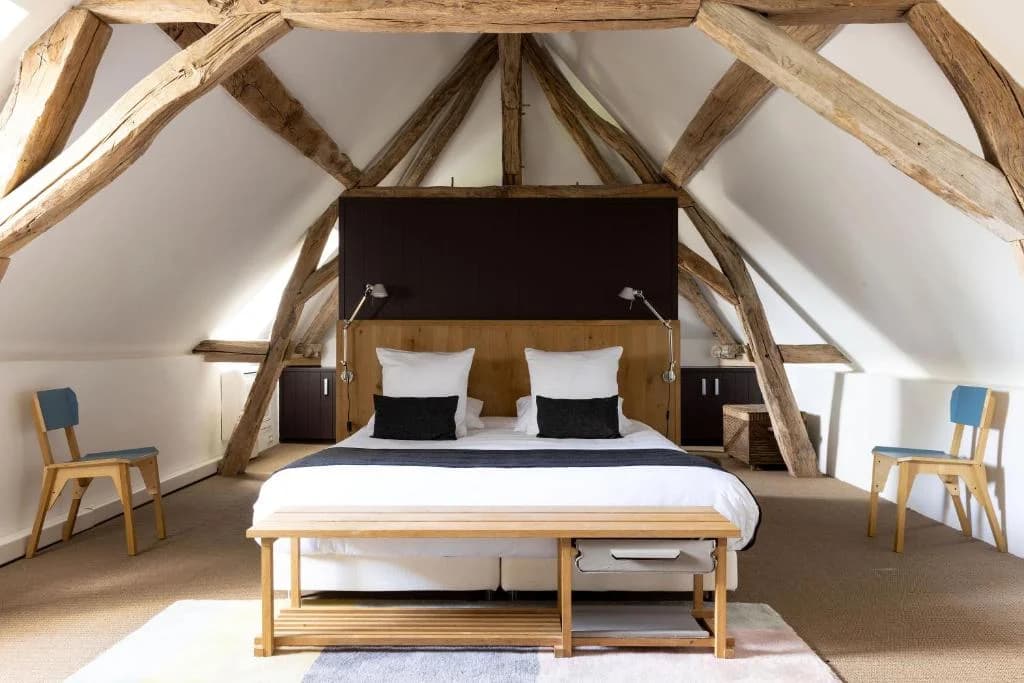
Hacienda suites in the Coffee Region typically feature large private terraces or balconies oriented toward valley or plantation views, interiors using local timber and natural materials, and gardens that are integral to the guest experience. The spatial logic is horizontal and landscape-directed rather than vertical, and the design palette draws directly from the regional vernacular.
Is it practical to combine multiple regions of Colombia in a single luxury trip?
Yes, Colombia's internal flight network is well developed, with frequent connections between Bogotá, Medellín, Cartagena, and Cali. A well-structured itinerary can combine Cartagena's coastal colonial character with the Coffee Region's hacienda format and Medellín's urban offer in ten to fourteen days without significant logistical complexity.
How does La Suite select which luxury hotel suites in Colombia to feature?
La Suite applies a consistent editorial framework across its entire portfolio, assessing each property on spatial quality, architectural coherence, the specificity of its local positioning, and the reliability of the guest experience at the suite level. Properties that market themselves as luxury without delivering at that standard are excluded, regardless of their category or star rating.