
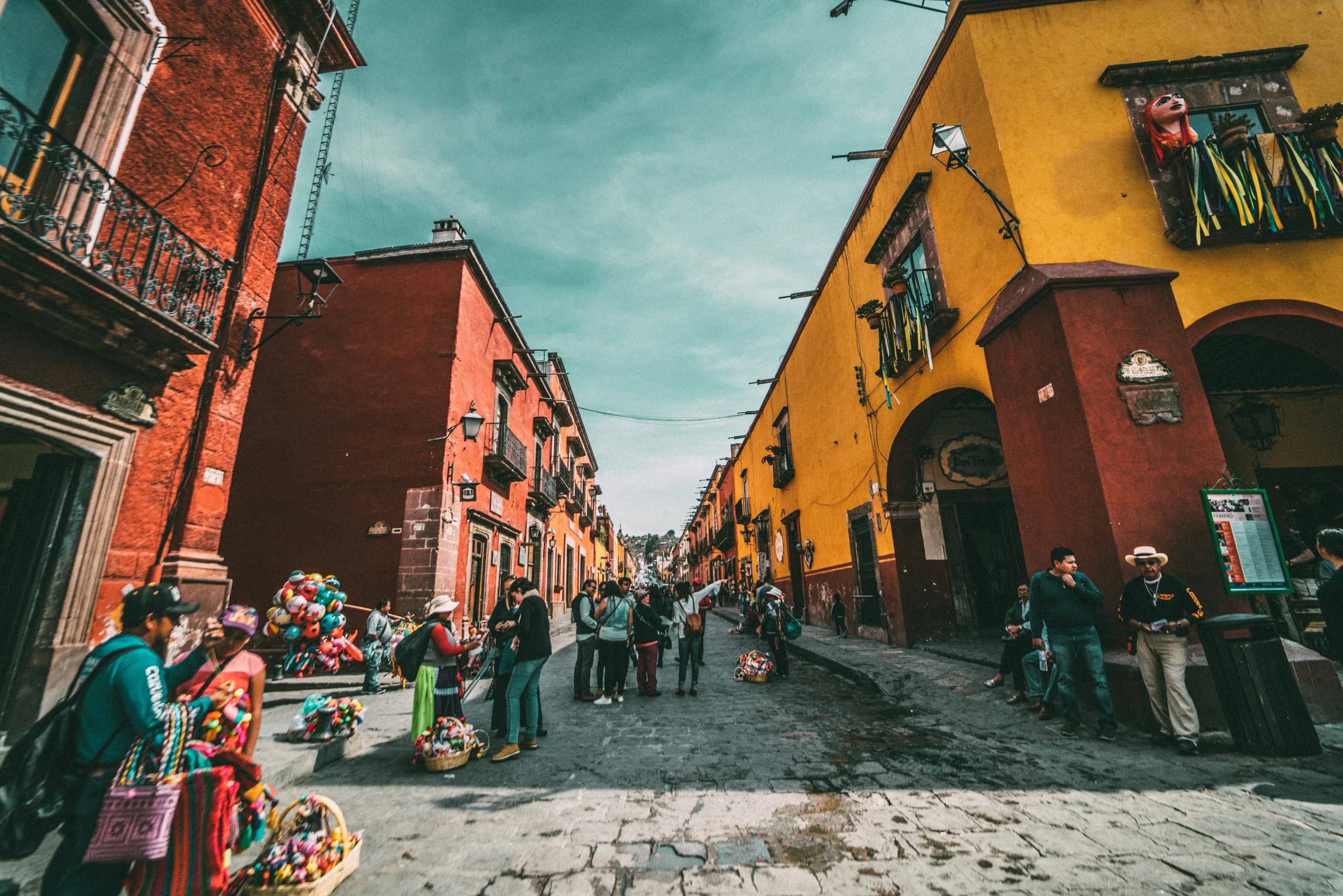
South America
Hotels with luxury suites in South America
South America's geography is so varied that the concept of a single "luxury destination" is almost meaningless. Each region presents a distinct set of conditions, and the most architecturally considered properties are designed around them.
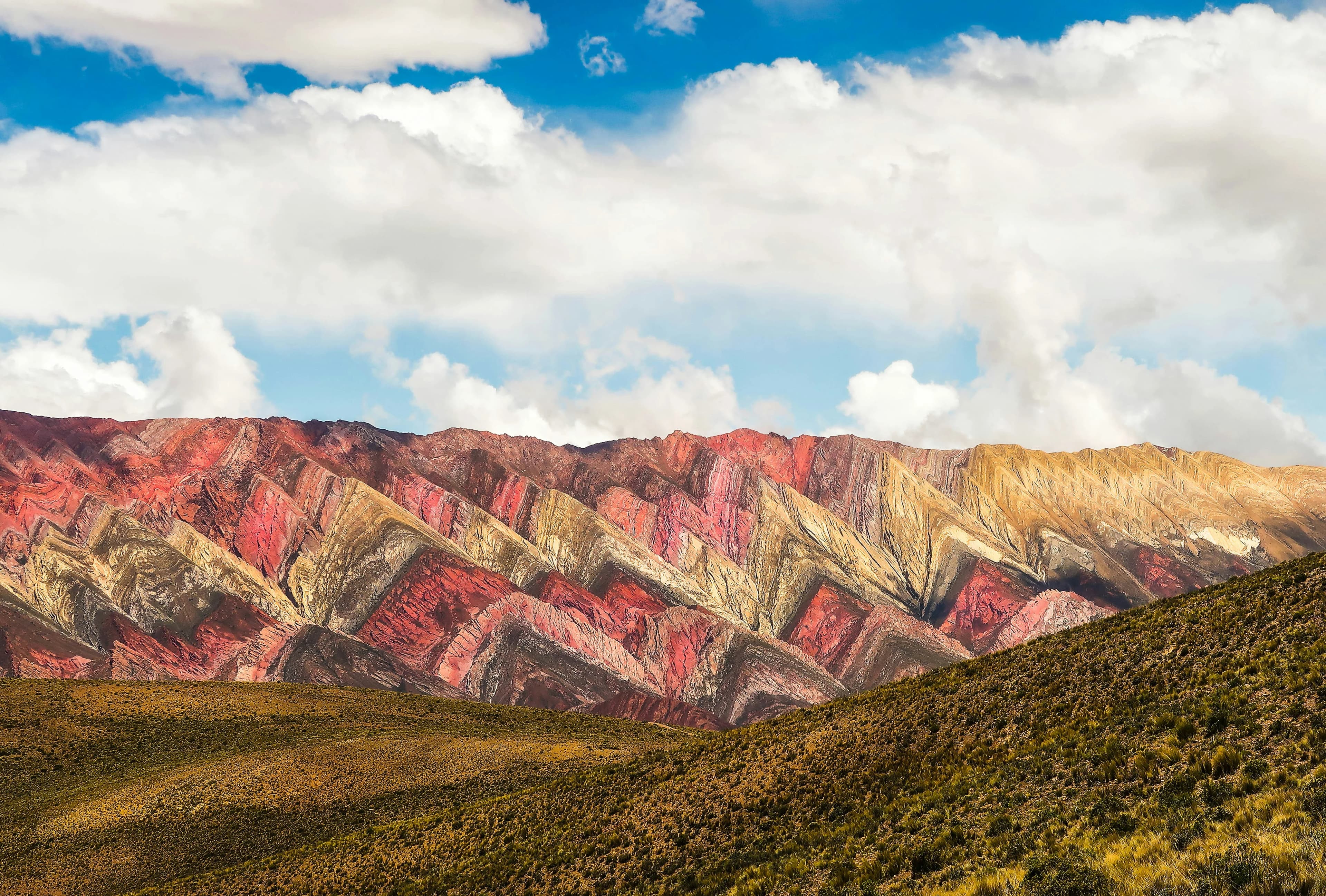
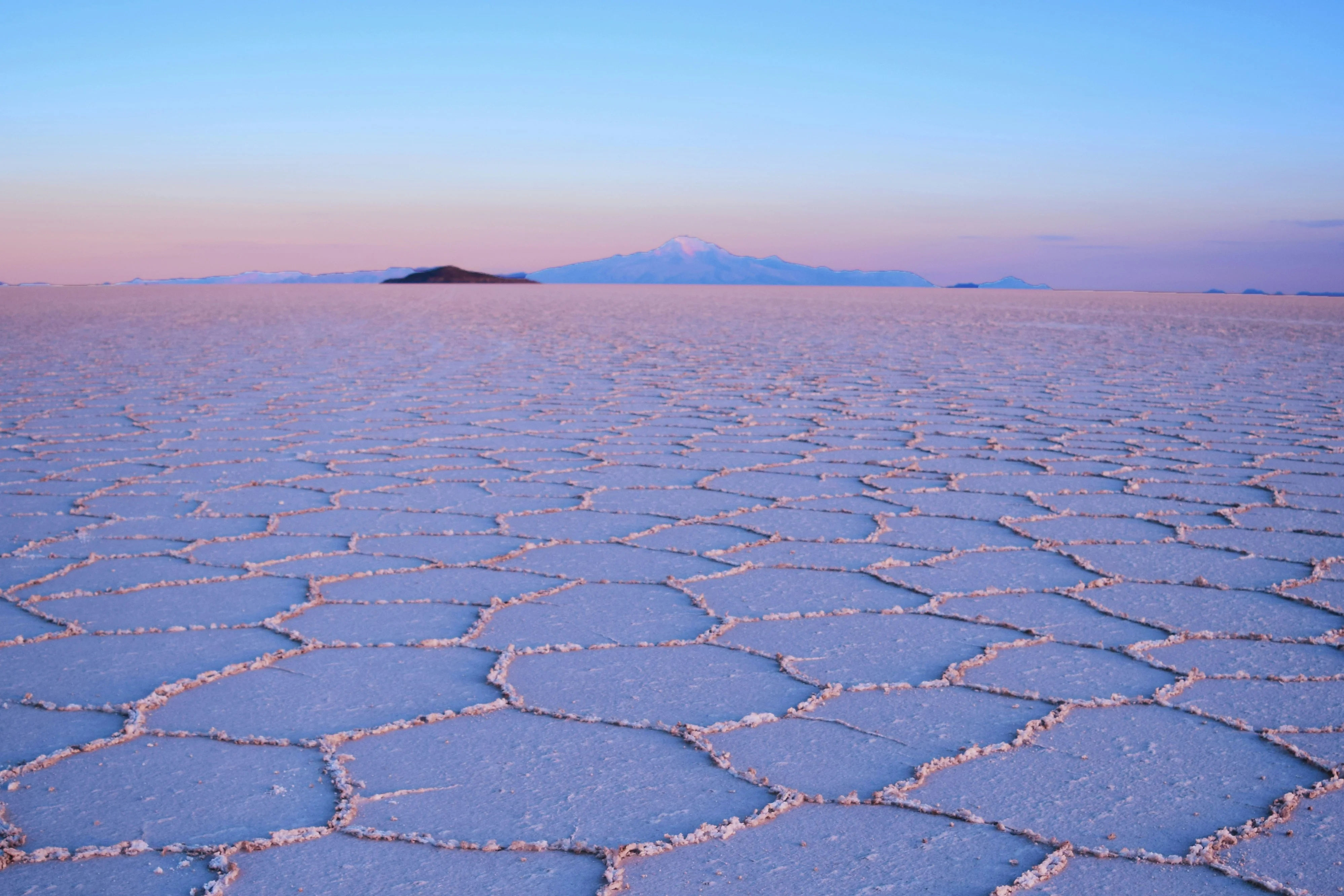
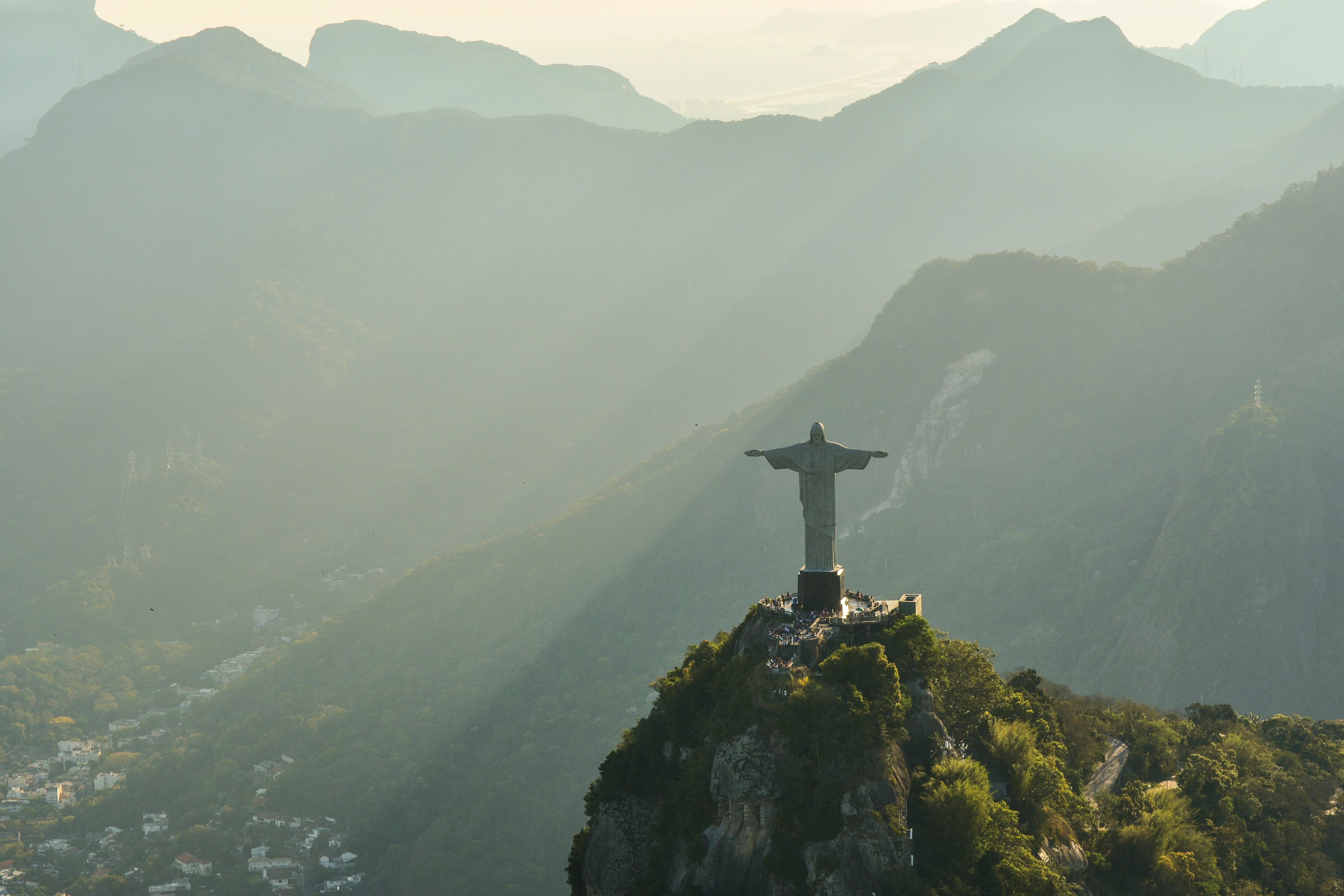
Our latest articles about South America

Rio de Janeiro: Three Addresses, Three Definitions of Exceptional Stays
Between the historic prestige of Copacabana, the international excellence of a five-star hotel facing the Atlantic, and the confidentiality of a guesthouse perched in the heights, Rio de Janeiro offers three distinct geographies of luxury. LaSuite deciphers each address to guide your choice according to your traveler profile.
BY Jules Peulet
Best regions in South America for luxury suite travel
Patagonia: Argentina and Chile
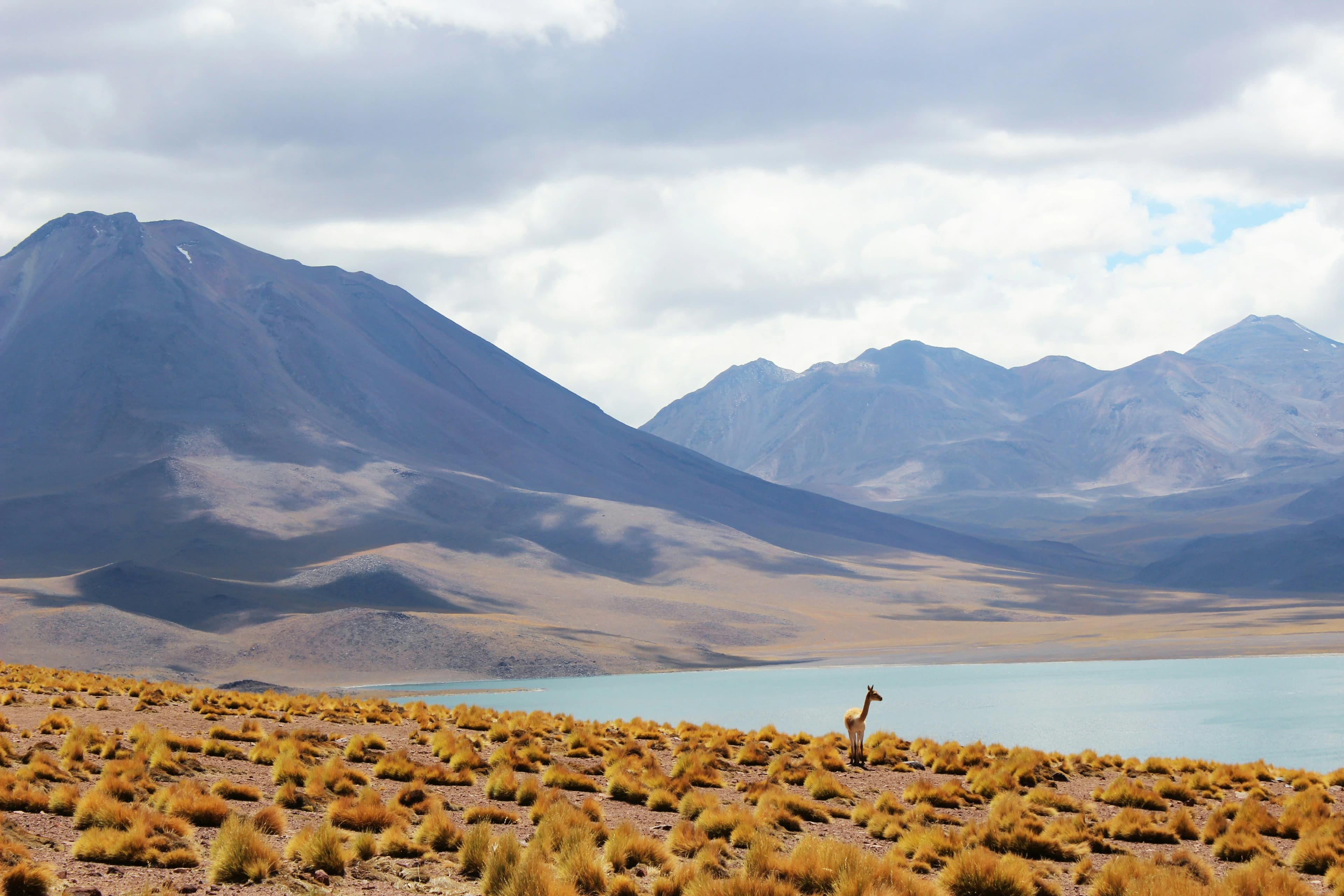
Patagonia remains one of the world's most extreme luxury frontiers. Properties here are designed for thermal performance as much as aesthetics, with floor-to-ceiling glazing oriented toward glaciers and wind-sculpted peaks. The Torres del Paine corridor in Chilean Patagonia and the Los Glaciares region in Argentina both support a small number of exceptional lodge properties. Suite-level accommodation here is almost always the baseline: the scale of the environment makes smaller rooms architecturally incongruous. Expect exposed natural materials, radiant heating, and intentional minimalism.
The Andes: Peru, Bolivia, and northern Argentina
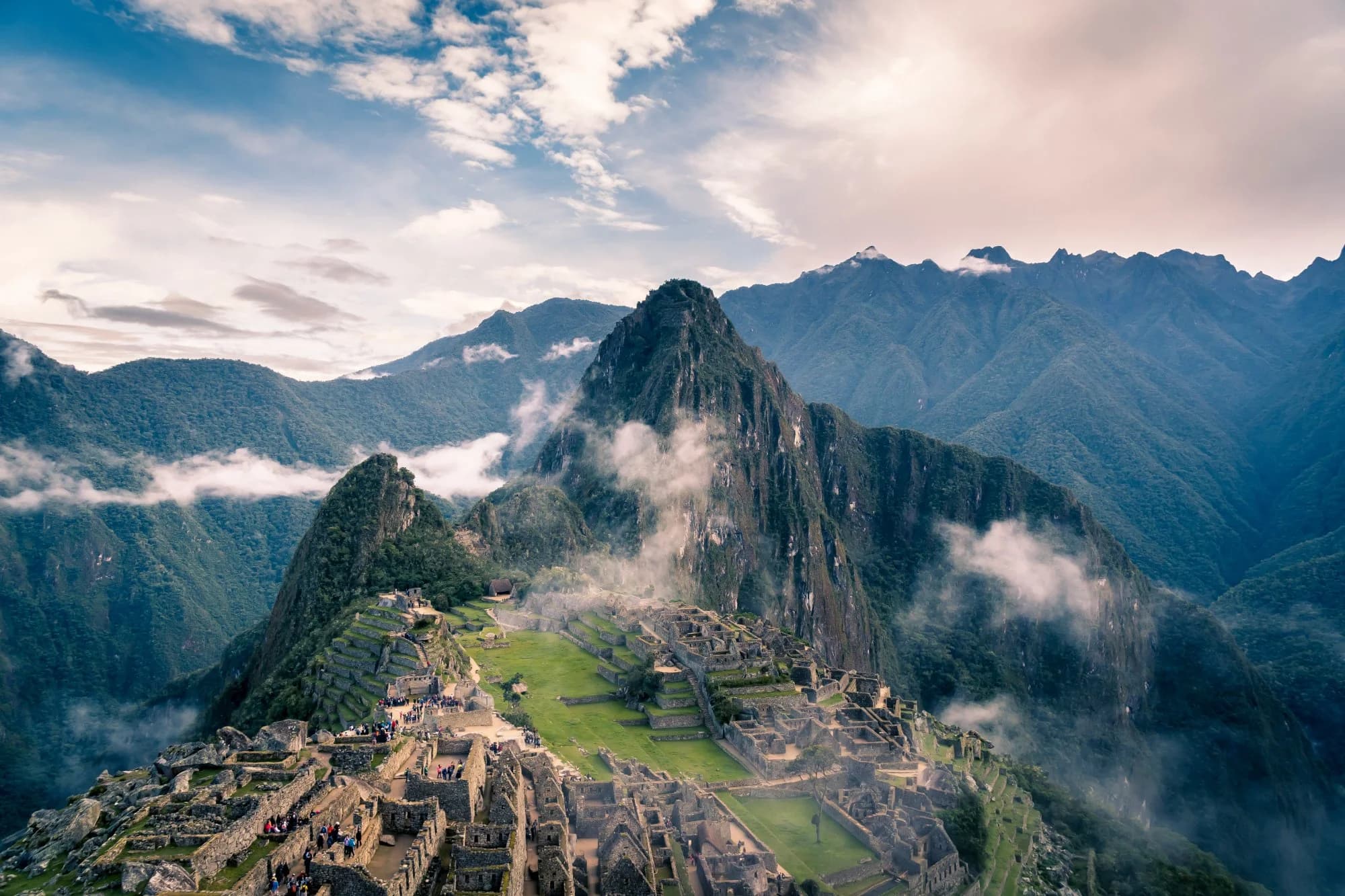
The Andean corridor offers a different register entirely. Altitude is a defining factor: properties in the Sacred Valley of Peru and around Lake Titicaca are positioned at elevations that alter physiology and perception. The finest luxury hotel suites in this zone tend to be converted colonial estates or purpose-built lodges that respect the indigenous architectural vocabulary. Adobe construction, woven textiles, and interior courtyards are common design markers. The sensory experience is muted and precise: thin air, strong light, silence.
The Amazon basin: Brazil, Peru, and Ecuador
Luxury in the Amazon is defined by a paradox: the environment is maximally complex, and the most considered properties respond with restraint. Elevated canopy suites, accessed by boardwalk, are the format that best balances immersion with privacy. Brazil's northern Amazon and the Ecuadorian rainforest both support properties that have invested seriously in low-impact construction and acoustic design. The Amazon should not be approached as a conventional luxury destination: expect humidity, operational complexity, and a sensory intensity that no suite design fully mitigates.
Brazil's coastal corridor
From the cerrado of Bahia to the Atlantic forest above Rio de Janeiro, Brazil's coastline supports a range of high-end properties with distinct architectural identities. The Trancoso and Itacaré areas in Bahia have become reference points for low-density, design-led hospitality. Properties here work with the landscape rather than against it: open structures, natural ventilation, and local materials are standard. Suite-level stays on the Brazilian coast tend to reward guests who value spatial generosity over formal hotel services.
When to visit South America for a luxury suite stay
South America's sheer latitudinal range means that seasonality is never uniform across the continent. Patagonia is best visited between November and March, when wind conditions are relatively stable and daylight hours are long. The Andean dry season runs from May to October across Peru and Bolivia, making this the optimal window for high-altitude travel. The Amazon has no ideal season in the conventional sense: the wet season (roughly November to April) raises river levels and opens canoe access to areas unreachable in the dry months, while the dry season (May to October) reduces humidity and insect density. Brazil's northeastern coast is most accessible between September and March. Carnival in Rio de Janeiro (February or March, depending on the year) generates significant demand across all price points: suite availability contracts sharply during this period, and advance planning of several months is advisable.
Understanding luxury standards in South America
South America does not operate within a single hospitality classification framework. The "five-star" designation means different things in Buenos Aires, Lima, and São Paulo. What matters more is understanding the local prestige categories that carry genuine editorial weight.
In Brazil, the ABIH classification system exists but is less authoritative than international operator affiliations. Properties associated with the Leading Hotels of the World, Relais and Chateaux, or Small Luxury Hotels of the World carry more reliable signals of suite-level quality. In Peru, a small number of hacienda-style properties in the Sacred Valley have established their own standards, largely independent of national classification systems. In Argentina, the concept of the estancia is central to luxury hospitality outside Buenos Aires: working cattle and sheep farms that have been converted into high-end guest properties, where suite accommodation is woven into a domestic architectural language rather than a hotel one. Chile's high-end lodge sector has developed rigorous operational standards, partly driven by the demands of international conservation tourism.
Across the continent, service culture varies more than in Europe or Southeast Asia. The most consistent properties are those with long-standing international affiliations or owner-operated structures where quality control is personal and continuous.
How to choose the best luxury suite in South America
The single most important variable when selecting a luxury suite in South America is the relationship between the property and its landscape. This is not a continent where urban hotel suites dominate the high-end category. The properties that define excellence here are almost always positioned in relation to a specific natural environment, and suite selection should start with that environment.
Consider the following practical criteria. First, accessibility: reaching the most exceptional properties often involves private charter flights, small aircraft, or multi-hour road transfers. Suite pricing should be evaluated in the context of total journey cost and logistics. Second, altitude sensitivity: properties above 3,000 metres require guests to allocate acclimatisation time, and the finest Andean properties design their itineraries around this. Third, seasonality alignment: booking a Patagonian lodge in June or a Bahian coastal property in the low-humidity months fundamentally changes the experience.
In terms of suite typology, the South American market rewards guests who prioritise spatial orientation over room category. A junior suite positioned toward the glacier is a more considered choice than a standard suite facing the car park. Reviewing the architectural plans or floor-level layouts of a property before booking is a discipline that pays consistent dividends here.
Why a curated selection by La Suite matters in South America
South America's luxury hotel market is genuinely difficult to navigate. The density of exceptional properties is lower than in Europe or Southeast Asia, the geographical spread is enormous, and the quality signal-to-noise ratio is poor. Marketing spend does not correlate reliably with suite quality here, and some of the most architecturally considered properties operate with minimal digital presence.
La Suite approaches South America as an editorial project rather than a listing exercise. Each property in the selection has been assessed against a consistent set of architectural, spatial, and experiential criteria. The curation is designed to answer a specific question: which suites in this continent justify the journey? The answer changes as the market evolves, and the selection is updated accordingly. For travelers who are allocating significant time and resources to a South American stay, the curated selection by La Suite functions as a validated shortlist, removing the considerable friction of independent research in a fragmented and geographically complex market.
Frequently asked questions
What are the best luxury hotel suites in Patagonia?
Patagonia's finest luxury suites are concentrated in the Torres del Paine corridor in Chile and the Los Glaciares region in Argentina. The most considered properties are lodge-format, with suite-level glazing oriented toward glaciers or granite peaks. Availability is limited and demand from November to March is high, making early reservation essential.
When is the best time to book a luxury suite in South America?
Timing depends entirely on the region: Patagonia peaks between November and March, the Andes are best from May to October during the dry season, and Brazil's northeastern coast is optimal from September to March. Rio de Janeiro's Carnival period compresses suite availability dramatically, so bookings during that window require several months of lead time.
What is the difference between an estancia and a standard luxury hotel in Argentina?
An estancia is a working or semi-working farm estate, typically in the Pampas or Patagonian steppe, that has been converted into a guest property. The architecture is domestic rather than institutional, and suite-level rooms are integrated into a residential scale. The service model is more personal and less formal than a conventional luxury hotel, and the experience is oriented around land, horses, and landscape rather than amenities.
Are luxury suites available in the Amazon rainforest?
A small number of properties in the Brazilian and Ecuadorian Amazon offer suite-level accommodation, typically in the form of elevated canopy units accessed by boardwalk. These are purpose-built for low-impact immersion and prioritise acoustic privacy and spatial orientation over conventional hotel amenities. Humidity and accessibility are operational factors that distinguish these properties from standard luxury travel contexts.
How does altitude affect the luxury hotel experience in Peru and Bolivia?
Properties in the Peruvian Sacred Valley and around Lake Titicaca sit at elevations between 2,800 and 3,800 metres above sea level. At these altitudes, guests commonly experience reduced energy levels and disrupted sleep in the first 24 to 48 hours. The best luxury hotel suites in this zone are designed with acclimatisation in mind, offering oxygen supplementation, altitude-specific menus, and structured arrival protocols.
What suite formats are most common in high-end South American properties?
South America's high-end market favours lodge-format and converted estate properties over conventional hotel towers. Suite typologies range from freestanding casitas with private plunge pools in Brazil's Bahia region to glass-fronted pavilions in Patagonia. Urban luxury suites in Buenos Aires, Lima, and São Paulo follow a more conventional format, but the most editorially significant properties on the continent are almost all landscape-integrated.
Is it worth staying in a luxury suite in Buenos Aires?
Buenos Aires supports a sophisticated urban hotel market with several properties offering suite-level accommodation of genuine quality, particularly in the Recoleta and Palermo districts. The architecture of the city's grand belle époque buildings lends itself to spacious, high-ceilinged suites with considered interior programmes. For travelers combining Buenos Aires with Patagonia or Mendoza, it functions as a calibration point: a city stay that prepares for the logistical intensity of what follows.
What local prestige labels should I look for when selecting a luxury hotel in South America?
International affiliations carry more reliable quality signals in South America than national classification systems. Relais and Chateaux, Leading Hotels of the World, and Small Luxury Hotels of the World are the most consistent markers of suite-level quality across the continent. In Chile and Argentina specifically, properties associated with conservation-oriented operators have developed strong reputations for spatial and service standards.
How far in advance should I book a luxury suite in South America?
The most sought-after properties in Patagonia, the Sacred Valley, and the Amazon operate with limited inventory and frequently reach capacity six to twelve months in advance for peak-season dates. For Carnival period in Brazil, lead times of six months are considered standard. Outside peak windows, three to four months is generally sufficient, though suite-specific availability is always more constrained than standard room inventory.
Why use La Suite to find luxury hotel suites in South America rather than a general travel platform?
General travel platforms index South America's luxury hotel market by volume rather than editorial quality, which makes meaningful selection difficult across a continent of this geographical complexity. La Suite applies consistent architectural and experiential criteria to every property it lists, functioning as a validated shortlist for travelers who are allocating significant time and resources to the region. The curation reflects direct assessment rather than aggregated review data.