Understanding Cape Verde as a luxury destination
The luxury hotel landscape here is younger and less dense than comparable Atlantic destinations. That relative scarcity gives the best properties a clarity of purpose: they are designed specifically for travelers who come for the wind, the light, and the unhurried pace, not for amenity accumulation. Choosing correctly matters more here than in markets saturated with five-star options.
Best areas to stay in Cape Verde for a luxury suite experience
Sal and Boa Vista: coastal geometry
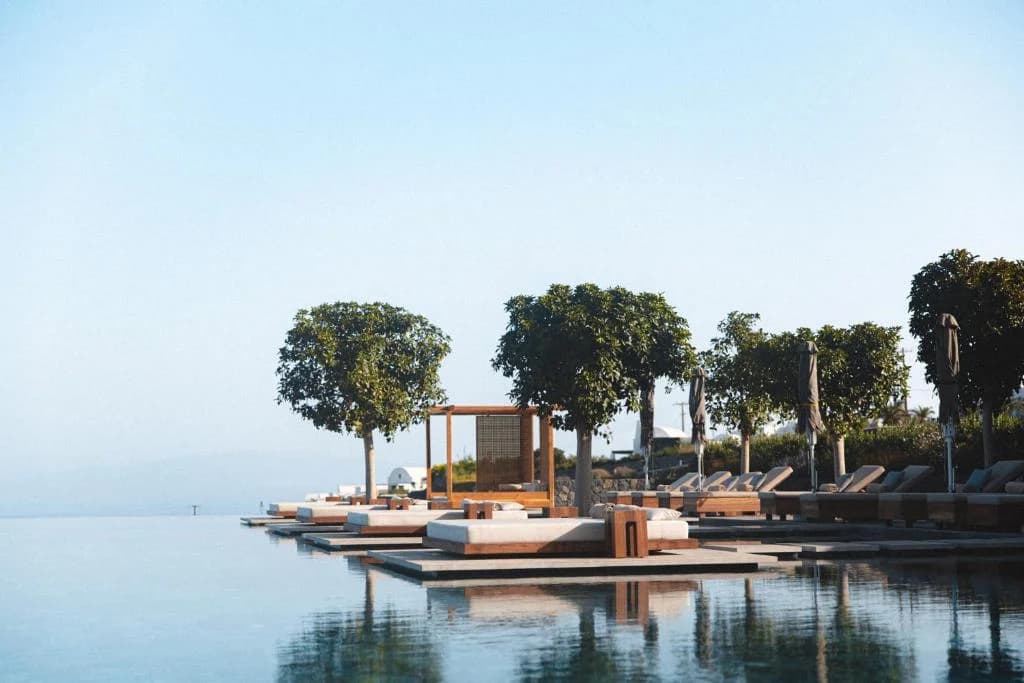
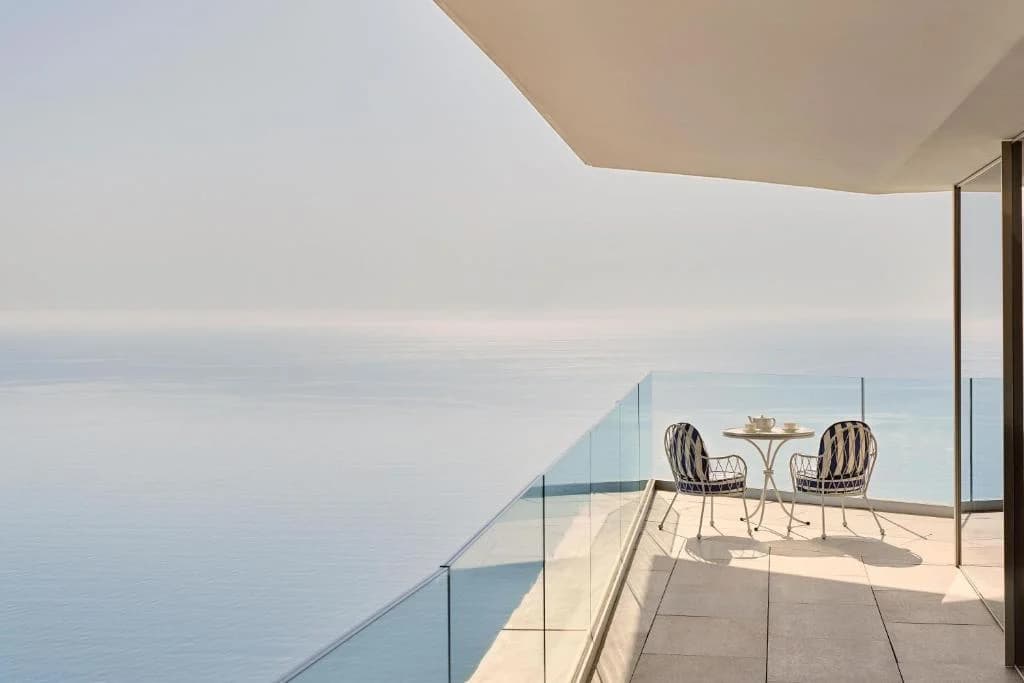
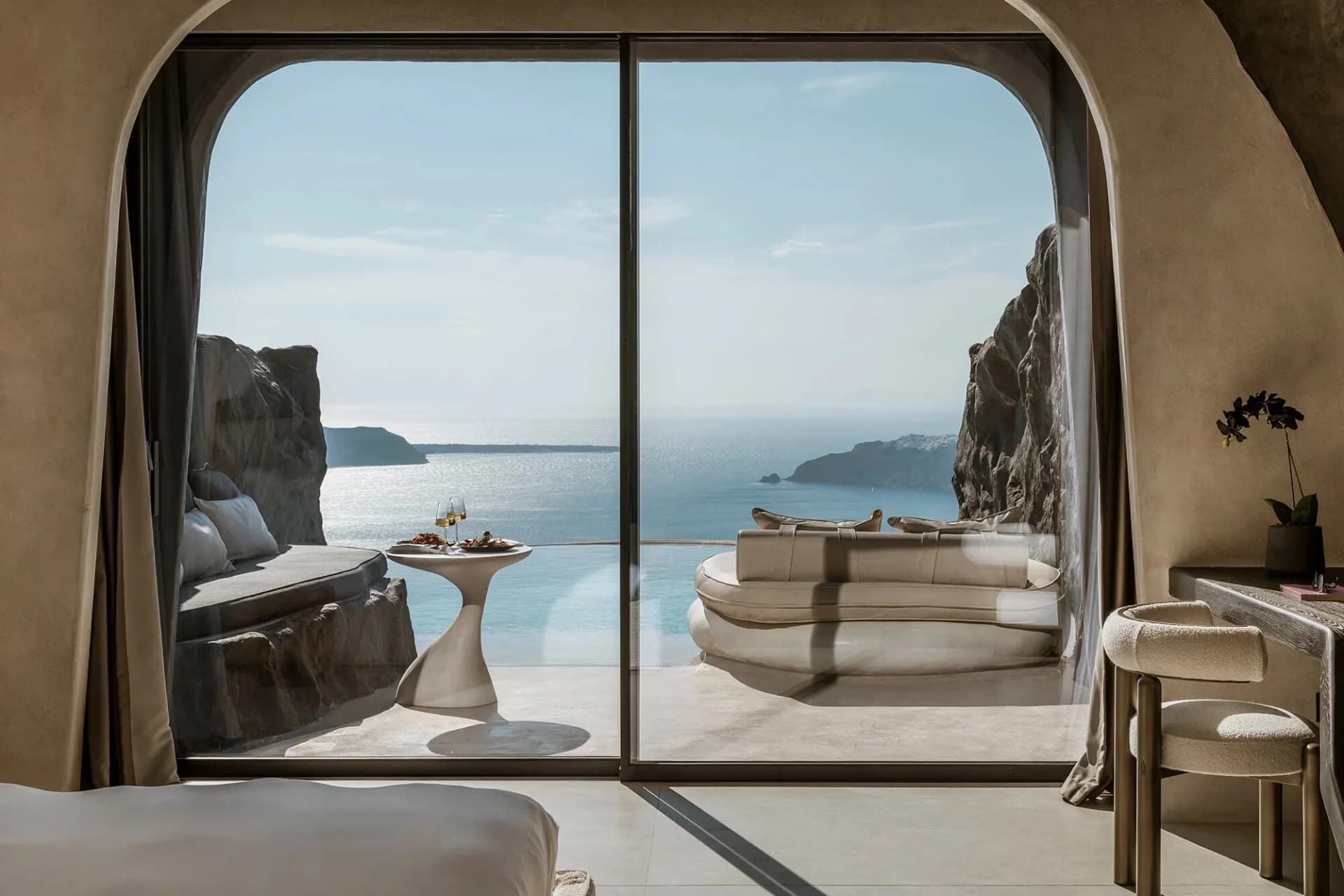
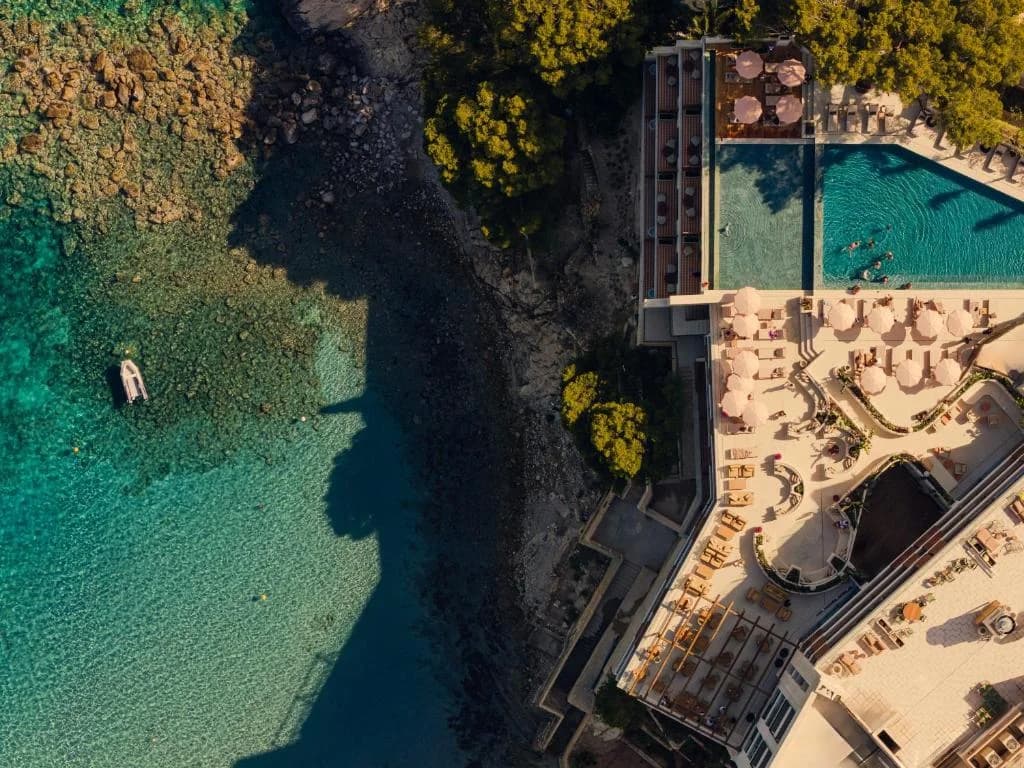
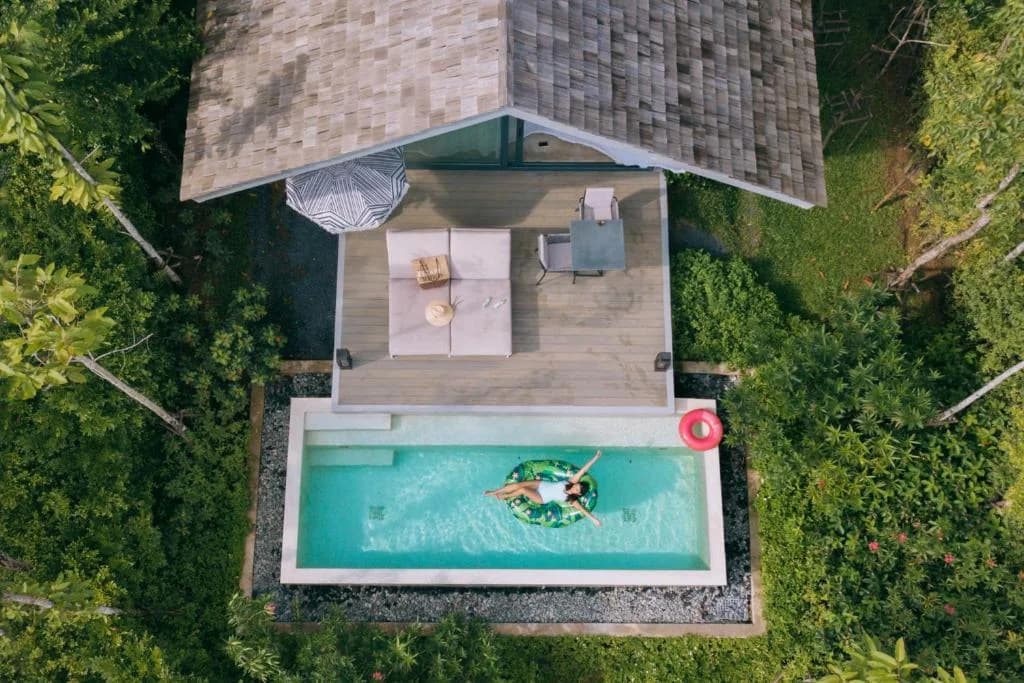
Sal and Boa Vista are the two islands most associated with high-end resort infrastructure. Both are flat, arid, and defined by long Atlantic beaches. Sal attracts a mix of European leisure travelers and kitesurfing enthusiasts; Boa Vista is quieter, with longer stretches of undeveloped coastline. Suites on these islands tend to prioritise ocean orientation, with generous terraces, plunge pools, and direct beach access. The architectural language is often contemporary and low-rise, calibrated to the horizontal landscape.
São Vicente and Santo Antão: cultural and volcanic scale
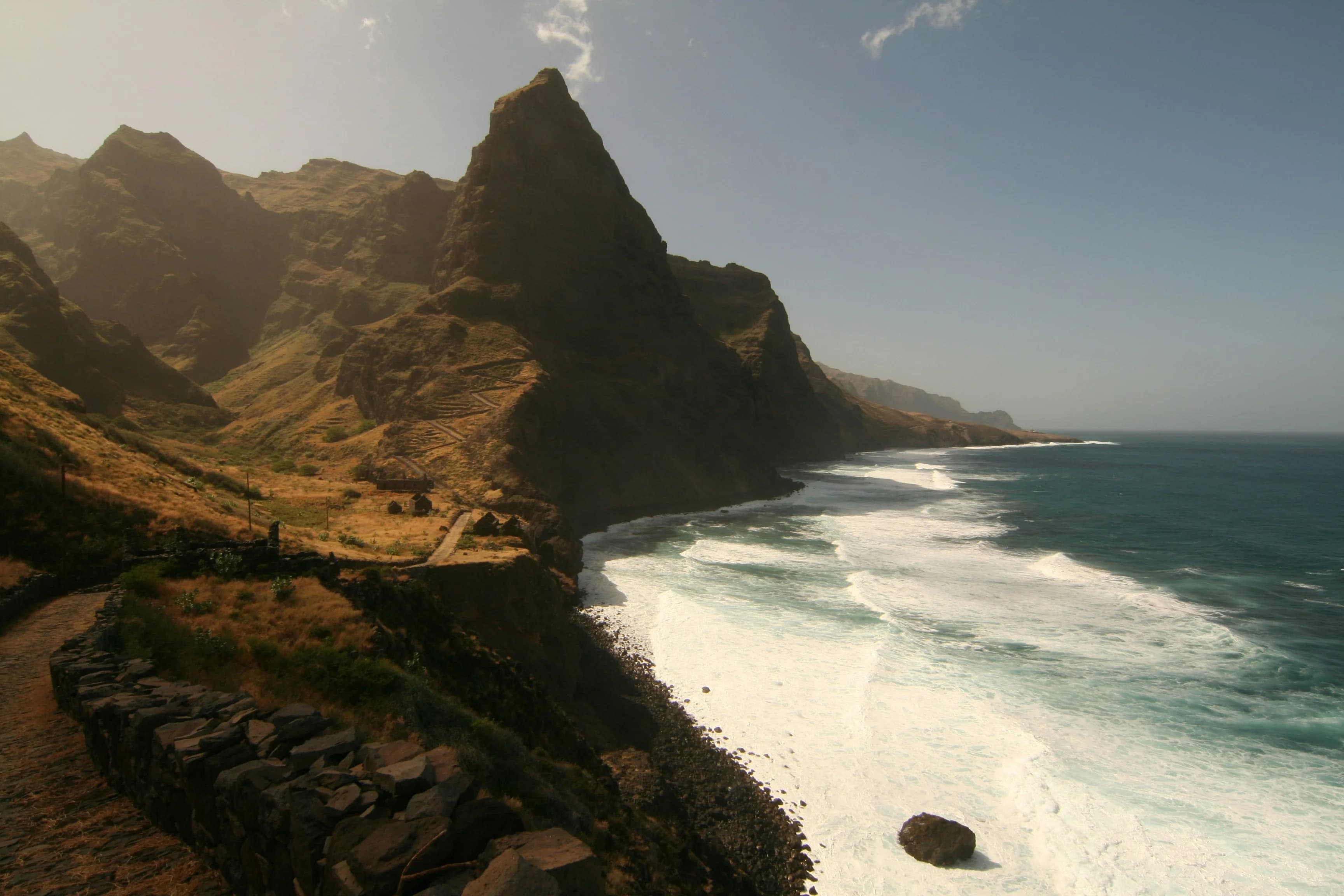
São Vicente, with its compact capital Mindelo, carries a different register. Mindelo has a reputation as Cape Verde's cultural centre: live music, a functioning art scene, and a colonial-era streetscape that retains genuine texture. Santo Antão, accessible only by ferry from São Vicente, offers dramatic mountain terrain and a walking culture of serious quality. Suite accommodation in this zone is rarer and often boutique in scale, which suits travelers prioritising character over facilities.
Santiago and Fogo: history and altitude
Santiago holds Praia, the national capital, and the UNESCO-listed Cidade Velha, one of the oldest European colonial settlements in the tropics. Fogo is dominated by Pico do Fogo, an active volcano rising to 2,829 metres, with wine production on its slopes. Accommodation here skews toward small, design-conscious properties rather than large resort formats. For travelers whose itinerary includes historical or geological depth, this pairing is the most intellectually substantive in the archipelago.
When to visit Cape Verde for a luxury hotel suite
Cape Verde operates on a two-season calendar. The dry season runs from November through June; the wet season, shorter and concentrated, spans July through October, with August and September seeing the highest rainfall on the wetter islands. The dry season is broadly the better window for travel, with consistent temperatures between 22 and 28 degrees Celsius and the reliable trade winds that define the islands' microclimate.
February and March represent a particular peak: the Mindelo Carnival on São Vicente is one of the more genuinely local and unmediated carnival celebrations in the Atlantic world. June brings the Atlantic Music Expo to Mindelo, a professional event that draws regional musicians and industry figures. Suite availability at the better properties tightens considerably during these periods; forward planning by three to four months is standard practice for the most sought-after rooms.
October and early November, at the edge of the wet season, offer a quieter entry point. Prices are lower, the landscape on the greener islands is at its most saturated, and the larger resort properties on Sal and Boa Vista are operating below capacity.
Local luxury standards: what to expect from top-tier suites in Cape Verde
Cape Verde does not have a formal national classification equivalent to the French Palace designation or the Italian Grand Tourism category. The official hotel rating system follows a standard star classification, but star ratings here, as in many smaller island markets, do not consistently predict suite quality or design standard. Discernment requires looking beyond the star count.
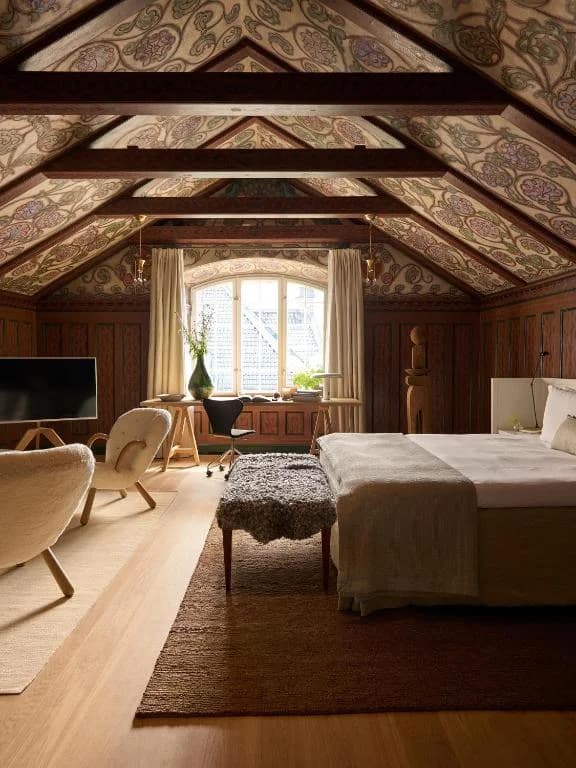
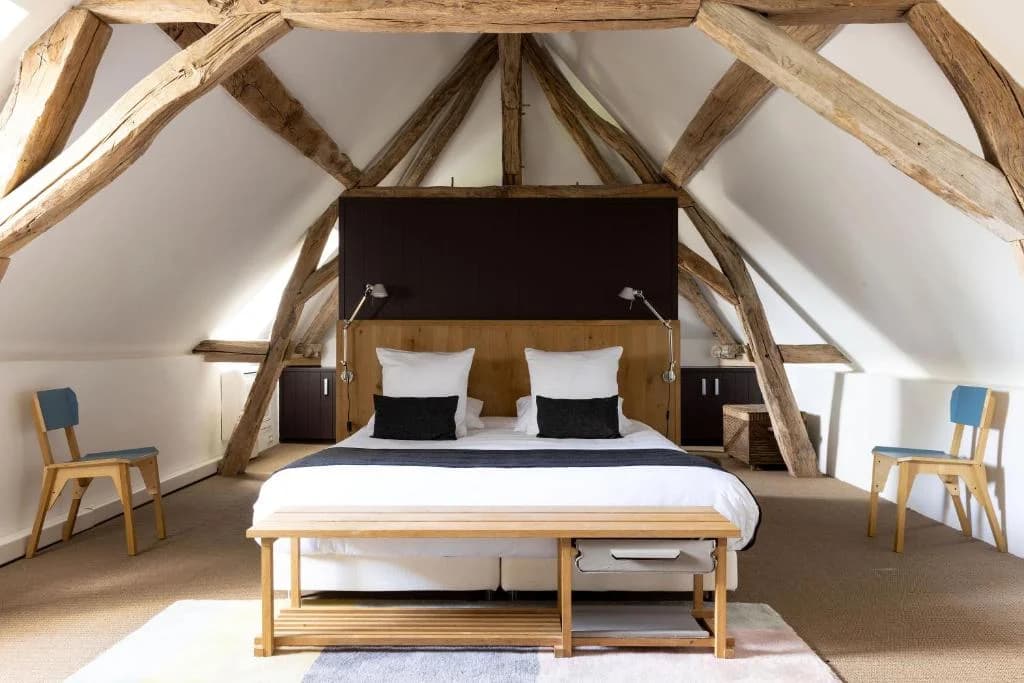
The better luxury hotel suites in Cape Verde share certain characteristics: generous floor area relative to standard rooms, private outdoor space, and a design approach that references the local material palette, volcanic basalt, pale render, natural textiles, without resorting to generic resort aesthetics. Air conditioning is standard across all premium properties; the trade winds provide natural ventilation for much of the year, and the best suites are designed to work with that airflow rather than against it.
Service culture in Cape Verde is warm but measured. It does not have the formal hotel tradition of Lisbon or the Algarve, but the best properties have developed a quiet attentiveness that suits the pace of island travel. Portuguese is the official language; Kriolu, a Cape Verdean Creole, is the everyday spoken language across all islands.
How to choose the best luxury suite in Cape Verde
The primary decision is island selection, and it should precede any conversation about specific properties. Travelers whose priority is beach and water activity will find the best suite infrastructure on Sal and Boa Vista. Those whose interest is cultural, gastronomic, or trekking-oriented will look first at São Vicente, Santo Antão, or Santiago. Fogo is a specialist choice, appropriate for travelers with a particular interest in volcanic landscapes and small-scale wine production.
Within any given island, the position of the suite within the property carries significant weight. On flat coastal islands, an elevated floor or direct beach frontage changes the room's relationship with the Atlantic fundamentally. On the mountain islands, a suite oriented toward the interior valley rather than a service road offers a qualitatively different experience. These distinctions are rarely captured in standard booking platforms, where photography is often optimised for impression rather than accuracy.
Consider also the operational context. Some of the smaller boutique properties on the less-visited islands operate with limited staffing during low season. Confirming operational status and service scope in advance is a practical step, not an extravagance.
Why a curated selection by La Suite matters in Cape Verde
The Cape Verde hotel market includes a wide range of properties presenting themselves at the luxury end of the spectrum. The gap between what is marketed as a luxury suite and what actually delivers suite-level space, privacy, and design quality is wider here than in more established luxury markets. Standard aggregator platforms do not have the editorial infrastructure to make that distinction reliably.
La Suite applies a consistent set of criteria across every listing: spatial quality, design coherence, service standard, and the authentic relationship between the property and its location. In a market with only a handful of properties that genuinely meet those criteria, curation is not an optional convenience. It is the most efficient route to a sound decision. The curated selection by La Suite reflects direct editorial assessment rather than commission-driven ranking.