Why Cairo rewards a considered approach to accommodation
Best areas to stay in Cairo for luxury travellers
Zamalek
Zamalek occupies an island in the Nile and remains the address of choice for embassies, cultural institutions, and a quietly affluent residential community. The architectural fabric here is predominantly early twentieth-century European in influence, with wide avenues and mature trees that create a register unlike central Cairo. Travellers seeking proximity to the Cairo Opera House, the Mohamed Mahmoud Khalil Museum, and a selective restaurant scene will find Zamalek's pace better suited to a considered itinerary.
Garden City and the Nile Corniche
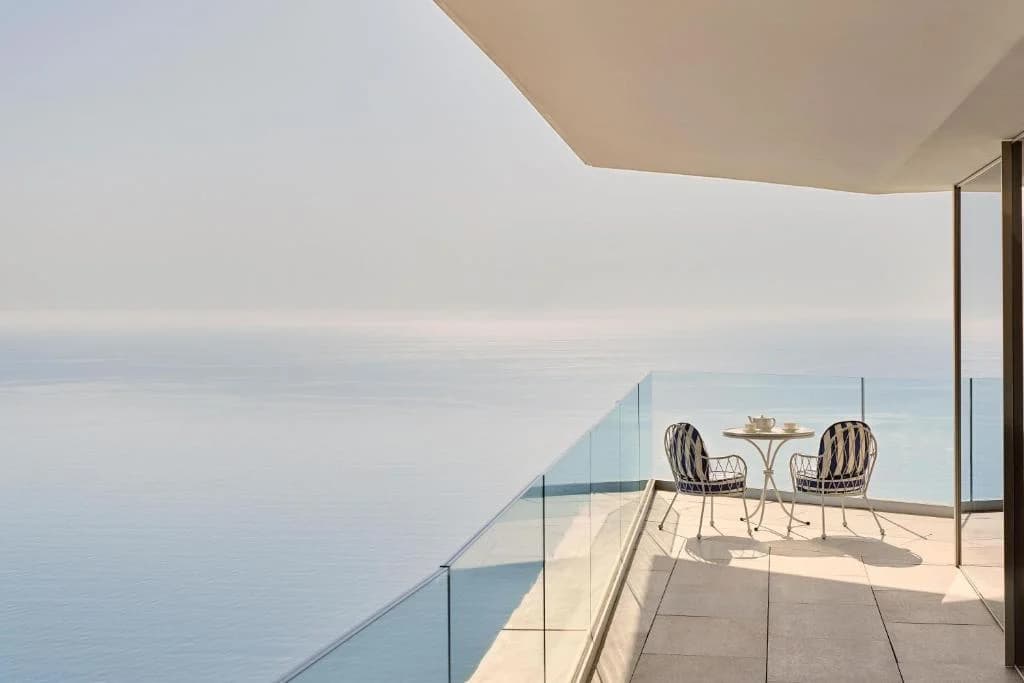
The stretch of the Nile Corniche running through Garden City and into central Cairo concentrates several of the city's most significant luxury hotel addresses. The Nile-facing position is the decisive factor here: suites with river views command a premium that is, in most cases, fully justified. The visual breadth of the Nile from an elevated suite reframes the city entirely, offering a counterpoint to Cairo's street-level intensity.
New Cairo and the Fifth Settlement
The planned districts east of the historic core represent a different proposition. New Cairo is architecturally modern, lower in density, and oriented toward a local upper-middle and affluent class. International brand hotels here serve a business and family travel market, with generous suite footprints and resort-style amenities. The trade-off is distance from the primary cultural sites, which requires either a driver or significant transit time.
Islamic Cairo and the historic centre
Proximity to the medieval city, the Khan el-Khalili quarter, and the Mosque of Ibn Tulun places travellers directly adjacent to Cairo's most concentrated layer of Islamic architecture. Boutique properties in this zone tend toward the intimate, with restored historic structures offering an experiential alternative to the scale of the large Nile-side hotels. Suite options here are fewer but carry a specificity of character that rewards those who prioritise context over convenience.
When to visit Cairo for the best suite experience
The optimal window for Cairo runs from October through April. Temperatures between these months remain within a range that makes extended outdoor engagement with archaeological sites and the city's open markets genuinely comfortable. The summer months from June through August bring extreme heat, with daytime temperatures routinely exceeding 38 degrees Celsius, which concentrates activity indoors and limits the value of exterior-facing suites and terraces.
The holy month of Ramadan introduces a different rhythm to the city. Restaurants and public life operate on altered schedules, and the atmosphere after sunset carries a particular social intensity. For travellers interested in Cairo at its most locally specific, this period offers that. For those seeking standard access to dining and nightlife, it requires more planning.
The Cairo International Film Festival, held annually in November, draws a regional and international cultural audience. The Egyptian Museum's ongoing expansion and the opening of the Grand Egyptian Museum on the Giza plateau have introduced a new tier of cultural infrastructure that now extends the case for visiting year-round.
Understanding luxury standards in Egyptian hotels
Egypt does not operate a formal national classification equivalent to France's Palace designation. The five-star rating system applies, administered through the Egyptian Hotel Association, though the consistency of application varies. International chain hotels in Cairo operate to the brand standards of their respective groups, which provides a reliable reference point for travellers familiar with those chains globally.
The most significant variable in Cairo's luxury hotel market is age of property and renovation cycle. Several of the city's most historically significant hotels carry a lineage that dates to the early twentieth century, and their suite offerings reflect a combination of original architectural detail and varying degrees of contemporary intervention. Understanding whether a property has undergone a full renovation or operates on a piecemeal maintenance model is essential due diligence before booking a top-tier suite.
Service standards at the leading properties in Cairo are broadly consistent with international expectations. The city has a long history of hosting heads of state, diplomatic missions, and high-profile cultural figures, and the institutional knowledge within its established hotel sector is genuine. Discretion and personalised service at the suite level are reliable offerings at properties with a serious luxury positioning.
How to choose the right luxury suite in Cairo
The primary decision axis in Cairo is position relative to the Nile versus position relative to the historic sites. These two orientations rarely overlap in a single property, and the trade-off is real. A Nile-facing suite in a central hotel delivers visual drama and convenient access to the business and dining districts. A suite closer to Giza or Islamic Cairo reduces transit time to the monuments but sacrifices the river view and typically offers a narrower set of on-site amenities.
Suite size is a secondary but material consideration. Cairo's established large-format hotels tend to offer generous suite footprints by international standards, with separate living and sleeping areas, substantial bathrooms, and in many cases private butler service. Travellers with families or those working during their stay should treat suite layout with the same rigour applied to the property selection itself.
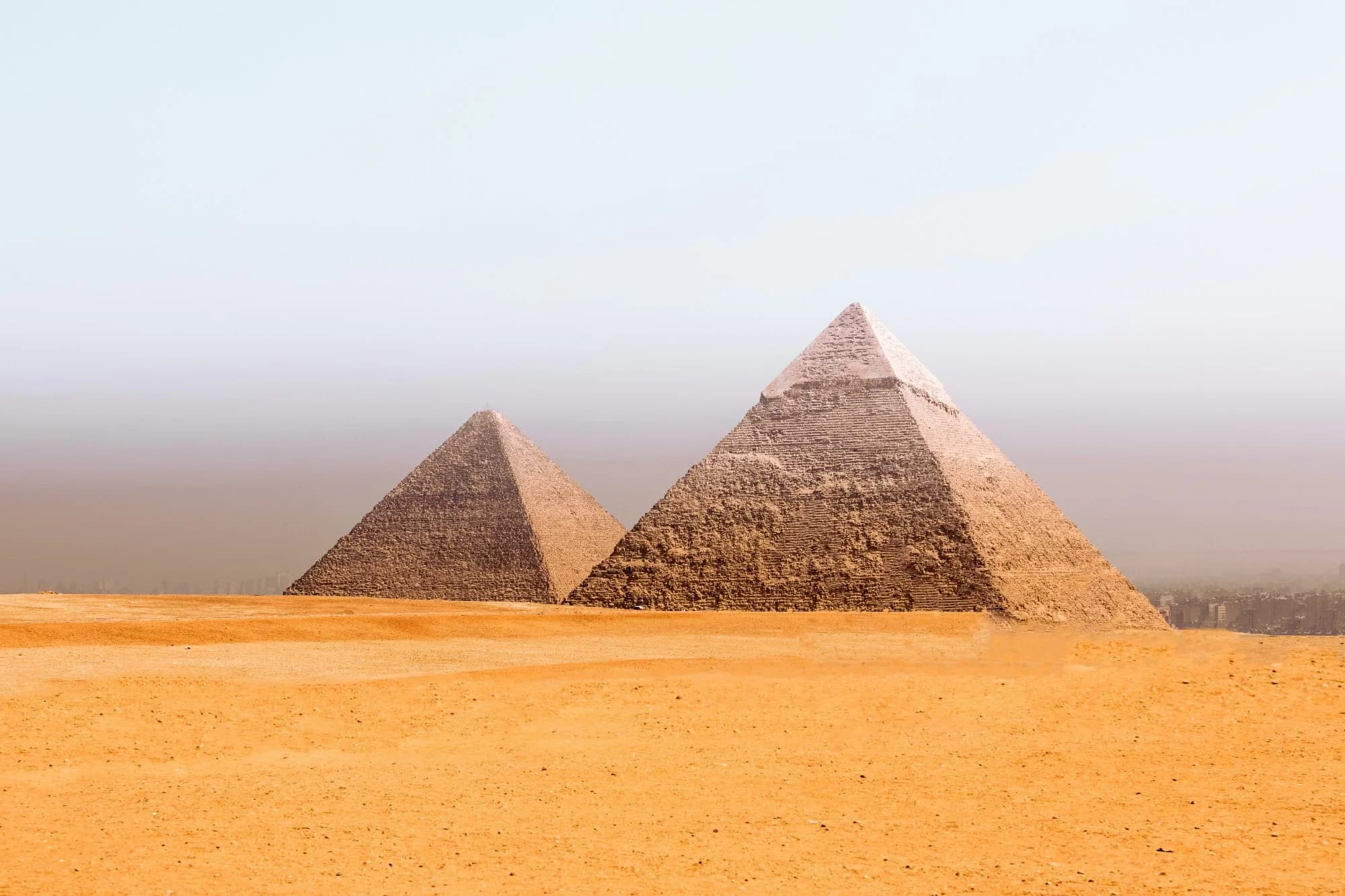
Terrace or balcony access varies considerably and is worth specifying at the point of inquiry. A private outdoor space in Cairo, whether overlooking the Nile or toward the pyramids at Giza, adds a dimension that no interior suite, however well-appointed, can replicate.
The value of curated selection in Cairo
Cairo's luxury hotel market is more stratified than its surface presentation suggests. Marketing materials from many properties emphasise heritage or scale without fully disclosing the current condition of the suite inventory, the view lines available from specific room categories, or the realistic service proposition at peak occupancy. Independent research in this market is time-consuming and, without on-the-ground knowledge, frequently unreliable.
La Suite applies a consistent editorial framework to every property in its selection. The criteria are architectural quality, suite-specific amenity, service track record, and positional relevance to the traveller's intended itinerary. The curated selection by La Suite reflects that process: a filtered set of Cairo's most compelling luxury hotel suites, assessed against the standards of a platform whose only constituency is the traveller seeking the best available option.