Staying in Aghouatim: what to know before you arrive
The best areas to stay when exploring the Moroccan interior
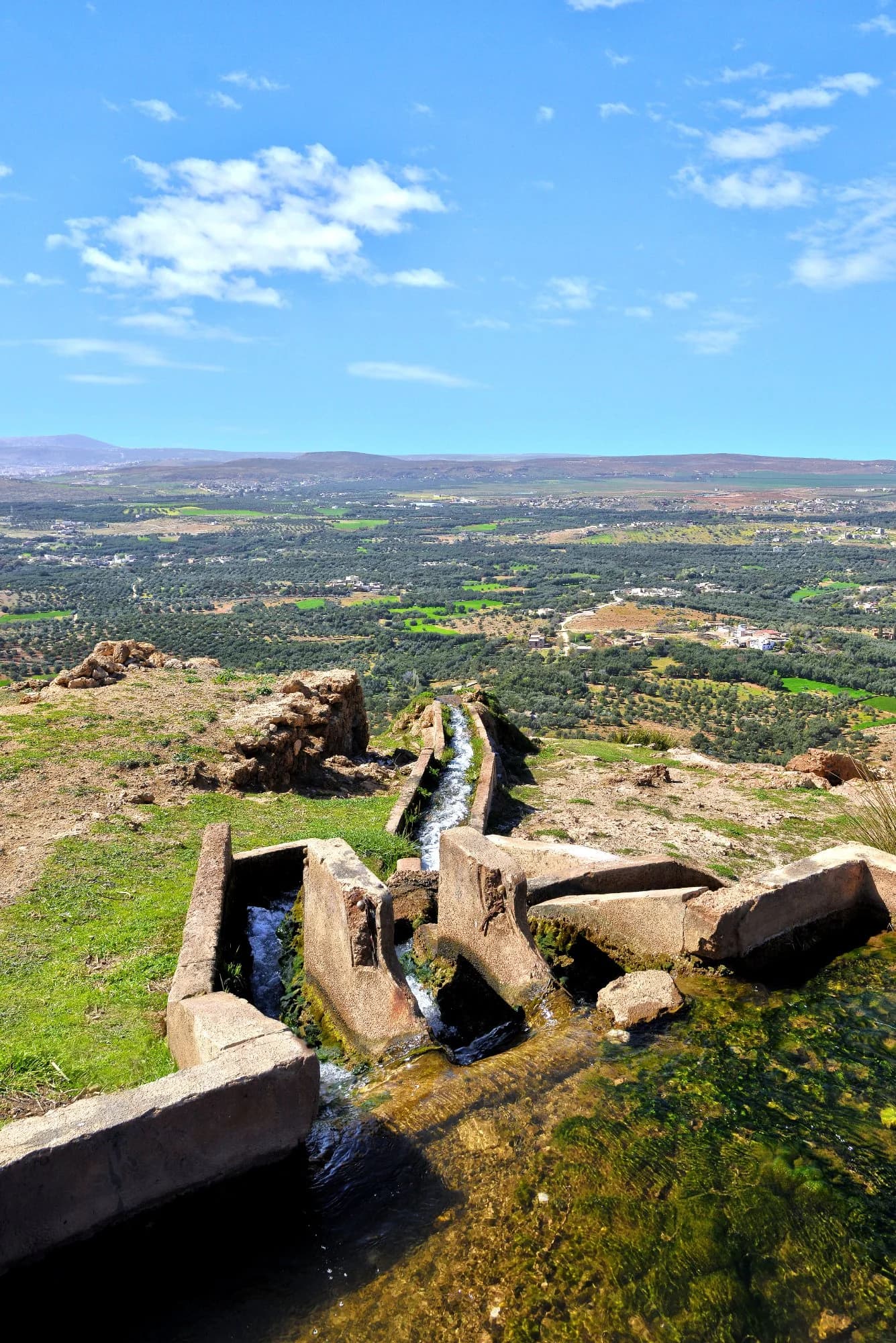
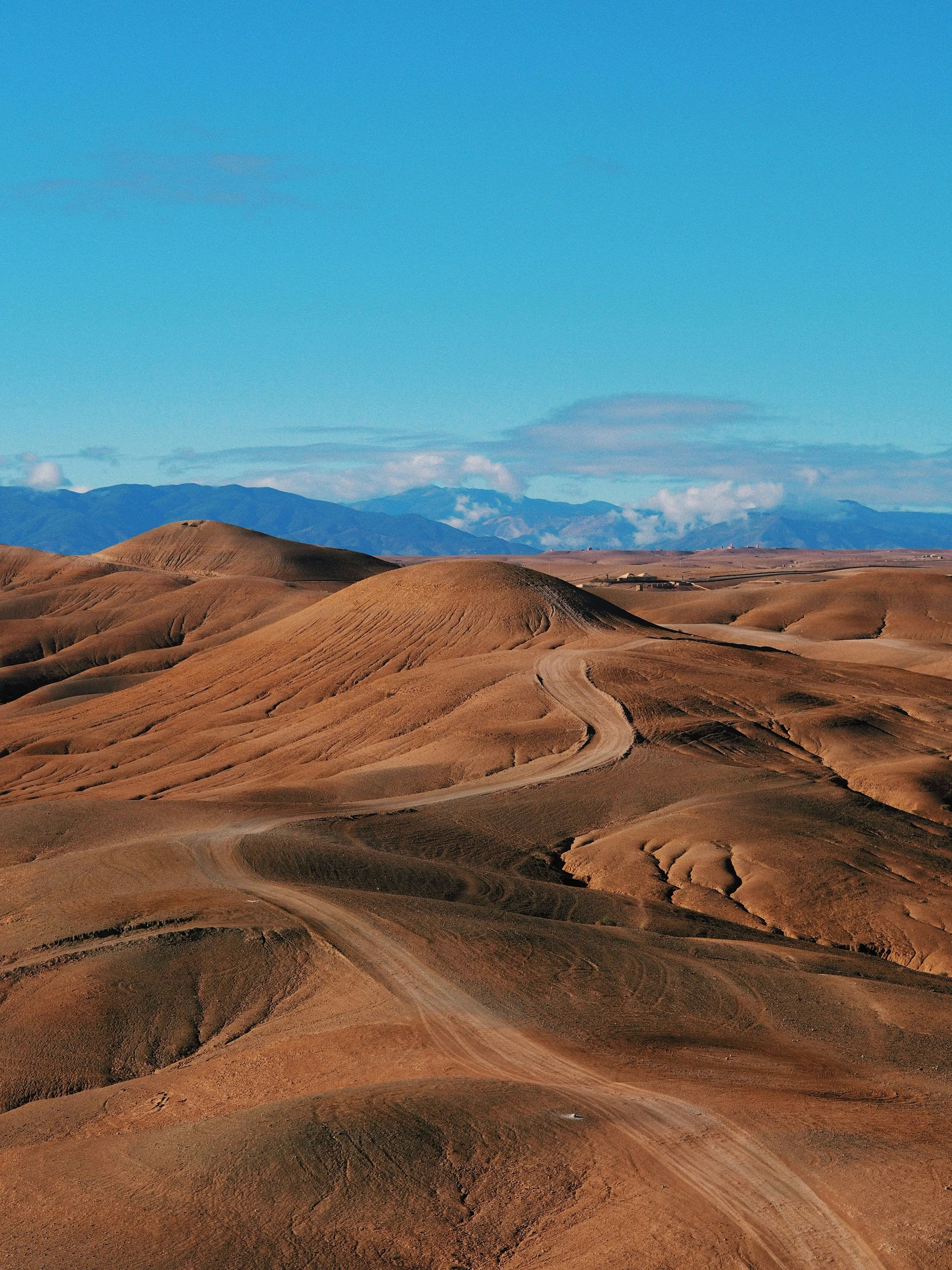
Morocco's geography is genuinely varied. The Atlas Mountains create a natural division between the Mediterranean-influenced north and the pre-Saharan south. The Draa Valley, the Dades Gorges, and the plateaus extending toward the desert each carry a distinct atmosphere. Properties in these zones tend to emphasize connection to landscape: courtyard architecture, terrace orientations calibrated toward sunrise or sunset, and materials sourced locally.
For travelers using a base in or near Aghouatim, the surrounding terrain is the primary draw. Access to wider circuits through southern Morocco, including the kasbahs of the Draa Valley and the edges of the Sahara, is a practical consideration when selecting where to stay. A suite with generous outdoor space, whether a private terrace or a riad-style courtyard, functions as a decompression zone after long drives through arid country.
When to visit Morocco's southern interior
The timing of a visit to this part of Morocco has a direct impact on comfort and experience. Spring (March to May) and autumn (September to November) represent the most agreeable windows: temperatures are moderate, the light is exceptional, and the landscape is at its most legible. Summer heat in the interior can be intense, with temperatures in some areas regularly exceeding 40 degrees Celsius. Winter nights in elevated zones can be sharply cold, though daytime conditions often remain clear and pleasant.
Morocco does not have a single high season. The festival calendar varies significantly by region. In the broader south, local moussems (traditional gatherings) punctuate the year and offer a form of cultural access that is difficult to replicate through conventional tourism. If your travel dates are flexible, aligning with shoulder seasons typically improves both suite availability and the overall quality of the experience.
Understanding luxury standards in Morocco
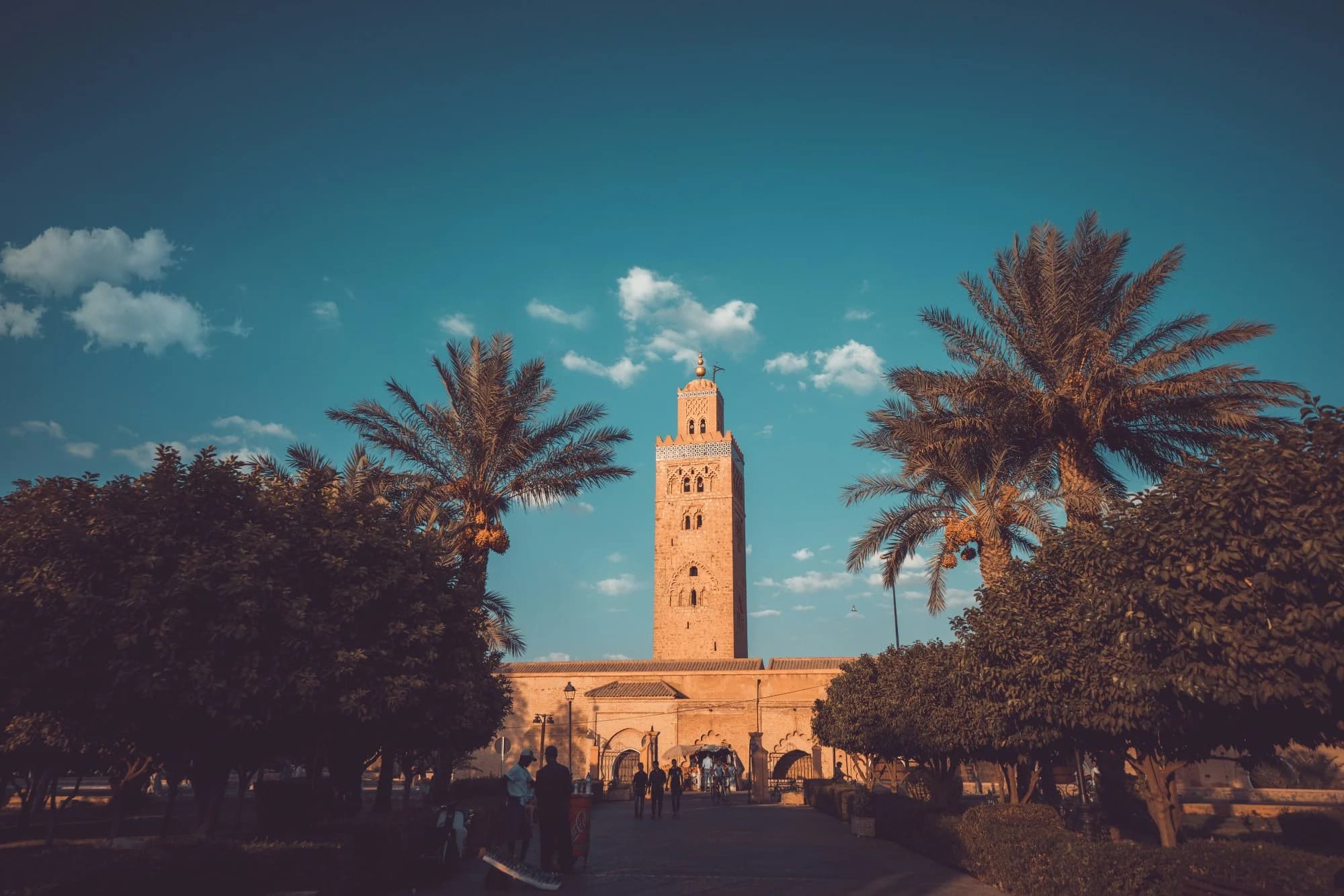
Morocco operates with its own distinct vocabulary of prestige hospitality. The riad format is the most internationally recognized: a traditional house organized around a central courtyard, typically in a medina, converted into a boutique property. Beyond the riad, the kasbah hotel has become a significant category in the southern interior. These properties draw on the fortified earthen architecture of the region, with thick walls that regulate interior temperature and a spatial generosity that suits suite-level accommodation.
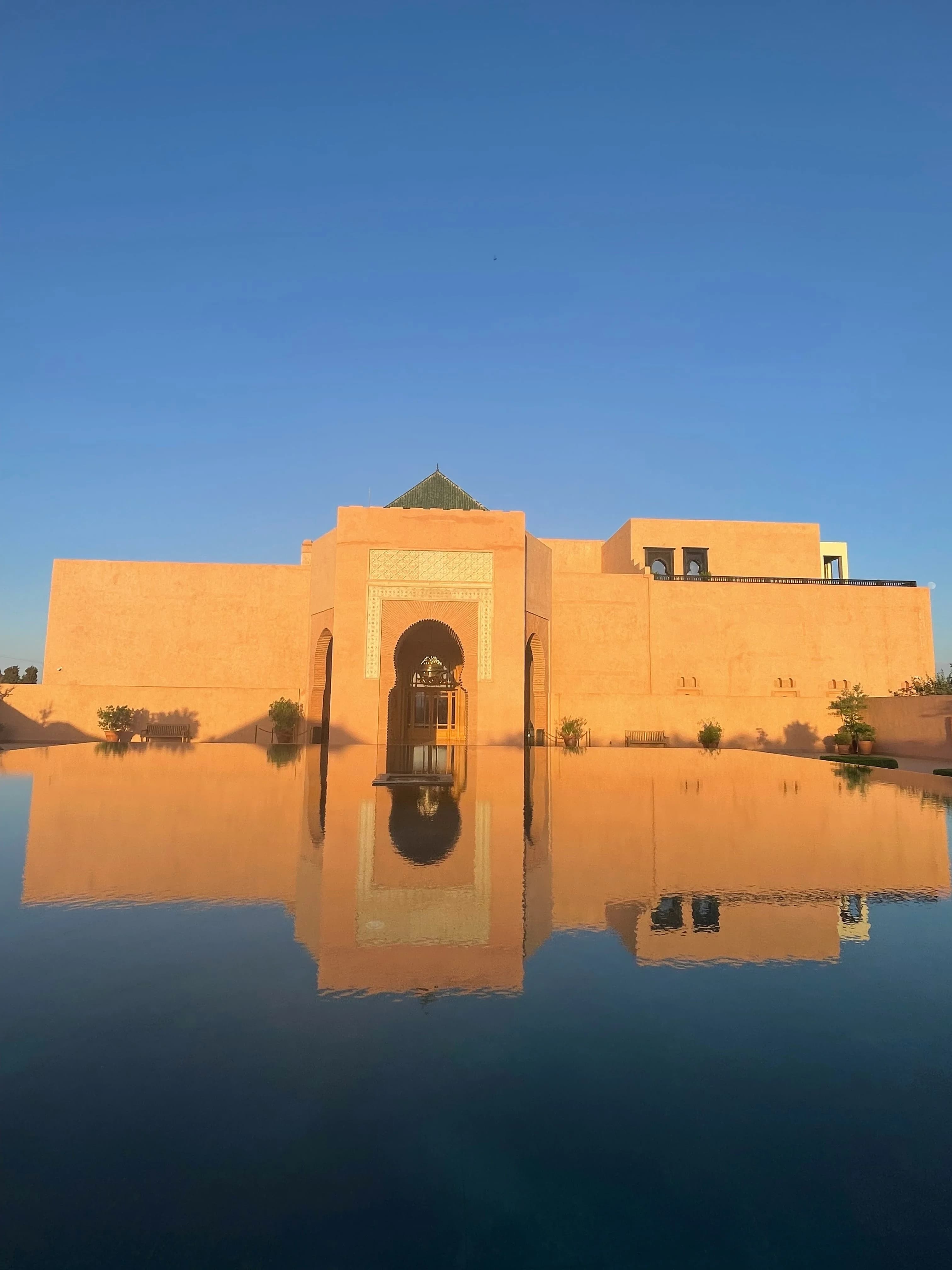
Morocco does not use the French Palace designation. The country's official hotel classification runs to five stars, with some properties receiving additional recognition through international luxury networks. What defines a genuinely exceptional suite in Morocco is less about the star rating and more about the specificity of the design: hand-cut zellige tilework, bespoke plasterwork (tadelakt), locally woven textiles, and an architectural logic that responds to climate rather than ignoring it. These are the markers that La Suite looks for when curating properties across Morocco.
How to choose the right suite in this part of Morocco
Several practical considerations apply specifically to the Moroccan interior. First, connectivity: remote properties in southern Morocco may have limited or unreliable internet access. For some travelers this is a feature; for others it requires advance planning. Second, transfer logistics: many high-quality properties in the interior are not easily reachable by public transport, and private transfers or self-drive itineraries are the norm. Third, architectural character: decide early whether you prefer the inward-facing logic of a riad (which prioritizes interior atmosphere over exterior views) or a more open structure oriented toward the landscape.
Suite size and configuration also vary considerably. In a traditional riad conversion, suites may be generous in ceiling height and decorative detail but more compact in floor area than a contemporary resort suite. In kasbah-style properties, upper-floor suites often command the best views and the most direct connection to the surrounding terrain. Clarifying your priorities before selecting a property prevents misalignment between expectation and experience.
Morocco is also a country where the quality of service varies more than the physical design of a property might suggest. Properties with a strong curatorial approach to hospitality, trained staff, and consistent attention to detail are worth identifying carefully. This is precisely the kind of distinction that a curated platform navigates on your behalf.
Why curation matters for Morocco's luxury suite market
Morocco's hospitality landscape has expanded rapidly over the past two decades. The volume of properties describing themselves as luxury riads, boutique kasbahs, or design hotels is significant, and the gap between marketing language and actual experience can be wide. For a traveler investing meaningfully in accommodation, the ability to filter by genuine quality criteria rather than star ratings or promotional copy is essential.
La Suite applies a consistent editorial standard across its selection in Morocco and across Africa more broadly. The properties that appear in our curated selection have been evaluated for design integrity, suite quality, service consistency, and the specificity of the experience they offer. In a market as varied as Morocco's, that filter is not a convenience. It is a material advantage for the traveler who values their time and their investment equally.
Whether you are approaching Aghouatim as a destination in itself or as part of a wider southern Moroccan itinerary, the principle holds: the right suite does not simply house you. It frames the entire journey.