Ghmate

Ghmate

Hotels with luxury suites in Ghmate

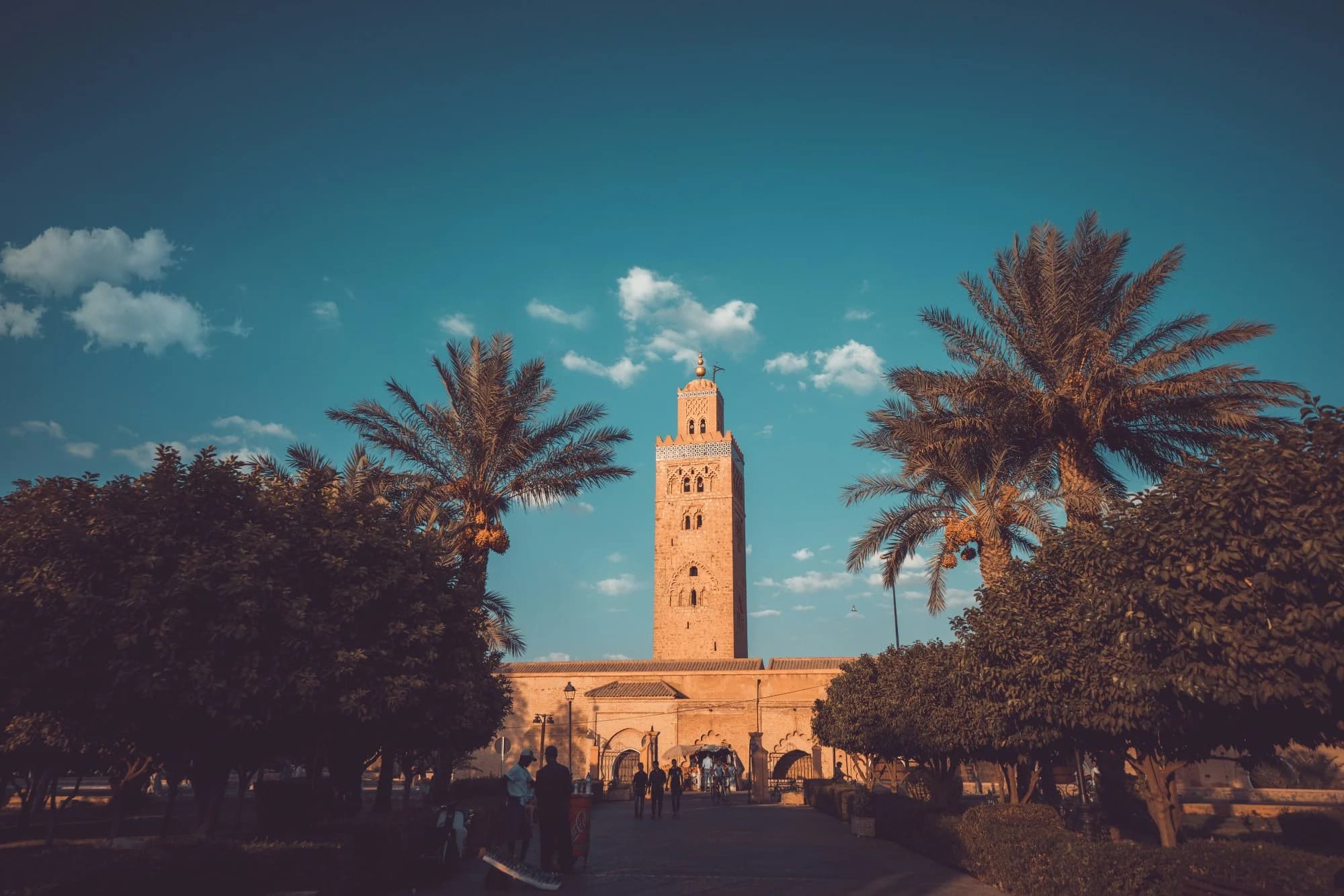
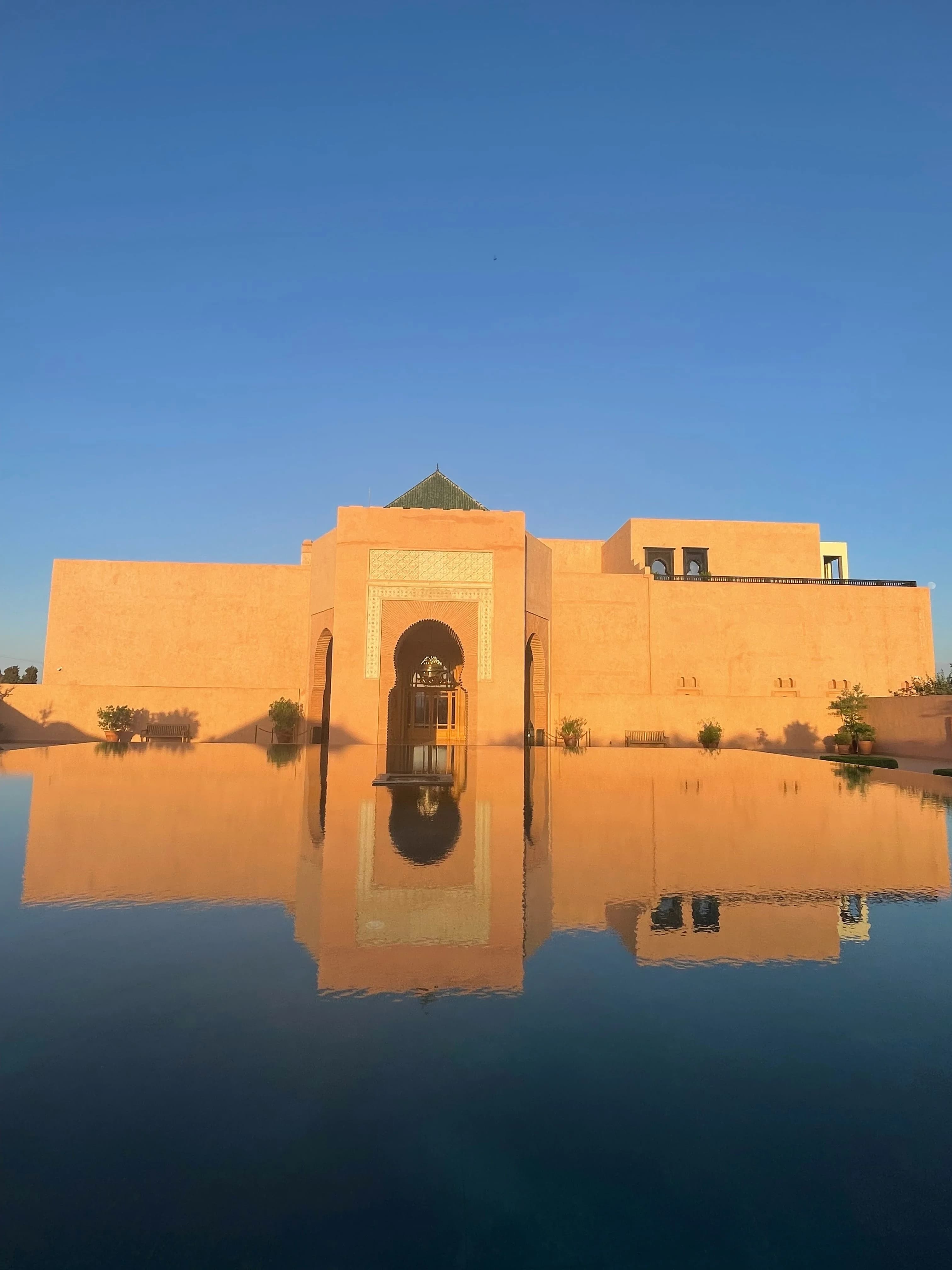
Morocco has long attracted a certain kind of traveller: one drawn to the layered complexity of its architecture, the precision of its craft traditions, and the particular quality of its desert and mountain light. Within that broader picture, Morocco's rural hinterland near Marrakech has emerged as one of the most compelling areas for high-end stays. Ghmate represents that tendency at its most focused. It is not a resort destination. It is a living Berber settlement with a history that predates the city it neighbours. Staying here, in a property that respects both the landscape and the local building vocabulary, is a fundamentally different experience from checking into a riad in the medina.

List modeHotels on Map

1 hotel available

Kasbah Caracalla

Kasbah Caracalla, Ghmate

Pet friendlySwimming poolRestaurant
More informationBOOK ON Booking.com

Comfortable Accommodations Kasbah Caracalla in Aghmat offers family rooms with air-conditioning, private bathrooms, and mountain views. Each room includes a mini-bar, TV, and sofa, ensuring a plea

Family Suite

Family Suite

52 m² · 2 bedrooms · 4 guests

This room is equipped with a king size bed and 2 twins beds.

Discover
Deluxe Triple Suite

Deluxe Triple Suite

40 m² · 1 bedroom · 3 guests

The spacious double room provides air conditioning, a seating area, as well as a private bathroom featuring a shower. The double room features a safe deposit box. The unit offers 2 beds.

Discover
Superior Family Room

Superior Family Room

40 m² · 1 bedroom · 3 guests

Offering free toiletries, this family room includes a private bathroom with a shower. The family room offers air conditioning and a safe deposit box. The unit offers 3 beds.

Discover
Deluxe Family Suite

Deluxe Family Suite

52 m² · 1 bedroom · 4 guests

The spacious family room offers air conditioning, a mini-bar, as well as a private bathroom boasting a shower and a bidet. The unit has 2 beds.

Discover
See the other suites

Nearby

Hotels in the area, but in a neighbouring town.

Destinations near Ghmate

Marrakesh

Marrakesh is one of the few cities in the world where the built environment itself functions as the primary amenity. The medina, a UNESCO World Heritage Site, is a 12th-century urban fabric of souks, madrasas, and private riads whose interior architecture is deliberately concealed from the street. This inversion of luxury, where the most extraordinary spaces face inward, defines the local standard for high-end accommodation. A suite in Marrakesh is rarely about the view from the outside. It is about what the interior reveals.

Alouidane

Morocco attracts travelers for its cities, its coasts, and its desert. Alouidane attracts a different kind of visitor. Located in the Azilal province of the Beni Mellal-Khenifra region, it is anchored by the Bin el Ouidane reservoir, one of the largest artificial lakes in Morocco. The surrounding landscape is geological in its drama: ochre cliffs, Atlas cedar forests, and terraced agriculture that has shaped these hillsides for centuries. This is not a resort corridor. It is a territory that rewards slow travel, independent exploration, and lodging that matches the quality of its natural surroundings.

Tameslouht

Tameslouht is not a resort destination. It is a working Moroccan village with a layered identity: a historic zawiya (Sufi religious complex) anchors its spiritual life, while surrounding palmeries and agricultural plots define its physical character. The traveller who chooses this area deliberately is usually retreating from spectacle, not seeking it. That restraint is precisely what makes it compelling for a certain kind of guest.

Why Ghmate occupies a singular position in Moroccan luxury travel

The best areas to explore around Ghmate

The Ourika Valley corridor

Ghmate lies within reach of the Ourika Valley, one of the most scenically coherent landscapes in the Marrakech region. The valley narrows as it climbs toward the Atlas, moving from cultivated terraces and walnut groves through to dramatic gorges and Berber villages accessible only on foot. Properties positioned along this corridor tend to favour horizontal architecture that follows the terrain rather than imposing on it. The result is a form of luxury grounded in context rather than spectacle.

The foothills between Marrakech and the High Atlas

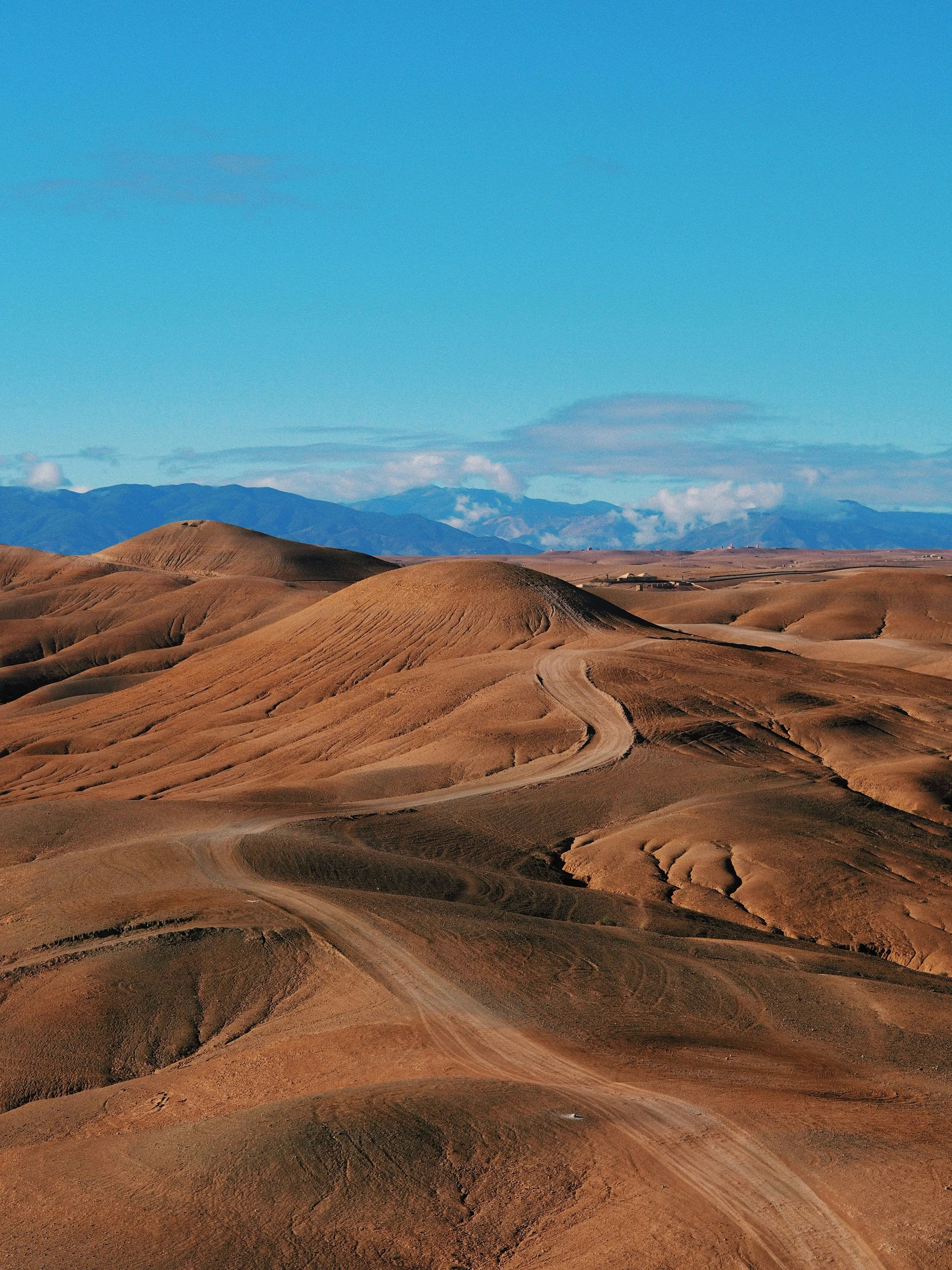
This transitional zone, sitting between the urban density of Marrakech and the high mountain passes, is where some of Morocco's most thoughtfully designed rural retreats have been built over the past two decades. The elevation is enough to register as a genuine climate shift from the city below, particularly relevant from June through August. Suites here typically look out over orchard land, kasbahs, and the snowcapped ridgeline that defines the southern horizon for much of the year.

When to visit Ghmate and the surrounding region

The shoulder seasons, March through May and September through November, offer the most balanced conditions. Spring brings almond and cherry blossom to the lower Atlas slopes, and the air temperature sits comfortably between cool nights and warm afternoons. Autumn is characterised by harvest activity in the olive and walnut groves, a period that gives rural stays particular sensory texture.

Summer in the foothills is notably cooler than in Marrakech itself, which makes it a logical choice for travellers who want proximity to the city without its July heat. Winter at higher elevations can bring snow to the Atlas passes, closing some roads but creating conditions that give certain properties a genuinely remote, insulated atmosphere.

The major cultural calendar in the broader region includes the Marrakech International Film Festival in late November and December, as well as the Gnaoua and World Music Festival in Essaouira each June. Neither takes place in Ghmate itself, but both attract an international audience that tends to extend stays into the countryside.

Understanding Moroccan luxury hospitality standards

The riad and kasbah typology

Moroccan luxury accommodation operates within a distinct architectural and cultural vocabulary. The riad, an inward-facing courtyard house originating in Arab-Andalusian urban planning, translates into a form of privacy that is structural rather than simply managed. The kasbah, a fortified rural residence built from pisé (rammed earth), represents a parallel tradition rooted in Berber building practice. In the Ghmate area, the kasbah typology is more prevalent. When executed with precision, a converted kasbah offers thick walls that regulate interior temperature naturally, courtyard gardens planted with aromatic herbs, and a spatial hierarchy that moves from public to deeply private in a way that large hotel corridors rarely achieve.

What to expect from a top-tier suite in this area

The finest suites in this part of Morocco are characterised by generous floor areas, private terraces oriented toward the mountain ridgeline, and interiors that draw on local craft traditions without becoming decorative exercises. Zellij tilework, hand-carved plaster, cedar joinery, and handwoven textiles are the material vocabulary of the region. The best properties use these elements with restraint. Expect hammam facilities, either private or dedicated, and culinary programmes built around locally sourced produce. Morocco does not operate a formal national hotel classification equivalent to France's Palace designation, but properties of genuine standing in this region are typically members of international collections or independently reviewed by specialist curators.

How to choose the right luxury suite near Ghmate

Several practical considerations are specific to this territory. First, access: properties in the Ourika Valley and surrounding foothills vary significantly in road quality and transfer time from Marrakech Menara Airport. A suite that appears proximate on a map may require forty-five minutes on an unpaved track. This is not necessarily a disadvantage, but it is a material fact that affects how a stay is structured.

Second, scale: some of the most compelling properties near Ghmate operate with very few keys, sometimes fewer than ten rooms in total. This creates a level of attentiveness that larger properties cannot replicate, but it also means availability is genuinely limited, particularly during peak shoulder-season weeks. Early planning is advisable.

Third, orientation: suite selection in this landscape is partly a question of view and partly a question of thermal comfort. North-facing rooms in pisé buildings can retain cold in winter. South and east-facing terraces capture morning light across the valley. These are the kinds of specifics that a generalised booking platform will not surface.

For those who want to understand the broader Morocco context before narrowing their focus, La Suite's country-level curation provides a useful framework. Africa as a continent is also increasingly relevant for the traveller building a multi-destination itinerary that moves between North African and sub-Saharan properties.

The value of curation in a destination like Ghmate

Ghmate and its surrounding area present a particular curation challenge. The number of properties is small, the variation in quality is significant, and the gap between a well-photographed property and a genuinely exceptional one is not visible from a standard listing page. La Suite's approach to this destination is built on direct knowledge of the properties and a consistent set of criteria applied across architecture, spatial quality, culinary standard, and service philosophy.

For the traveller arriving in this corner of Morocco for the first time, the curated selection by La Suite removes the most consequential uncertainty: not whether a property exists, but whether it will actually deliver the experience its visual identity implies. In a destination where authenticity is both the primary draw and the most common marketing claim, that distinction is the entire point.

Frequently asked questions

What makes Ghmate different from staying in a Marrakech riad?

Ghmate is a rural Berber village in the Atlas foothills, roughly twenty kilometres from Marrakech. Staying here offers genuine countryside quiet, mountain views, and a material connection to Berber agricultural life that a medina riad, however refined, cannot provide. The spatial scale and architectural character are entirely distinct.

How far is Ghmate from Marrakech Menara Airport?

Ghmate is located approximately thirty to forty kilometres from Marrakech Menara Airport, depending on the specific property and road taken. Transfer times typically range from forty to sixty minutes. Some properties in the broader Ourika Valley area may require a portion of unpaved road, so confirming access conditions with the property in advance is advisable.

What type of architecture characterises luxury properties near Ghmate?

The dominant architectural typology in this area is the kasbah, a fortified Berber residence built from pisé (rammed earth). Converted kasbahs use thick walls for natural thermal regulation, courtyard gardens, and interiors finished with traditional Moroccan craft materials including zellij tilework, hand-carved plaster, and cedar joinery. The best examples integrate this vocabulary with contemporary spatial planning.

What is the best season to book a luxury suite near Ghmate?

The shoulder seasons, March to May and September to November, offer the most agreeable climate and the richest sensory experience. Spring brings blossom to the lower Atlas slopes while autumn coincides with olive and walnut harvests. Summer is notably cooler here than in Marrakech city, making the foothills a logical warm-weather retreat.

Are luxury hotel suites near Ghmate suitable for families?

Many properties in this area are well suited to family stays, particularly those with private villa configurations or multiple interconnecting suites. The landscape itself, with its walking trails, agricultural settings, and village life, provides a form of experiential education that urban hotel environments rarely offer. Confirm room configuration and child policy directly with individual properties.

Does Morocco have a formal luxury hotel classification like France's Palace designation?

Morocco does not operate an equivalent to France's Palace designation. The country uses a standard star-rating system administered at the national level, but the most credible quality indicators for properties near Ghmate tend to be membership in recognised international collections and independent curatorial assessment by specialist platforms such as La Suite.

What should I look for when choosing a luxury suite in the Atlas foothills?

Key considerations include suite orientation relative to mountain views, thermal performance of the building fabric (particularly relevant in winter months), transfer distance from Marrakech, and the number of keys in the property. Smaller properties with fewer than ten rooms typically offer a more attentive service model. Private hammam access and locally sourced culinary programmes are further markers of genuine quality.

Is Ghmate a good base for exploring the High Atlas Mountains?

Ghmate provides reasonable access to the lower Atlas trails and to the Ourika Valley, which extends toward higher elevations. For serious trekking toward peaks such as Toubkal, a base further up the valley is more practical. For travellers who want mountain proximity as an aesthetic and atmospheric element rather than a sporting objective, Ghmate and its surrounds work well.

How does La Suite curate luxury hotel suites in Morocco?

La Suite applies a consistent set of criteria across architecture, spatial quality, culinary standard, and service philosophy. In a market where the gap between visual presentation and actual experience can be significant, this curation removes the principal risk for the first-time visitor: not whether a property photographs well, but whether it delivers the experience its identity implies.

What cultural experiences are available near Ghmate for luxury travellers?

The area offers access to traditional Berber village life, working olive and walnut orchards, local souks, and artisan workshops producing the craft traditions (weaving, pottery, leatherwork) that underpin the region's design heritage. Properties of standing typically facilitate cultural programming including cooking sessions, guided walks with local guides, and visits to neighbouring communities on terms that are respectful rather than performative.