Boutique Hotel Katia, Tassoultante
Located just a 10-minute drive from the center of Marrakech, Villa Katia offers an outdoor swimming pool, garden, outdoor bar and pétanque facilities. Marrakech Menara Airport is only a 10-minute driv

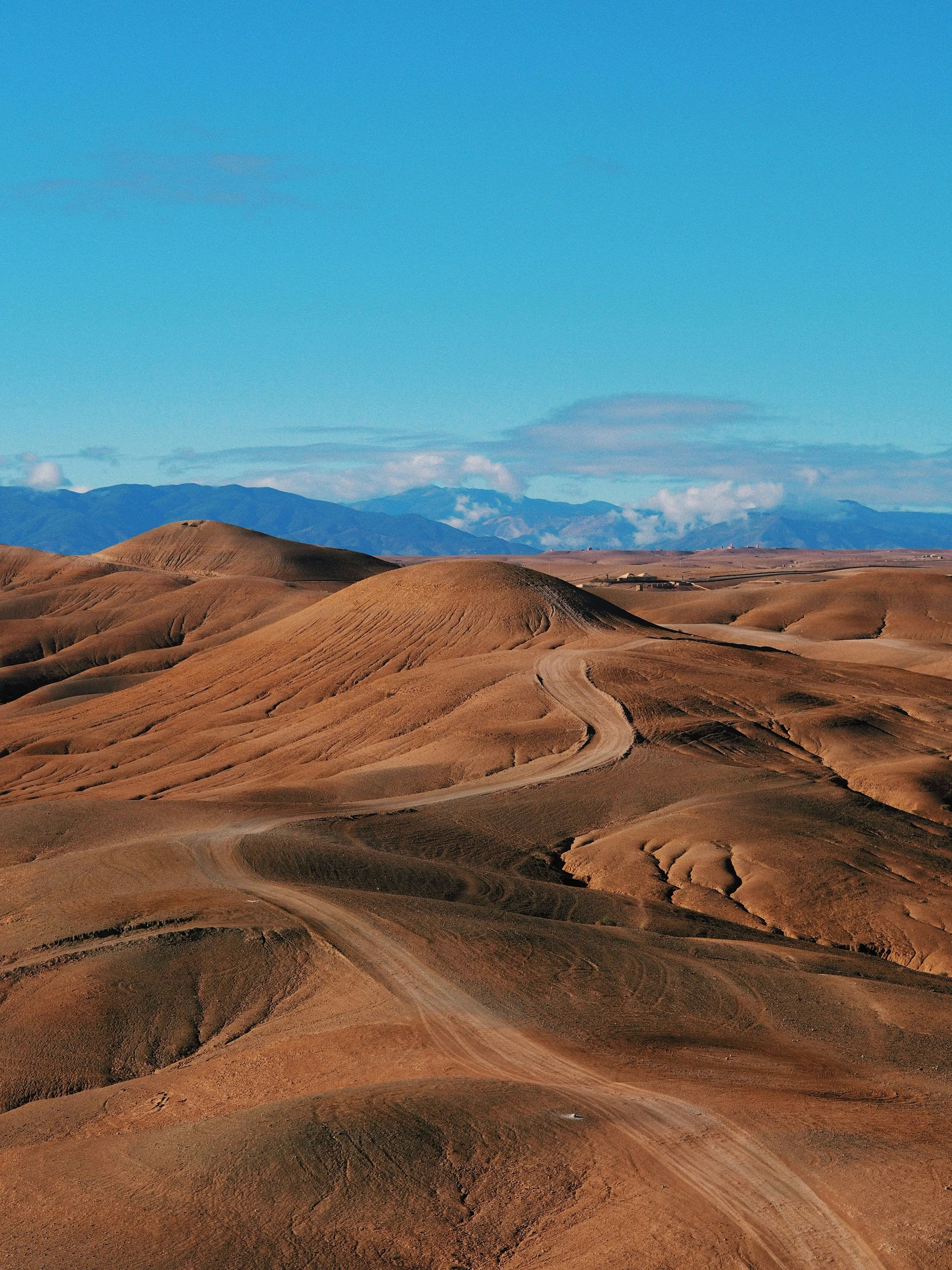
Tassoultante is not a destination that announces itself. It operates on restraint. Located in the Haouz plain, fringing the northern slopes of the High Atlas, it draws those who come to Morocco for the landscape rather than the spectacle. The light here is extraordinary in a clinical sense: flat, wide, and unobstructed, it renders the surrounding terrain in tones that shift hour by hour. For the design-literate traveler, this geography is itself the amenity.
8 hotels available

Located just a 10-minute drive from the center of Marrakech, Villa Katia offers an outdoor swimming pool, garden, outdoor bar and pétanque facilities. Marrakech Menara Airport is only a 10-minute driv

Comfortable Accommodations Dasofinya Riad & Villa in Touggana offers family rooms with private bathrooms, air-conditioning, and garden or pool views. Each room includes a dining area, wardrobe, an

Delta Hotels by Marriott Marrakech Eden Andalou Enjoy VIP treatment with the exclusive service at Delta Hotels by Marriott Marrakech Eden Andalou. Discover the comfort of a 5-star all-inclusive stay a

Elegant Accommodations Les Jardins de Kesali in Marrakech offers a 4-star guest house experience with a spa, sun terrace, and a year-round outdoor swimming pool. Guests enjoy free WiFi, a bar, and

This charming hotel residence offers a large outdoor swimming pool, hammam and aromatherapy massage treatments. It is just a 15-minute drive from the Marrakech medina. Les jardins de Zyriab offers co

Set a 10-minute drive from the center of Marrakesh, this 5-star hotel offers a stable with purebred Arabian horses. It offers 3 outdoor swimming pools and beauty treatments in its spa. The spacious r

Elegant Accommodations Villa Anzar Refined Oasis wChef and Emerald Hammam in El Rhechat offers a luxurious villa with a garden, terrace, and free WiFi. The property features family rooms and is pe

Elegant Accommodations Villa Sumaïa in Marrakech offers a recently renovated guest house with a romantic restaurant and a year-round outdoor swimming pool. Guests enjoy free WiFi, a sun terrace, a
Hotels in the area, but in a neighbouring town.

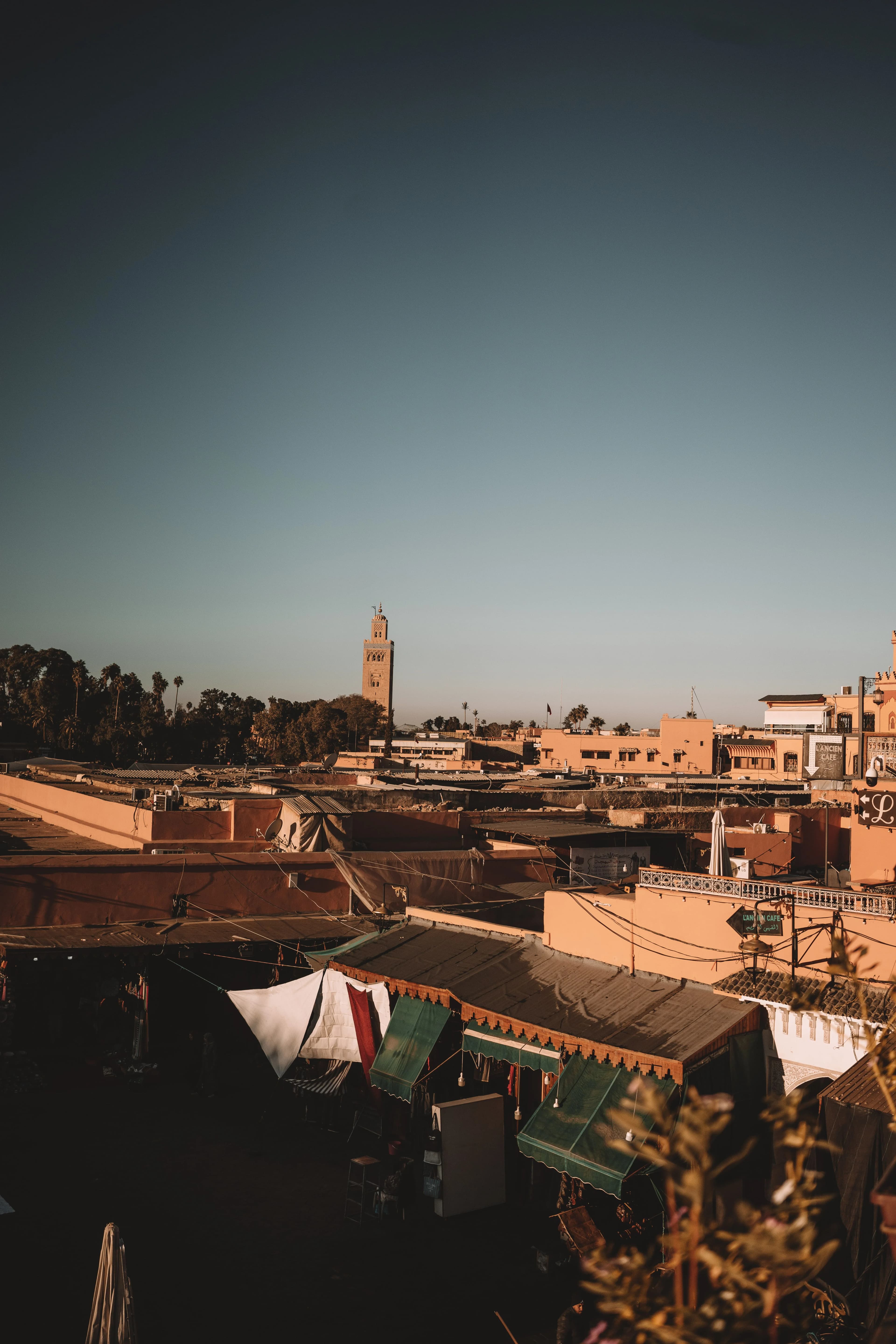
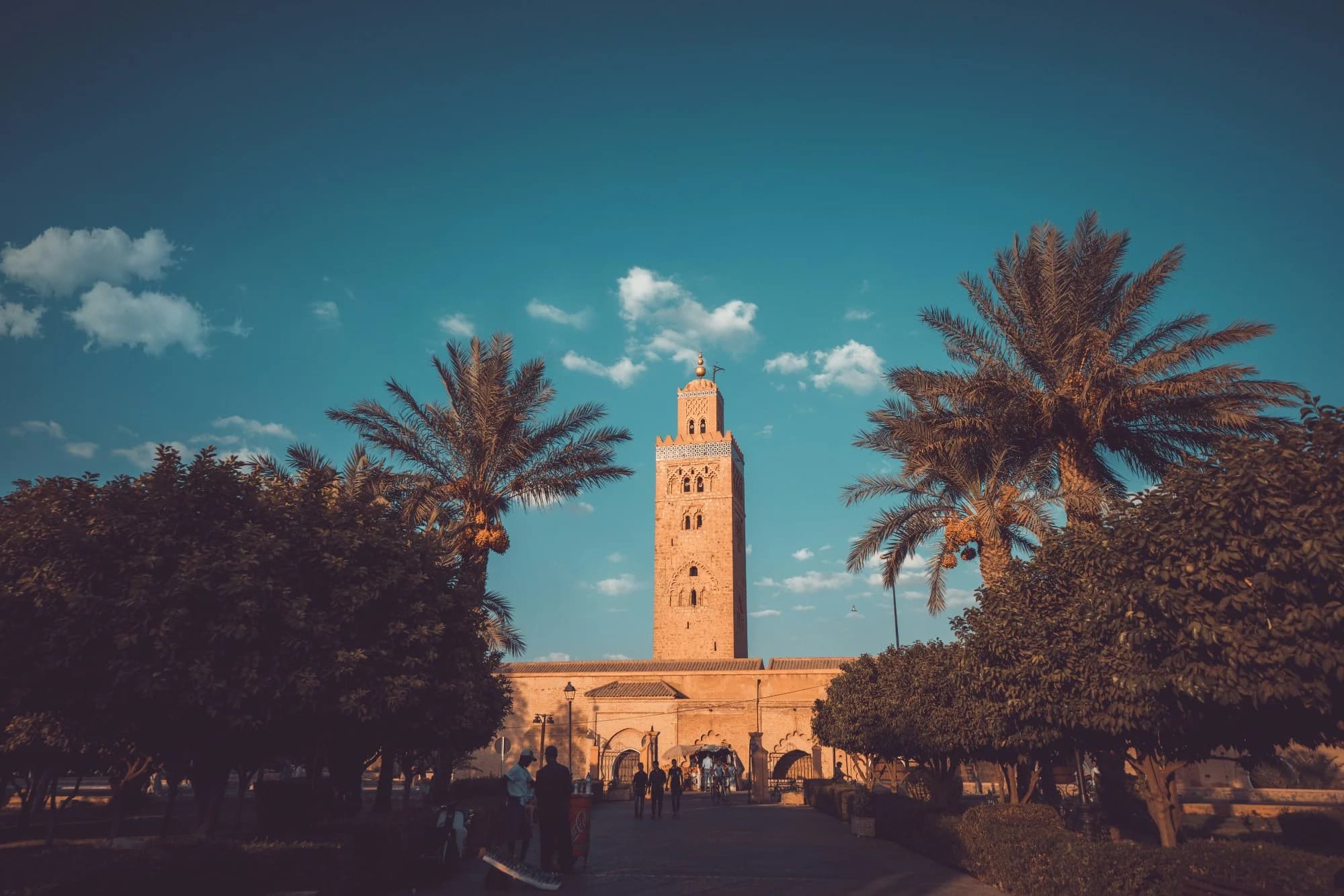
Marrakesh is one of the few cities in the world where the built environment itself functions as the primary amenity. The medina, a UNESCO World Heritage Site, is a 12th-century urban fabric of souks, madrasas, and private riads whose interior architecture is deliberately concealed from the street. This inversion of luxury, where the most extraordinary spaces face inward, defines the local standard for high-end accommodation. A suite in Marrakesh is rarely about the view from the outside. It is about what the interior reveals.

Tameslouht is not a resort destination. It is a working Moroccan village with a layered identity: a historic zawiya (Sufi religious complex) anchors its spiritual life, while surrounding palmeries and agricultural plots define its physical character. The traveller who chooses this area deliberately is usually retreating from spectacle, not seeking it. That restraint is precisely what makes it compelling for a certain kind of guest.

Morocco attracts travelers for its cities, its coasts, and its desert. Alouidane attracts a different kind of visitor. Located in the Azilal province of the Beni Mellal-Khenifra region, it is anchored by the Bin el Ouidane reservoir, one of the largest artificial lakes in Morocco. The surrounding landscape is geological in its drama: ochre cliffs, Atlas cedar forests, and terraced agriculture that has shaped these hillsides for centuries. This is not a resort corridor. It is a territory that rewards slow travel, independent exploration, and lodging that matches the quality of its natural surroundings.
Properties in this area tend toward the riad-estate and eco-lodge typology, set on significant landholdings with gardens, orchards, and direct sightlines to the Atlas. The suite experience is inseparable from the exterior: private terraces, courtyard pools, and the kind of spatial generosity that compact urban riads cannot offer. If you are building an itinerary around Morocco more broadly, Tassoultante works as either an opening chapter or a closing one, a place to decompress before or after the intensity of the imperial cities.
The flatlands stretching between Tassoultante and the foothills of the Atlas offer the most architecturally ambitious properties in the area. Estates here are typically built on large plots, allowing for the kind of compound design where each suite occupies its own pavilion or wing. Privacy is structural, not incidental. The Atlas is visible from most positions, and the absence of urban noise makes the sensory environment distinctly different from anything you will find in Marrakech.
Moving slightly south toward the first ridgelines, properties shift from estate to lodge in character. Stone construction, low profiles, and integration with the terrain become the defining aesthetic. Suites here tend to be fewer in number and more individually considered. The microclimate is cooler, particularly at altitude, making this corridor viable year-round in a way that the exposed plain is not during midsummer.
The optimal window runs from late September through early December, and again from February through May. During these months, the Atlas holds snow on its upper reaches while the plain remains mild and clear. Daytime temperatures sit in the range of 18 to 25 degrees Celsius, well-suited to outdoor living and the kind of terrace-based existence that defines the suite experience here.
Midsummer brings intense heat to the plain: temperatures regularly exceed 38 degrees Celsius in July and August. Properties compensate with thick-walled construction and deep shade, but the landscape reads as bleached rather than vivid during these months. Winter evenings can be sharp, particularly at any elevation, so suites with fireplaces or radiant heating are worth specifying when booking.
The broader Africa luxury travel calendar tends to cluster around the shoulder seasons, and Morocco follows this pattern. Availability at the most considered properties narrows considerably between October and November as demand from European travelers peaks.
Morocco does not operate a formal palace classification equivalent to France's system, but the market has developed its own hierarchy. At the top sit properties classified as maisons d'hotes of exceptional standing, often internationally recognized through design press and hospitality awards rather than government stars. These are the addresses worth knowing.
In the Tassoultante area, the benchmark suite will typically include: a private terrace with Atlas views, a bathroom finished in tadelakt (the traditional Moroccan lime plaster prized for its water resistance and tactile quality), handwoven textiles sourced from regional artisans, and outdoor bathing or plunge pool access. Service ratios at the best properties are high, often approaching one staff member per guest, which translates into a level of personalisation that larger Marrakech hotels cannot match.
Zellij tilework, carved cedar, and hand-hammered copper are the material grammar of serious Moroccan hospitality. When these elements are executed with precision rather than reproduced at volume, they read differently. Learning to distinguish between the two is part of what a curated selection provides.
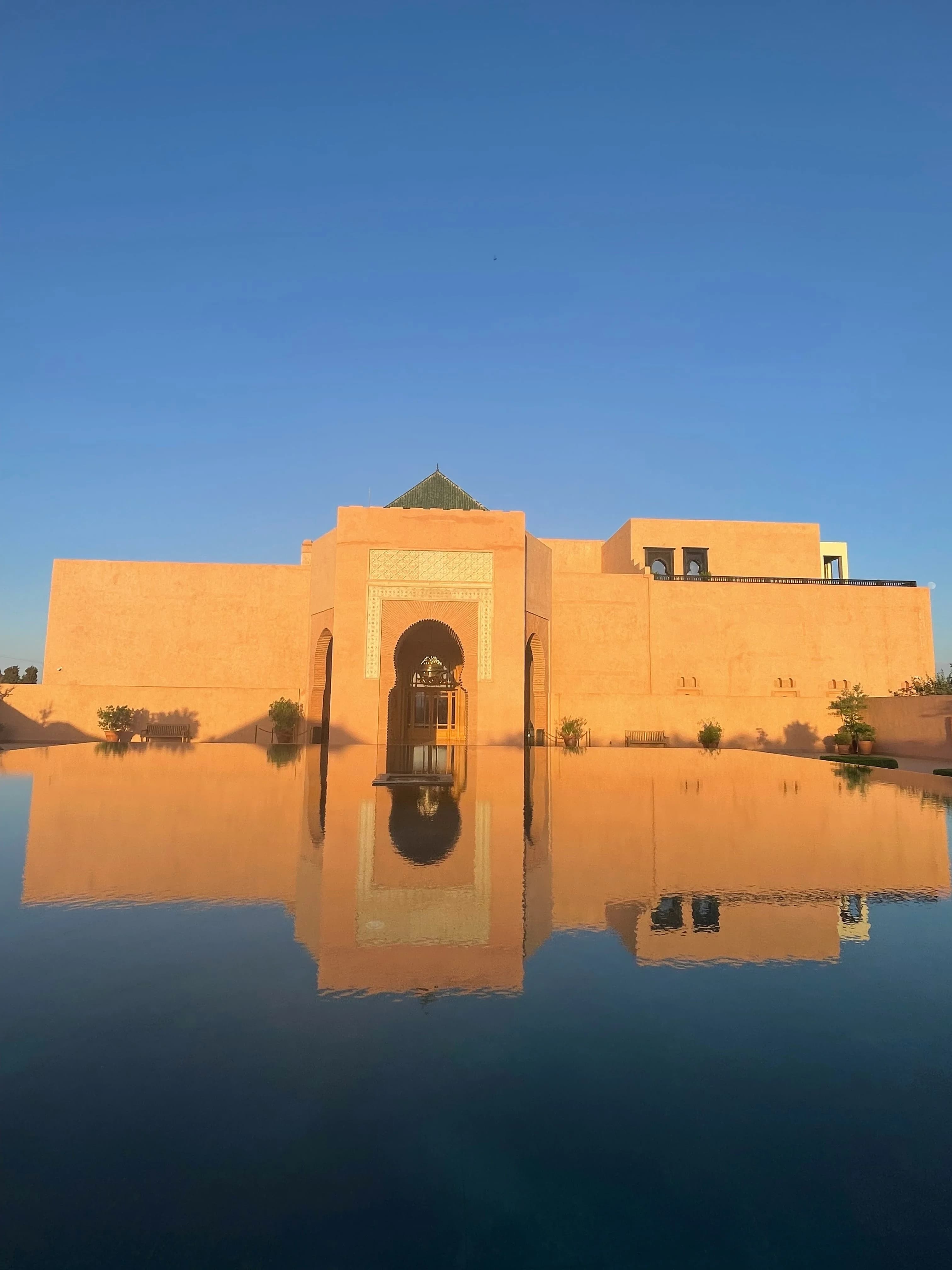
The area supports two distinct architectural languages. The riad-estate model references the inward-facing courtyard logic of the medina but transposes it onto a larger rural plot: a central garden or pool, suites arranged around it, and high walls that define the compound. The contemporary model, increasingly present in the Atlas corridor, favors open facades, floor-to-ceiling glass, and a visual dialogue with the landscape. Neither is inherently superior. The question is what kind of spatial experience you are optimising for: enclosure and intimacy, or openness and terrain.
Many of the most considered properties in this area are small by design, with between four and twelve suites in total. This is intentional. Operational control, culinary quality, and the texture of service all degrade past a certain scale. If you are traveling as a couple or a small group seeking genuine quiet, properties of this size are worth prioritising even if the per-night cost is higher than a larger Marrakech address.
Tassoultante is approximately 20 to 30 minutes from Marrakech Menara Airport by road, depending on the specific property location. This proximity is an asset: the transition from arrival to settled-in suite can happen in under an hour. Most properties will arrange airport transfers; confirm this at the time of booking, as the road infrastructure outside the main N9 axis is variable.
Morocco's hospitality landscape has expanded rapidly over the past two decades, and the Marrakech-adjacent countryside has attracted a wide range of investment, from architecturally serious estate projects to hastily assembled guesthouses marketed as boutique. The gap between these two categories is significant, and it is not always legible from photography alone.
This is precisely where a curated selection becomes useful. La Suite assesses properties across Morocco against consistent criteria: architectural integrity, suite quality, service structure, and the coherence of the guest experience from arrival to departure. In a destination like Tassoultante, where the number of genuinely exceptional addresses is small and the marketing noise is disproportionate, that filter has real practical value.
Travelers who approach Morocco through a curated lens tend to spend less time correcting a poor initial choice and more time inside the experience they came for. That is the operational argument for curation, and it applies with particular force in emerging luxury micro-destinations like this one.

Tassoultante offers spatial generosity, open landscape, and a quieter register that compact Marrakech riads cannot provide. Properties here typically sit on large landholdings with direct Atlas views, private terraces, and plunge pools. The proximity to Marrakech (roughly 20 to 30 minutes by road) means you retain easy access to the city without the medina noise.
The most favorable periods are late September through early December and February through May, when temperatures on the Haouz plain are mild and the Atlas carries snow on its upper ridges. Midsummer is intense heat territory, with temperatures regularly above 38 degrees Celsius, while winter evenings can be sharp, particularly at altitude.
Two models dominate: the riad-estate format, which applies the inward courtyard logic of the medina to a large rural plot, and the contemporary design approach, which uses open facades and floor-to-ceiling glass to engage with the Atlas landscape directly. Both can deliver exceptional suite experiences; the choice depends on whether you prefer enclosure or visual openness.
Tadelakt lime plaster in bathrooms, zellij tilework, carved cedar joinery, and hand-hammered copper fixtures are the established markers of serious Moroccan craftsmanship. When executed with precision rather than reproduced at volume, these materials create a tactile and visual environment that is distinctly regional and genuinely refined.
The most considered properties in the area tend to operate between four and twelve suites. This scale is deliberate: it allows for high staff-to-guest ratios, tighter culinary control, and a texture of service that larger properties cannot sustain. For travelers prioritising privacy and personalisation, smaller properties are worth selecting even at a premium nightly rate.
Tassoultante is approximately 20 to 30 minutes from Marrakech Menara Airport by road, depending on the exact location of the property. Most top-tier estates and maisons d'hotes in the area offer private airport transfers; this should be confirmed at the time of booking, as road conditions beyond the main N9 axis vary.
The riad-estate format, with its enclosed courtyard gardens and private pool access, is well-suited to families who want space without exposure to public areas. Properties with a small number of suites tend to offer a more accommodating and flexible service environment for families. It is worth confirming directly with properties what the minimum age policy is, as some smaller maisons d'hotes operate as adults-only retreats.
The leading properties in this area operate at high staff-to-guest ratios, often approaching one staff member per guest. This translates into personalised meal timing, tailored excursion planning, and an attentiveness that larger resort hotels rarely sustain. Culinary quality at the best estates draws on regional produce and traditional Moroccan techniques, often with a single chef leading a small kitchen team.
Yes. Tassoultante sits at the edge of the High Atlas approach, and several trekking routes, including access to the Toubkal massif, are reachable within an hour to two hours by road. Many properties can arrange guided excursions, 4x4 transfers, and packed provisions. The suite functions effectively as a recovery base, with the terrace, pool, and hammam serving as the counterpoint to physical days in the mountains.
La Suite evaluates properties across Morocco against consistent criteria covering architectural integrity, suite spatial quality, service structure, and the overall coherence of the guest experience. In a micro-destination like Tassoultante, where the volume of genuinely exceptional properties is small but the marketing noise is high, this filter removes the guesswork and connects travelers directly to addresses that perform at the level they are marketed at.