Understanding Franschhoek as a luxury destination
Areas and estate types worth considering
The valley floor estates
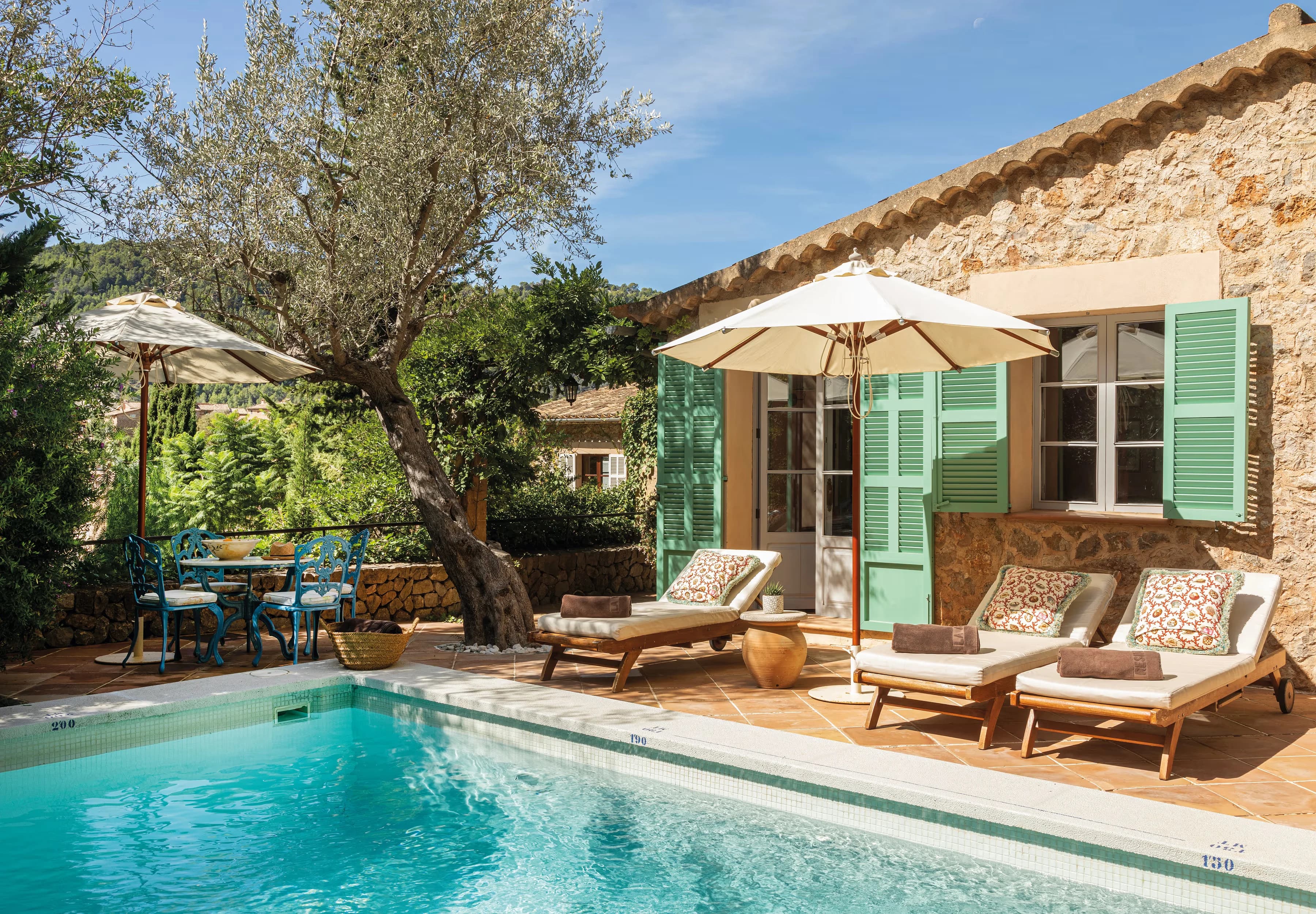
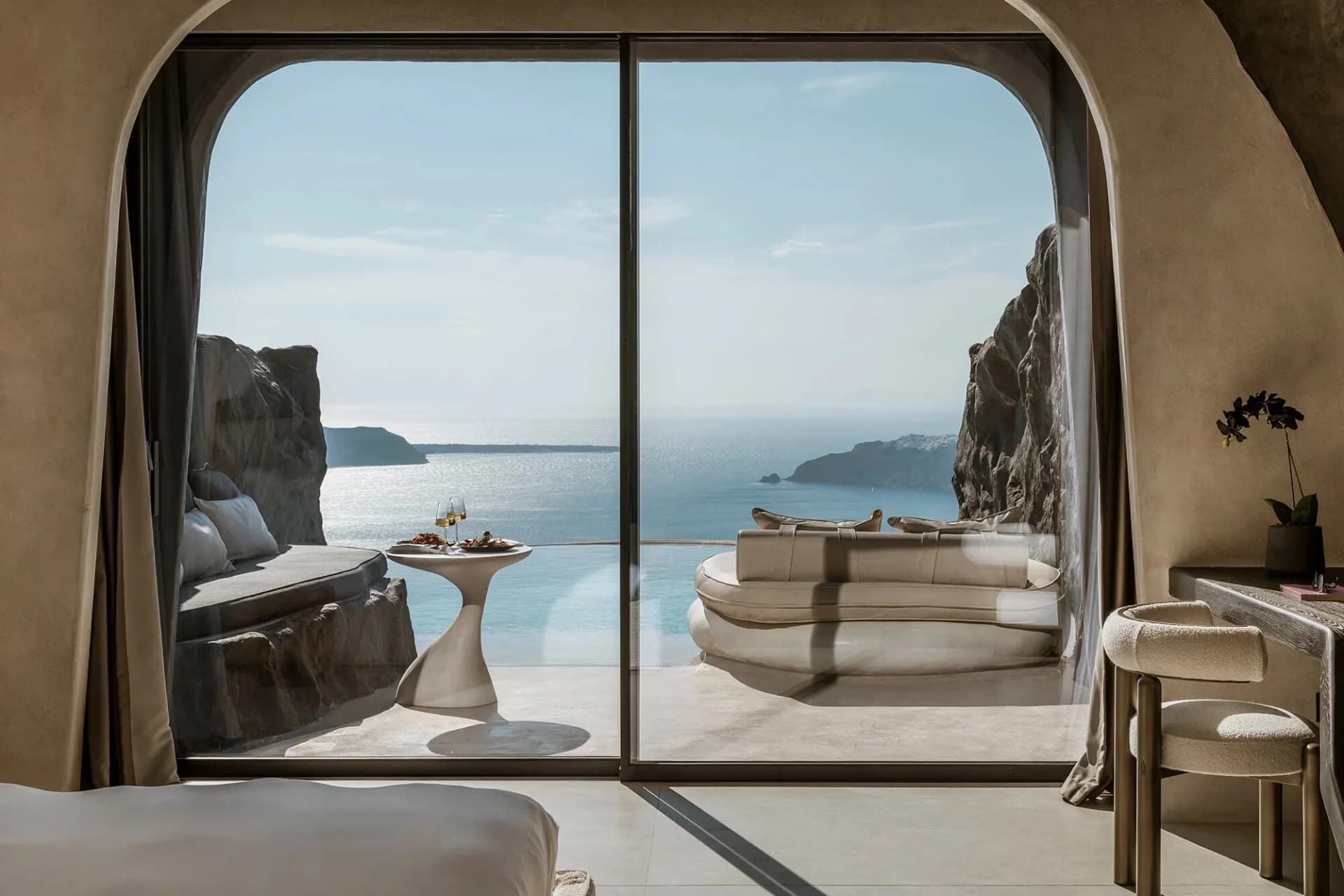
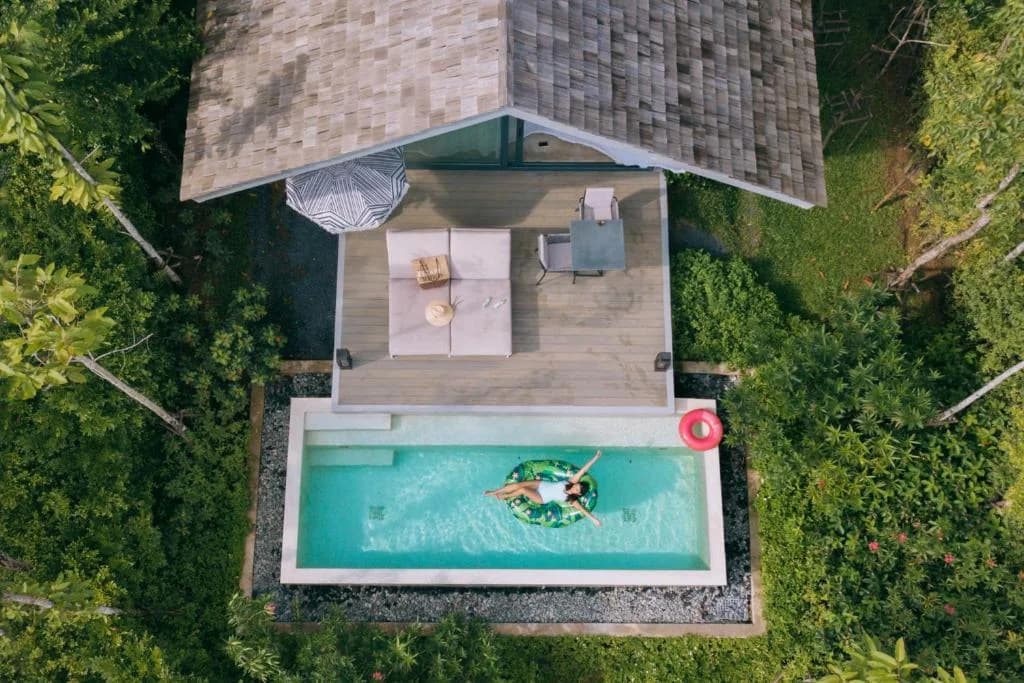
The majority of Franschhoek's leading accommodation sits on working wine farms along the valley floor, between the town and the surrounding mountain ridges. These properties offer direct access to vineyards and often include private wine-tasting as a standard feature. Suites on estate properties tend toward Cape Dutch or contemporary architecture, with deep verandas, private pools, and uninterrupted vineyard views. The spatial quality of these suites is generally high, with interior volumes that reflect the agricultural buildings they were designed alongside or within.
The town perimeter
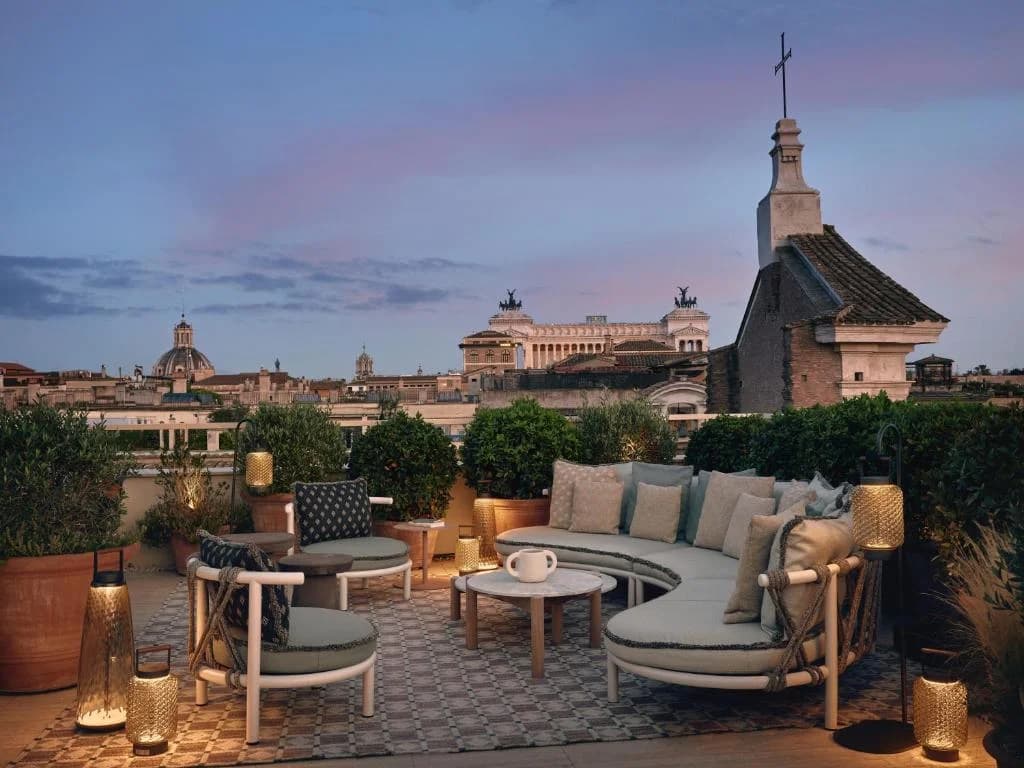
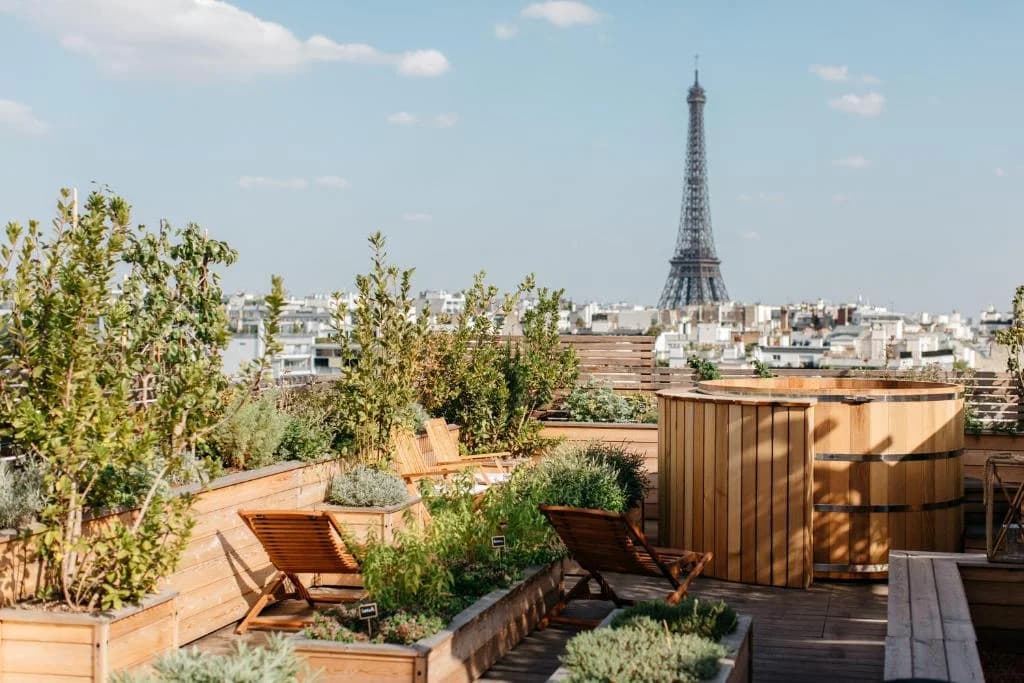
Properties immediately adjacent to Franschhoek's centre offer a different proposition: walkability to restaurants and galleries, with a slightly more curated, boutique character. These tend to be smaller, with fewer rooms and a stronger editorial identity. The trade-off is scale: private outdoor space is more limited than on the larger estates, though some properties compensate with rooftop terraces or walled gardens.
The passes and higher elevations
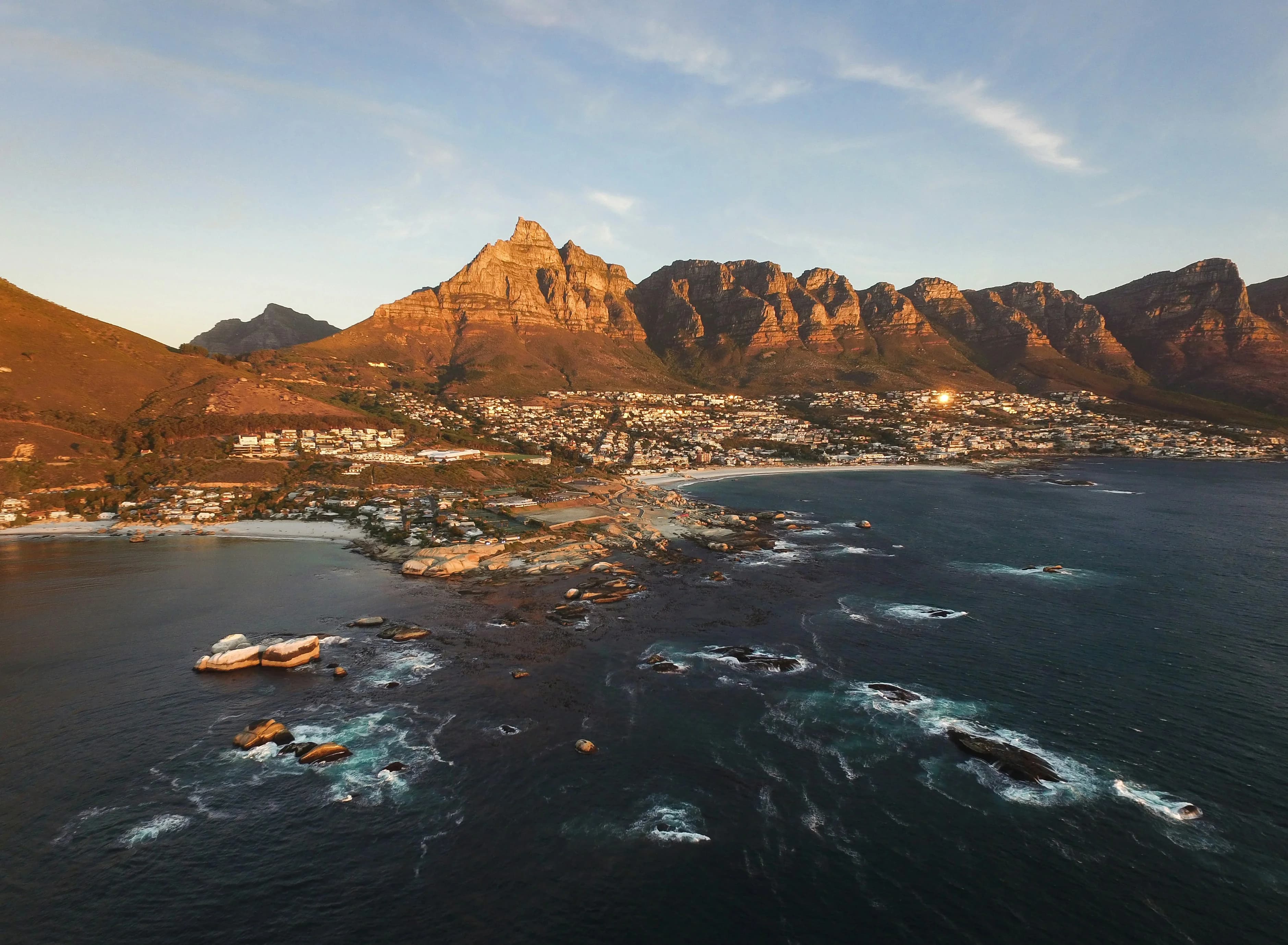
The Franschhoek Pass and Helshoogte Pass connect the valley to Stellenbosch and the broader Cape Winelands. Properties near these elevations offer panoramic orientations across the valley. They are less convenient for walking to town but provide an isolation and visual drama that rewards guests who prioritise privacy over proximity.
When to visit Franschhoek
The Cape Winelands operates on a Mediterranean climate cycle. Summer runs from November through February, with long days, consistent warmth, and the highest concentration of international visitors. This period coincides with harvest preparation and the social peak of the valley's restaurant season. Advance planning for suite reservations in December and January is essential, as capacity at leading properties is limited and demand from both domestic and international travelers is high.
Autumn (March to May) is widely regarded among regular visitors as the optimal window. The harvest itself takes place from February onward, and the valley retains warmth into April while visitor numbers begin to thin. Vineyards shift colour in April and May, and the quality of light in the late afternoon across the Drakenstein range is particularly sharp. Winter (June to August) brings rain and a cooler, quieter atmosphere. Some properties reduce their room rates during this period, and the valley has a distinct character: fewer crowds, open fires, and a more contemplative pace. Spring (September to October) sees wildflowers across the fynbos and the reopening of seasonal outdoor dining.
The annual Franschhoek Literary Festival, held in May, draws a culturally engaged audience and is one of the few events that meaningfully increases demand for quality accommodation mid-season. The Cap Classique and Champagne Festival in November is similarly relevant for guests whose itinerary centres on wine.
Local luxury standards in South Africa's Cape Winelands
South Africa does not operate a nationally standardised prestige classification comparable to the French Palace designation. The Tourism Grading Council of South Africa provides a star rating system, but the most credible signal of quality at the top end of the market is reputational rather than regulatory. Properties that consistently appear in the World's 50 Best Hotels conversations, the Relais and Chateaux network, or Leading Hotels of the World portfolios carry that distinction through sustained operational standards rather than official decree.
In Franschhoek specifically, the defining characteristics of a serious luxury suite include: generous floor plans (often exceeding sixty square metres in the entry-level suite category), private outdoor space with vineyard or mountain orientation, access to on-site wine cellars or tasting programs, and kitchen or kitchenette facilities that acknowledge the valley's food culture. Butler service is standard at the leading estate properties. Spa access, often incorporating indigenous fynbos botanicals in treatment menus, is a common offering at properties of this tier.
How to choose the right suite in Franschhoek
The most useful first distinction to make is between an estate stay and a town-adjacent stay. Guests whose primary interest is wine, outdoor space, and seclusion will find estate properties more rewarding. Guests who want to walk to dinner each evening, engage more directly with the town's gallery and retail offerings, or travel with children who benefit from urban convenience, may prefer properties closer to the centre.
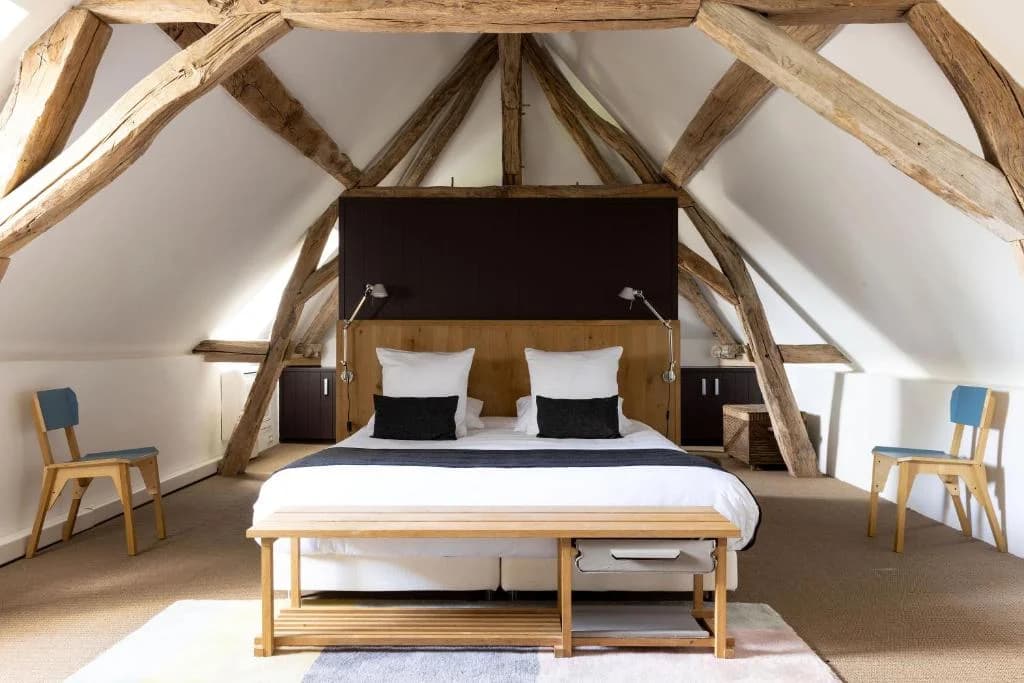
Architectural character is a meaningful consideration in this valley. Cape Dutch architecture, characterised by whitewashed gables and thick-walled interiors, appears throughout the region and produces a particular quality of cool, shaded interior space well-suited to the summer climate. Contemporary properties, several of which have opened in the past decade, prioritise glass, volume, and indoor-outdoor integration. Neither is categorically superior; the choice depends on whether the traveler is seeking historical continuity or a more spatially experimental experience.
For families or groups, certain estate properties offer villa configurations that consolidate multiple suite-level rooms around a shared pool and living space. This format provides a degree of privacy and self-sufficiency that standard hotel configurations do not replicate. It is worth establishing, before any reservation, whether a property's villa product is genuinely integrated or simply adjacent rooms with a shared external area.
The value of a curated selection in Franschhoek
Franschhoek's accommodation market is not large. The number of properties operating at genuine luxury-suite level is small, and the quality difference between a well-chosen suite on a leading estate and a standard room at a mid-tier guesthouse is material. The risk of arriving in the valley with misaligned expectations is real, particularly for first-time visitors who may not have a framework for distinguishing marketing language from operational reality.
La Suite applies editorial judgment to this selection rather than aggregating all available options. The properties represented on this platform have been assessed against consistent criteria: suite scale, service architecture, setting quality, and the integrity of the guest experience from arrival to departure. For a destination as specific and spatially concentrated as Franschhoek, that kind of filtering matters. The valley rewards guests who arrive prepared.