Where to stay in Zanzibar: distinct territories for suite travelers
Stone Town: history and architectural density
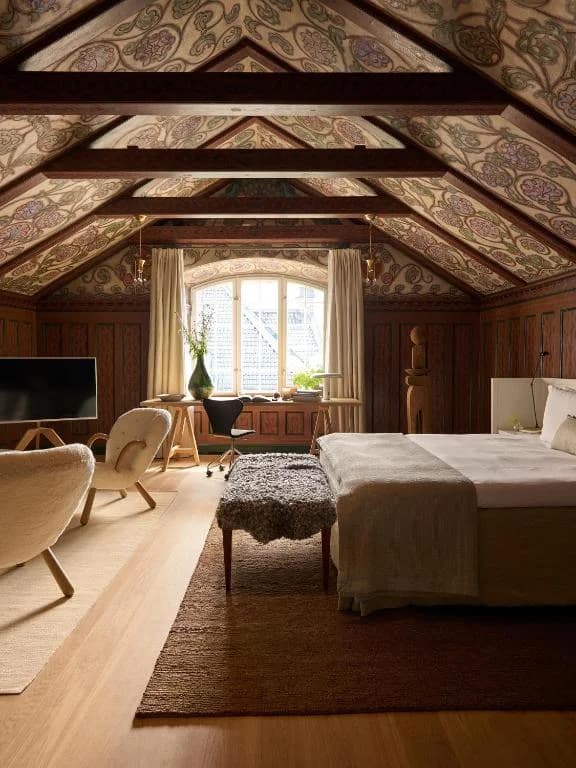
Stone Town is a UNESCO World Heritage Site, and its streets are a living record of Swahili urban form: carved wooden doors, coral rag walls, rooftop terraces overlooking the harbor. Suites in this quarter tend to occupy converted merchant houses and historic structures. The experience is architectural and cultural in the most immediate sense. Guests wake inside a building that encodes centuries of Indian Ocean trade. The trade-off is proximity to street-level activity, which makes Stone Town less suited to deep seclusion but entirely suited to travelers who come to understand a place rather than simply rest in it.
The north coast: Nungwi and Kendwa
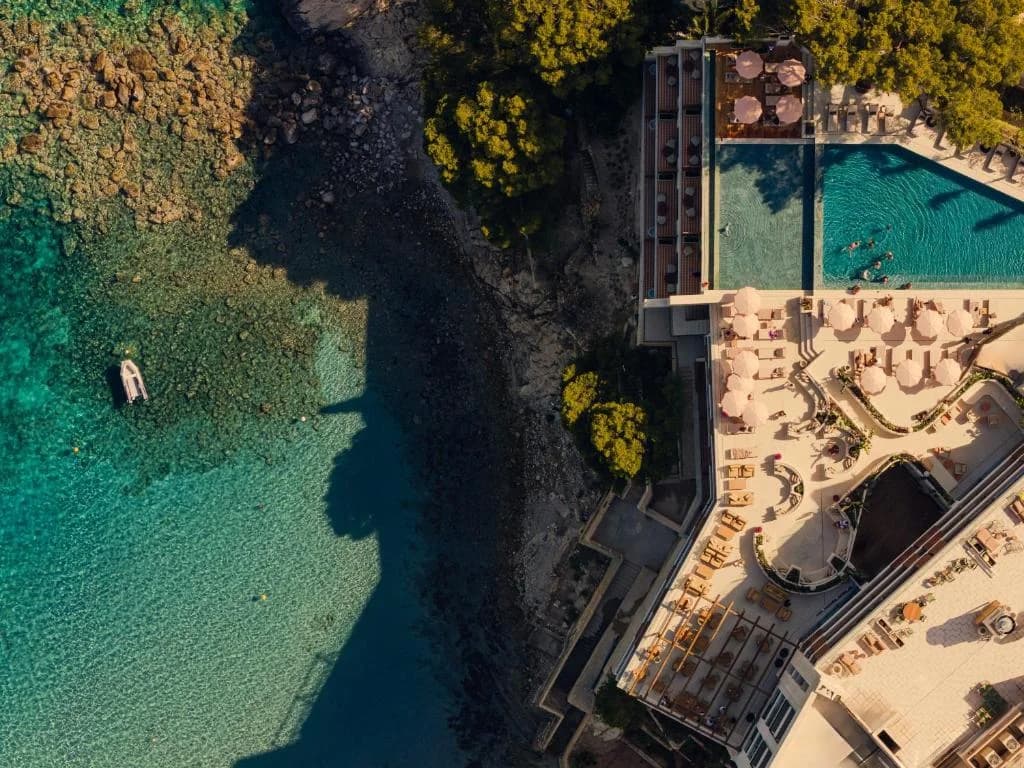
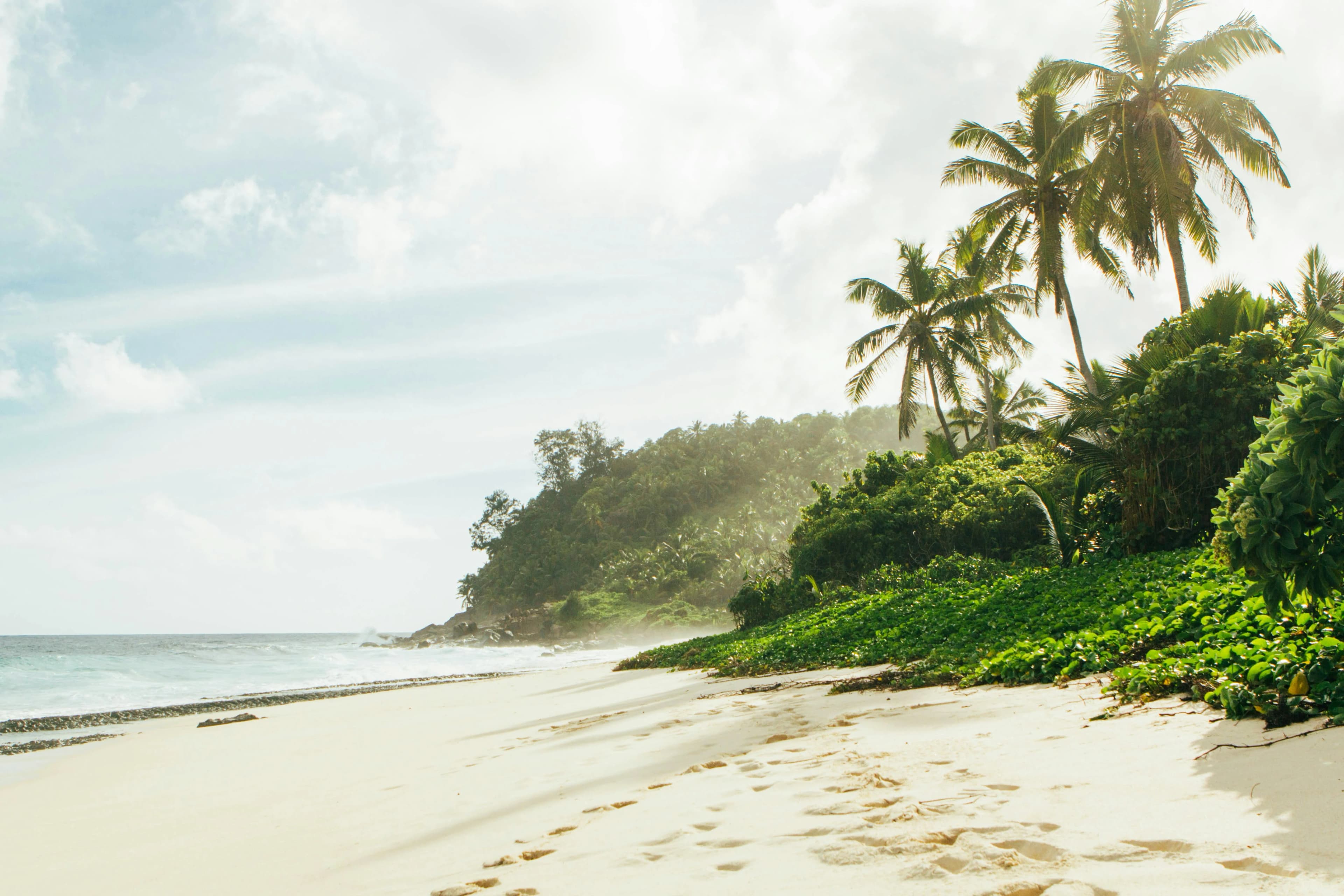
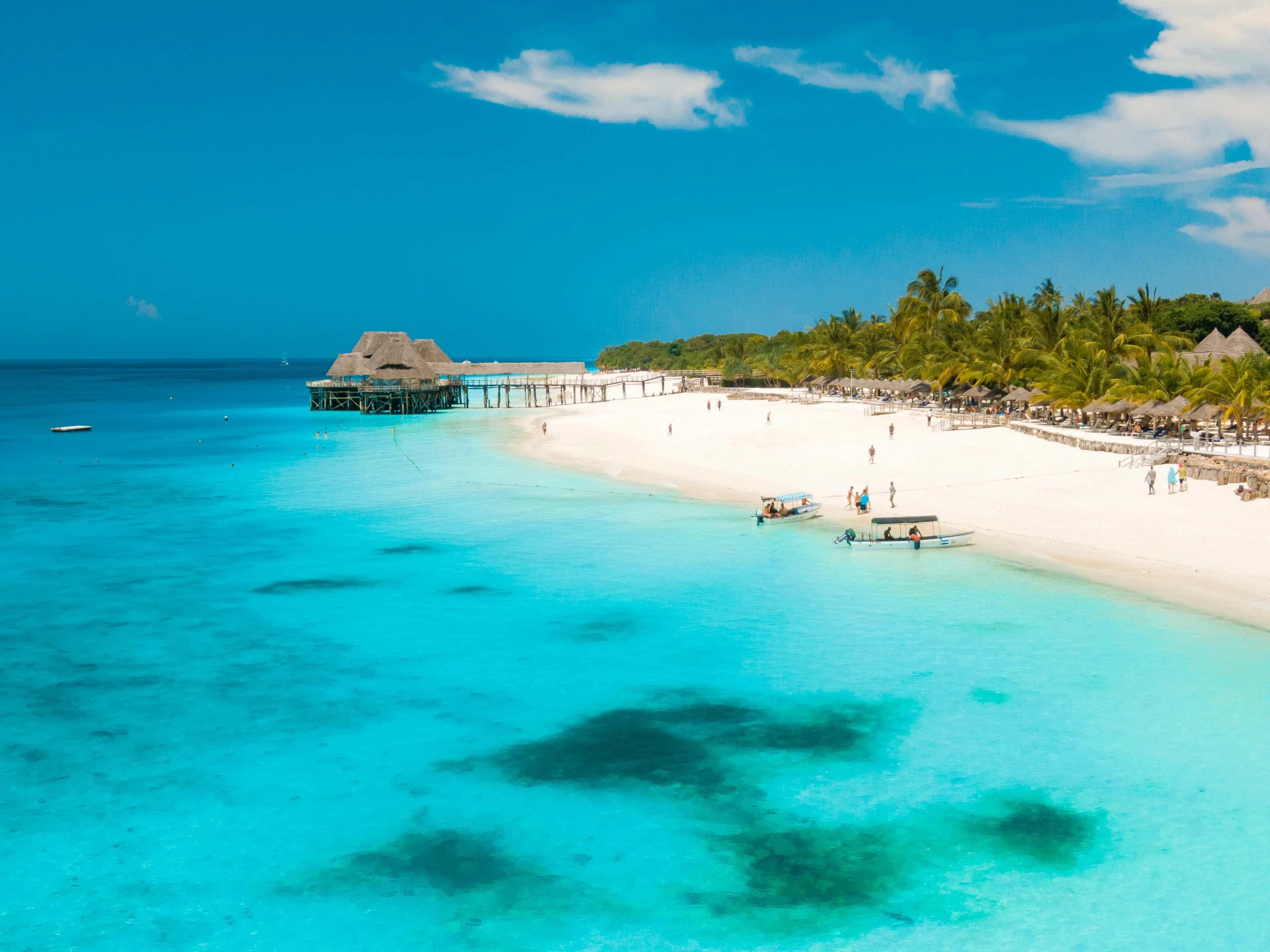
The northern tip of Unguja, centered on Nungwi and Kendwa, offers the calmest swimming conditions on the island. Unlike the east coast, these beaches are largely unaffected by tidal retreat, which means the sea remains accessible at most hours. The light here is consistent and strong. Luxury hotel suites in this zone tend toward the private villa or bungalow format, set back from the water with direct beach access. The architecture draws on coastal Swahili precedent while accommodating the spatial requirements of high-end hospitality.
The east coast: Paje, Bwejuu and Michamvi
The east coast operates on a different register. The tides here pull dramatically, exposing wide flats of pale sand at low water and creating a shallow lagoon effect. Kite surfing is a serious discipline in Paje, and the east coast attracts a younger, more active audience. That said, the remoteness of the Michamvi peninsula in particular has made it a location of choice for boutique properties seeking genuine seclusion. Luxury suites here typically face the open ocean and are oriented toward privacy and natural spectacle rather than curated service intensity.
The Pemba and smaller islands: maximum seclusion
Pemba, the second major island of the Zanzibar Archipelago, remains largely undeveloped for mass tourism. What exists there is deliberately exclusive. A small number of lodge-format properties occupy headland sites above the channel, offering suite accommodations with exceptional marine access. Pemba is for travelers who have already done Zanzibar and are looking for something structurally different, a place where the absence of infrastructure is the point.
When to visit Zanzibar for luxury suite travel
The island has two primary dry seasons: the long dry runs from June through October, and the short dry spans December to February. Both are considered peak periods, and suite availability at well-regarded properties compresses sharply during these windows. The long rains, known locally as Masika, fall between March and May and can be persistent. The short rains of November bring intermittent afternoon showers but are generally mild.
For travelers whose priority is sea conditions, June through September offers stable winds, clear water and excellent diving visibility around the reefs. For travelers more focused on atmosphere and cultural engagement, the period around Eid Al-Fitr in Stone Town brings a particular energy to the medina. The Festival of the Dhow Countries, an annual arts event centered in Stone Town, typically takes place in July and draws cultural practitioners from across the Indian Ocean rim.
Booking luxury hotel suites during the dry season requires lead time of three to six months at the better properties. Last-minute availability in peak windows is rare and reflects cancellations rather than general supply.
Understanding local luxury standards in Zanzibar
Zanzibar does not operate within the same classification framework as European or East Asian luxury markets. There is no state-administered palace designation equivalent to the French system. Quality is assessed through a combination of international chain affiliation, independent reputation and the specifics of physical plant and service ratio.
At the higher end of the market, the relevant signifiers are: plot size and privacy, direct beach or water frontage, suite square footage, the quality of in-room materials (local hardwoods, hand-carved furniture, natural stone or coral finishes), and the depth of the culinary program. Properties that source spice garden produce directly and employ chefs trained in both Swahili and broader East African traditions represent the more serious end of the offer.
Many properties market themselves as boutique or eco-luxury. The distinction that matters to a suite traveler is whether the commitment to natural materials and environmental sensitivity has been executed at a level that enhances rather than compromises physical comfort. Solar energy, rainwater harvesting and locally sourced construction are common in better properties and do not preclude genuinely refined suite experiences.
How to choose the right suite in Zanzibar
The primary axis of choice is between immersion and seclusion. Stone Town suites offer cultural density but limited private outdoor space. Coastal suites offer space and sea access but varying degrees of architectural interest. The best decisions come from understanding which dimension of the destination you are primarily seeking.
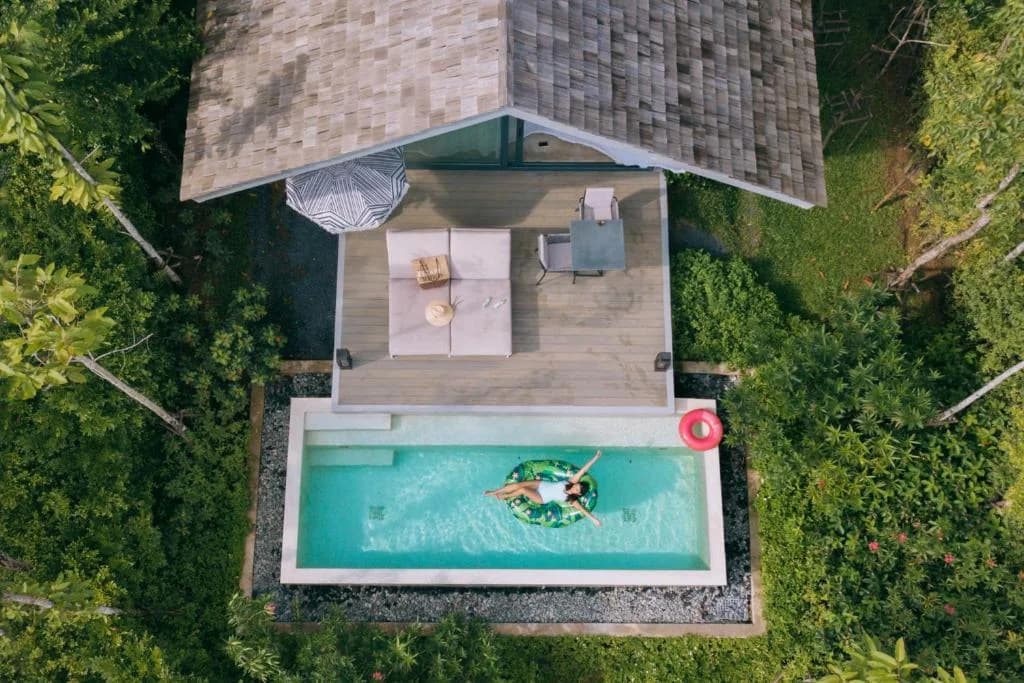
Secondary considerations include: tidal patterns on your chosen coast (critical for swimming access), the presence or absence of air conditioning and its quality (Zanzibar's humidity is not trivial even in the dry season), transfer logistics from Zanzibar International Airport, and whether the property is oriented toward couples, families or a mixed guest profile. Suite size and configuration vary considerably, from single-room ocean-facing suites in boutique properties to multi-bedroom villa suites with private plunge pools.
For families, the east and north coast properties tend to offer better space ratios and self-contained villa formats. For couples seeking a more concentrated sensory experience, the coral-house properties of Stone Town or the clifftop lodges of the north provide a more architecturally memorable stay.
The value of curation in Zanzibar's luxury hotel market
Zanzibar's hotel market is large and uneven. The island's growth as a tourism destination over the past two decades has produced a wide spectrum of quality, from genuinely excellent small properties to mid-range resorts that use the language of luxury without the physical reality. For a traveler with limited time and precise expectations, the noise is significant.
La Suite's curated selection of luxury hotel suites in Zanzibar is built on direct editorial assessment rather than aggregated review data. The criteria are architectural, spatial and experiential. A suite appears in the selection because it meets specific standards of materiality, privacy and service coherence, not because it has accumulated a volume of favorable comments. In a market where marketing language has become largely homogeneous, that distinction is the only reliable filter for a traveler who knows exactly what they are looking for.