Understanding Siem Reap as a luxury destination
For the luxury traveler, Siem Reap offers something increasingly rare: scale and silence within proximity of a genuine world heritage site. The city's spatial generosity, relative to most Asian capitals, means that properties here can offer private gardens, open-air pavilions, and suite configurations that would be architecturally impossible in denser markets. That space is the defining asset of high-end accommodation in Siem Reap.
Best areas to stay in Siem Reap for luxury travelers
The Angkor Archaeological Park perimeter
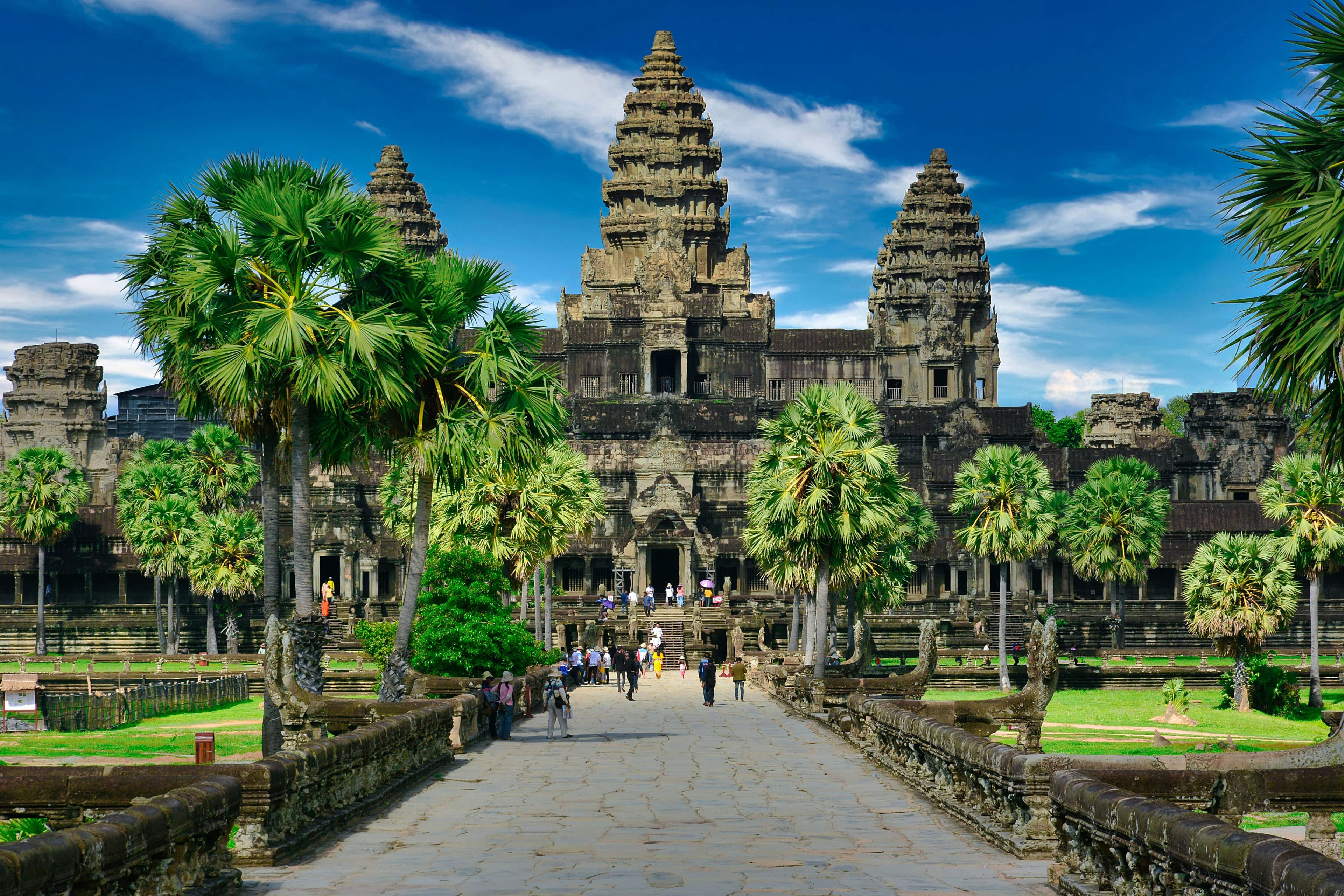
The most coveted positions for luxury hotel suites in Siem Reap are those located on or near the road corridors leading to the Angkor Archaeological Park. Properties in this zone benefit from early morning access to the temples before coach groups arrive, and some have direct arrangements with park authorities that allow for private guided access at dawn. The landscape is semi-rural here: large plots, mature trees, and a quietness that the city center cannot offer. Suite guests in this area experience Angkor as an extension of their private morning rather than as a tourist circuit.
The Old French Quarter and Pub Street vicinity
The colonial grid around the Siem Reap River and the Old Market district offers a different register. Hotels here are embedded in the texture of the working city, with access to the restaurant scene, artisan workshops, and the cultural quarter that has developed around Charles de Gaulle Street. Luxury suites in this area tend to be more architecturally intimate, often occupying restored colonial buildings with internal courtyards. The trade-off is ambient noise and proximity to tourist traffic, though the best properties manage this through deliberate spatial buffering.
The countryside and rural retreats
A small but significant category of properties positions itself entirely outside the city, in the rice-field landscape that surrounds Siem Reap. These are destination properties in the truest sense: the suite is the experience, and the surrounding agricultural landscape is the amenity. Access to Angkor requires a 20-to-30-minute transfer, but for travelers prioritising immersion over convenience, this setting delivers a sensory coherence that urban properties cannot replicate.
When to visit Siem Reap for the best suite experience
Cambodia operates on a tropical monsoon climate, and the timing of a visit to Siem Reap has direct implications for the nature of the experience. The dry season runs from November through April, with December, January, and February representing the peak months in terms of visitor volume and suite pricing. Temperatures are manageable (typically 25 to 35 degrees Celsius), the temples are photogenically clear, and the landscape is dry and golden.
The wet season, from May through October, is systematically undervalued by the luxury travel market. Rainfall is concentrated in afternoon hours, mornings remain clear, and the landscape transforms: the Tonle Sap fills, the vegetation intensifies, and the temples acquire a different atmospheric quality. Suite availability is higher, pricing is more negotiable, and the Angkor complex is noticeably quieter. Serious travelers with flexibility increasingly schedule their Siem Reap stays in September or October precisely for these reasons.
The Water Festival (Bon Om Touk), held in late October or November depending on the lunar calendar, is the most significant local cultural event of the year. It marks the reversal of the Tonle Sap river flow and draws large local gatherings along the riverfront. For guests interested in Khmer cultural life rather than pure temple archaeology, scheduling around this event adds a dimension that is otherwise absent from the standard Siem Reap itinerary.
Local luxury standards: what to expect from top-tier suites in Siem Reap
Cambodia does not operate a formal hotel classification system equivalent to the French Palace designation or Thailand's state-endorsed luxury tiers. The market self-regulates through brand affiliation, design investment, and service reputation. The most relevant markers of quality for luxury suite travelers in Siem Reap are spatial generosity, quality of local material sourcing (sandstone, silk, hand-carved timber), and the depth of the cultural programming offered by the property.
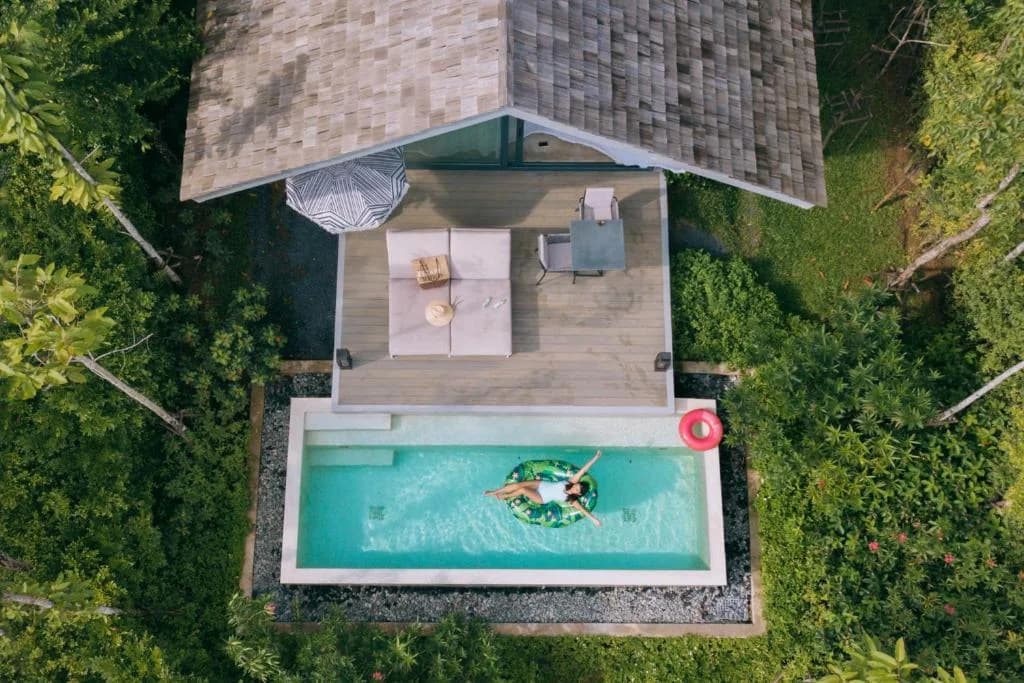
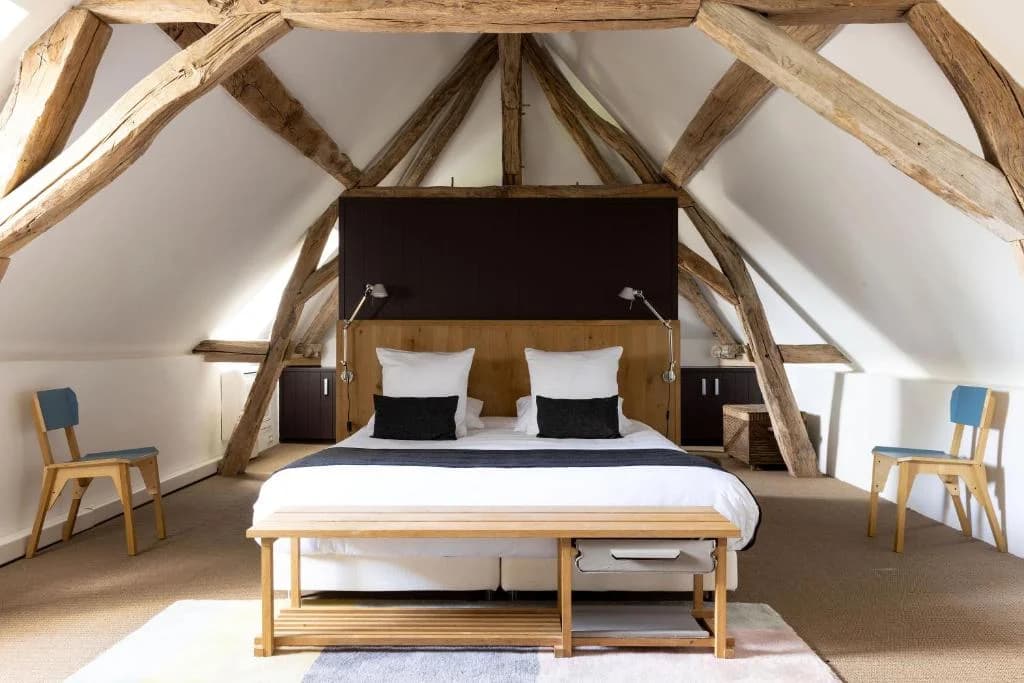
The highest-performing properties in Siem Reap tend to offer suites with private plunge pools, butler service, and access to in-house archaeologists or cultural guides. These are not amenities grafted onto a standard hotel model. They reflect a genuine attempt to integrate the guest experience with the intellectual and sensory context of Angkor. Suite design at the top end frequently references Khmer temple geometry, using water features, stone detailing, and axial spatial planning that echoes the hydraulic sophistication of the Angkor engineers themselves.
Service culture in Cambodia, and in Siem Reap specifically, is characterised by a particular quality of attentiveness that is distinct from the formal precision of, say, a Swiss property or the performative warmth of certain Thai resorts. It is quieter, more instinctive, and often cited by repeat visitors as one of the most memorable aspects of a stay. The best luxury hotels in Siem Reap train their staff to carry that quality without flattening it into a corporate hospitality template.
How to choose the right luxury hotel suite in Siem Reap
The primary decision axis for suite selection in Siem Reap is the balance between access and immersion. A suite positioned close to Angkor optimises for early temple visits and archaeological engagement. A suite in the countryside optimises for sensory withdrawal and landscape. A suite in the urban core optimises for cultural texture and restaurant access. These are genuinely different trips, and the suite choice effectively determines which version of Siem Reap the guest experiences.
Secondary considerations include pool configuration (private versus shared), the quality of in-house dining (Siem Reap has a serious Khmer cuisine culture worth engaging with), and the property's relationship with local cultural institutions. The most considered luxury hotels in Siem Reap have formal relationships with artisan communities, silk weaving cooperatives, and temple conservation bodies. These relationships can be activated through the concierge and represent a qualitative difference between a generic luxury stay and one that engages with the destination on its own terms.
Guests traveling with families should note that suite sizing in Siem Reap's best properties is generally more generous than equivalent-category properties in European capitals, and that connecting suite configurations are more commonly available. The city's low density and the garden-based design of most luxury properties also make it a more practical destination for family travel than the logistical complexity of Angkor might suggest.
Why curated selection matters in Siem Reap
The Siem Reap hotel market has expanded rapidly since the early 2000s, and not all properties that position themselves at the luxury tier deliver a coherent experience. The gap between marketed positioning and actual suite quality is more pronounced here than in more established luxury markets. A curated selection by La Suite applies the same editorial rigour to Siem Reap that it applies to properties in Paris or Kyoto: spatial quality, design integrity, service consistency, and the capacity to frame the destination rather than merely accommodate the guest. For a city where the surrounding context is as architecturally significant as Angkor, that framing capacity is not a secondary consideration. It is the entire point of the stay.