Alila Shanghai, Shanghai
Retreat to Alila Shanghai near West Nanjing Road Experience bustling Jing’an before retreating to the beautiful tranquility of Alila Shanghai. A quick stroll to Zhangyuan and West Nanjing Road and wit

The Old French Concession, known locally as the Luwan and Xuhui districts, was formally established in 1849 and returned to Chinese administration in 1943. What remains is a street grid of unusual elegance for a Chinese metropolis: broad, tree-canopied avenues, wrought-iron gates, and a building stock that ranges from French Baroque to Californian bungalow to Shanghai Art Deco. This architectural coherence makes it distinct from every other neighborhood in Shanghai. A luxury hotel suite here does not simply provide accommodation. It situates the guest within a living document of 20th-century urban history.
5 hotels available

Retreat to Alila Shanghai near West Nanjing Road Experience bustling Jing’an before retreating to the beautiful tranquility of Alila Shanghai. A quick stroll to Zhangyuan and West Nanjing Road and wit

Located in the cultural preservation zone of Xuhui District, Capella Shanghai, Jian Ye Li is located 0.4 mi from Zhaojiabang metro station on Line 7 and 9. The property is 1.7 mi from Xintiandi and 1.

Located in the bustling center of the city on Yan'an West Road. Hilton Shanghai City Center is close to famous landmarks like Jing'an Temple, Wukang Mansion, and the Shanghai Exhibition Center. The

Located in central Shanghai, The PuLi Shanghai is ideally located just steps away from Jing'an Park, Park Place, Réel Mall and Kerry Center. The PuLi offers in-room dining, concierge, laundry and vale

Boasting a fitness center, a bar and 2 restaurants, The Sukhothai Shanghai is located in Jingan District and is 0.7 mi from People's Square. This property is set a short distance from attractions such

Jing'an is one of Shanghai's most spatially legible districts. Its street grid follows the logic of the former Bubbling Well Road corridor, now known as West Nanjing Road, which functioned as the commercial and residential spine of the International Settlement during the early twentieth century. Today, that same axis anchors a concentrated band of flagship retail, private galleries, and restaurant openings that draw an internationally literate crowd. A luxury hotel suite in Jing'an situates the traveler at the center of this density without the visual noise of the Bund or the tourist saturation of the Old Town.

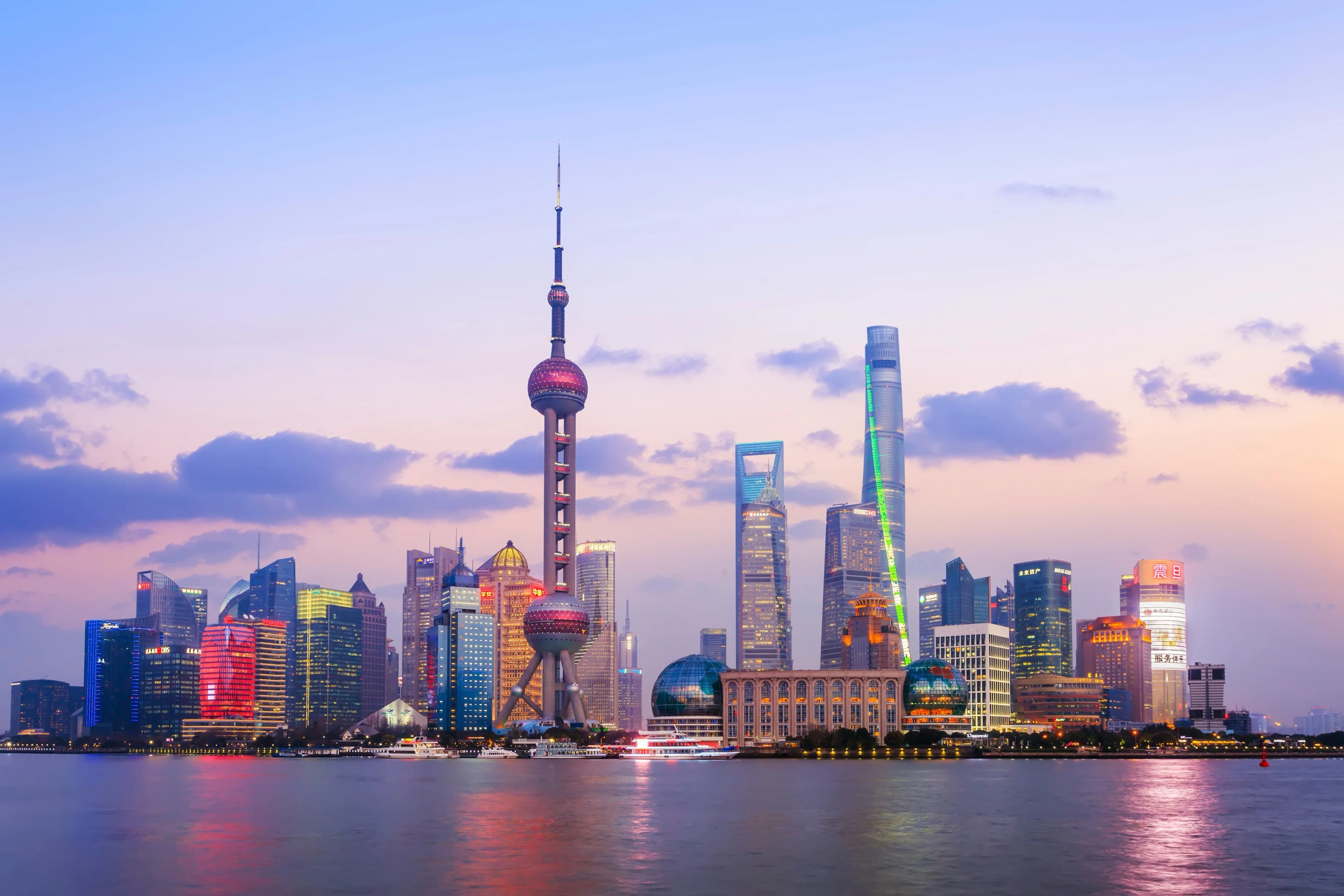
Lujiazui is not a conventional neighborhood in the European or American sense. It was purpose-built as a financial district from the early 1990s onward, and its urban logic reflects that origin: wide boulevards, landmark towers, riverside promenades, and a density of five-star hotel infrastructure that few districts anywhere in the world can match. For the traveler who values proximity to China's most dynamic commercial center, combined with unobstructed views and high-specification accommodation, Lujiazui is a deliberate and well-reasoned choice.

East Nanjing Road occupies a singular position in the urban fabric of Shanghai. Stretching roughly 1.5 kilometres from the Bund to People's Square, it functions simultaneously as a retail thoroughfare, a historical archive, and a logistical hub. For guests selecting a luxury hotel suite in this neighbourhood, the central appeal is density of access: the waterfront promenade, the French Concession, the financial district of Lujiazui across the river, and the major cultural institutions around People's Square are all reachable without reliance on private transport. This is a neighbourhood for travellers who prefer to read a city on foot, at their own pace, from a position of comfort.
For high-end travelers, the neighborhood's primary advantage is scale. Unlike the Bund, which functions largely as a spectacle, or Xintiandi, which has been comprehensively commercialized, the French Concession retains a neighborhood logic. Boutiques, wine bars, private members' clubs, and Michelin-recognized restaurants operate at street level, embedded among residential lanes. A suite in this district allows the guest to move through the city on foot, with genuine points of arrival and return.
The western section of the French Concession, centered on Wukang Road and its intersection with Hunan Road, is the most architecturally preserved. The Wukang Mansion (formerly Normandie Apartments), designed by László Hudec in 1924, anchors a streetscape of Republican-era villas and garden compounds. Hotels and boutique properties in this part of the neighborhood tend to operate at smaller scale, with a greater emphasis on historic fabric and garden access. The atmosphere is residential and composed.
Huaihai Middle Road functions as the commercial and cultural spine of the French Concession. Flagship international retail, established cafes, and the main gallery circuit concentrate here. Luxury hotel suites along or adjacent to this corridor offer the greatest convenience for guests whose visit centers on shopping, dining, and cultural programming. The pace is more active than the western avenues, though still far removed from the density of Nanjing Road.
The southern lanes of the French Concession, particularly the Tianzifang complex of repurposed shikumen (stone-gate) houses, represent Shanghai's most coherent experiment in cultural-commercial preservation. The architecture here is low-rise, courtyard-oriented, and intimate. Travelers staying in suites in this sub-district are positioned within walking distance of independent design studios, specialist food vendors, and the kind of urban texture that disappears quickly in a city developing at Shanghai's pace.
Shanghai operates on a continental climate modified by its coastal position. The most comfortable periods for walking the French Concession are April through early June and September through November. Spring brings the plane trees into full canopy, filtering light across the avenues in a way that is specific to this neighborhood. Autumn offers lower humidity and cleaner air, which matters for a district whose appeal is substantially visual and pedestrian.
The Shanghai International Film Festival, held each June, draws significant cultural traffic to the city and concentrates events in venues near the French Concession. Art Week, typically in November and aligned with the West Bund Art and Design fair, is the single most relevant period for design-literate travelers: galleries across the French Concession open concurrent exhibitions, and suite availability at top properties tightens considerably. Booking several weeks in advance during this window is standard practice among frequent visitors.
July and August are functional but physically demanding: temperatures regularly exceed 35 degrees Celsius and humidity is pronounced. January and February bring cold, damp conditions that reduce the neighborhood's pedestrian appeal. These months do, however, offer the greatest suite availability and the most competitive rates at the district's leading properties.
Shanghai does not operate the French government's Palace hotel designation, but the city has its own clear hierarchy. The leading international groups maintain flagship properties in or adjacent to the French Concession, and suite offerings at this level typically run from 80 to over 300 square meters, with service ratios and amenity standards consistent with the upper tier of global luxury hospitality.
What distinguishes the best suites in this neighborhood specifically is the architectural context. Properties housed within restored colonial buildings or Republican-era villas offer suite configurations shaped by original room proportions: high ceilings, large windows oriented toward garden courtyards, and structural details that cannot be replicated in new-build construction. This is materially different from a suite in a tower hotel, even a premium one, and worth weighing explicitly when selecting accommodation.
Private butler service, in-suite dining from recognized kitchen programs, and direct concierge access to private cultural events are standard at the leading addresses. Some properties also maintain relationships with the private members' clubs concentrated in the neighborhood, facilitating access that is otherwise invitation-only for first-time visitors to Shanghai.
The primary decision axis in this neighborhood is architectural: historic fabric versus contemporary design. Travelers who place value on spatial authenticity and period detail should focus on properties operating within restored heritage buildings. Those who prioritize contemporary amenity density, fitness infrastructure, and meeting facilities at scale may find the newer boutique properties or larger adjacent hotels more functional.
A second consideration is orientation. Suites facing internal courtyards offer privacy and quiet. Street-facing suites in this neighborhood deliver the plane-tree views and pedestrian activity that constitute much of its character, but involve a degree of ambient sound. Both configurations are legitimate choices, depending on whether the visit is organized around rest or engagement with the neighborhood.
Practical logistics also bear consideration. The French Concession is served by multiple metro lines, but its internal street grid is not always navigable by larger vehicles. Guests arriving with significant luggage or requiring frequent car transfers should confirm vehicle access with their property in advance. The neighborhood rewards walking, and the most effective suite in this district is one from which the guest can leave on foot with genuine purpose.
The Old French Concession has seen significant hotel development over the past decade, and the range of properties marketing themselves at the luxury tier is now substantial. The variance in actual quality, particularly at the suite level, is correspondingly wide. Properties that occupy prestigious addresses in heritage buildings do not automatically deliver the suite standards that the address might imply.
Shanghai sits within a broader China luxury travel landscape that La Suite covers with consistent editorial standards. The same curation logic applies at the neighborhood level: the Old French Concession rewards precision. La Suite's selection for this district isolates the properties where suite quality, architectural integrity, and service standard align without compromise, allowing the traveler to make a single, well-informed decision rather than navigate a market that is more complex than it appears from the outside.

The Old French Concession is architecturally distinct within Shanghai, retaining a street grid of colonial-era and Republican-period buildings that give the neighborhood a residential coherence absent in districts like Pudong or the Bund. Luxury suites here offer genuine proximity to galleries, precise restaurants, and walkable lanes rather than the spectacle-oriented experience of the waterfront. The combination of historic fabric and curated cultural density is the primary differentiator for discerning travelers.
The western avenues around Wukang Road offer the greatest architectural preservation and a quieter, more residential atmosphere suited to guests who prioritize design integrity and garden settings. The central Huaihai Middle Road corridor is more convenient for retail and dining access. The choice depends largely on whether the visit is organized around cultural immersion or operational convenience within the city.
April to early June and September to November are the most comfortable periods for pedestrian engagement with the neighborhood, which is central to its appeal. November is particularly significant for design-focused travelers, as Art Week and the West Bund Art and Design fair generate concentrated gallery programming across the French Concession. Suite availability at leading properties tightens during this window, so advance booking of several weeks is advisable.
Yes. Several properties in the French Concession operate within restored colonial or Republican-era buildings, offering suite configurations shaped by original architectural proportions: high ceilings, large windows, and garden orientations. These properties provide a materially different spatial experience from contemporary tower hotels and are particularly relevant for travelers who place value on architectural authenticity as part of their stay.
Leading properties in the Old French Concession at the luxury suite level typically offer private butler service, in-suite dining from recognized kitchen programs, and concierge access to private cultural events and members' clubs in the neighborhood. Suite sizes at the top tier range from approximately 80 to over 300 square meters, with amenity and service ratios consistent with the upper level of international luxury hospitality.
The Bund delivers dramatic river views and a high-density concentration of flagship hotel brands, but its character is primarily spectacular rather than residential. The French Concession offers a slower pace, a walkable neighborhood logic, and direct access to the cultural and culinary life of the city at street level. Travelers who want to move through Shanghai on foot with genuine points of interest tend to find the French Concession a more functional and textured base.
The neighborhood is served by multiple Shanghai metro lines and is positioned centrally within the city, making it accessible to major commercial districts including Jing'an and Pudong. However, its internal street grid can limit vehicle access for larger cars, which is a practical consideration for guests requiring frequent executive transfers. Properties in the area can advise on vehicle logistics, and the district's density of private members' clubs and discreet dining venues makes it well-suited to business hospitality.
The most distinctive properties in the French Concession occupy restored heritage buildings with ceiling heights and room proportions determined by original construction, typically dating from the 1910s to 1940s. This produces suites with a spatial quality that differs fundamentally from contemporary hotel architecture: deeper window reveals, plaster detailing, and garden-facing orientations are common. New-build boutique hotels also operate in the district, offering more uniform contemporary amenity at the expense of historic character.
During Shanghai Art Week in November and the Shanghai International Film Festival in June, suite availability at the leading French Concession properties reduces significantly. Booking four to six weeks in advance during these periods is a reasonable baseline for standard suite categories. Larger or more architecturally significant suite configurations at heritage properties can require longer lead times, particularly for first-time guests without an established relationship with the property.
The Old French Concession has seen substantial hotel development in recent years, and the gap between a property's marketing position and its actual suite quality can be considerable. A curated selection isolates the addresses where architectural integrity, suite space, and service standard align consistently, removing the research burden from the traveler. La Suite applies the same editorial standards to this neighborhood as to the broader China and Asia luxury travel market, providing a reliable and efficient decision-making tool for a complex local market.