Understanding People's Square as a base for luxury suite travel
For guests arriving on business or combining cultural itineraries with high-level meetings, a luxury hotel suite in People's Square offers a positioning that few other Shanghai neighbourhoods can replicate. The proximity to major transport hubs, including direct metro access across multiple lines, makes movement through the city efficient and unhurried.
The distinct areas surrounding People's Square
The Bund corridor
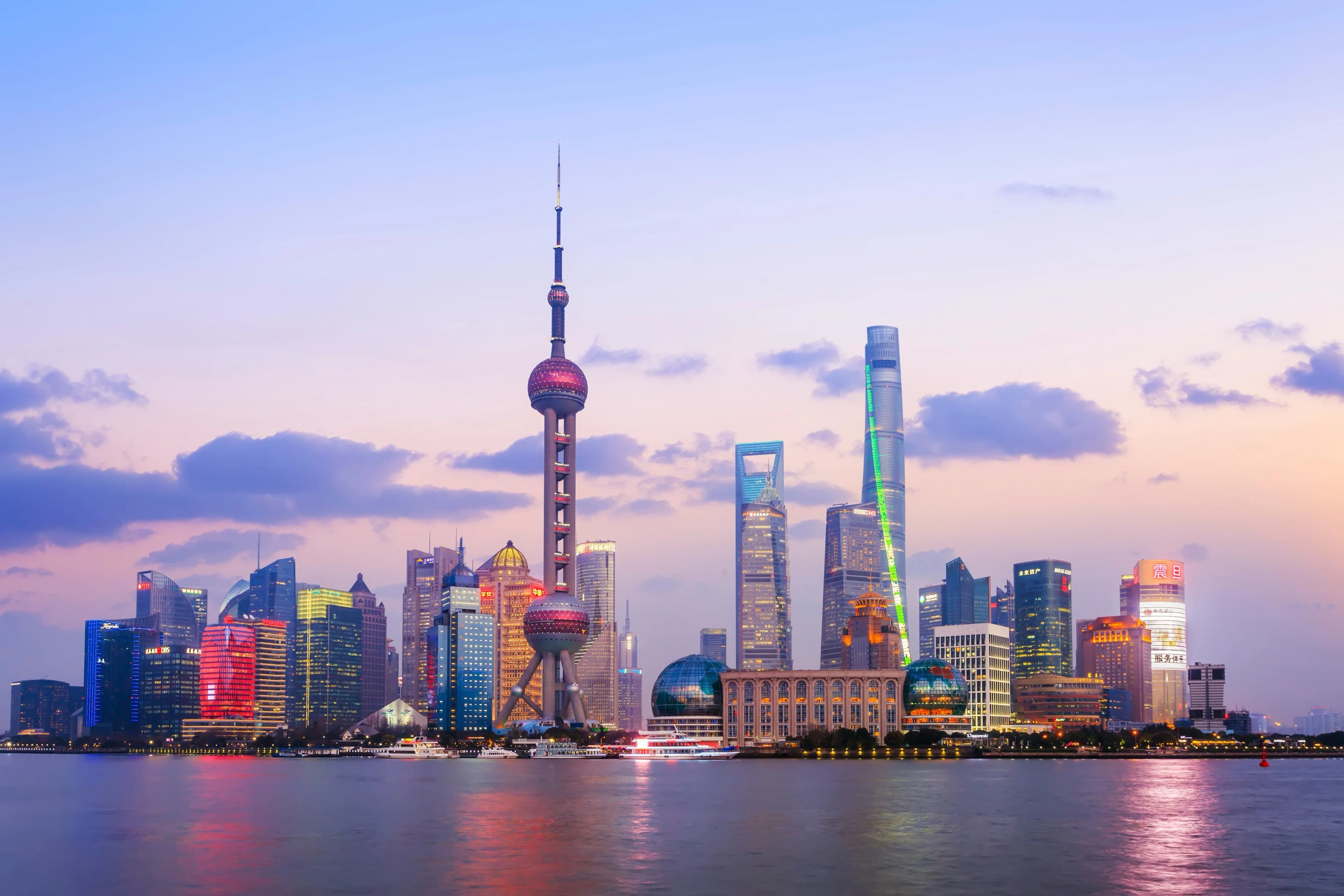
The Bund lies roughly one kilometre to the east, accessible on foot or by a short taxi ride. Its riverside promenade, lined with neoclassical facades from the early twentieth century, represents one of the most architecturally coherent stretches of urban waterfront in China. Suites with elevated positions in hotels near People's Square can offer sightlines toward Pudong's financial skyline, a composition that has become synonymous with Shanghai's dual identity.
The French Concession
To the southwest, the former French Concession introduces an entirely different urban texture: plane-tree-lined streets, art deco residential blocks, independent restaurants, and some of Shanghai's most considered retail. The distance from People's Square is walkable in good weather and positions the neighbourhood as a natural complement to a culturally oriented stay.
Nanjing Road and the commercial axis
Nanjing Road East connects People's Square directly to the waterfront and carries the weight of Shanghai's commercial history. It is one of the highest-footfall retail streets in Asia, but its character shifts considerably after business hours. For suite guests, it functions primarily as a corridor rather than a destination, efficient for access rather than immersive exploration.
When to visit People's Square for a luxury suite stay
Shanghai operates on a year-round cycle, but two windows stand out for comfort and cultural richness. Spring, from March to May, brings mild temperatures, lower humidity, and the cherry blossom season in Fuxing Park nearby. Autumn, from September to November, offers similar conditions with the added dimension of Shanghai Fashion Week and a concentrated programme of gallery openings and cultural events.
The summer months, June through August, are humid and occasionally extreme in temperature. This period coincides with peak domestic travel and higher suite rates. Winter in Shanghai is cooler and drier, with a quieter atmosphere that some travelers find preferable for focused cultural visits. The Shanghai International Film Festival, held in June, draws a significant international profile and affects hotel availability across the city centre.
Local luxury standards: what to expect from top-tier suites in Shanghai
Shanghai does not operate under a formal prestige classification equivalent to the French Palace designation or the Japanese Ryokan tradition. Instead, the market is stratified by brand positioning and architectural heritage. The most considered luxury hotel suites in the People's Square area tend to occupy buildings with a traceable history, either colonial-era structures that have been restored with precision, or purpose-built towers from the post-reform period that have invested in genuine spatial quality.
Suite specifications in this district typically prioritise floor area, separation between living and sleeping zones, and city-facing views. Bathroom architecture is a meaningful differentiator at this level, with the strongest properties offering deep soaking tubs, rainfall showers, and natural stone finishes. Concierge infrastructure matters considerably in Shanghai, given the practical complexity of navigating a city of this scale with cultural and linguistic nuance. The best suites come with dedicated service teams fluent in both the city's logistics and its cultural calendar.
How to choose the best luxury suite in People's Square
The primary consideration is orientation. People's Square itself is broad and open, and suites positioned above the lower floors gain meaningfully from the unobstructed sightlines. A suite facing north or east will capture the Pudong skyline at distance. Suites facing south tend to look toward the denser residential and commercial fabric of central Shanghai, which carries its own visual interest but a different register entirely.
The second consideration is building typology. Some of the most architecturally significant hotels in this area occupy structures with heritage status, which brings character but also certain constraints, including floor-plate dimensions and acoustic profiles that differ from purpose-built luxury towers. Travelers who prioritise absolute quiet and maximum spatial uniformity may favour modern construction. Those who place a premium on patina, materiality, and historical continuity will find the restored properties more rewarding.
A third consideration is access to F&B infrastructure within the property. People's Square has a limited independent dining scene compared to the French Concession or the Bund. The strongest luxury hotel suites in the area compensate with in-room dining programmes and internal restaurant offerings of genuine quality, which is worth assessing before committing to a property.
Why a curated selection by La Suite matters here
Shanghai's luxury hotel market is deep and, at times, opaque. Marketing language across the sector has become increasingly uniform, making it difficult to distinguish between properties on the basis of public-facing communication alone. The variables that actually determine suite quality, including construction materials, service-to-guest ratios, the acoustic performance of the room, and the intelligence of the concierge offer, are rarely surfaced in standard booking interfaces.
La Suite approaches the People's Square market with editorial criteria rather than commercial ones. The curated selection reflects properties that have been assessed against consistent standards of spatial quality, service architecture, and design coherence. For a traveler arriving in Shanghai with limited time and high expectations, that filter is not a convenience. It is the difference between a stay that confirms the city's reputation and one that merely occupies a room within it.